IN Brief:
- The UAE Cyber Security Council has run a specialised exercise focused on a destructive attack against shared services and critical infrastructure.
- The simulation tested incident response, threat intelligence, secure coordination, and business continuity across technical and leadership roles.
- For contractors and operators, the message is increasingly industrial: resilience is now judged in rehearsed operations, not just deployed tools.
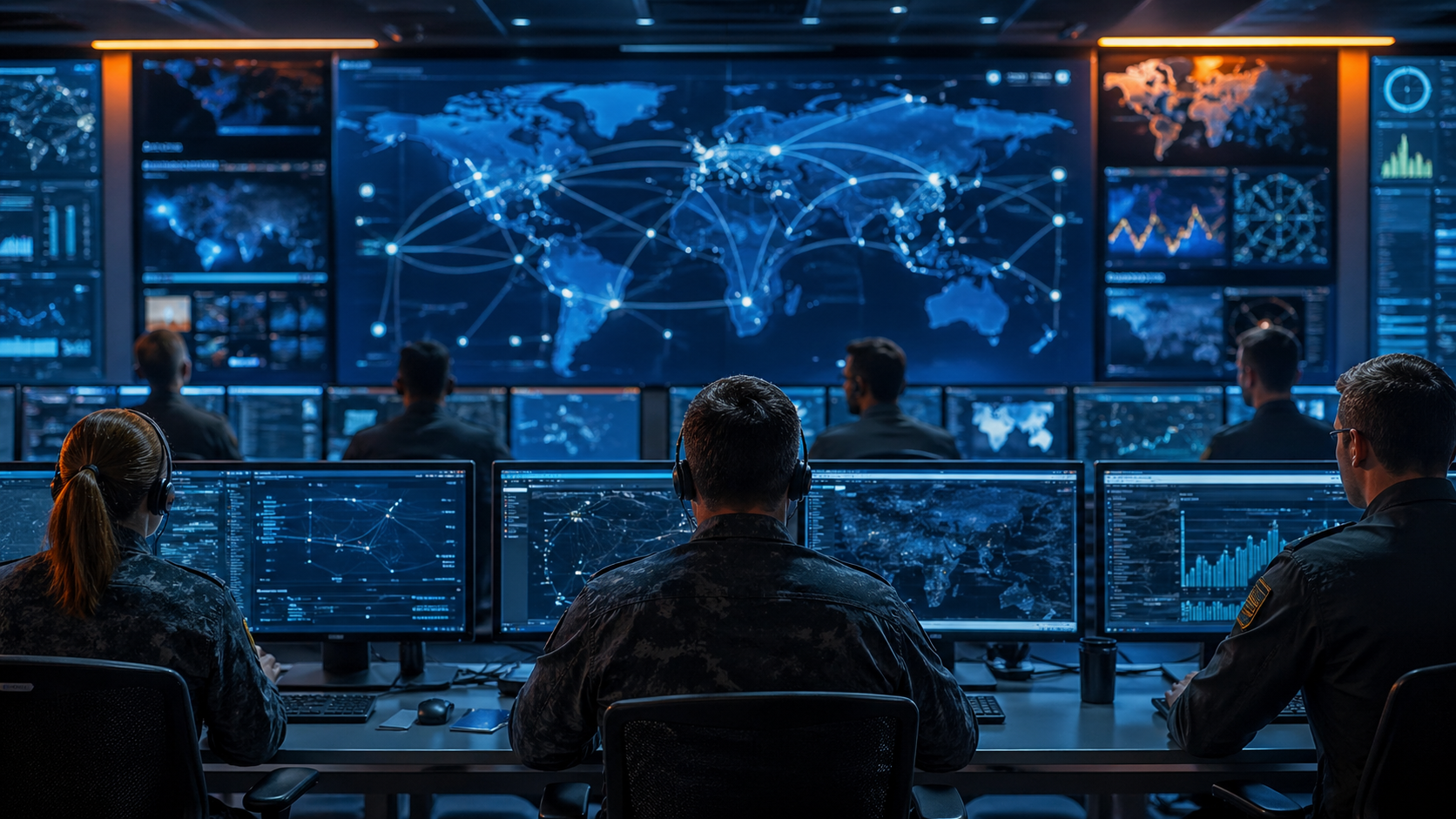
The UAE Cyber Security Council has conducted a specialised cyber exercise with Immersive aimed at strengthening readiness across government entities and critical infrastructure. The scenario centred on a shared-services organisation serving both government and essential infrastructure, and it forced participants to work through a cyber incident that began as manageable suspicious activity before escalating into a broader operational crisis.
That kind of scenario reflects how real disruption tends to unfold. The immediate technical problem is only one part of it. The harder challenge is keeping services live, making decisions under uncertainty, moving sensitive information securely between teams, and maintaining a coherent chain of command while the picture is still incomplete.
The exercise tested incident response, threat intelligence, and business continuity, while also assigning defined roles across the response structure, from SOC analysts and CISOs to continuity teams and supporting leadership functions. It also placed clear emphasis on communications, points of contact, and the disciplined exchange of information, which is often where cyber exercises stop being a technical rehearsal and start becoming a serious operational one.
For the UAE, the exercise fits a wider pattern of building cyber capability around national infrastructure rather than treating it as a narrow IT function. For defence contractors, systems integrators, and operators across the region, that should be read as a procurement and assurance signal as much as a policy move.
Cyber resilience is becoming an industrial capability
When critical infrastructure is involved, the consequences of a cyber incident are measured in continuity as much as compromise. Operators need the ability to contain an intrusion, preserve essential services, switch to alternate processes where necessary, and coordinate across technical, managerial, and external stakeholders without losing time to confusion.
That pushes cyber readiness into the same category as other operational capabilities. It has to be exercised, measured, improved, and evidenced. Generic awareness training does not do that on its own, which is why the market is moving toward drills, role-based scenarios, and safer OT-oriented environments where teams can rehearse without risking live systems.
What regional suppliers will increasingly be judged on
For contractors serving defence estates, utilities, transport systems, and government-linked platforms, the bar is rising. Buyers increasingly want evidence that a supplier can manage an incident, protect shared services, recover under pressure, and communicate clearly across organisational boundaries. Security tooling still matters, but it is no longer enough by itself.
That is where this kind of exercise becomes commercially relevant. The final output is expected to be a report identifying vulnerabilities and improvement plans, and that is the useful part. In critical infrastructure and defence support, resilience only becomes real when lessons are translated into staffing, architecture, drills, and contract requirements.
The wider industrial message is clear enough. In digitally dense infrastructure, cyber readiness is no longer a support activity sitting somewhere behind operations. It is part of operations.