
Aerospace
-
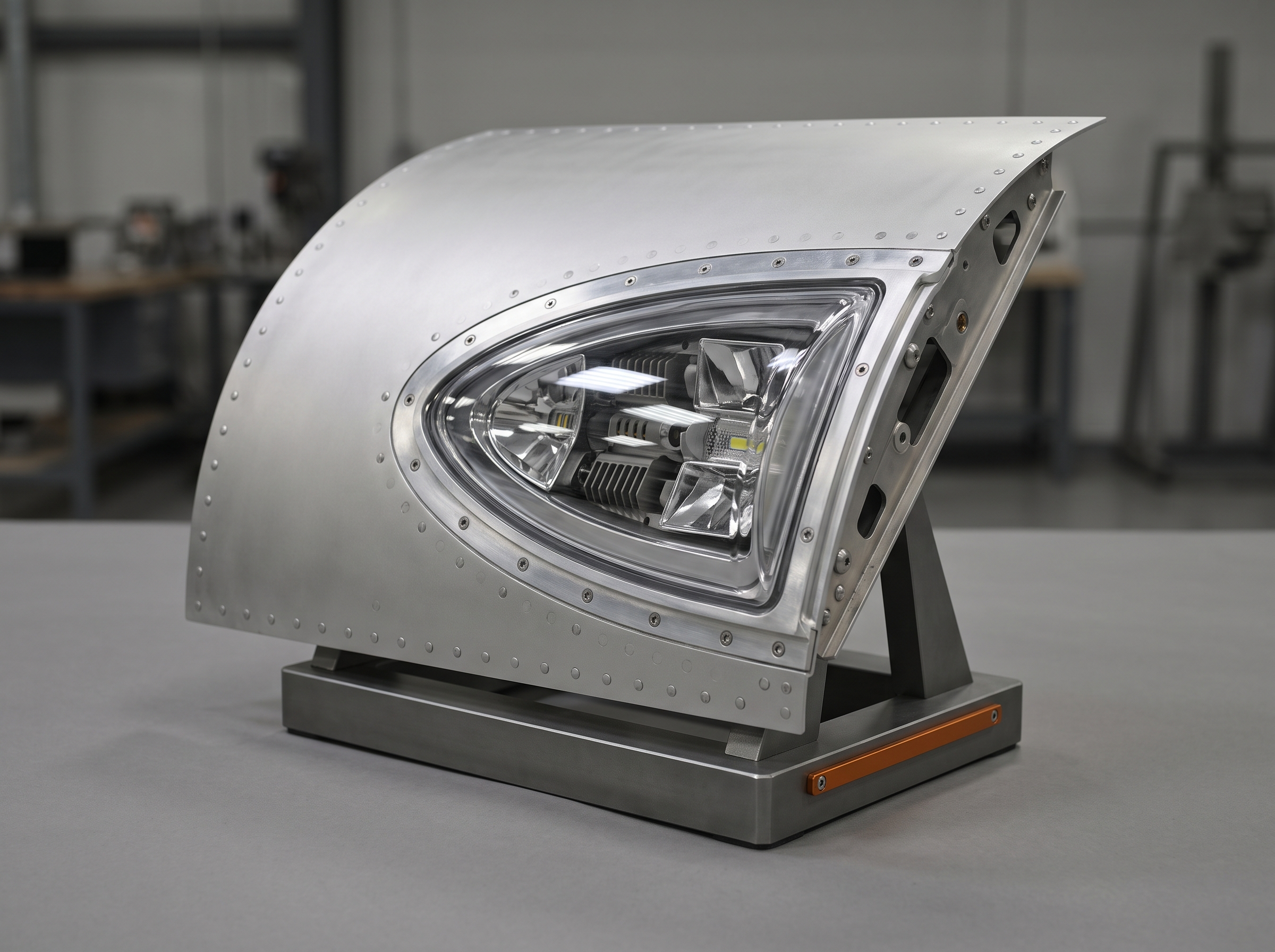
Astute will showcase Oxley’s specialist defence lighting capabilities in Munich. The electronica presentation covers tailored LED assemblies for aircraft, ships and land vehicles, with attention to optical performance, physical integration and environmental testing.
-

Allient Defense reported winning an exhibition award at AUSA 2026. Its Heroic Engineering presentation brought together motion control, propulsion, vehicle steering and advanced materials, with recognition directed at the exhibition experience rather than equipment performance.
-
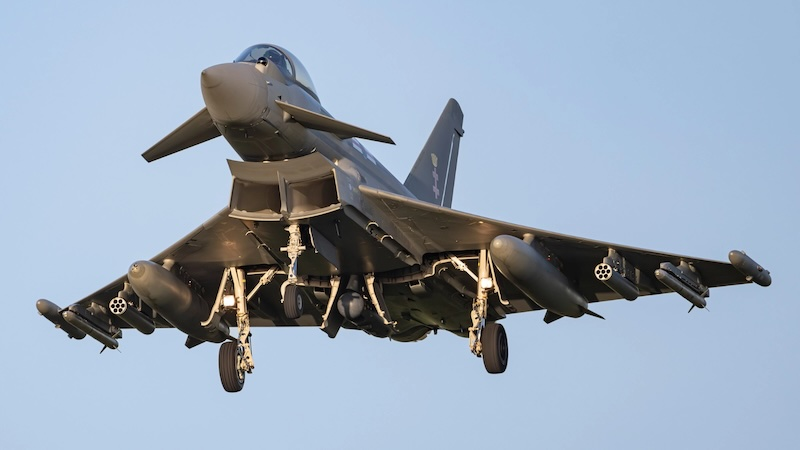
Britain will deploy RAF Typhoons for defensive Saudi air missions. The additional support includes an A400M transport aircraft, military advisers and extended air-to-air refuelling assistance, with the UK restricting its own Typhoon activity to defensive operations.
-
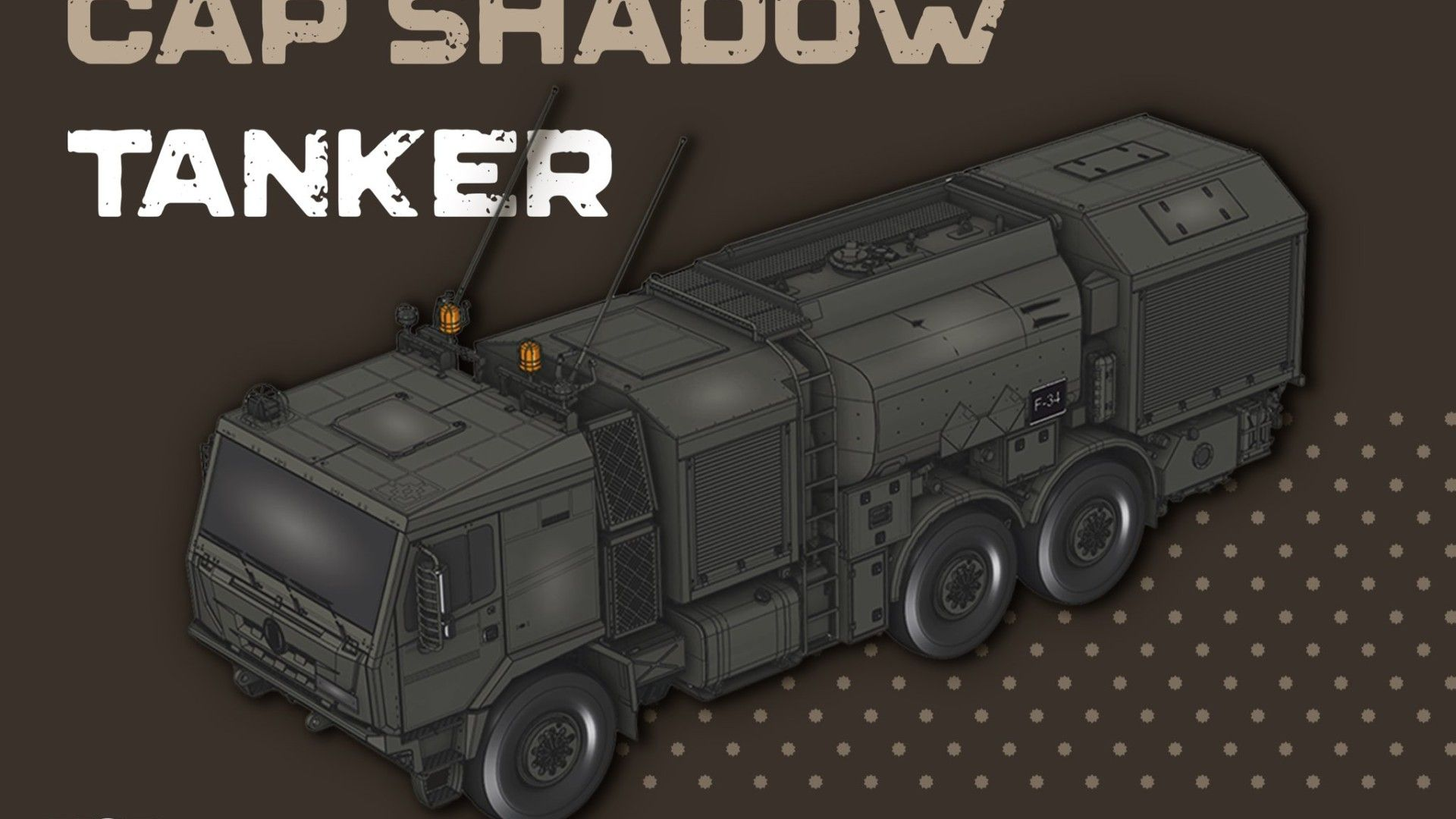
VOP CZ has presented its CAP SHADOW military tanker publicly. Unveiled in Prague on 21 October, the Tatra-based vehicle is designed to refuel ground equipment and aircraft, with a military framework signed in 2025.
-
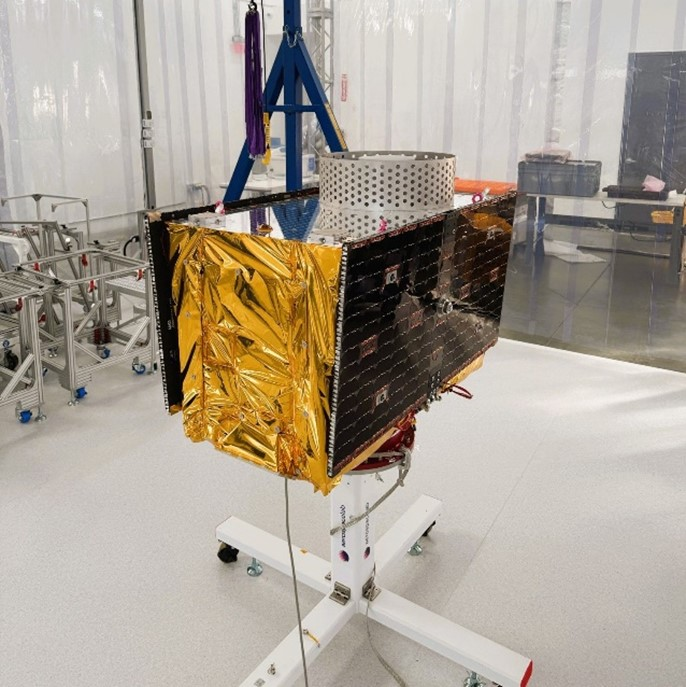
Canada has backed Xona satellite navigation manufacturing expansion in Montréal. The C$15 million federal contribution supports a C$64.8 million project for spacecraft development, testing and mission operations, with approximately 126 skilled jobs expected.
-
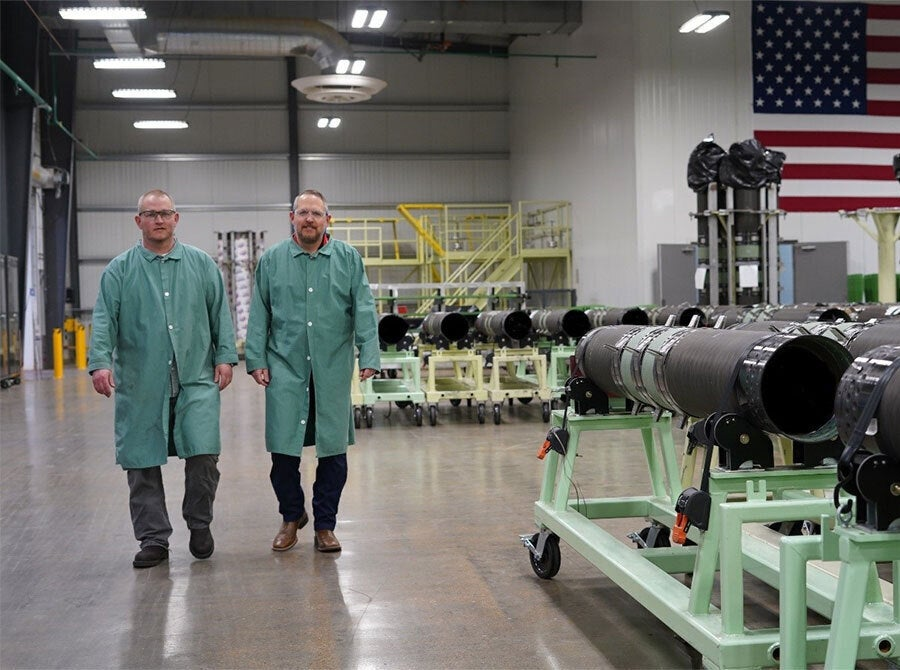
L3Harris has opened a solid rocket motor factory in Arkansas. The Camden facility is designed to double capacity for GMLRS propulsion, with production ramp-up and further government-supported investments still ahead.
-

Canada has awarded Kepler funding to develop satellite laser links. The two-year C$4.7 million project will examine direct spacecraft communications for more resilient data transfer, particularly across the Arctic and other remote regions.
-

Canada has secured priority launch pad access with Canadian NordSpace. The ten-year C$20 million agreement covers facilities in Newfoundland and Labrador, while individual missions and orbital launch capability remain separate future milestones.
-
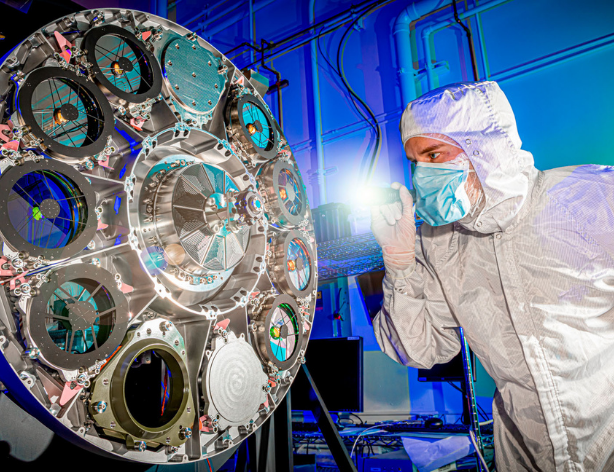
BAE Systems has purchased a new Colorado manufacturing facility outright. The 130,000sq ft Weld County building will be retrofitted for space hardware and sensor production, with an early 2028 start and workforce expansion planned.
-
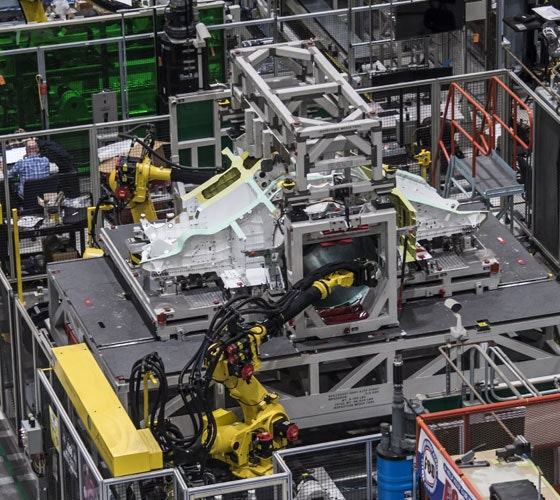
Lockheed Martin and the Pentagon have announced an F-35 framework. It covers 850 US aircraft over ten years and international orders, but formal purchases depend on congressional authority, appropriations and negotiated terms.