IN Brief:
- Boeing has received a ceiling-price order worth up to $241.34 million for F/A-18 flight-control surface repairs.
- Nine component configurations used on F/A-18E/F Super Hornets and EA-18G Growlers are included.
- Most work will take place in Jacksonville, Florida, with the six-year repair programme running to September 2032.
Boeing has received a US Navy delivery order worth up to $241.34 million for repair of nine configurations of flight-control surfaces used on F/A-18E/F Super Hornets and EA-18G Growler electronic-attack aircraft.
The ceiling-price order sits under an existing basic ordering agreement and contains no option provision. Work is scheduled to continue until September 2032, with 83% performed in Jacksonville, Florida, and 17% at Boeing’s St Louis operation in Missouri.
The Navy is obligating $60.335 million in fiscal 2026 working-capital funding at award, representing one quarter of the maximum value. A further $181.005 million remains committed to fund the order up to its $241.34 million ceiling.
The contract does not identify the nine flight-control surface configurations, so assigning individual ailerons, rudders, stabilators, or other structures to the award would go beyond the information released by the Navy. What is confirmed is a multi-configuration repair programme serving both the Super Hornet and Growler fleets.
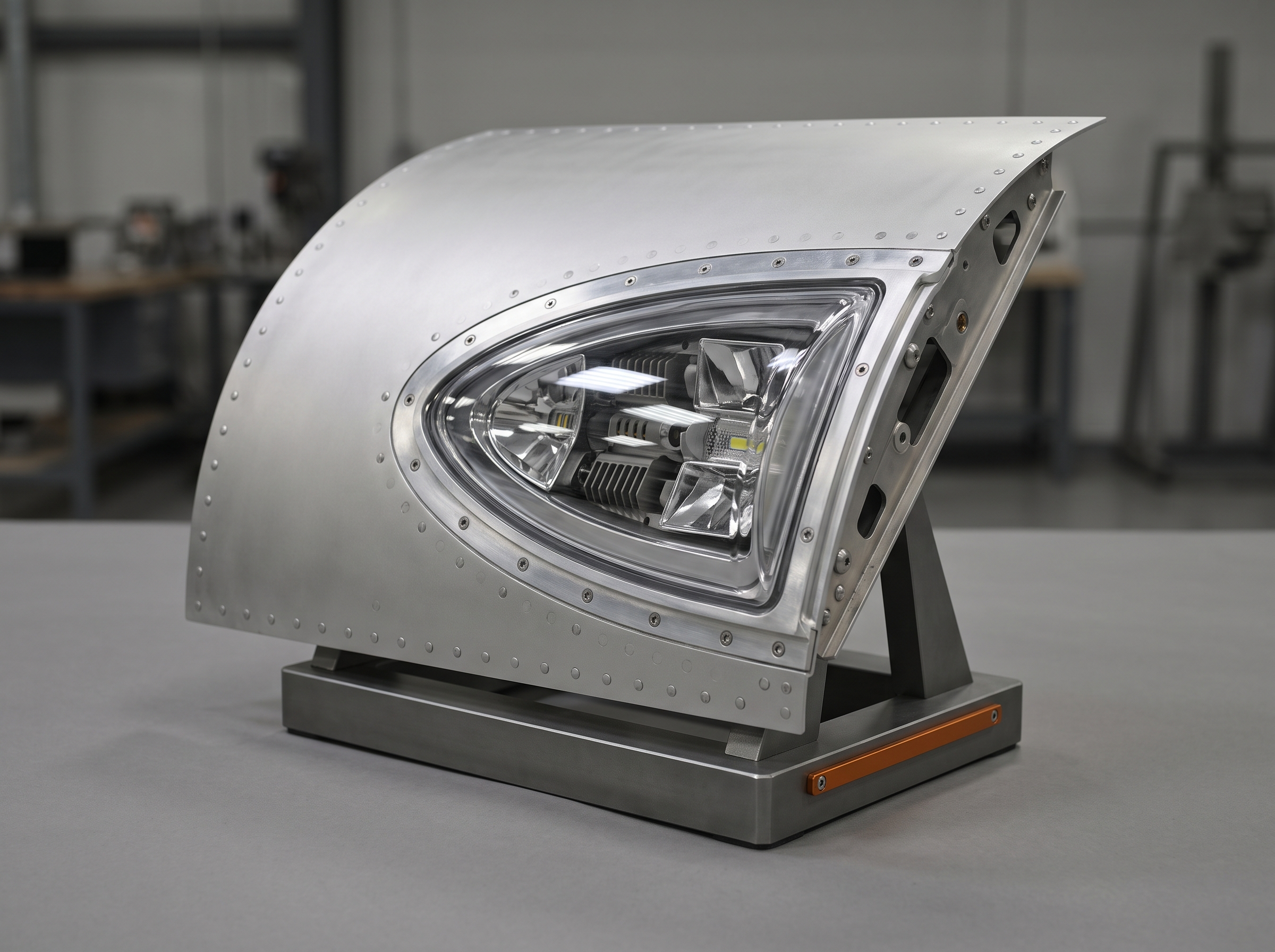
Flight-control surfaces operate under demanding structural conditions on combat aircraft. They have to tolerate aerodynamic loading, repeated manoeuvre cycles, vibration, weather exposure, and the broader stresses associated with carrier aviation while maintaining the geometry and mechanical integrity needed for predictable aircraft response.
Components removed because of damage, wear, or scheduled inspection enter a sustainment chain that extends beyond a repair workshop. The Navy needs a serviceable replacement available for the aircraft, while the removed item has to be inspected, routed to an approved repair process, restored, tested, documented, and returned to the supply system.
A shortage of those repairable assemblies can turn into an aircraft-availability problem even when engines, avionics, weapons, and crews are otherwise ready. Sustainment programmes therefore manage component turnaround and inventory alongside the actual engineering work required to return each surface to service.
The common ancestry of the Super Hornet and Growler gives Boeing a large installed base to support. The EA-18G is derived from the two-seat F/A-18F and retains substantial airframe commonality while replacing the strike-fighter mission with an electronic-attack configuration built around specialised sensors, jamming systems, and mission equipment.
Airframe commonality can reduce the number of wholly separate repair systems needed across the two fleets, but it does not eliminate configuration management. The nine configurations covered by the September order have to remain tied to the aircraft and approved repair data for which each is certified.
Boeing’s St Louis site retains the F/A-18 engineering and manufacturing base, while the much larger share of repair activity under this contract will be carried out in Jacksonville. That split allows recurring sustainment work to be concentrated at a repair location while maintaining access to the original design and engineering organisation when a component raises a configuration or technical-authority question.
Repair engineering also differs from new production. Incoming parts arrive with varying condition, damage history, and accumulated service life, requiring inspection before a repair route can be selected. Some assemblies can be restored using established procedures, while others may need additional engineering disposition or be rejected if damage exceeds allowable limits.
Quality control then has to demonstrate that a repaired component has returned to its approved configuration. Structural measurements, mechanical checks, surface treatment, non-destructive inspection, records, and final release processes become part of the availability chain, particularly for parts subject to significant aerodynamic loads.
The six-year duration gives the Navy a stable route for those repairs as both aircraft types continue in service. Boeing marked the Growler’s twentieth anniversary of first flight in August, underscoring that the fleet is now supported through a mature airframe sustainment system even as its electronic-warfare capability continues to evolve.
That combination is increasingly typical of combat-aircraft fleets. New sensors, weapons, and software can keep an established platform operationally relevant, but the aircraft still depends on structural components that must be inspected and repaired to the same disciplined standard throughout its service life.
The September order is therefore less dramatic than a new aircraft purchase but no less concrete as an availability measure. Nine flight-control surface configurations now have a funded Boeing repair route extending to 2032, giving the Navy a long-term mechanism for returning those assemblies to the Super Hornet and Growler supply system.