
Features
-

Q3 pushed defence expansion deeper into factories, suppliers and shipyards. Missile, submarine, combat-air and counter-UAS programmes increasingly relied on long-term capacity investment rather than procurement intent alone.
-

Defence AI ambitions depend on resilient, rapidly deployable computing infrastructure. Anthony Soares, Defence Lead at EfficiencyIT, explains how prefabricated modular data centres can bridge the gap between digital strategy and operational reliability.
-

GNSS disruption threatens navigation, timing, infrastructure, and operational continuity worldwide. Prof Aled Catherall of Plextek examines why layered PNT resilience is becoming an economic and security imperative.
-

Subsea cable vulnerabilities are intensifying pressure for resilient connectivity infrastructure. Tudor Williams, CTO at Filtronic, argues that satellite networks and advanced RF technology can provide a critical second layer for UK communications.
-

MOSA expands modular reuse across increasingly software-defined defence platforms worldwide. Joseph M. Saunders, Founder and CEO of RunSafe Security, examines why SBOM visibility, verification, and common security standards must underpin trusted open architectures.
-
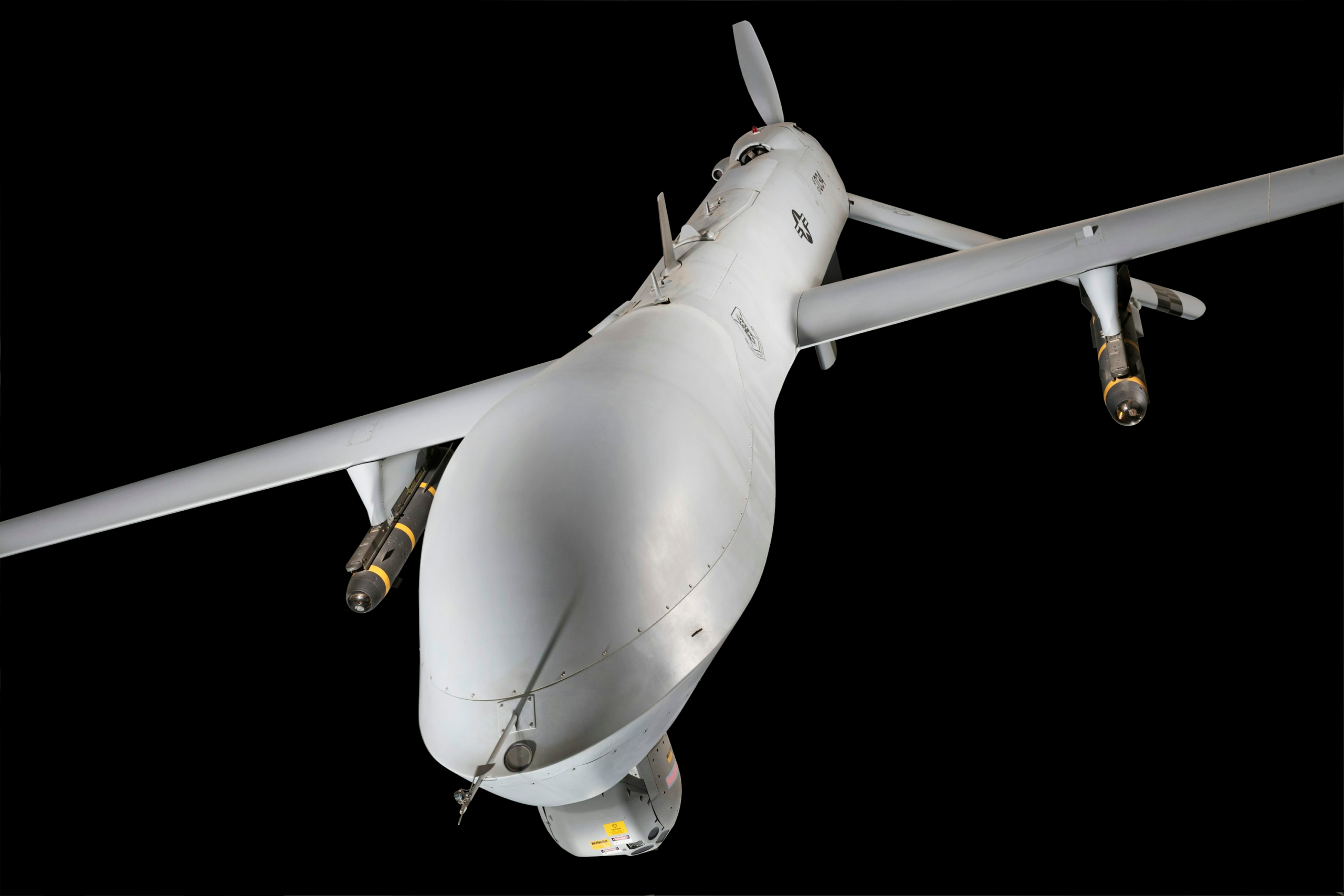
Australia has fixed six defence technology priorities for the decade. Research, industry, and procurement activity will concentrate on long-range fires, lasers, autonomy, quantum systems, artificial intelligence, and undersea warfare.
-

Australia is establishing its first secure national Defence Research Centre. The inaugural programme will connect government, industry, universities, and research organisations around operational energy technology.
-

Defence dealmaking reached record volume during 2026’s first half globally. Flat aggregate value alongside rising transaction numbers shows investors concentrating on specialist technologies, engineering teams, test assets, and production capacity.
-

Defence electronics demand semiconductor strategies built for decades of service. Ross Turnbull, Director of Business Development and Product Engineering at Swindon Silicon Systems, explains how early ASIC decisions can reduce failure points, obsolescence risk, and redesign pressure.
-

Defence spending rose again, while production constraints remained stubbornly familiar. Q2 linked missile bottlenecks, drone scale-up, combat-air rivalry, and naval delay to industrial limits exposed over several years.