
News
-
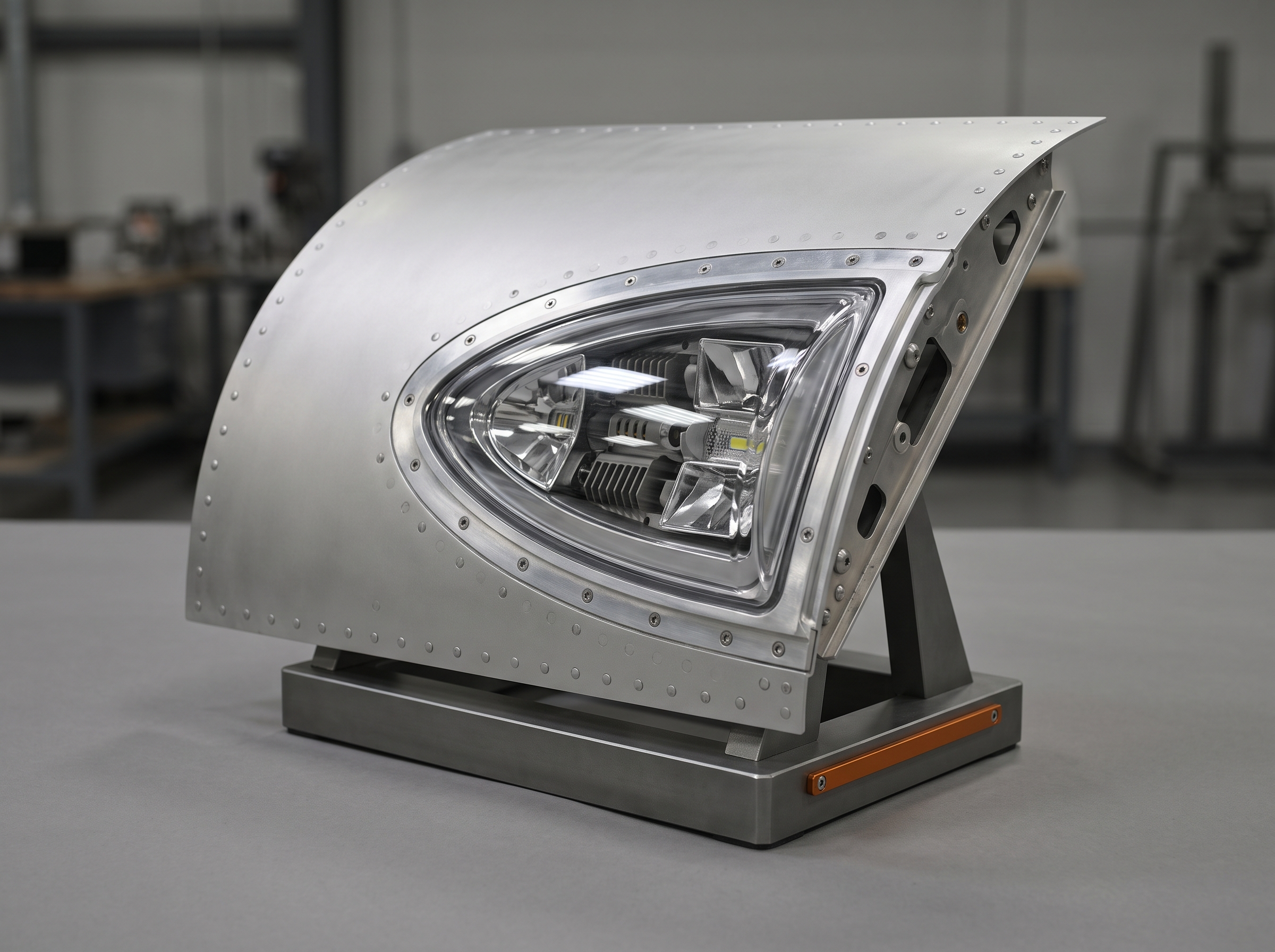
Astute will showcase Oxley’s specialist defence lighting capabilities in Munich. The electronica presentation covers tailored LED assemblies for aircraft, ships and land vehicles, with attention to optical performance, physical integration and environmental testing.
-

Allient Defense reported winning an exhibition award at AUSA 2026. Its Heroic Engineering presentation brought together motion control, propulsion, vehicle steering and advanced materials, with recognition directed at the exhibition experience rather than equipment performance.
-
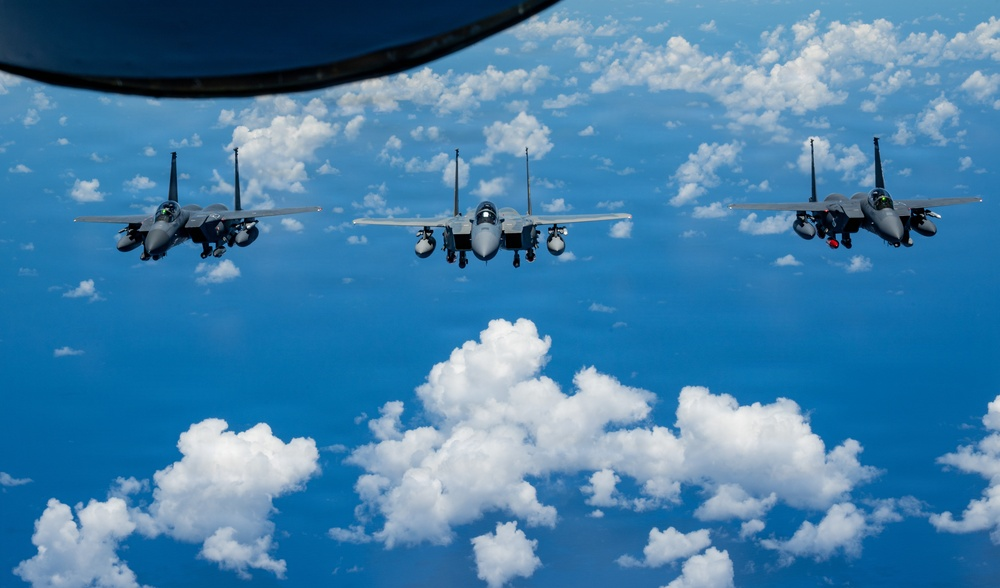
International experts met in London to examine chemical weapons threats. The Dstl-hosted conference addressed destruction, forensic verification, emerging analytical methods and the specialist skills needed to investigate and manage hazardous materials.
-
British military and NHS specialists tested joint casualty response plans. More than 100 participants examined how patients returning from overseas operations would reach civilian care, drawing on experience from Ukraine and identifying medical technology priorities.
-
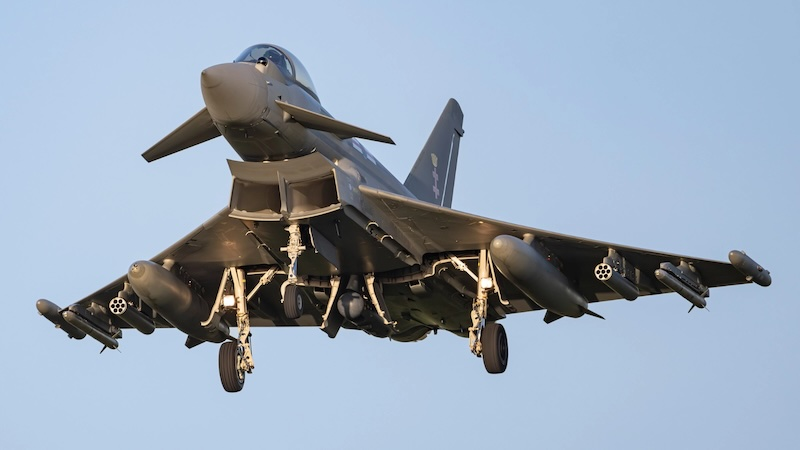
Britain will deploy RAF Typhoons for defensive Saudi air missions. The additional support includes an A400M transport aircraft, military advisers and extended air-to-air refuelling assistance, with the UK restricting its own Typhoon activity to defensive operations.
-
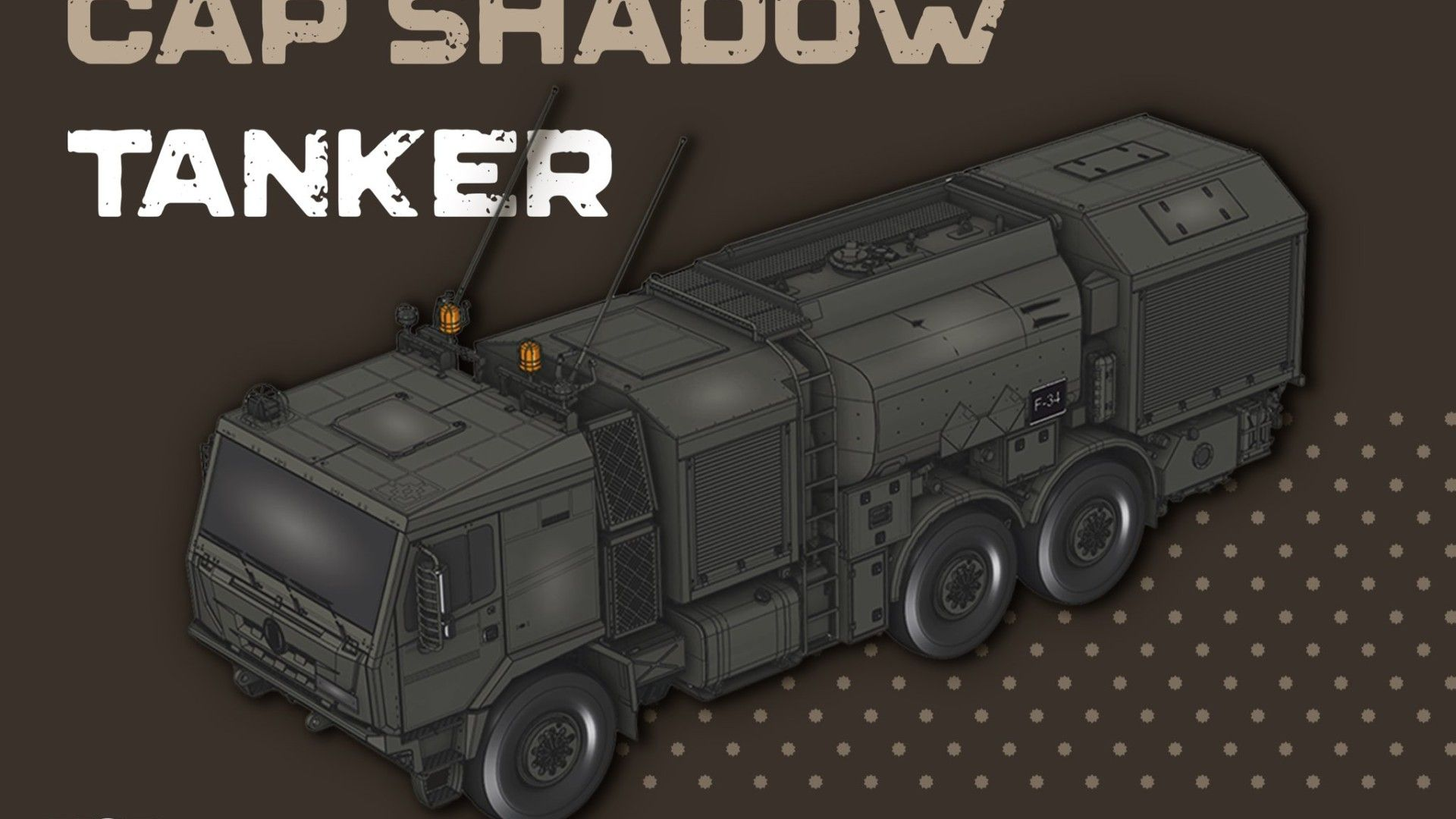
VOP CZ has presented its CAP SHADOW military tanker publicly. Unveiled in Prague on 21 October, the Tatra-based vehicle is designed to refuel ground equipment and aircraft, with a military framework signed in 2025.
-
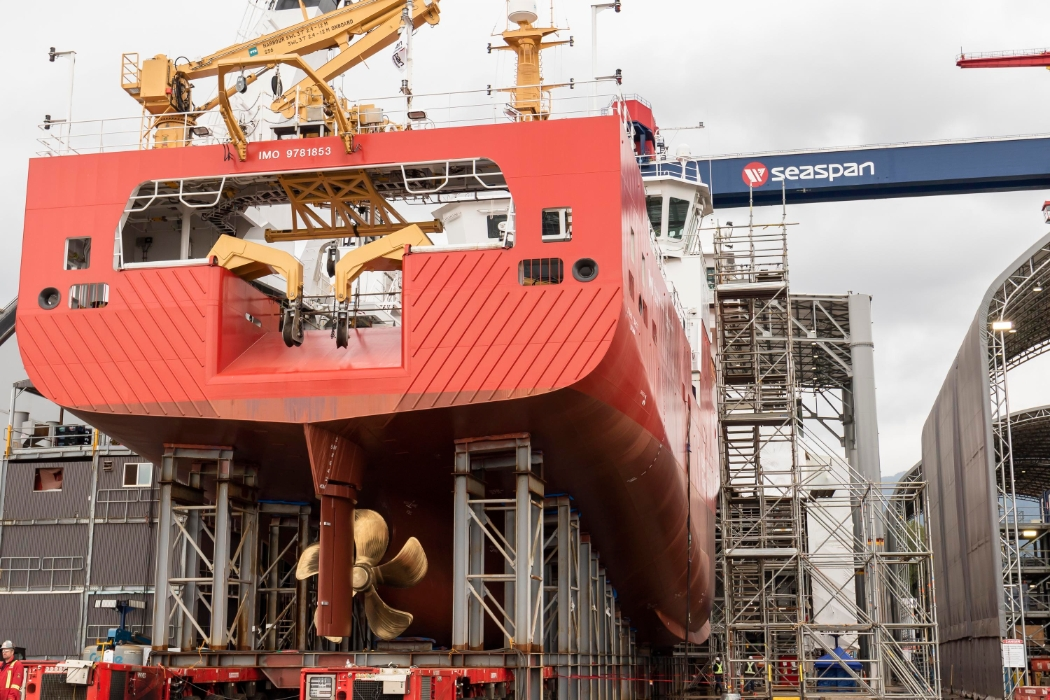
Seaspan and BDC have agreed to support Canadian shipbuilding suppliers. Their non-binding memorandum links industrial opportunities with financing, advice and commercial introductions, without allocating a dedicated sum or guaranteeing contracts to participating businesses.
-
Seaspan has established a fund for Canadian defence technology businesses. The shipbuilder intends to combine minority equity investments with manufacturing expertise and industry access, but has not disclosed the fund’s size or initial investments.
-
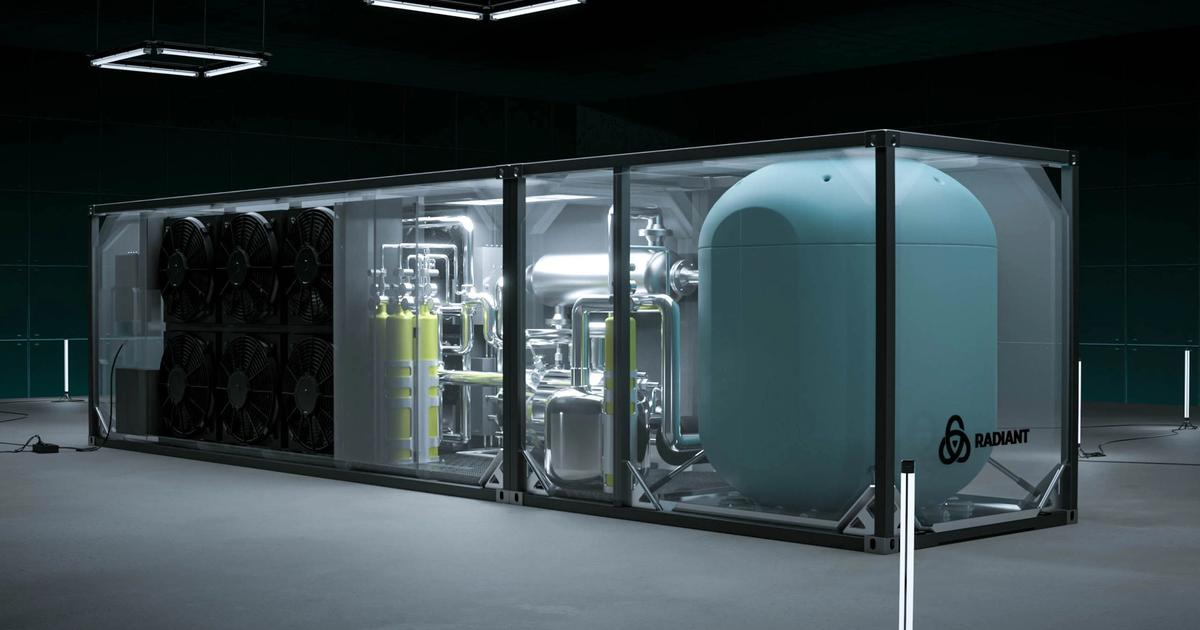
Radiant has been selected for a proposed naval microreactor installation. Its Kaleidos design could supply electricity at Naval Weapons Station Crane, subject to prototype testing, environmental review and regulatory coordination.
-
US Army engineers have tested three experimental guided artillery projectiles. Trials at Yuma Proving Ground examined the XM1180 target seeker, with subsequent work planned for GPS-denied operation and the future XM1230 projectile.