
News
-
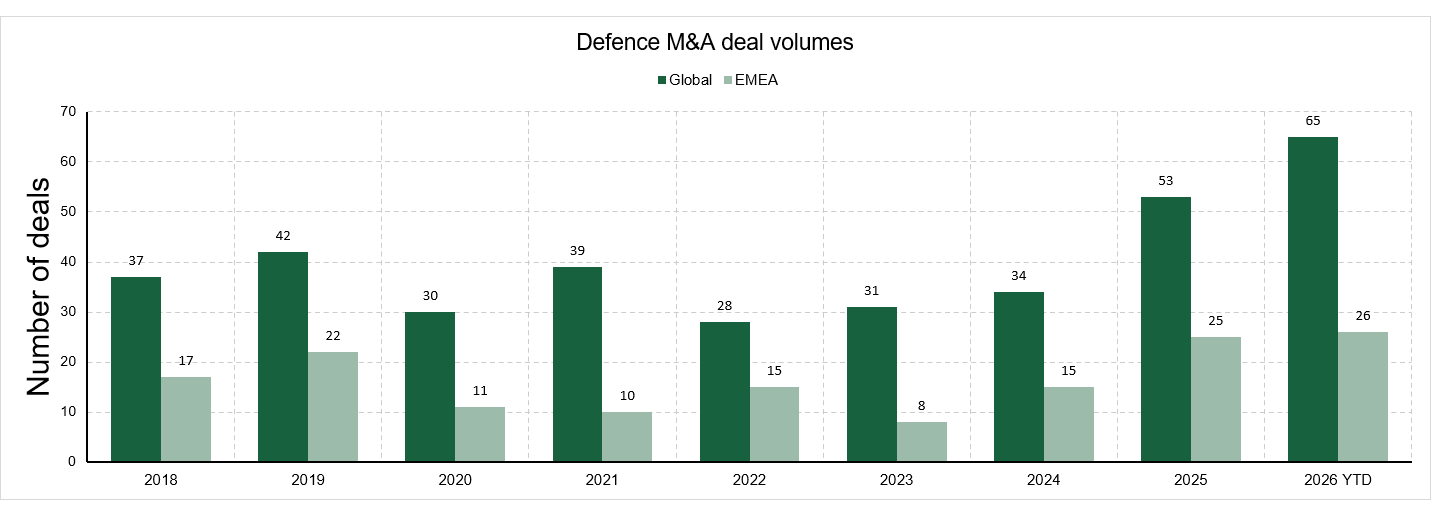
Global defence dealmaking has surpassed last year’s recorded transaction total. White & Case and Mergermarket recorded 65 transactions during January–September 2026, while disclosed deal values rose sharply in the third quarter, led by EMEA.
-
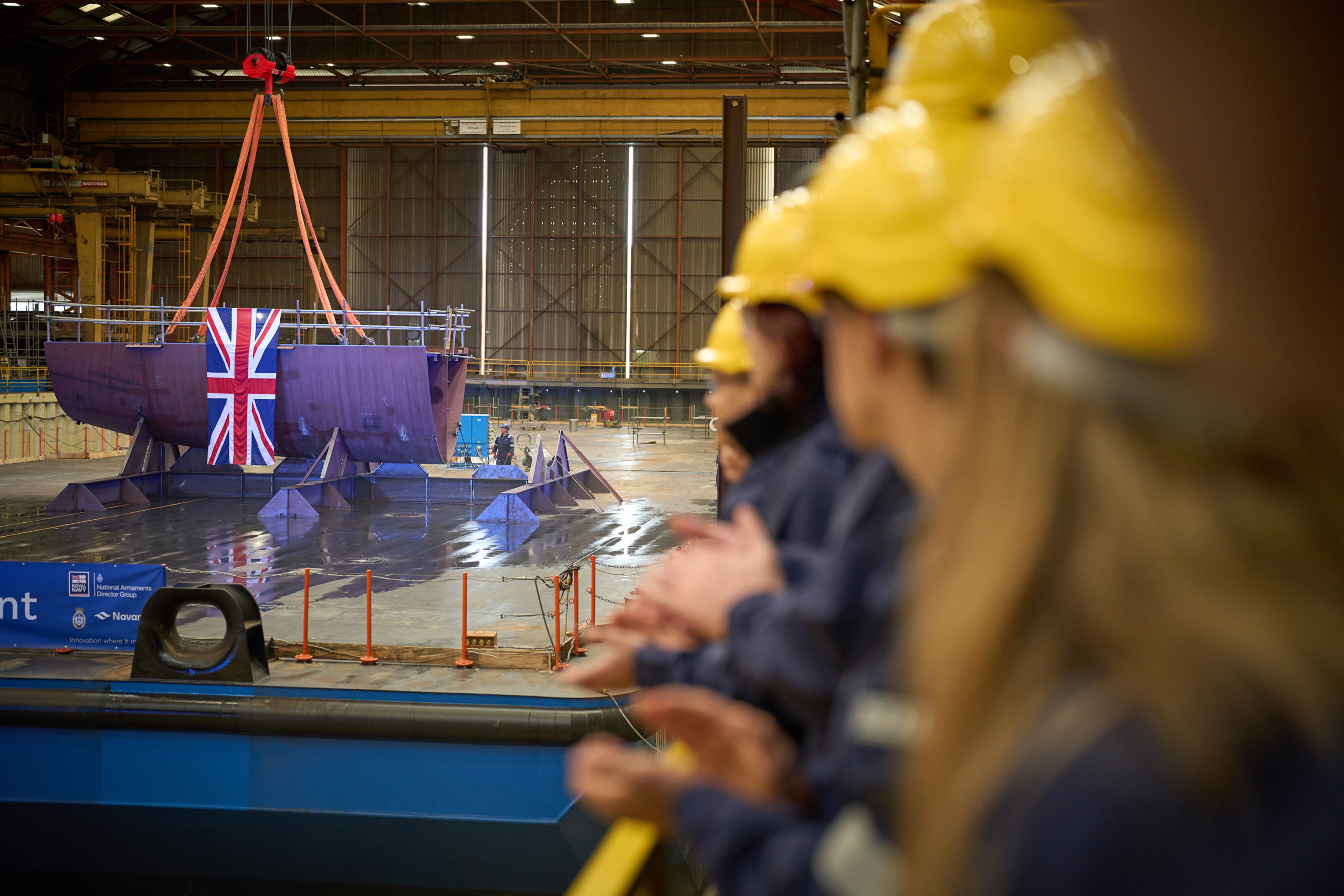
Navantia and Multiverse Computing will investigate embedded naval artificial intelligence. Their agreement covers compact models, sensor processing, mission planning and shipboard integration, with no operational installation or procurement contract yet announced.
-
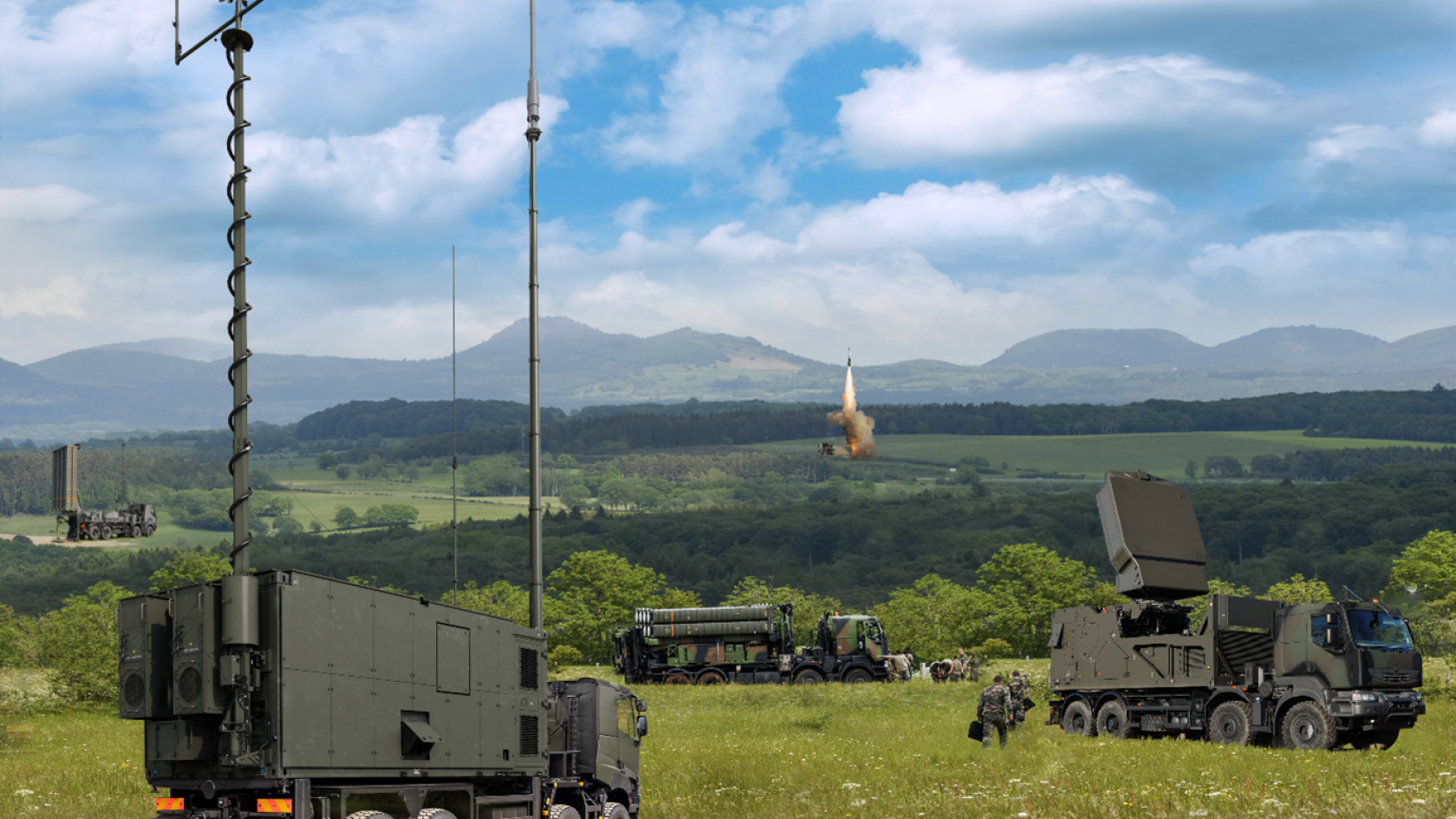
France has ordered four additional SAMP/T NG air defence sections. The latest procurement raises its total to twelve, with ten sections scheduled for delivery by the end of 2030 under the French programme.
-
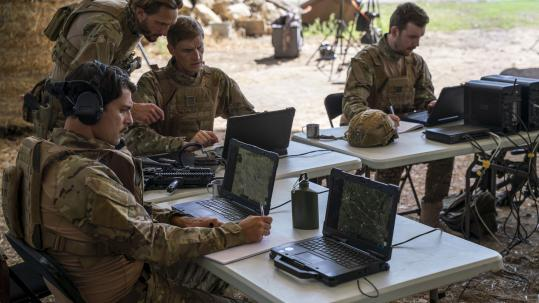
Thales reported €11.3bn in defence orders through September this year. Nine-month intake rose 14%, while defence sales increased 13.3%; third-quarter order intake nevertheless declined against the comparable period in 2025.
-
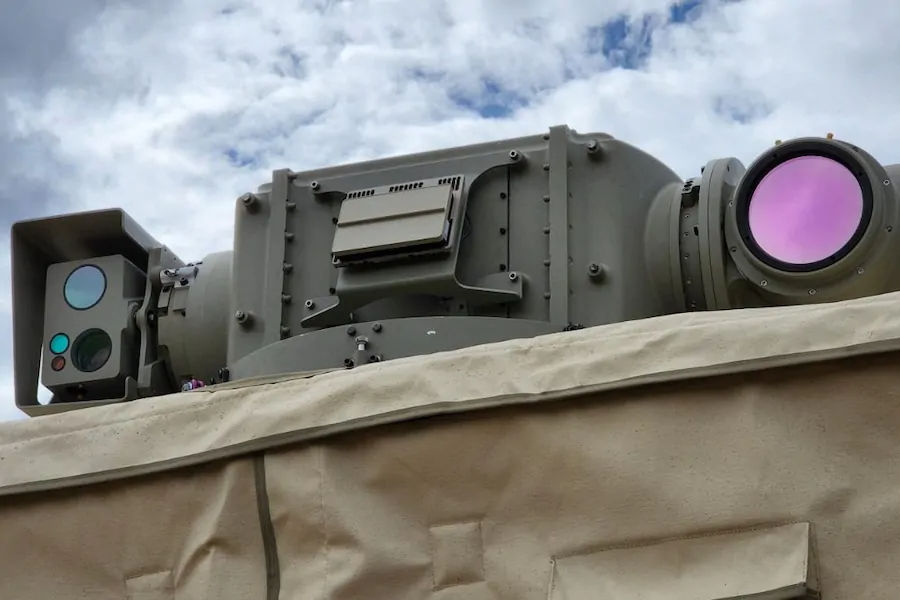
EOS and VOP CZ will explore Czech armoured vehicle cooperation. Their memorandum covers possible remote weapon system integration and industrial support, without confirming a vehicle order, selected weapon station or production commitment.
-
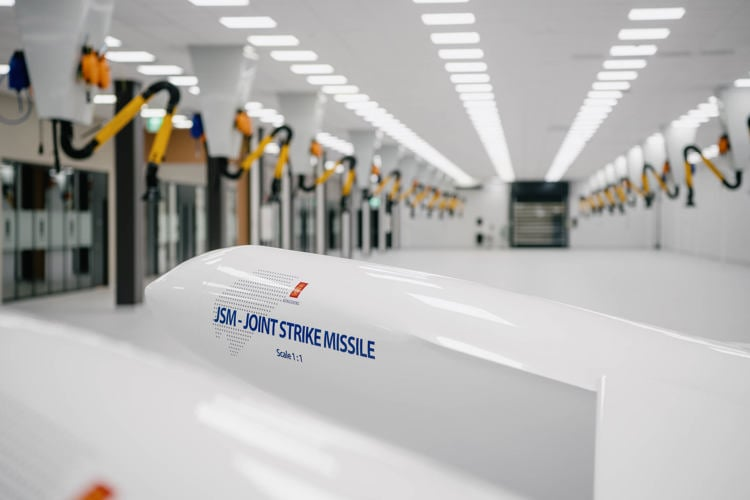
Denmark plans to equip its F-35 aircraft with Norwegian missiles. Kongsberg has confirmed the Joint Strike Missile selection, but quantities, price and delivery dates remain subject to negotiations and a signed contract.
-
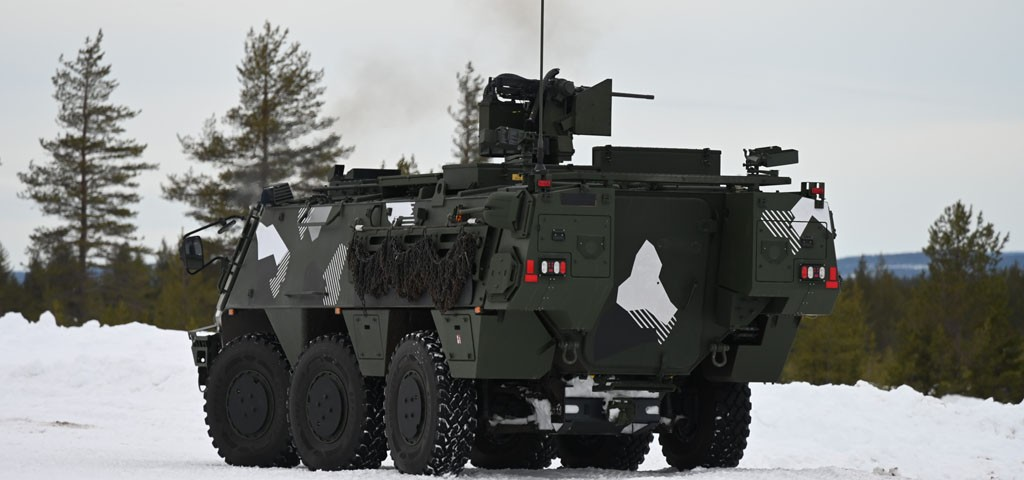
Kongsberg will supply remote weapon stations for Poland’s K2 vehicles. The NOK700 million Hyundai Rotem agreement covers tanks and two support variants, with first deliveries for integration scheduled in spring 2027.
-

Rheinmetall has opened its British gun manufacturing facility in Telford. The plant is already making large-calibre components, with a designed annual capacity of 245 barrels and more than 50 breeches at peak output.
-

Watchtower has raised fresh capital for military logistics planning software. Its $35 million seed round supports AI, simulation and optimisation tools for analysing constrained supply and transport plans, following a US defence prototype award.
-

Leidos has secured another major military cyber operations support contract. The $160 million, five-year US Cyber Command award covers network defence, threat analysis, operational planning and coordination, but does not disclose individual missions or technical deployments.