IN Brief:
- Marotta has received two subsystem awards supporting Next Generation Jammer – Low Band engineering and manufacturing development.
- Its work covers ram-air-turbine speed control and power-conversion technology within the L3Harris-led jammer pod.
- NGJ-LB is being developed for the EA-18G Growler to replace low-band functions of the ageing AN/ALQ-99 system.
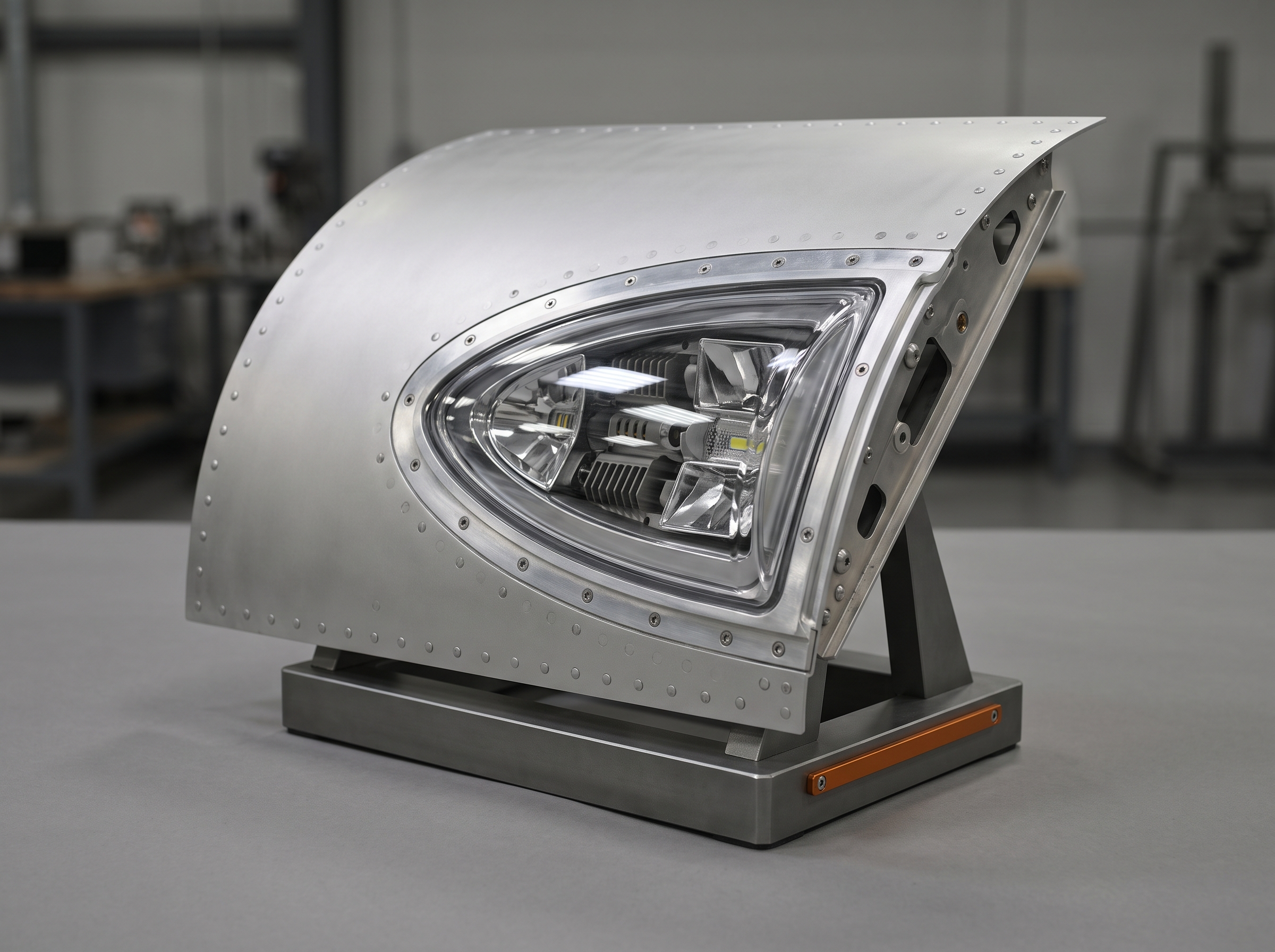
Marotta Controls has secured two subsystem awards supporting the US Navy’s Next Generation Jammer – Low Band programme, bringing its turbine-control and power-conversion technology into the engineering and manufacturing development phase of the EA-18G Growler’s future low-band electronic-attack system.
One award is a subcontract from CFD Research covering the Turbine Speed Control System within the pod’s ram-air-turbine power-generation assembly. Marotta has also received a direct award from programme prime L3Harris Technologies, placing separate elements of its power and actuation portfolio inside the same jammer development effort.
No value has been disclosed for either award. They are engineering and manufacturing development contracts for subsystems rather than production orders for complete jammer pods, so the immediate task is design maturity, integration, qualification, and test rather than volume manufacture.
Next Generation Jammer – Low Band is intended to replace the low-band functions of the ageing AN/ALQ-99 Tactical Jamming System carried by the EA-18G Growler. The US Navy awarded L3Harris a $587.4 million engineering and manufacturing development contract in 2024 covering final design activity, eight operational prototype pods, and additional test assets for airworthiness and verification.
Australia is also a cooperative partner in the Low Band programme, reflecting its operation of the EA-18G alongside the US Navy. The new system is being developed to provide electronic attack against emitters operating in the lower part of the spectrum while giving operators a more modern architecture than the equipment it replaces.
That mission creates a demanding electrical-power problem inside an external aircraft pod. High-power electronic-attack equipment has to generate and process radio-frequency energy while remaining within limits for weight, aerodynamic drag, heat rejection, structural loading, and aircraft integration. The jammer cannot simply draw unlimited power from the Growler without affecting the host platform.
A ram-air turbine provides a dedicated source by extracting energy from the airflow around the aircraft. Marotta’s speed-control work sits inside that generation chain, regulating turbine behaviour as airspeed and operating conditions change. Too little speed reduces available power; uncontrolled overspeed creates mechanical and electrical risks and can damage the system it is intended to support.
The second award adds Marotta’s power-conversion technology to the programme. Conversion hardware conditions generated electricity into the voltages and power quality required by internal equipment, which means efficiency, thermal performance, electromagnetic compatibility, and fault behaviour become part of jammer reliability.
Those subsystems are rarely the visible part of an electronic-warfare programme, but they set practical limits on the radio-frequency hardware and processors that perform the mission. Every watt that is generated, converted, or lost as heat has to be managed within a pod operating outside the aircraft across a wide range of temperatures and flight conditions.
Marotta has been expanding the industrial base behind its power and actuation business. In July, it opened a dedicated Power and Actuation Systems centre in Parsippany, New Jersey, bringing engineering, development, manufacturing, assembly, and test into one facility. The company has described power and actuation as its fastest-growing product line, giving the NGJ-LB work a direct connection to recent capacity investment.
The wider jammer remains in development. L3Harris is expected to deliver operational prototypes and test units for airworthiness, function, and aircraft-integration work before the programme can move towards a production decision. Subsystem suppliers therefore have to satisfy requirements for vibration, environment, electromagnetic compatibility, maintainability, and configuration control as part of a much larger pod architecture.
Low Band should also be kept distinct from the Mid-Band increment of the Next Generation Jammer family. Both replace parts of the AN/ALQ-99 mission, but they cover different frequency ranges and follow separate development and production tracks. Marotta’s awards relate specifically to Low Band and do not imply participation in Mid-Band production.
The distinction matters as the Navy modernises airborne electronic attack incrementally rather than replacing the complete jamming suite in one step. Each pod has to integrate with the Growler and the wider mission system while remaining supportable through future software and hardware updates.
For Marotta, the two awards move the company into airborne electronic warfare through functions that sit below the signal-processing layer but remain essential to it. The next milestones will come through system-level qualification and flight testing, where power generation and conversion have to perform under the same vibration, temperature, aerodynamic, and electrical conditions as the jammer electronics they support.
The pod may be software-intensive, but it still depends on mechanical and electrical engineering every time it leaves the ground. Marotta’s contribution is to keep that energy generation and conditioning stable enough for the electronic-attack system to operate as designed.