IN Brief:
- Allient Defense says its Heroic Engineering campaign received Best in Show at AUSA in Washington on 12–14 October.
- AUSA defines the award around an exhibition experience’s design, presentation and creativity, separately from its product award.
- Allient displayed unmanned aircraft propulsion, electric steering, motion controls and materials technology; no new contract arose from the award announcement.
Allient Defense has reported receiving the Best in Show award at the Association of the United States Army (AUSA) 2026 Annual Meeting & Exposition for its Heroic Engineering exhibition campaign. The recognition relates to the design and presentation of the company’s display rather than independently measured performance of the defence equipment demonstrated there.
Allient announced the result on 22 October, following the exhibition held in Washington, D.C., from 12 to 14 October. The company credited the campaign to collaboration between its staff and three specialist partners: Agency 15, RES Exhibit Services and Technology Online Group.
AUSA describes Best in Show as an award for the overall design, presentation and creativity of an exhibition experience. It is distinct from the association’s Best New Product or Service category, which concerns products launched during a specified eligibility period. Allient has not reported a separate engineering performance award or new equipment procurement arising from the campaign.
The manufacturer’s statement identifies Heroic Engineering as the campaign that brought together the exhibits and visitor experience. It does not disclose an independently assessed score for technical novelty, production quality or operational effectiveness. The recognition is therefore appropriately reported as an exhibition award rather than a certification of any product on display.
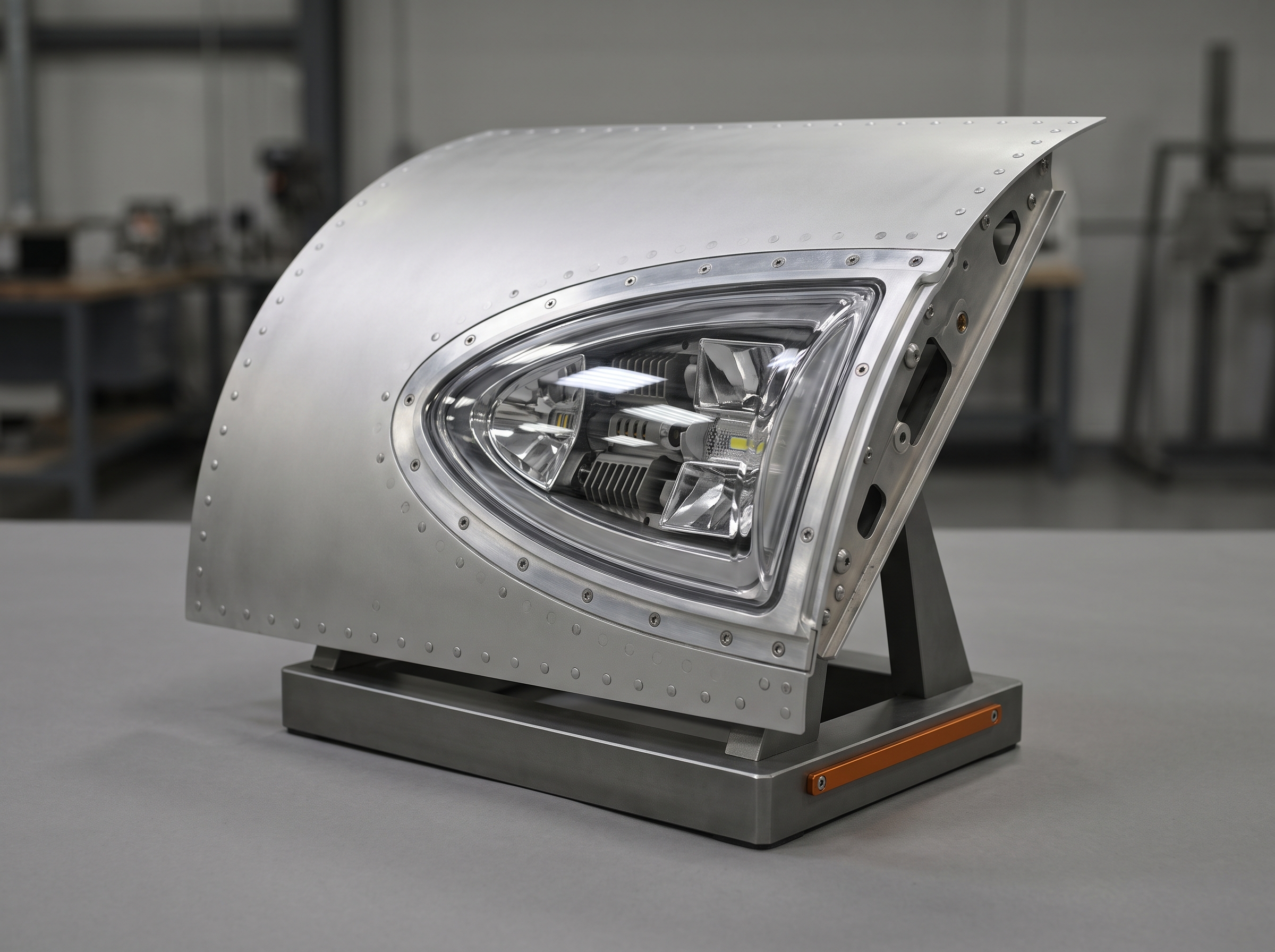
Allient had already outlined the technical programme for its stand on 8 October. The exhibits covered uncrewed aircraft propulsion, counter-uncrewed aircraft applications, ground vehicle steering, precision motors, drives, controllers and lightweight materials. Four live demonstrations were planned to show selected technologies and their integration into representative systems.
Those demonstrations comprised a gimbal, an electric power steering simulator, an uncrewed aircraft hangar storage system and an uncrewed aircraft propulsion system. The announcement does not establish that these were new production releases or that any one of them had completed a particular military qualification programme at AUSA.
An electric motor provides rotational movement by converting electrical input into mechanical output. Its suitability for a defence application depends on the required torque, speed, duty cycle and operating conditions. The motor must also be compatible with the available supply and the electronic controls responsible for managing its operation.
For uncrewed aircraft, propulsion equipment must be selected in conjunction with the rest of the aircraft. Mass, electrical consumption and thermal performance affect how a motor and drive are integrated, while the operating limits of the complete propulsion system require testing in the intended platform configuration.
Allient’s advertised unmanned aircraft portfolio includes motors and drives as well as storage and deployment equipment. A hangar system presents different engineering requirements from airborne propulsion, including mechanical movement, environmental protection, electrical controls and interfaces needed to prepare or accommodate the aircraft.
The gimbal demonstration represented another application of controlled motion. A gimbal can support sensors or other equipment requiring managed orientation, with actuators, feedback devices and controllers working together to direct the mounted assembly. Performance depends on the load, available movement range and disturbances experienced by the platform.
Precision motion products such as frameless motors and servo drives can be integrated into mechanisms where available installation space is limited. Frameless motors allow designers to incorporate the active motor elements within a larger assembly, but the surrounding structure, bearing arrangement and thermal design remain part of the engineering work.
Servo drives and controllers regulate movement using the available command and feedback signals. The resulting system must be configured to the mechanism being controlled, with considerations including electrical compatibility, load changes and the behaviour required when operating conditions deviate from the expected range.
Ground vehicle technologies at the stand included electric power steering, steering actuators, steering shafts, rack-and-pinion equipment and drive motors. These components can contribute to steering or other vehicle movement functions, although the exact arrangement depends on the vehicle architecture and whether a conventional or remotely controlled operating arrangement is intended.
Electric power steering uses an electric actuator to provide assistance or controlled steering force. The control system needs suitable input and feedback information, while the mechanical installation must transmit the required loads and remain compatible with the vehicle’s operating environment.
A steering simulator can demonstrate the relationship between command input and actuator response without constituting proof that the equipment has passed every road, military or off-road acceptance test. Allient did not publish benchmark results or identify a newly certified vehicle installation as part of its award announcement.
The exhibition also addressed integrated solutions combining motion, electrical power and control products. Integration can reduce the number of separately specified interfaces for a customer, but it requires coordinated mechanical, electrical and software engineering before an assembly can be accepted for a particular platform.
Advanced materials and composite structures formed another part of the portfolio. Lower mass may be useful where a vehicle or aircraft has strict weight limits, but a component must retain the strength, durability and environmental performance required for its role. The company did not disclose test figures for new composite products at the event.
Allient also highlighted self-sealing fuel systems among its wider offerings. Such systems are intended to address specified damage and containment requirements, with the performance of an individual installation dependent on material selection, construction and the conditions covered by its qualification programme.
Allient operates across motion, controls, power and advanced materials markets, with its defence business drawing on expertise used in other industrial sectors. The parent company, headquartered in Buffalo, New York, reports more than 2,500 employees internationally.
Steve Warzala, president of Allient Defense, credited the award to the work of the team and its campaign partners. The company made no corresponding announcement of an equipment order, manufacturing investment or defence programme selection linked to receiving Best in Show.
The October development establishes recognition of Allient’s presentation at AUSA and documents the breadth of equipment the business chose to demonstrate. Whether those discussions produce future engineering evaluations or customer awards will depend on separate decisions and contracts, none of which was disclosed with the award.