
Land
-
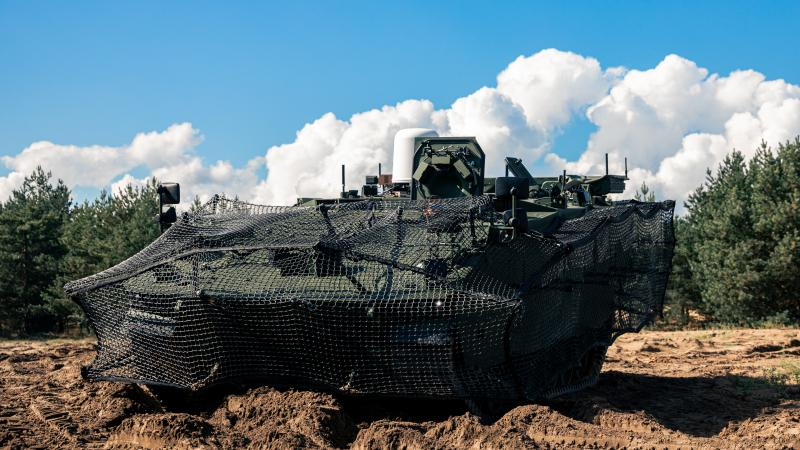
NATO partners are testing connected defence systems across Latvian bases. DiBaX 2026 combines communications infrastructure, counter-drone equipment and targeting trials, bringing together nearly 100 suppliers from more than 20 countries.
-
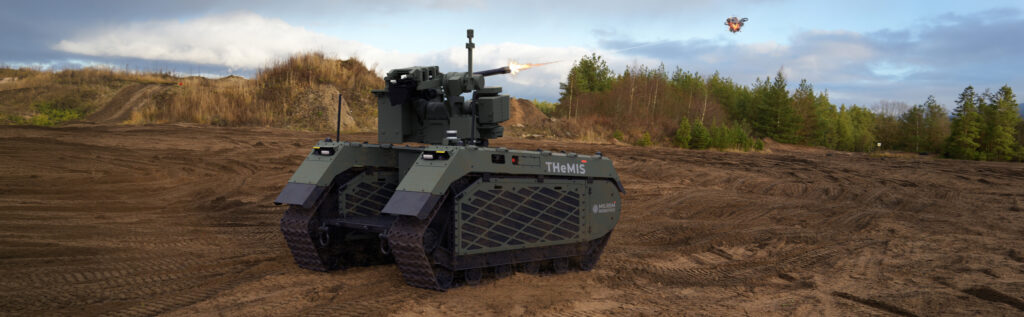
European partners have demonstrated interoperable unmanned ground systems in trials. Leonardo coordinated three simulated scenarios testing shared software and control interfaces across robotic platforms, with human operators retaining supervisory authority.
-
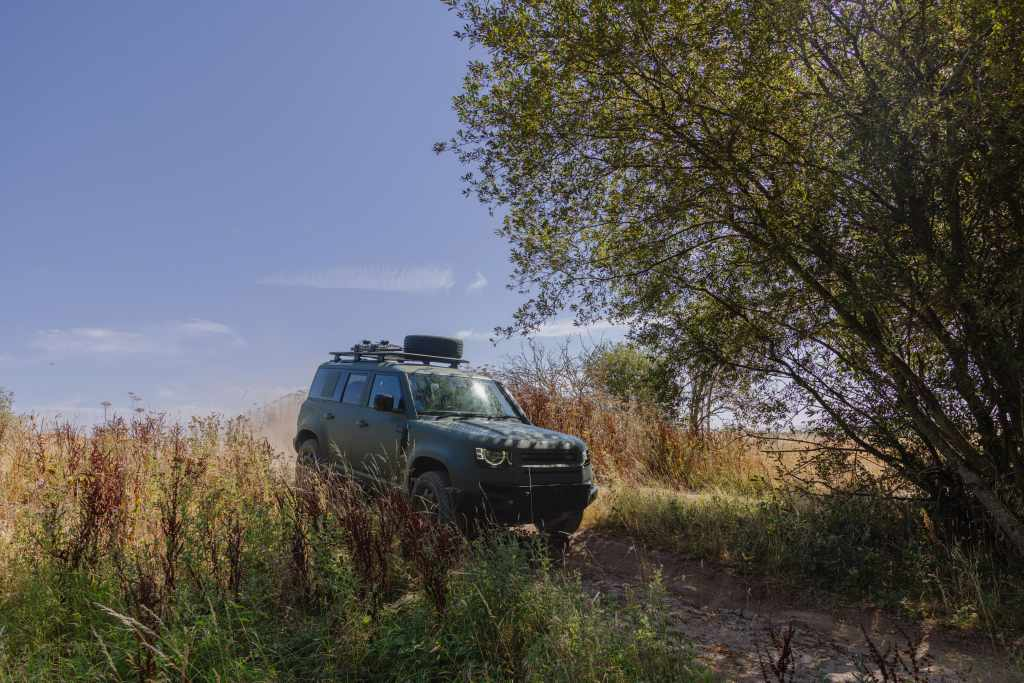
Seven bidders have advanced in Britain’s military vehicle replacement competition. Defence procurement authorities have opened the tender and evaluation phase, with 21 vehicles expected for trials and an initial requirement for approximately 3,000 replacements for ageing Army fleets.
-

Sweden has selected British systems to protect military satellite navigation. Raytheon UK will supply Landshield and Landshield Plus anti-jamming equipment, using adaptive antenna processing to protect GPS receivers against interference on military platforms.
-
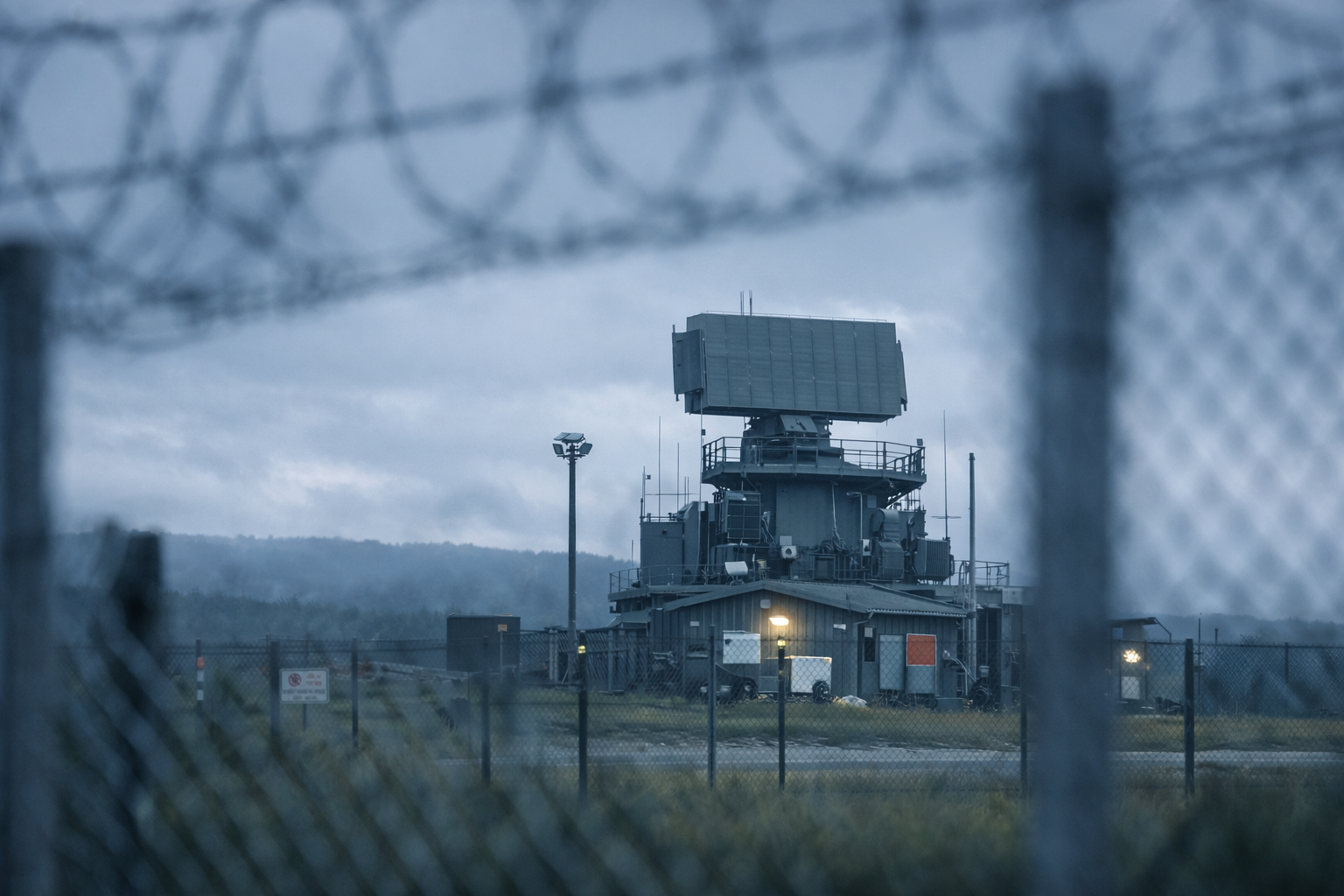
India has ordered improved lightweight radars from Bharat Electronics Limited. The ₹770 crore contract covers low-altitude surveillance equipment designed to detect and track aircraft and small drones, using fixed active electronically scanned arrays and automated target processing.
-
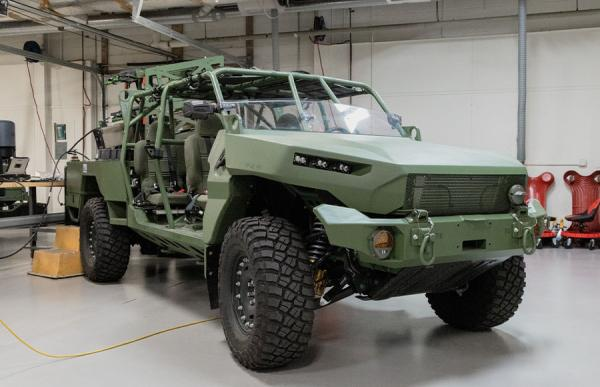
Lockheed Martin has completed Spike NLOS firings from an ISV-U. A three-day demonstration included 17 precision engagements and will inform further US Army validation before the planned next production phase.
-
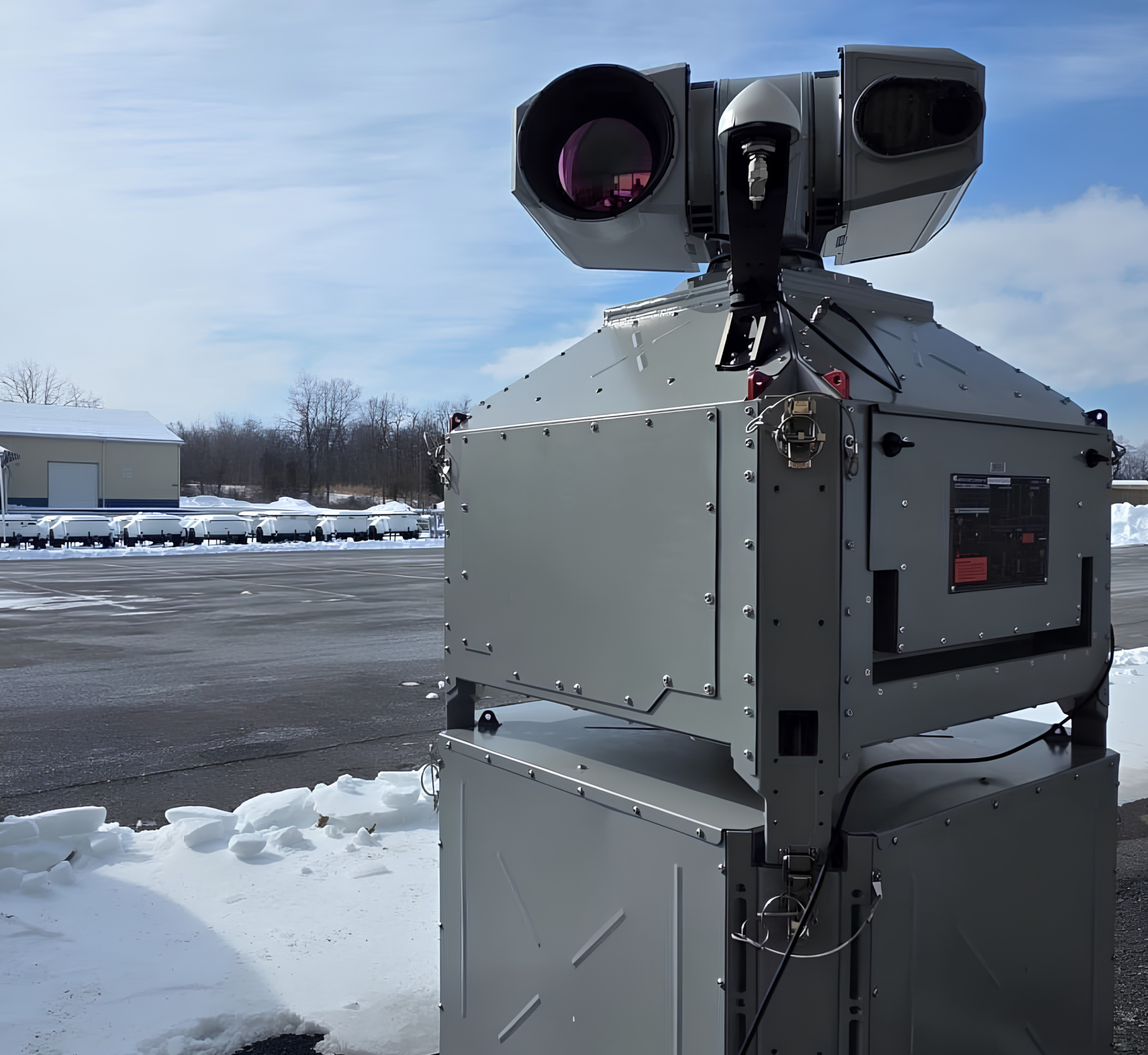
OpenWorks has supplied counter-drone tracking capability to US homeland security. Vision Pace combines stabilised optical tracking, AI-supported classification and sensor integration under an existing federal research and development contract; the order value and system quantities remain undisclosed.
-

Zorronet has received an initial order for thermal sensing equipment. Two integrated edge AI systems are being supplied for field evaluation; a possible order for up to 1,000 more units remains conditional on successful testing.
-
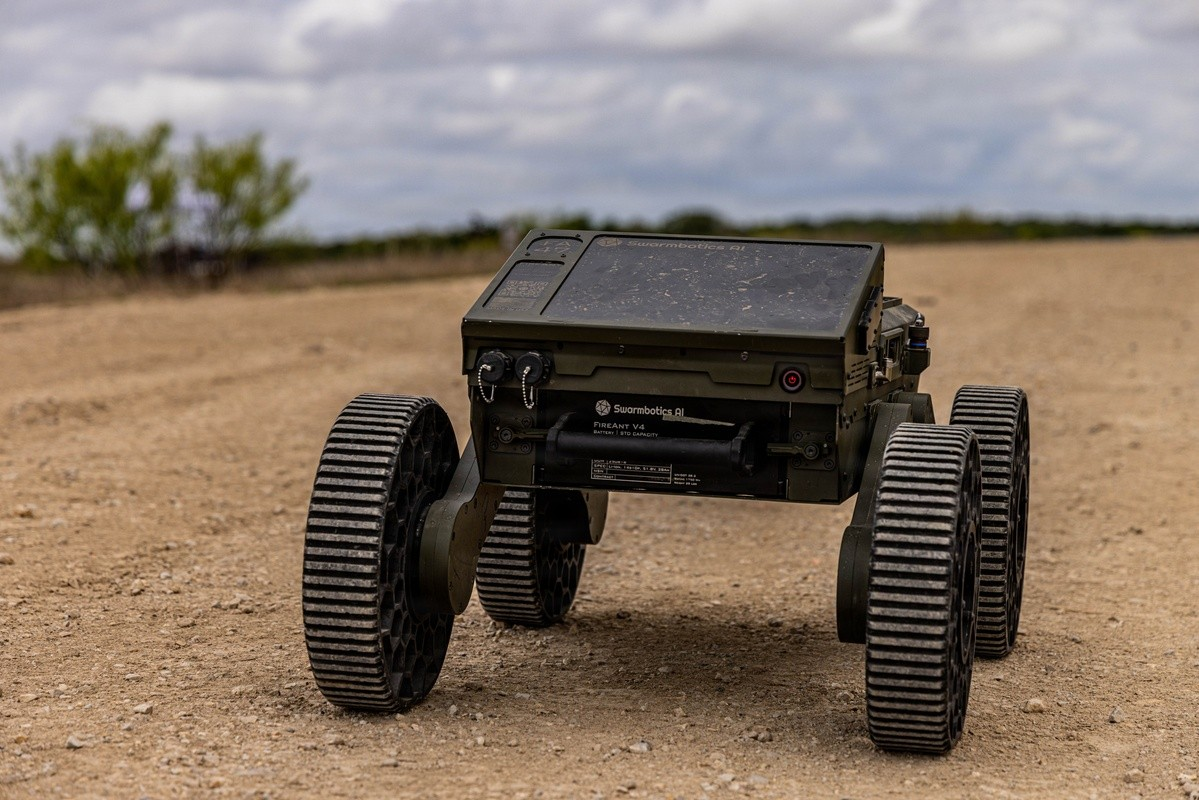
Arbe has introduced a radar system designed for uncrewed vehicles. Gryphon combines high-resolution imaging with obstacle mapping for difficult terrain, but no military procurement or field deployment has been announced.
-
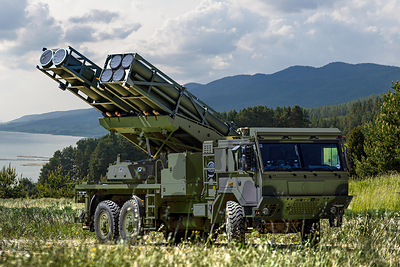
Elbit has secured a new European rocket artillery supply contract. The $235 million agreement covers PULS launchers, EXTRA-MR guided rockets and logistics over three years, with the customer undisclosed.