IN Brief:
- Munitions India and Drogo Aerospace have agreed to collaborate on indigenous UAV and loitering-munition systems.
- Drogo will provide airframe design and manufacturing expertise while Munitions India contributes warhead and munitions capability.
- Integration, testing, qualification, and production readiness will determine whether the MoU develops into a serial manufacturing programme.
Munitions India Limited (MIL) has signed an agreement with Drogo Aerospace to jointly develop and integrate indigenous unmanned aerial vehicles and loitering-munition systems, combining established ammunition manufacturing with specialist UAV design and production capability.
The memorandum of understanding was signed in Pune by Kumar Vaibhav Gaur, executive director at MIL, and Yashwanth Bonthu, founder and chief executive of Drogo Aerospace. Drogo is expected to focus on UAV design, development, manufacture, and associated airframe hardware, while MIL contributes its existing expertise in munitions and warhead technology.
That division gives the programme a more integrated starting point than treating the aircraft and its payload as separate products. Loitering munitions have to accommodate payload mass, centre of gravity, electrical interfaces, initiation architecture, storage requirements, and safety provisions from the design stage, particularly where the aim is repeatable military production rather than a demonstration vehicle.
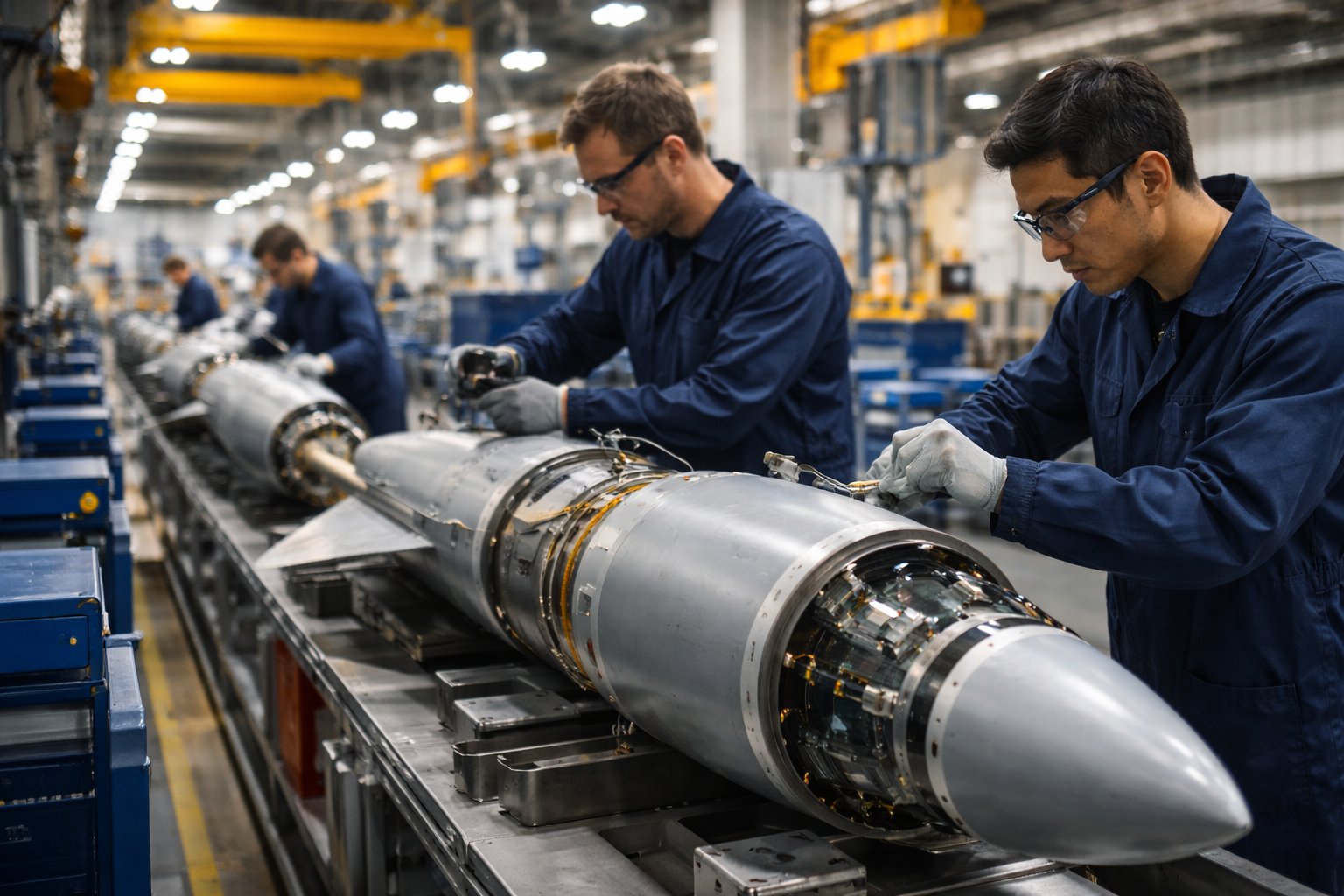
MIL was established in 2021 when India’s former Ordnance Factory Board was restructured into seven defence public sector undertakings. The company operates 12 manufacturing units and produces ammunition and explosives for land, naval, and air applications, with facilities covering production, testing, research and development, and logistics.
Its involvement gives Drogo access to an industrial base accustomed to energetic materials, ammunition safety, qualification, and controlled production processes. Those disciplines differ substantially from conventional UAV manufacture, where airframe, propulsion, electronics, and software can be developed without the storage, handling, initiation, and certification requirements attached to an operational munition.
Drogo brings the complementary air-vehicle capability. The Hyderabad-based company works in unmanned and aerospace systems and has been associated with a Delta Wing loitering-munition design, although the agreement announced with MIL is broader than a single platform. The MoU covers the development and integration process rather than committing the two companies to a disclosed production quantity.
Engineering a weaponised UAV requires the airframe and payload teams to work against a controlled system configuration. Structural loads, vibration, thermal conditions, electromagnetic compatibility, power supply, navigation equipment, communications, and initiation systems all have to remain within qualified limits throughout transport, storage, launch, flight, and terminal operation.
Warhead integration can also alter an aircraft’s aerodynamic and structural behaviour. A payload that fits within the nominal mass allowance may still change balance, vibration modes, handling, or launch characteristics, forcing design changes elsewhere in the vehicle. Addressing that during development is considerably simpler than trying to qualify an airframe around a munition added after the design has been frozen.
The testing programme will therefore carry much of the technical risk. Air-vehicle trials establish basic flight performance and control, but an armed configuration adds safety assessment, payload integration, environmental testing, and controlled live trials before the complete system can progress towards military acceptance.
Serial production adds another layer. A prototype can be assembled and adjusted by the engineering team that designed it; a manufactured weapon has to emerge from production with documented tolerances, controlled software and hardware configurations, traceable components, and inspection procedures capable of showing that each unit conforms to the qualified design.
MIL’s existing ammunition infrastructure gives the partnership a route into those processes without requiring Drogo to reproduce a complete munitions manufacturing organisation. Conversely, MIL gains access to a private UAV developer at a point when uncrewed and loitering systems are becoming a larger part of defence procurement and domestic manufacturing policy in India.
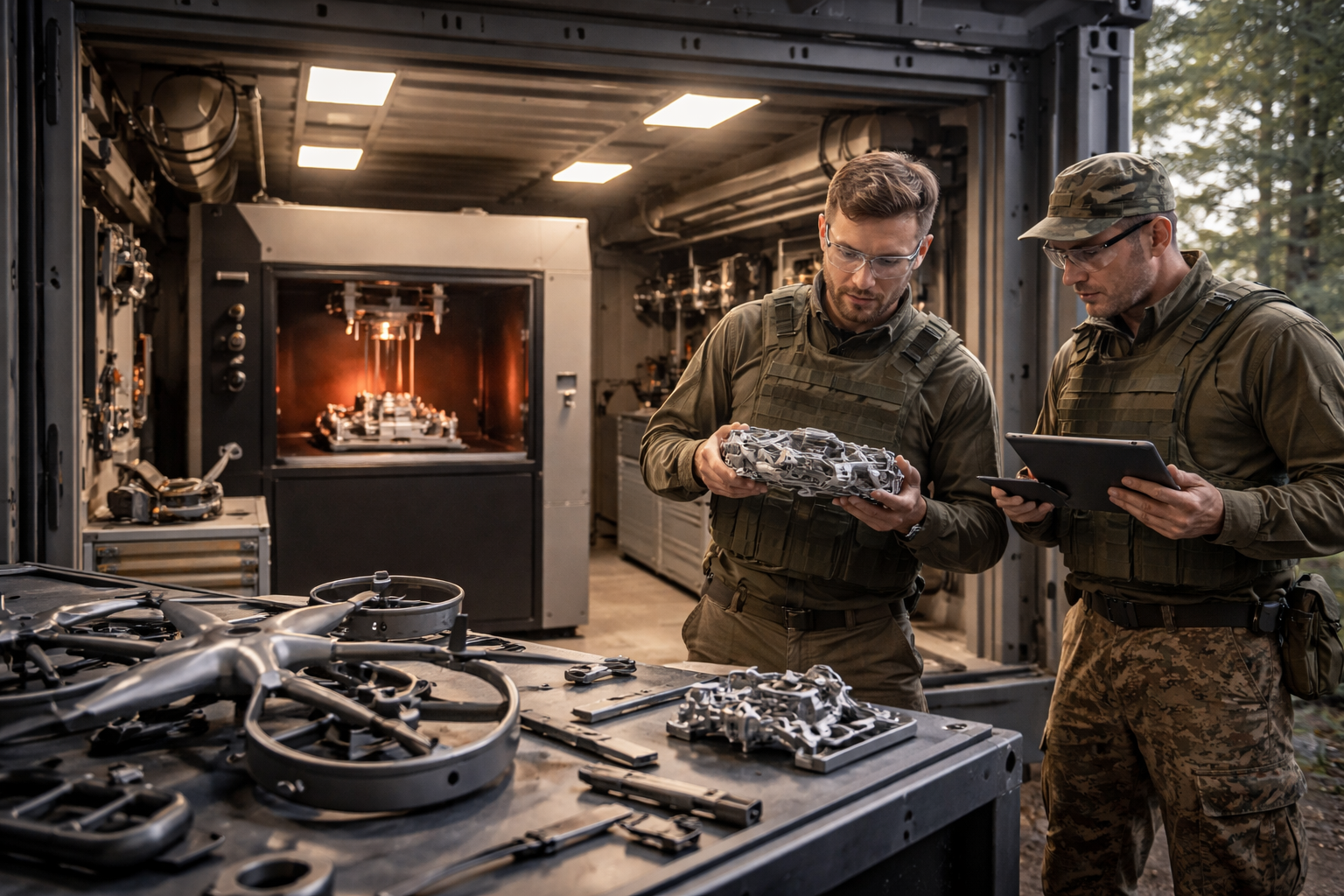
The model is increasingly common across the uncrewed weapons sector. UAV specialists can develop airframes rapidly, but the transition into an operational weapon becomes harder once energetic payloads, safety cases, military qualification, and long-term storage requirements enter the programme. Established ammunition manufacturers hold much of that experience but do not necessarily possess the aerodynamics, control software, and rapid prototyping skills found in specialist drone businesses.
No order value, production quantity, customer commitment, or delivery timetable has been disclosed. The agreement is therefore an industrial development framework rather than evidence that a new munition has entered service or serial production.
The next useful milestones will be more tangible: a defined system configuration, integrated prototypes, qualification activity, and evidence that MIL and Drogo can establish a repeatable manufacturing process. Until then, the partnership joins complementary capabilities on paper; the engineering and test programme will determine whether they can be converted into production hardware.