IN Brief:
- L3Harris has completed the first 35 production Viper Shield electronic-warfare systems for the global F-16 fleet.
- Eight allied nations have ordered 233 systems, and the supplier is now moving towards full-rate production.
- Viper Shield uses an all-digital, software-defined architecture and can be integrated internally or through an external pod.
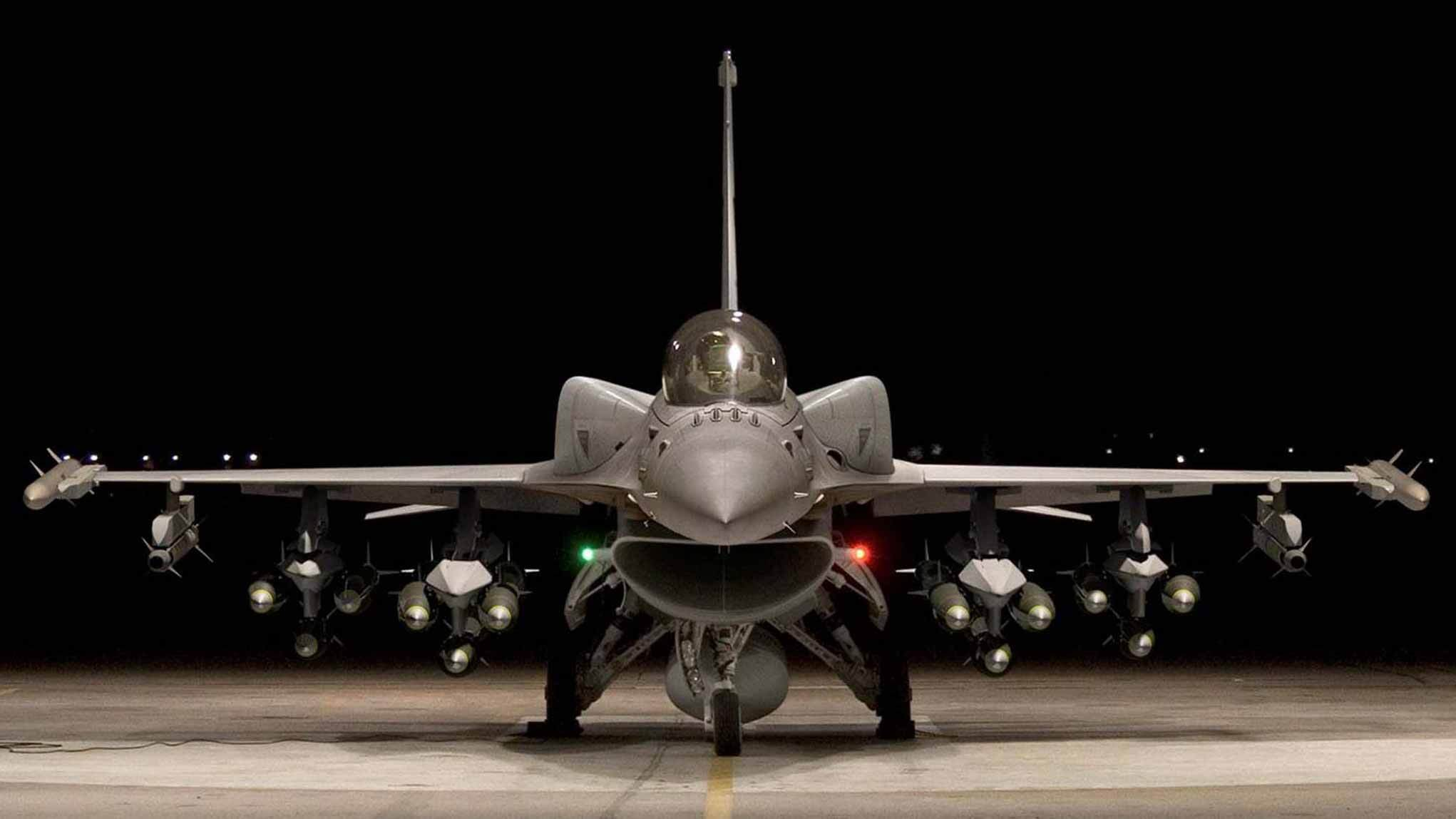
L3Harris Technologies has completed production of the first 35 Viper Shield electronic-warfare and countermeasure systems for the global F-16 fleet, giving the programme its first substantial batch of production hardware. The company is now ramping towards full-rate production for 233 systems currently on order from eight allied nations.
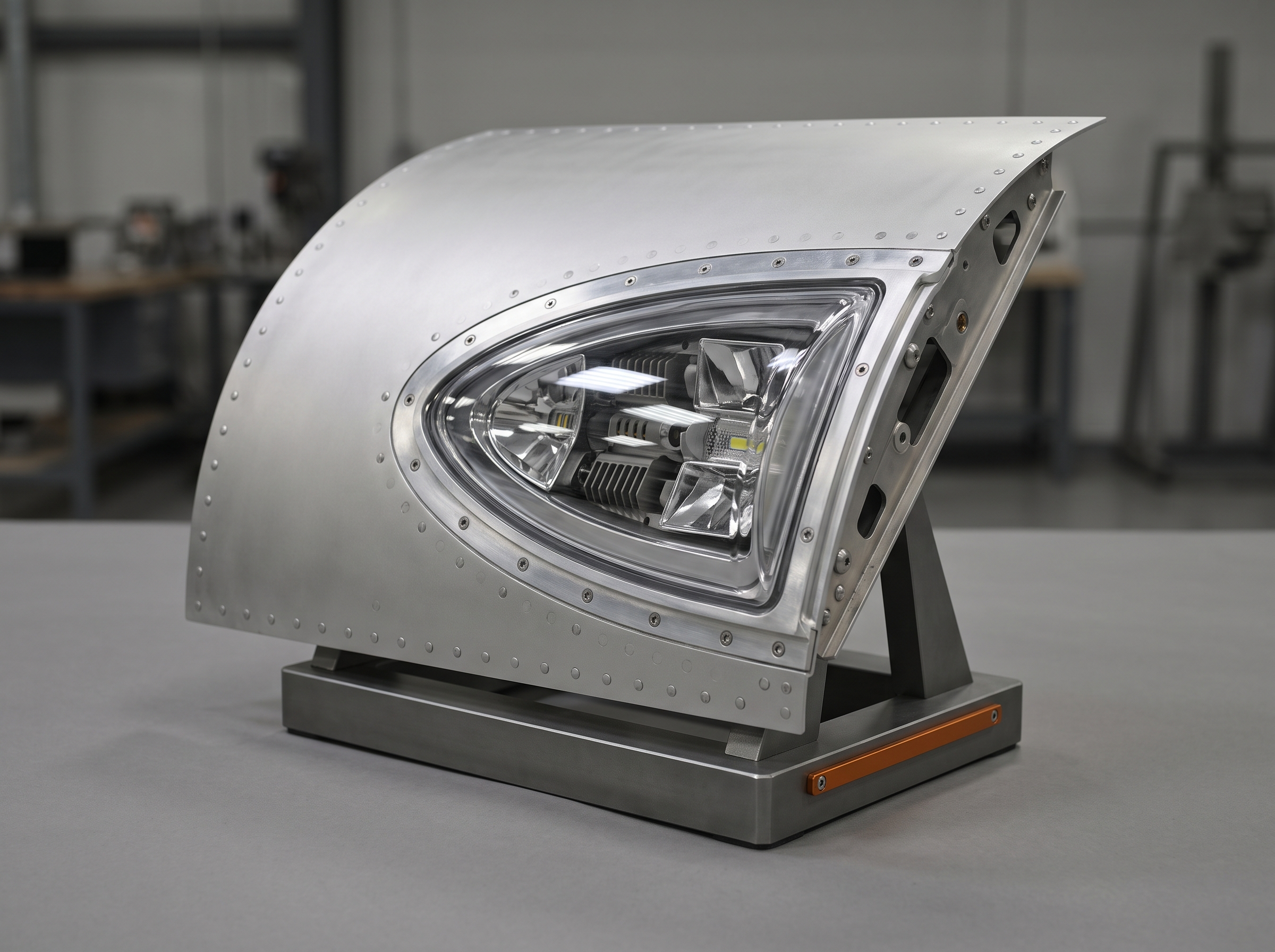
The milestone is more than a continuation of recent customer announcements. L3Harris has already moved Viper Shield through development and flight testing, while the new update confirms that finished production systems are now leaving the manufacturing process. The company has also assembled its first external pod using production-standard equipment, extending the programme beyond the internally installed configuration.
Viper Shield is designed to detect, identify, and counter electronic threats around the aircraft. L3Harris developed the AN/ALQ-254(V)1 as a baseline electronic-warfare suite for advanced F-16 Block 70/72 aircraft, with compatibility for earlier F-16 blocks and an external-pod option. The system is also designed to operate alongside the APG-83 active electronically scanned array radar.
That coexistence is an engineering requirement rather than a brochure detail. Radar, communications, datalinks, and electronic-warfare systems all use the electromagnetic spectrum, sometimes at high power and in close physical proximity. Antenna placement, filtering, timing, software, and electromagnetic compatibility have to be managed so that one system does not degrade another during real aircraft operation.
L3Harris describes Viper Shield as an all-digital, software-defined architecture using commercial-off-the-shelf technology to reduce size and weight and simplify future upgrades. Software-defined functions can make threat-library and processing changes easier to field, but the hardware still defines frequency coverage, processing capacity, interfaces, and environmental limits. A long-lived fleet therefore needs both software flexibility and disciplined hardware configuration.
The first 35 systems create an early manufacturing baseline for that task. Electronic-warfare equipment combines radio-frequency components, processors, power supplies, antennas, digital electronics, and specialised test equipment. Many of those items cannot be accepted by visual inspection alone, so production depends heavily on calibration, automated test, traceable configuration, and controlled software loading.
Supply-chain management becomes more difficult as output increases. Components used in modern electronics may have commercial lifecycles far shorter than the aircraft they support, creating a recurring risk of obsolescence. L3Harris has to manage replacement parts and redesign without creating incompatible versions across customer fleets, particularly when deliveries stretch across several years.
The multinational orderbook adds another layer. Eight allied nations have selected Viper Shield and 233 systems are on order, giving the programme enough volume to justify a sustained production line. The same scale also increases pressure to manage national delivery schedules, aircraft configurations, support arrangements, and any customer-specific requirements without allowing each order to become a separate product.
L3Harris says partner nations have collectively supported about $1 billion of investment in development, laboratory testing, flight testing, and current production. That shared funding means much of the programme has been advanced through international demand before a comparable US fleet commitment. It also creates a production base that additional customers can join without starting again from a clean-sheet development programme.
Peru is among the recent customers, having selected Viper Shield for its F-16 Block 70 fleet. That earlier selection and the current production milestone are separate stages: one established another national requirement, while the latest announcement confirms that the wider programme has completed its first 35 production systems. Maintaining that distinction matters in a programme where customer selections, tests, and manufacturing events can otherwise appear repetitive.
The external pod will test a different integration route. A podded system can make electronic-warfare capability available to aircraft that are not configured for the internal installation, but it introduces aerodynamic, power, cooling, carriage-clearance, and maintenance requirements of its own. The first pod assembled with production systems gives L3Harris a hardware basis for that path, although it does not remove the need for aircraft-specific qualification.
For operators, the long-term value will depend on whether the architecture can absorb changing threats without repeated hardware replacement. Software-defined processing gives engineers more freedom to update detection and countermeasure behaviour, but those changes still have to be tested against aircraft interfaces and existing hardware. Upgradeability therefore becomes a configuration-management problem as much as a software feature.
Completing 35 systems confirms that Viper Shield has moved into meaningful production. The more difficult test begins as L3Harris increases output towards the 233-system orderbook while maintaining calibration, software control, and supply-chain stability across multiple customers. Manufacturing volume will make the programme more efficient only if the electronic baseline remains controlled as aircraft and threat requirements continue to evolve.