
Cyber
-

Leidos has secured another major military cyber operations support contract. The $160 million, five-year US Cyber Command award covers network defence, threat analysis, operational planning and coordination, but does not disclose individual missions or technical deployments.
-

Defense Unicorns has introduced compliance support for US defence contractors. The service combines technical control configuration, assessment evidence and continuing maintenance as CMMC obligations evolve.
-
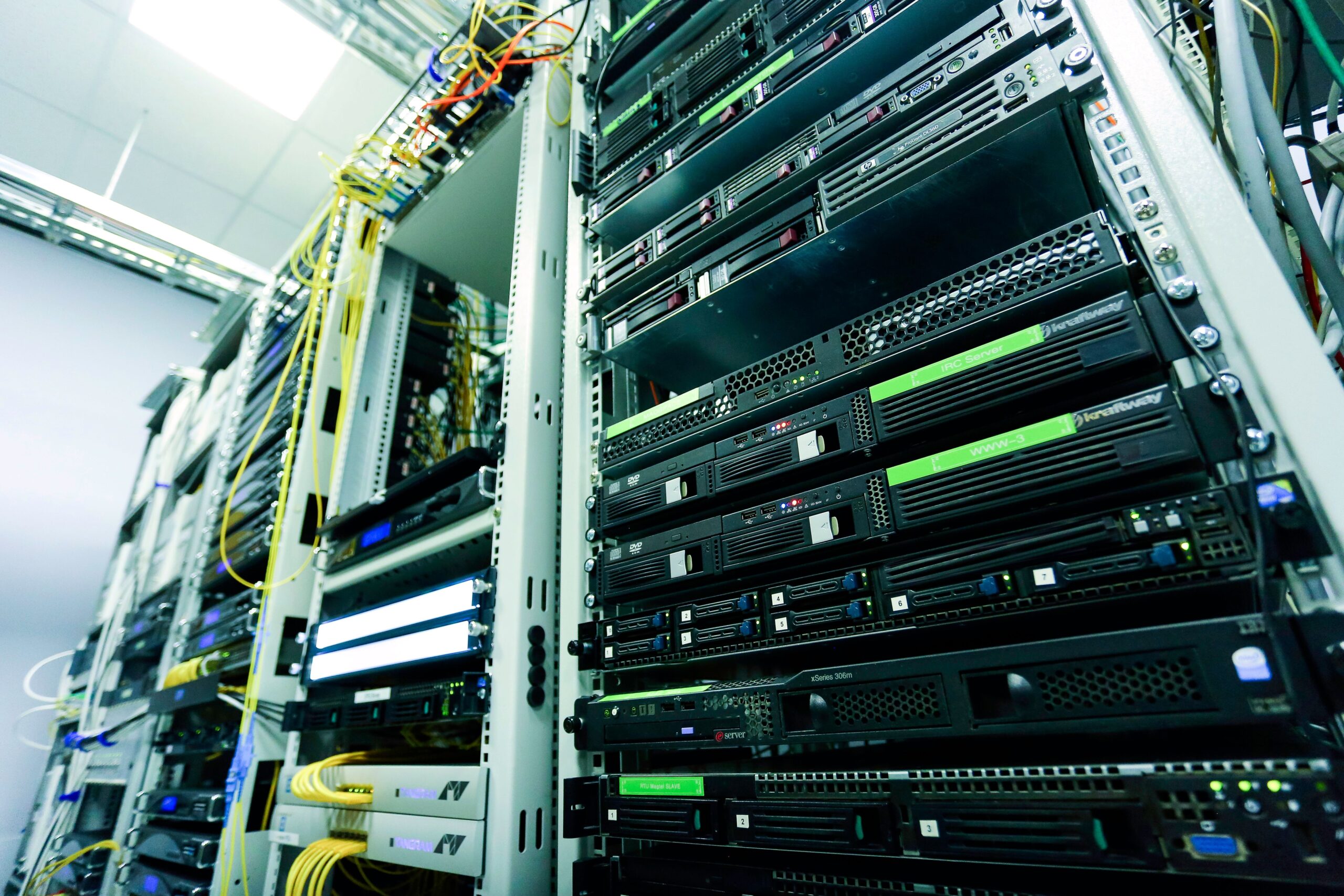
Everfox has confirmed a five-year Army cybersecurity procurement contract vehicle. Its $90 million ceiling covers software, hardware and engineering support, with individual orders determining actual funding and delivery.
-
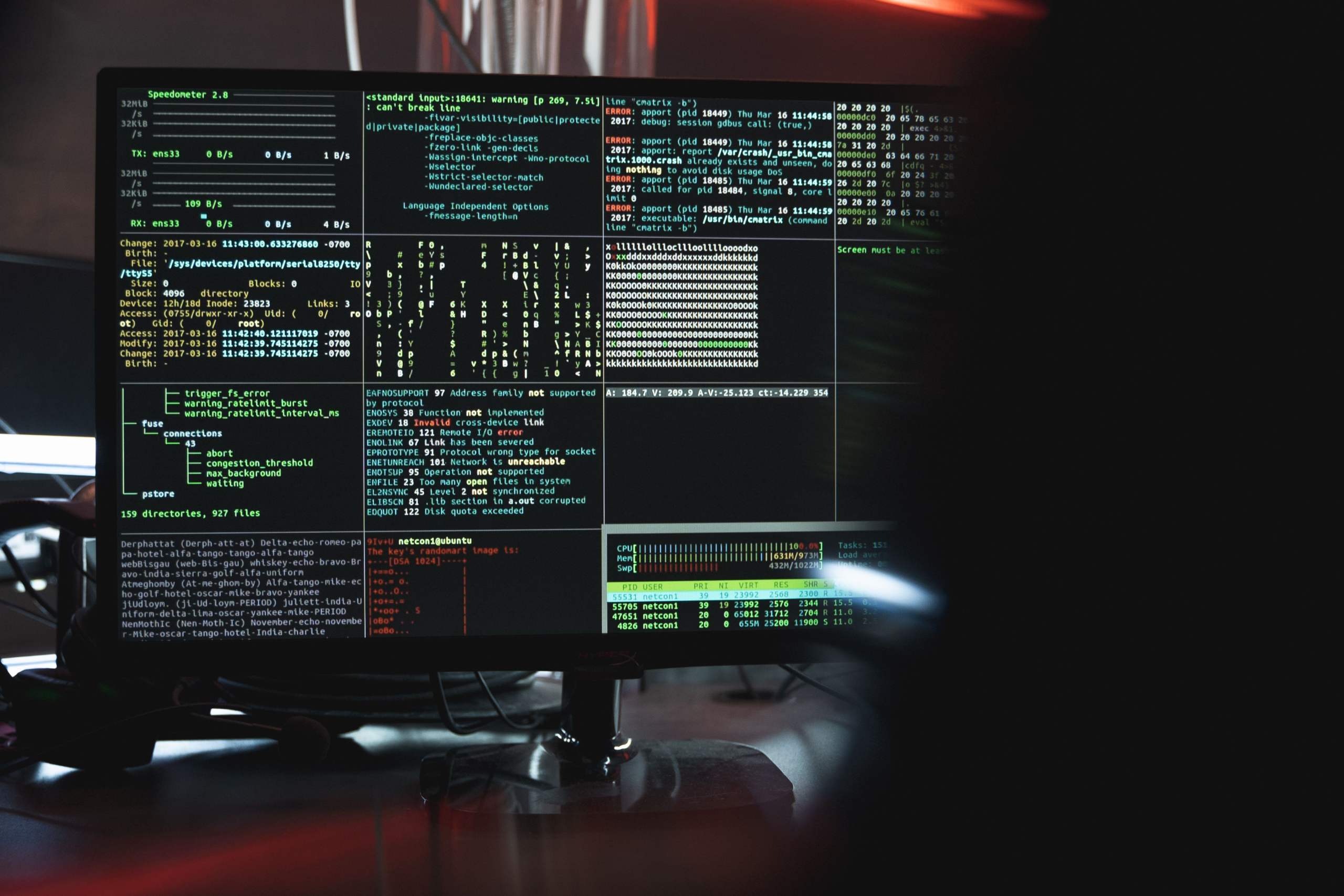
APT28 compromised European defence organisations using malware and network access. Symantec documents intrusions affecting a naval shipbuilder and military aero-engine manufacturer, including persistent network access; the victims remain unnamed and the function of a recovered loader’s missing payload is unknown.
-

Tessera has announced open-source intelligence integration for physical security systems. The capability connects public information with site sensors and control procedures, but military deployment and independently validated performance have not been established.
-
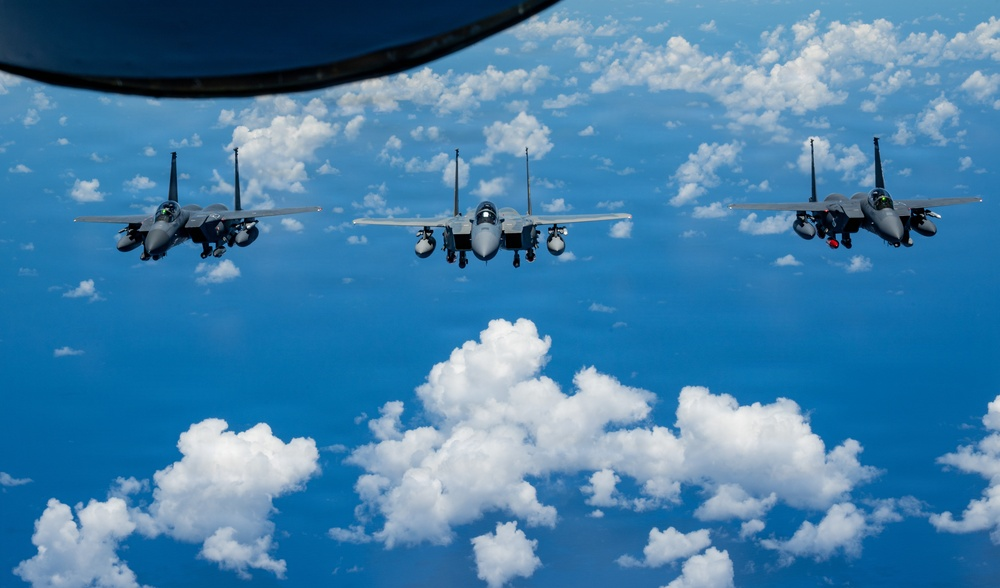
Shift5 has secured an Army contract for operational intelligence software. The five-year agreement has a $99 million ordering ceiling, with expenditure determined through subsequent orders rather than committed in full at award.
-

CIS Secure has achieved aerospace quality certification at Ashburn facilities. The AS9100 Rev. D approval covers its quality management system for designing, manufacturing and assembling repackaged computing and networking equipment used in secure communications environments.
-

Secure State will strengthen Safran’s defence cyber infrastructure in Australia. The agreement covers secure ICT environments, classified information systems and resilience for engineering and operational activities.
-
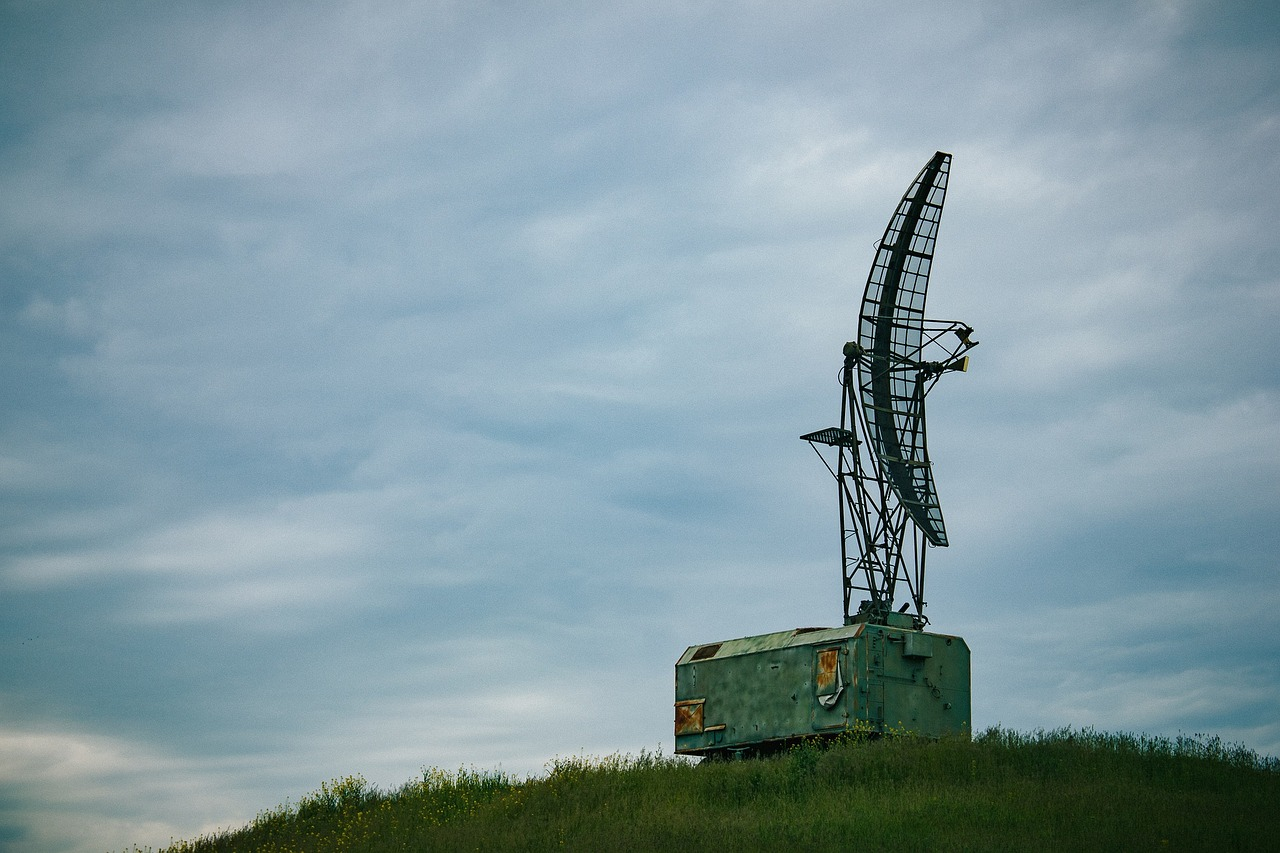
Kratos has secured over $100 million in new space contracts. The awards combine global radio frequency sensing, deployable terminals, analytics and cyber capabilities for intelligence, electronic warfare and targeting missions.
-
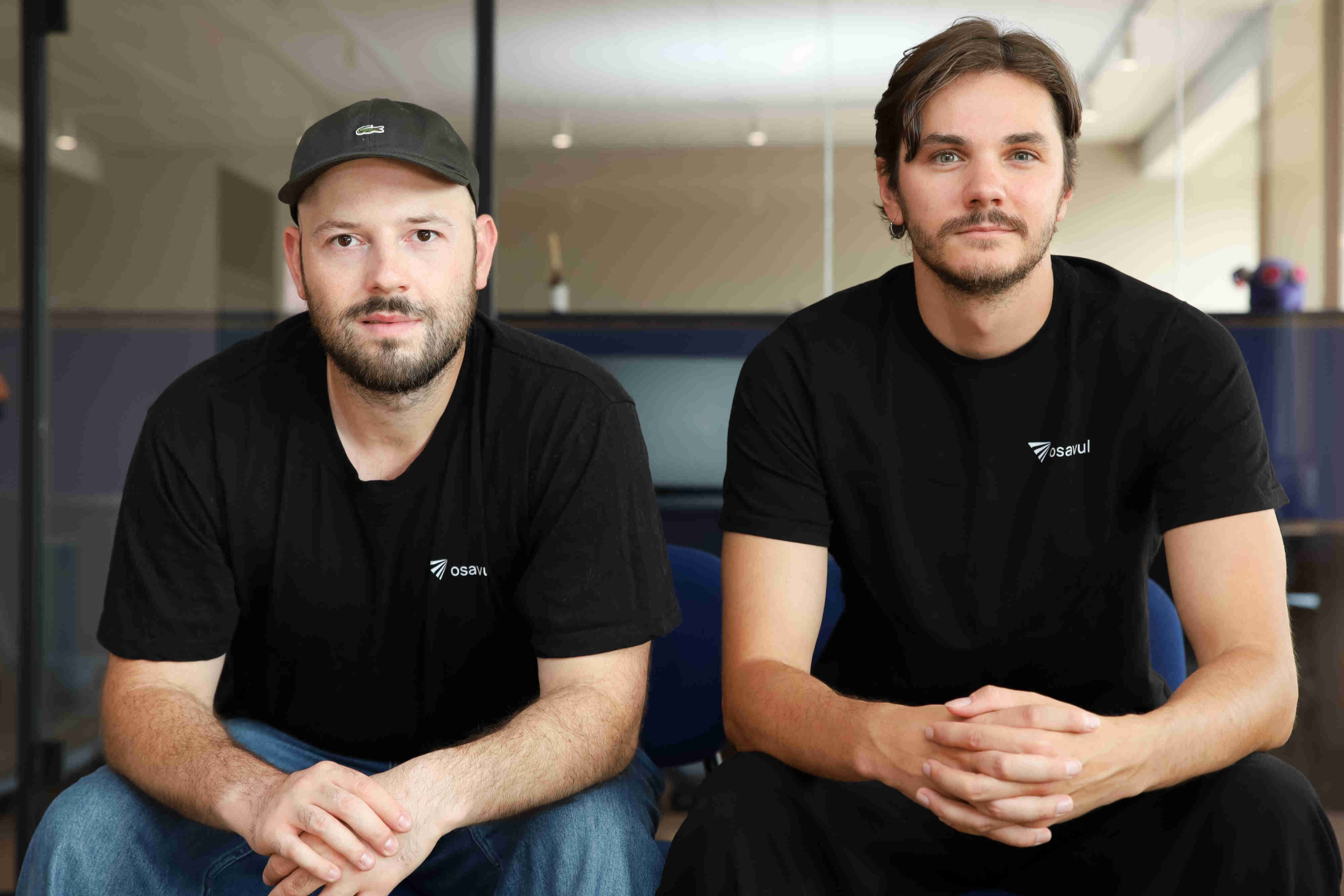
Osavul has raised €8.5 million to expand hybrid threat intelligence. The Series A will fund AI development, commercial growth and wider deployment while the company continues government, defence and NATO related work.