
Cyber
-
DTC has added three BluSDR radios to America’s Blue List. The listing covers short, medium, and long-range MANET communications hardware intended for compliant uncrewed system integration.
-
VIAVI has completed CMMC Level 2 certification across defence products. The assessed scope covers radio test, avionics, synthetic and modular test, and Position, Navigation and Timing systems used across its aerospace and defence business.
-
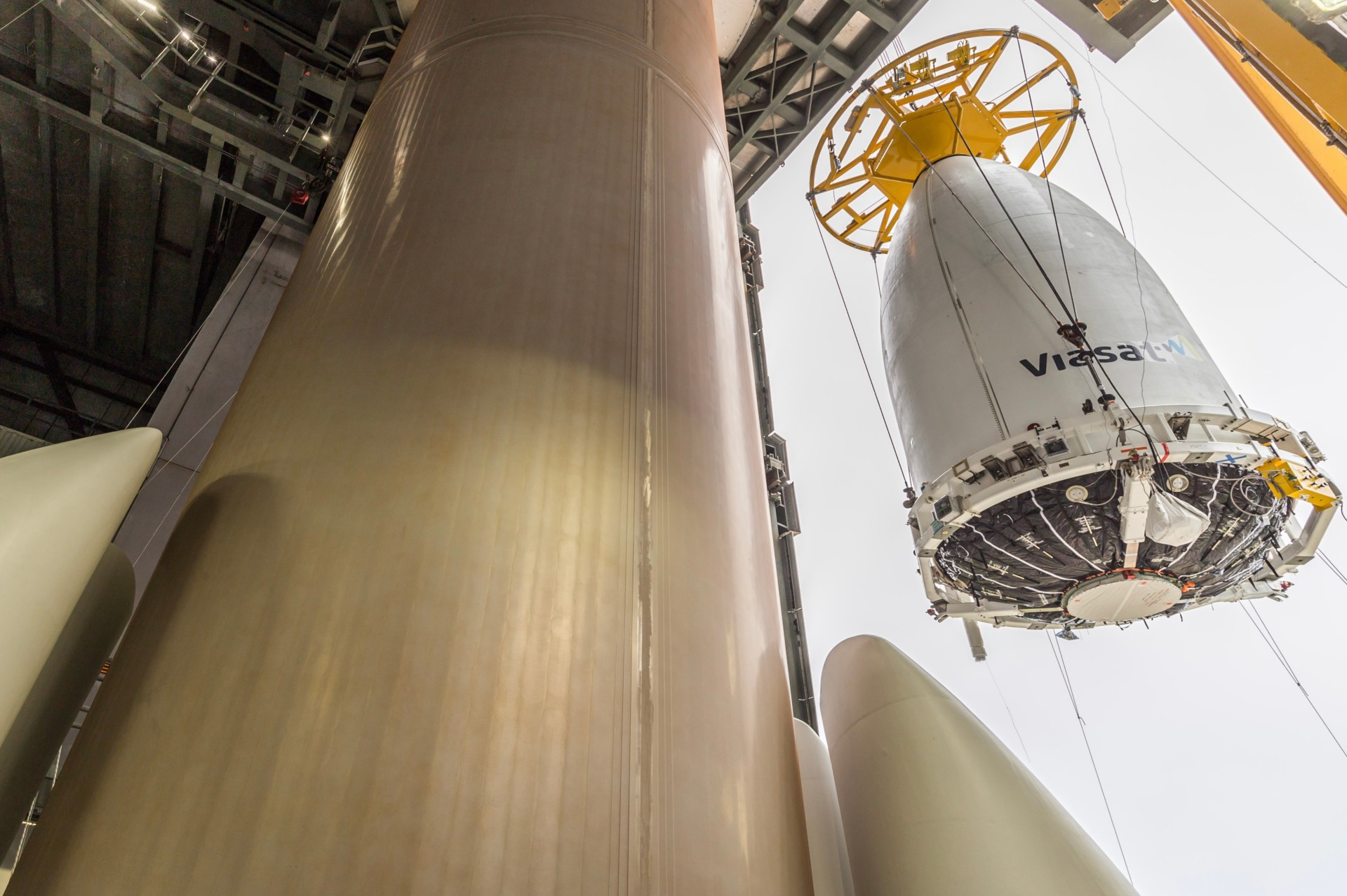
Viasat has secured initial Marine Corps multi-orbit satellite services work. The $42 million task order sits under a seven-year MECS2 contract with a ceiling of up to $307 million.
-
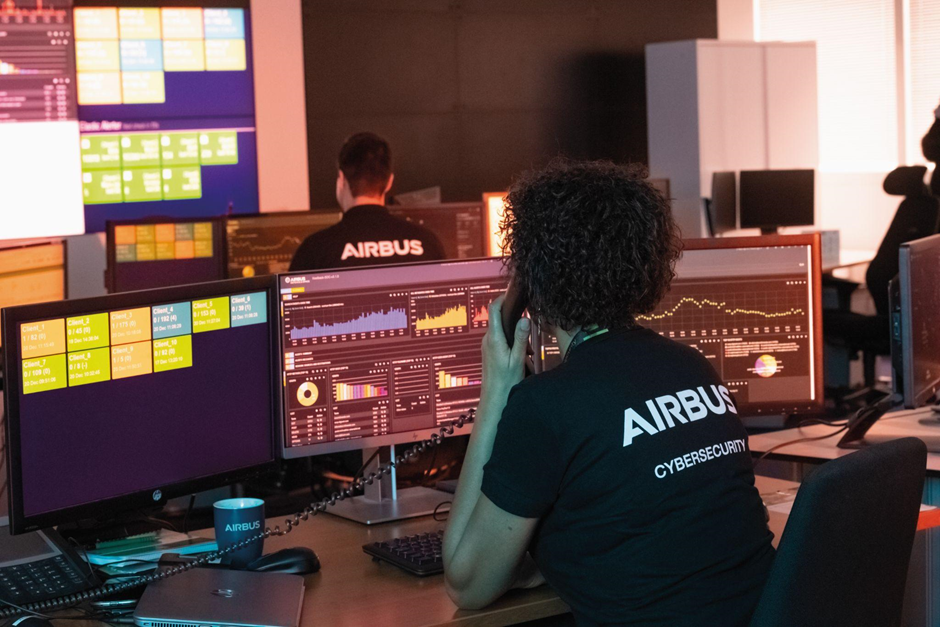
Airbus will supply France with cybersecurity gateways for classified networks. The 25-year PARACOM programme covers design, production, certification, and long-term support across fixed and deployable military systems.
-
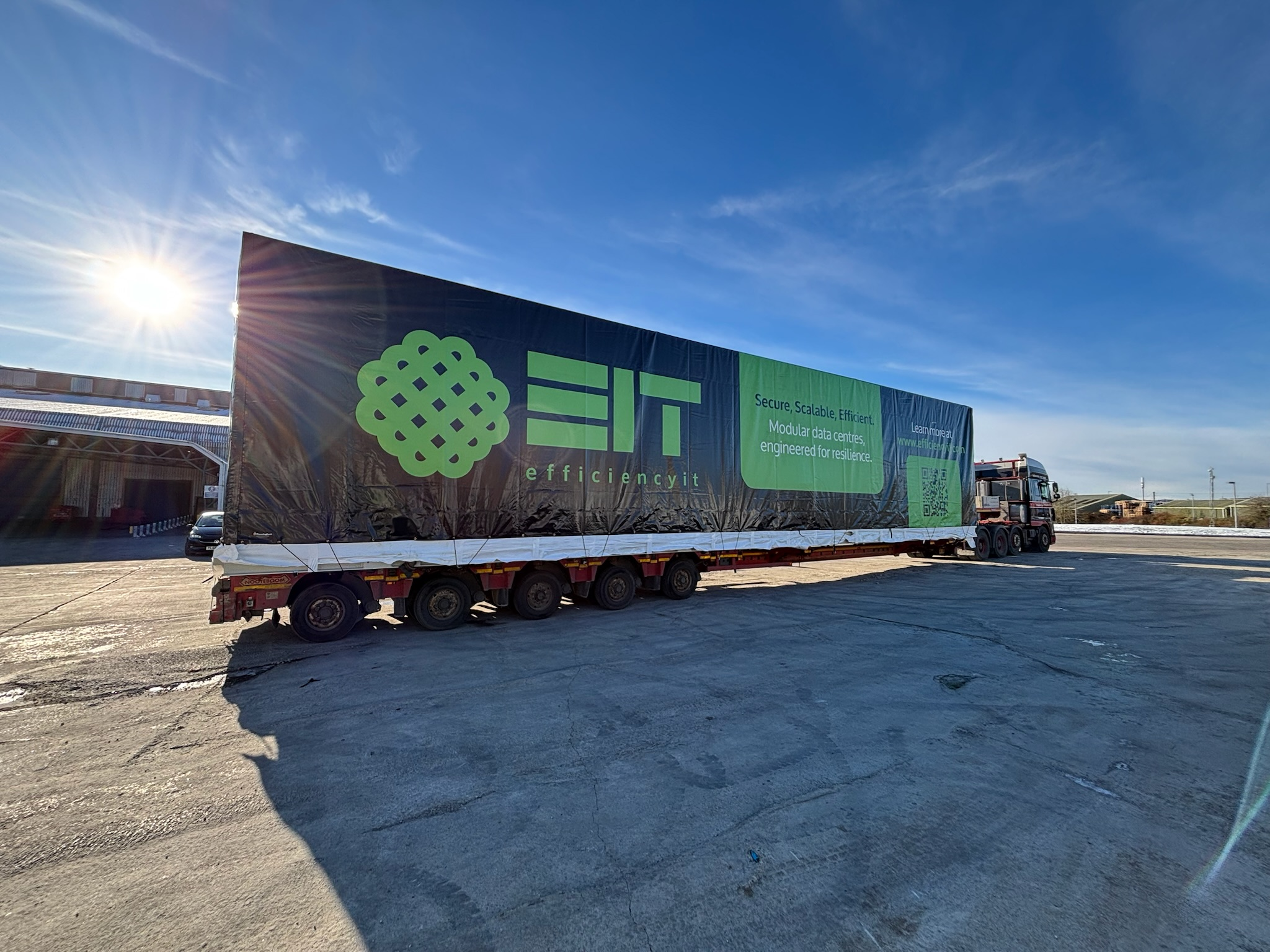
Defence AI ambitions depend on resilient, rapidly deployable computing infrastructure. Anthony Soares, Defence Lead at EfficiencyIT, explains how prefabricated modular data centres can bridge the gap between digital strategy and operational reliability.
-
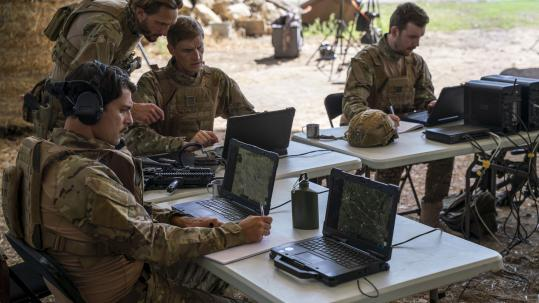
Thales has launched HexaForce for multi-domain command and control operations. The AI-enhanced architecture has undergone interoperability testing during NATO CWIX 2026 and is designed for distributed coalition use.
-
Saab and NestAI will integrate adaptive AI into electronic-warfare systems. NestOS is intended to support post-deployment software adaptation across selected Saab sensor capabilities.
-

Nokia and C3IA will integrate secure connectivity for UK defence. Their MoU spans tactical communications, C2, sensing, autonomy and edge computing.
-

India is widening private access to DRDO technology and infrastructure. New measures cover software source code, test facilities, funding, and technology transfer.
-
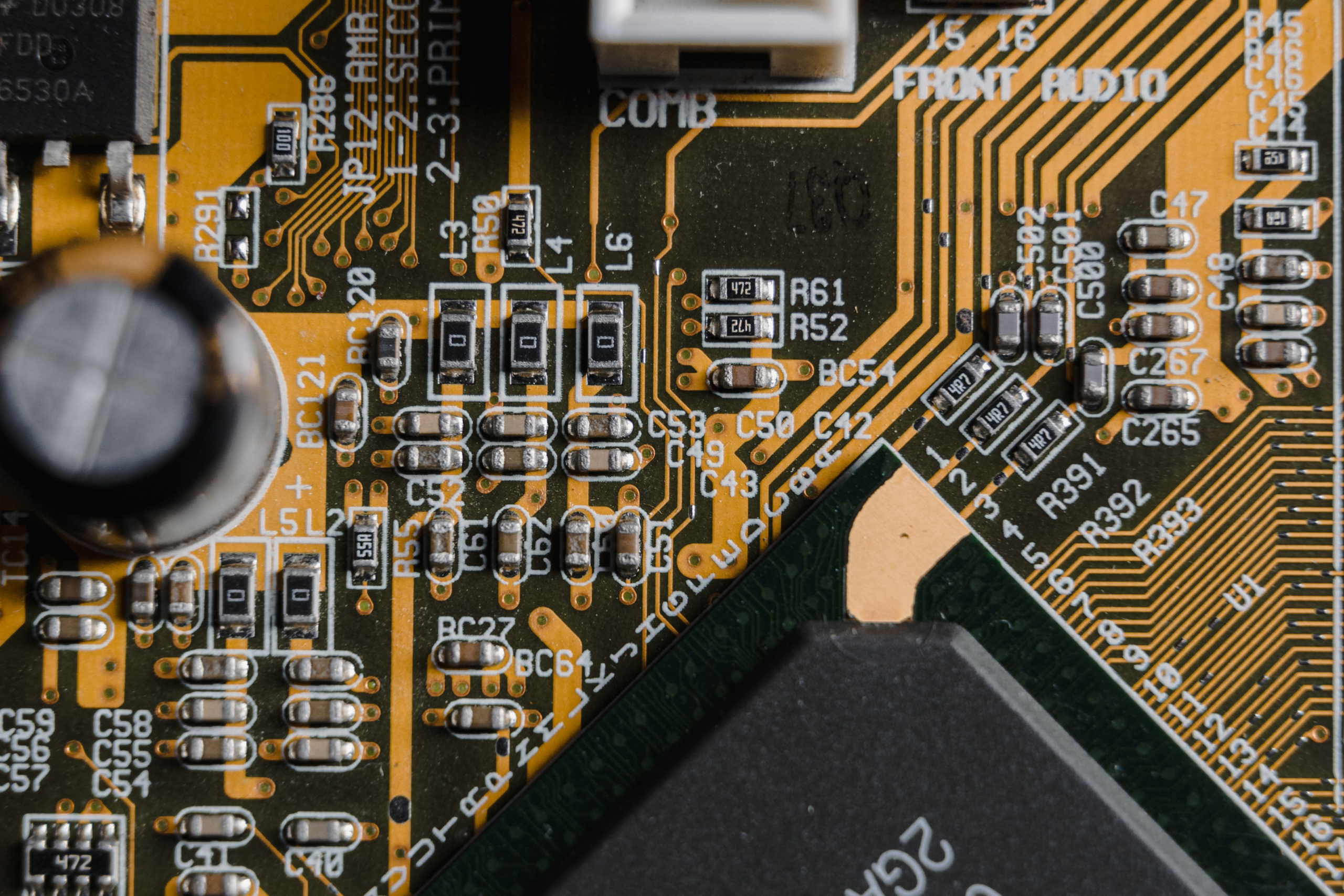
Fortaegis has raised $50 million to scale secure silicon production. The funding will support commercial deployment of hardware-rooted security across defence, autonomous systems, telecommunications, AI infrastructure, and other distributed computing environments.