
Cyber
-
Ukraine’s drone autonomy target exposes a difficult fleet-scaling engineering problem. SPARC AI argues resilient GPS-denied positioning must move beyond specialised hardware installed separately across every attritable airframe.
-

EdgeRunner and Army researchers have developed a military-specific language model. EdgeRunner-Camo uses historical CamoGPT data and is intended for deployment on local tactical hardware as well as garrison systems.
-
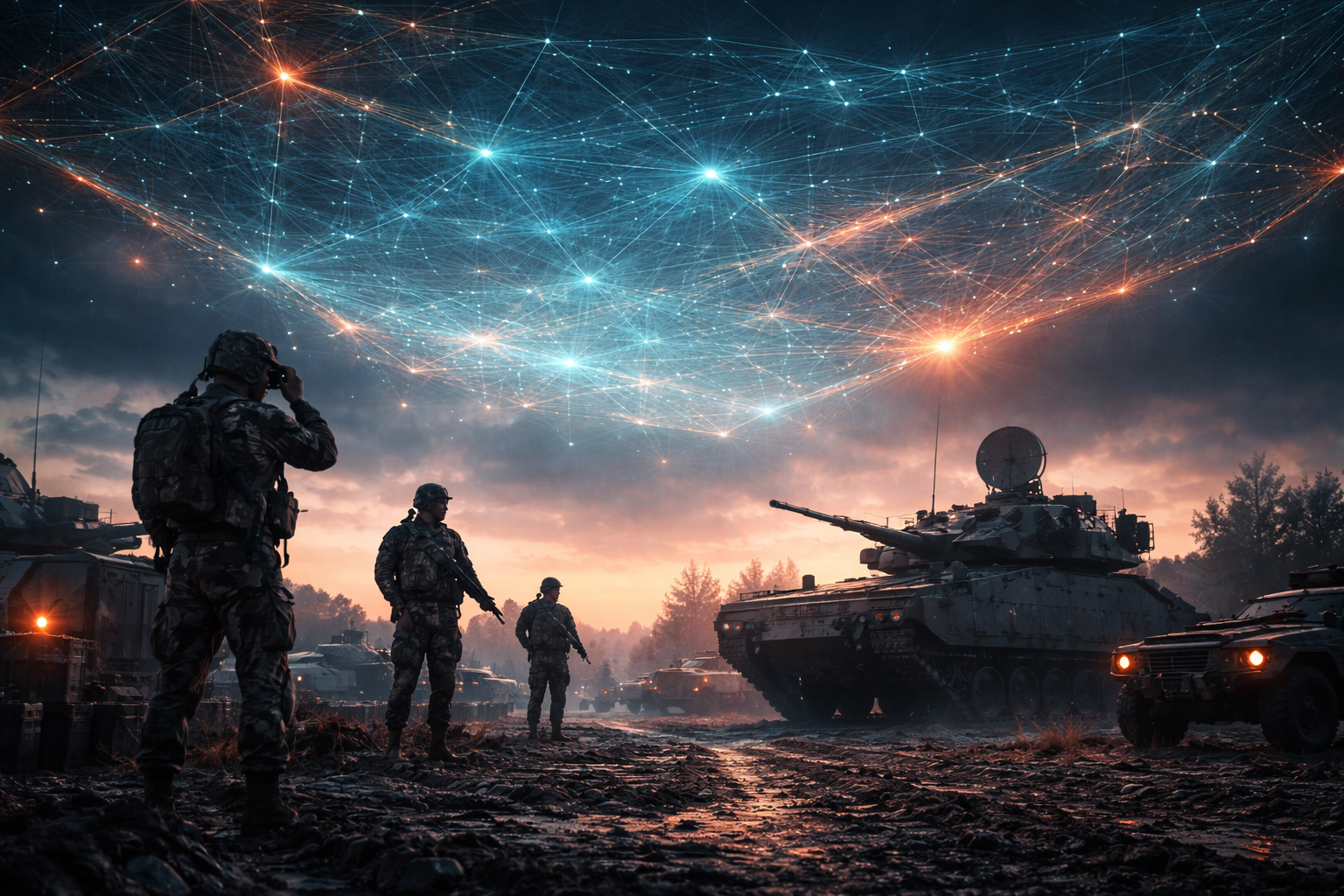
Parsons joins a $350 million Navy seabed-to-space ISR contract vehicle. The programme spans development, deployment, sustainment, cybersecurity, autonomous systems, satellites, and tactical communications across multiple domains.
-
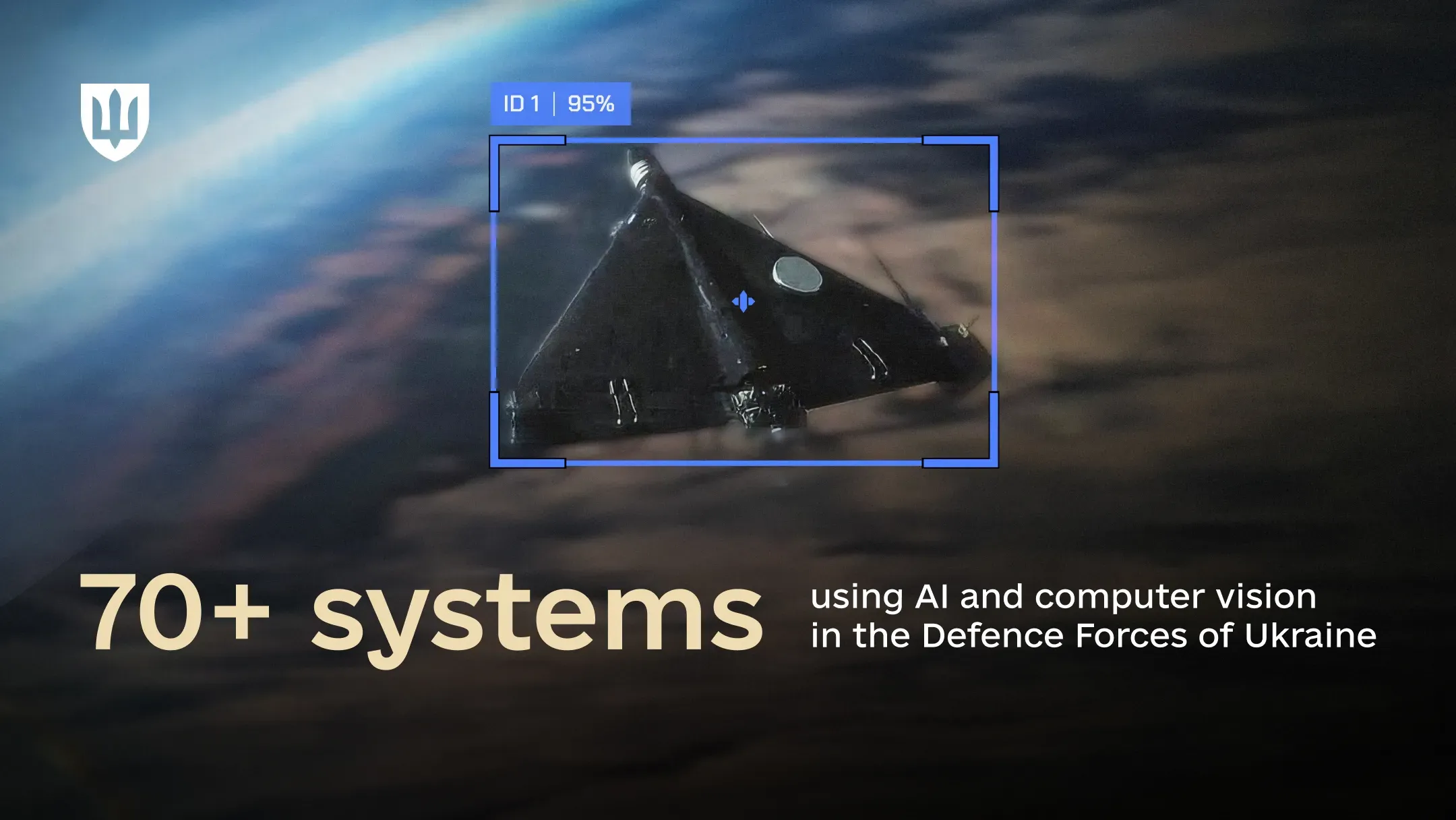
Ukraine now fields more than seventy AI-enabled defence systems operationally. The programme links computer vision, GPS-denied navigation, targeting, and large battlefield datasets to a rapidly expanding domestic drone sector.
-
Raft has secured a five-year Army data and AI contract. The $99 million IDIQ creates an enterprise procurement route for software platforms, data integrations, secure compute infrastructure, and support across Army organisations.
-

Indra has demonstrated explainable AI for complex military decision-making tasks. FaRADAI trials covered scene interpretation, threat assessment, sensor resilience, and dynamic route generation while retaining human oversight of critical decisions.
-

North will modernise surveillance systems across Portsmouth Naval Base estate. The programme covers secure video, analytics, networking, cameras, and a new control centre while maintaining continuous security operations throughout installation.
-
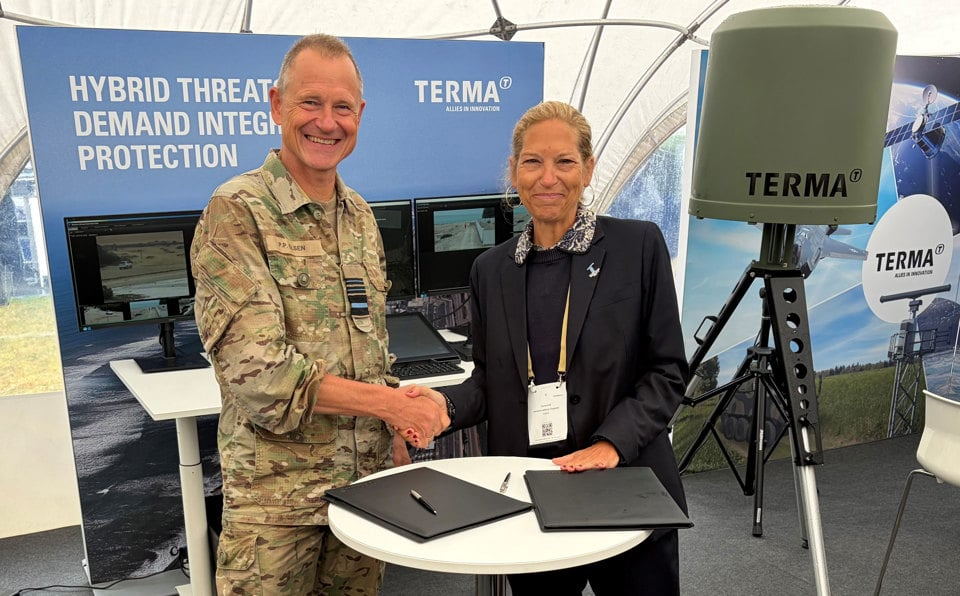
Terma will integrate Denmark’s national counter-drone sensor and command network. Helion and FACE will combine distributed data into a shared operational picture spanning military, civilian, and critical-infrastructure sites.
-

Kratos has demonstrated Valkyrie beyond-line-of-sight control during electronic warfare testing. The US Marine Corps flight linked the uncrewed aircraft with F-35s and an F/A-18 while testing an open command-and-control architecture.
-

MOSA expands modular reuse across increasingly software-defined defence platforms worldwide. Joseph M. Saunders, Founder and CEO of RunSafe Security, examines why SBOM visibility, verification, and common security standards must underpin trusted open architectures.