
Cyber
-

Hanwha and TTA will develop AI-enabled 5G tactical communications networks. The architecture combines terrestrial and satellite connectivity while using international standards for South Korean and potential export deployments.
-

Terma has agreed to acquire Dencrypt for sovereign communications capability. The transaction adds certified end-to-end encryption for commercial devices across defence, government, and critical-infrastructure networks.
-
Lockheed Martin has demonstrated drone detection using commercial 5G networks. NetSense combines AI, RF measurements, and existing telecoms infrastructure to provide distributed airspace awareness.
-
Boeing is expanding Australian defence communications across multiple operational domains. LAND 4140 satellite terminals add to work spanning Army battle management, naval connectivity, and joint air battle management.
-
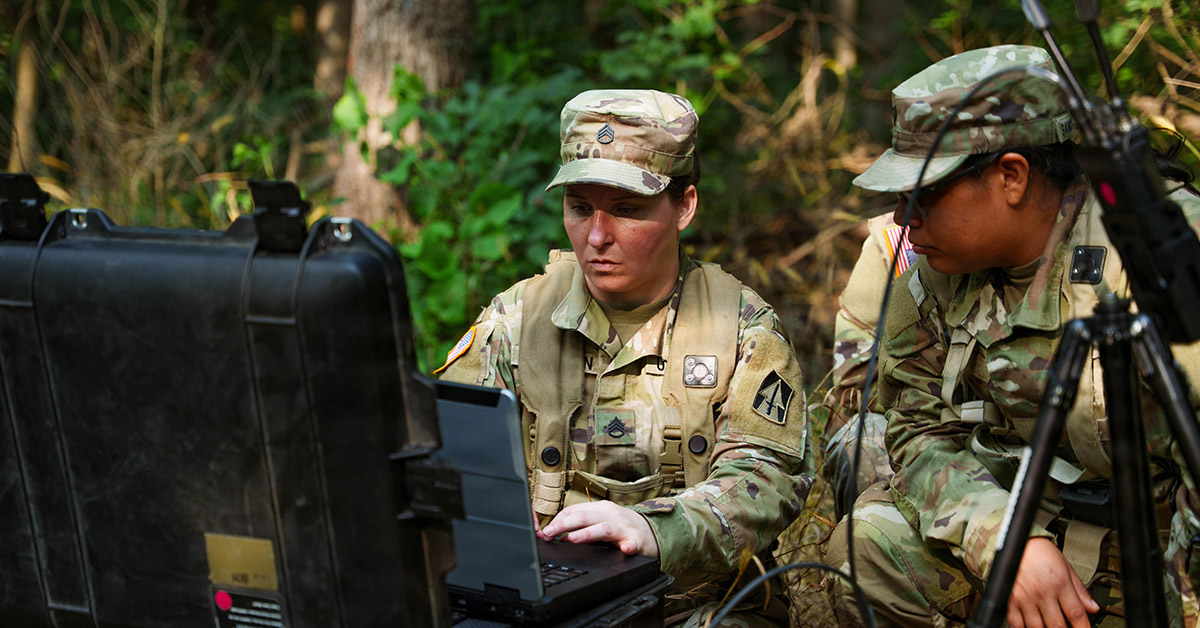
GDIT has won $1.3 billion for Guard network modernisation support. The seven-year framework covers cyber defence, operations centres, AI, data, communications, and enterprise IT.
-
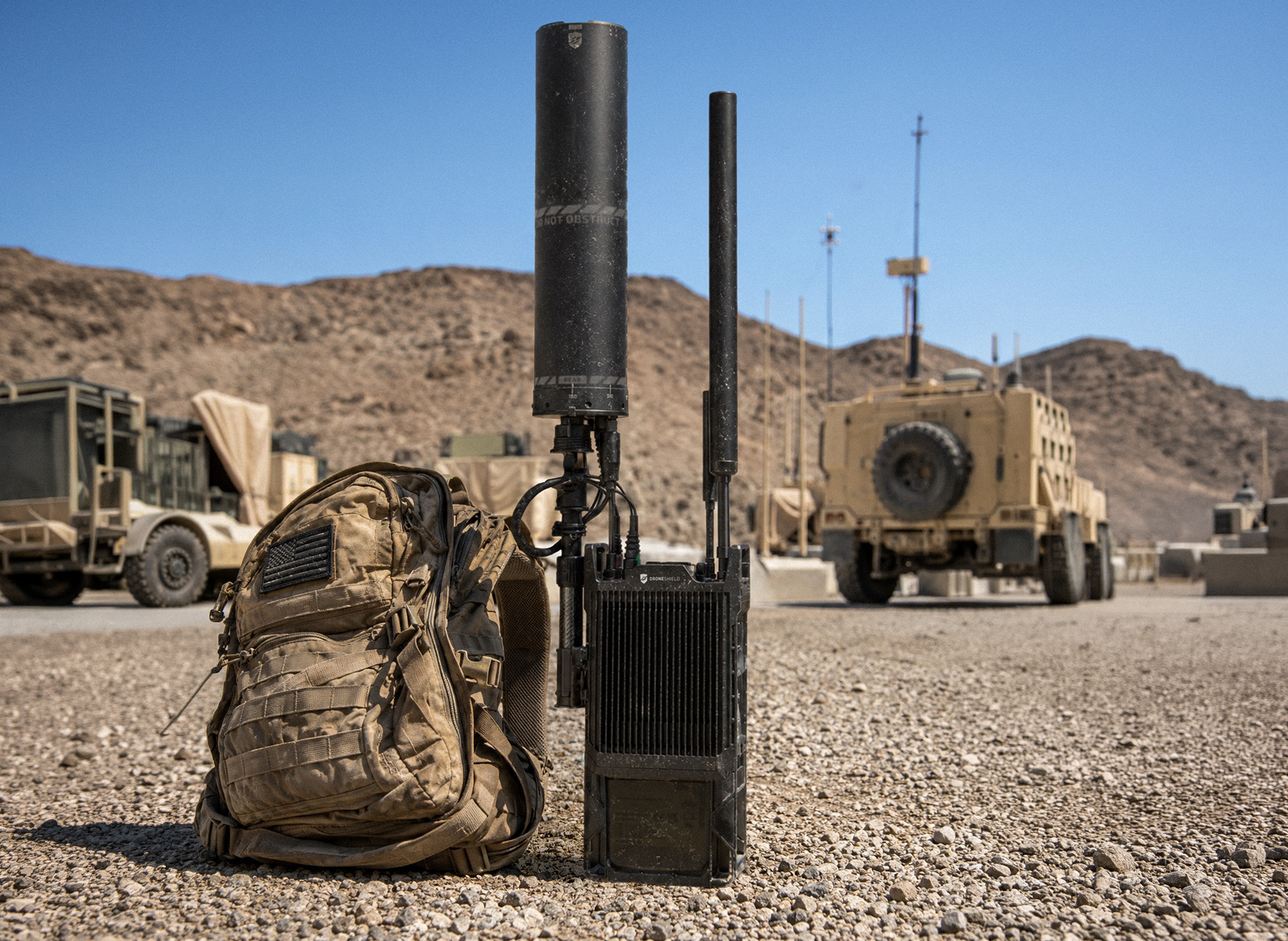
DroneShield has launched RfRecon for portable tactical radio-frequency intelligence operations. The system combines wideband sensing, direction finding, onboard processing, and the company’s recently introduced RfAI-3 architecture.
-
Leonardo DRS and Space42 will integrate mission and satellite systems. Their UAE-focused agreement combines C5ISR electronics with secure beyond-line-of-sight connectivity.
-
SAIC has secured a $400m recompete for intelligence ground systems. The classified award lifts first-half Intel Space wins above $1.6bn.
-
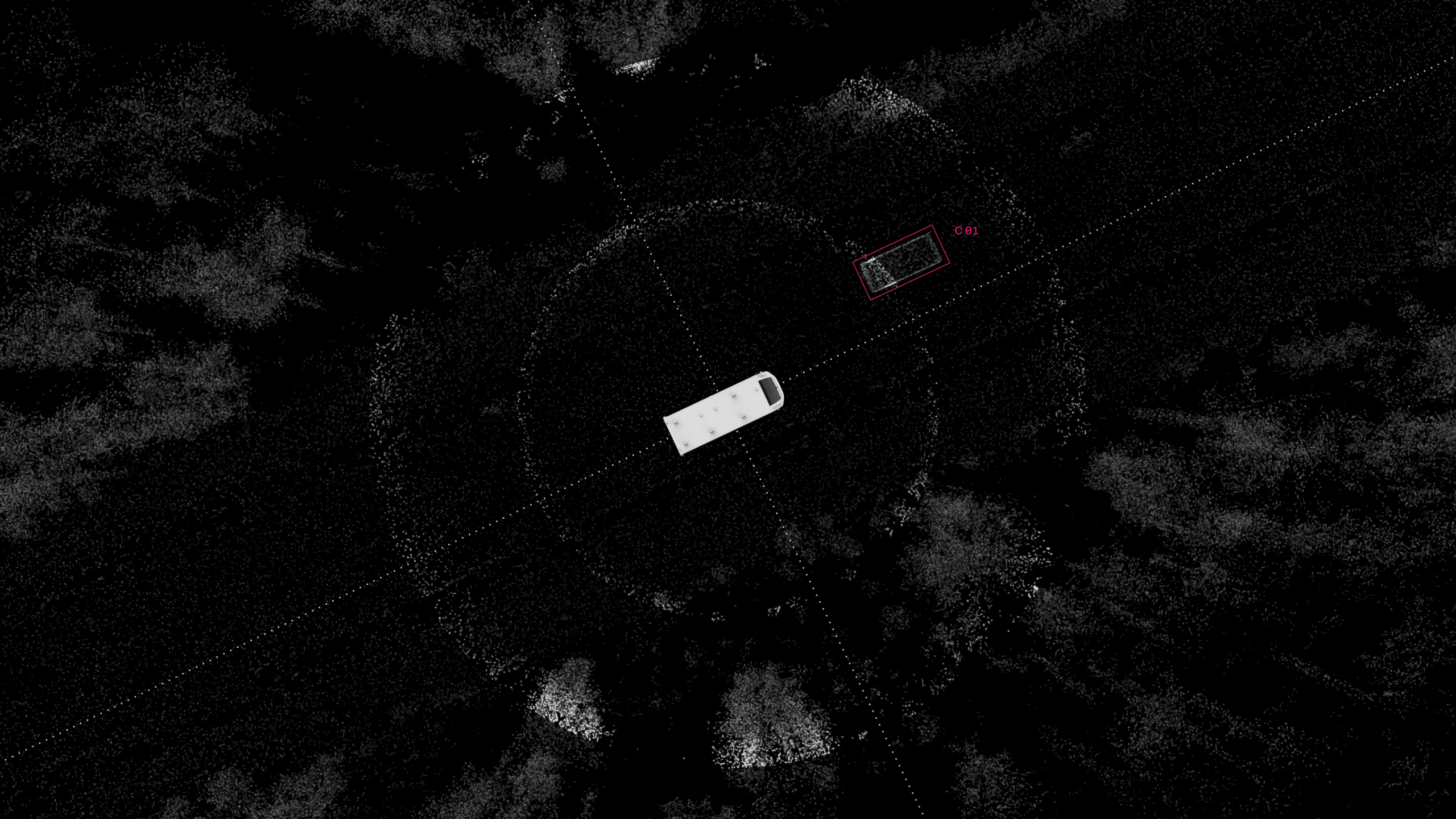
Einride is adding counter-UAS monitoring to autonomous military logistics operations. The Centinus partnership combines autonomous freight management with threat detection and force protection.
-

HENSOLDT plans a Stuttgart defence software centre with Bosch engineers. Around 300 roles will support networked architectures, MDOcore development, and the industrialisation of multi-domain software.