
Sea
-
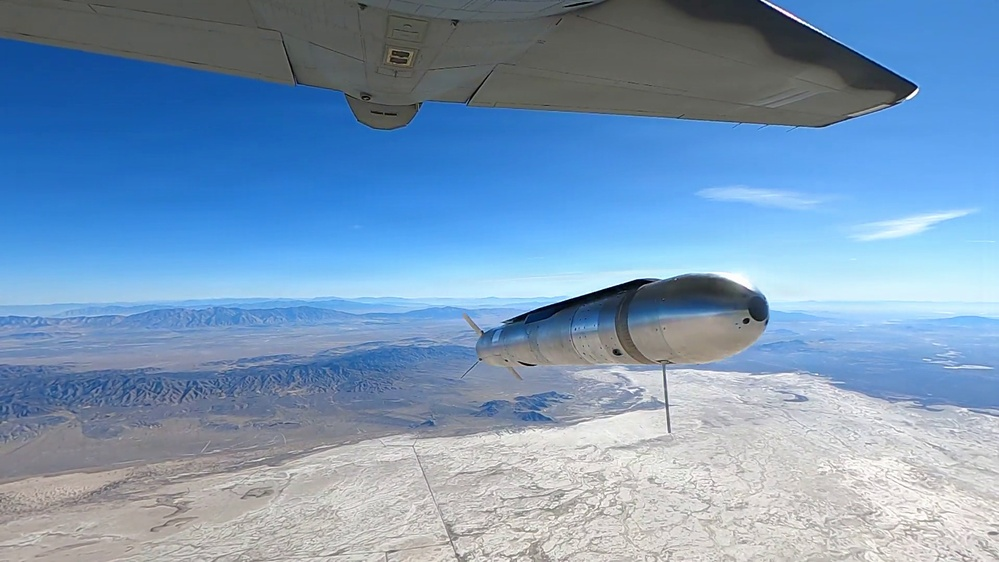
Exail will equip an unnamed navy’s entire uncrewed surface fleet. The order, worth tens of millions of euros, covers Marins inertial navigation systems designed to maintain position, heading and movement information when satellite navigation signals become unreliable.
-
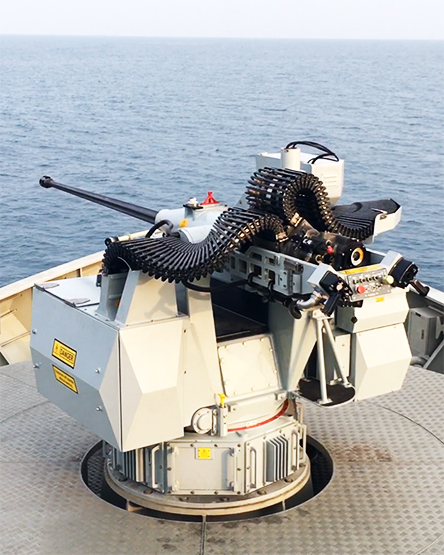
MS International’s defence subsidiary has won a German frigate contract. MSI-Defence Systems will supply twelve DS30M 30mm naval gun systems worth £29.7 million for four F128 frigates, with TKMS responsible for the shipbuilding programme.
-
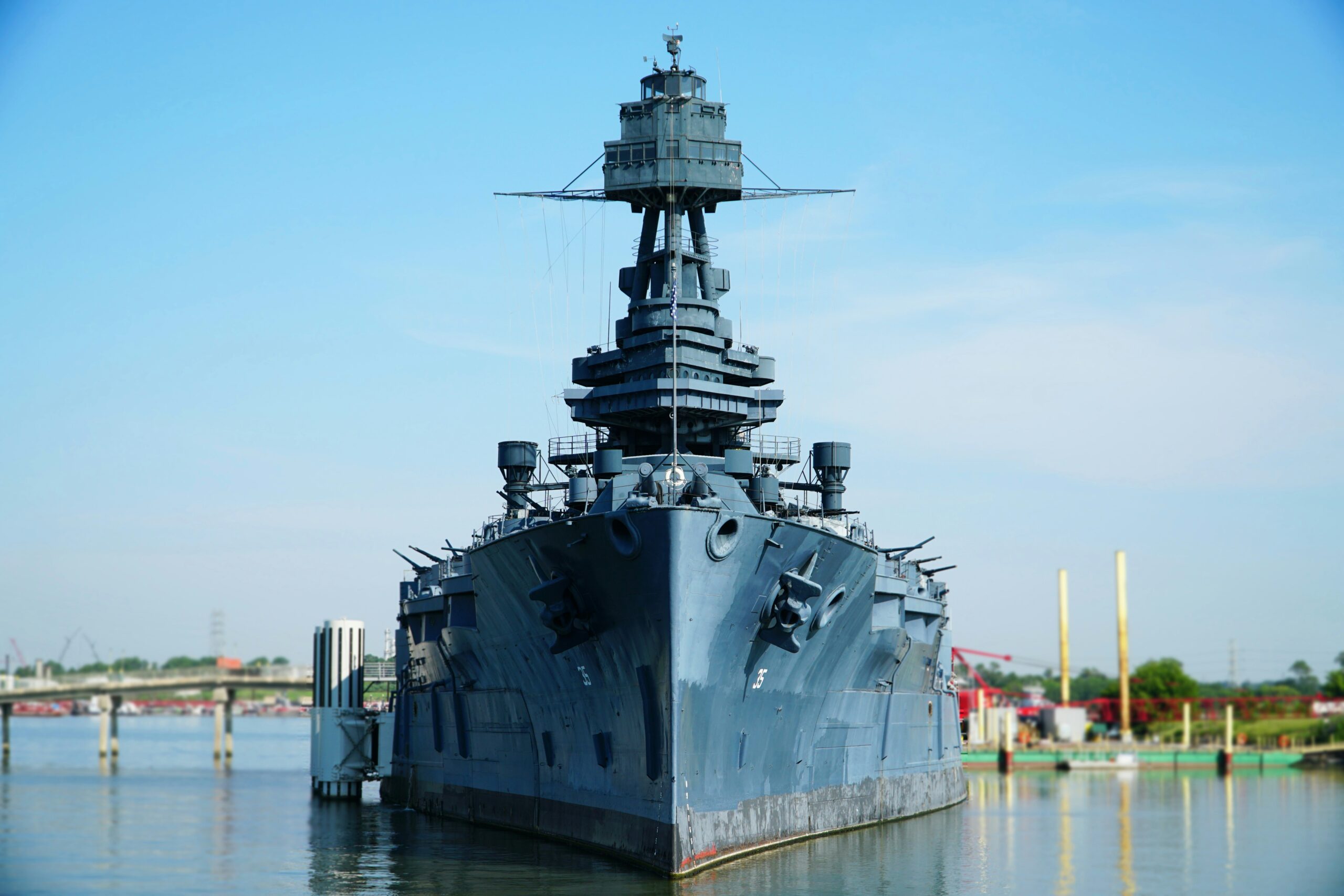
Sweden has ordered replacement naval guns with delivery in 2028. Four Bofors 57Mk3 weapons, 3P ammunition and training services will support the replacement of existing systems aboard unspecified Swedish Navy ships.
-
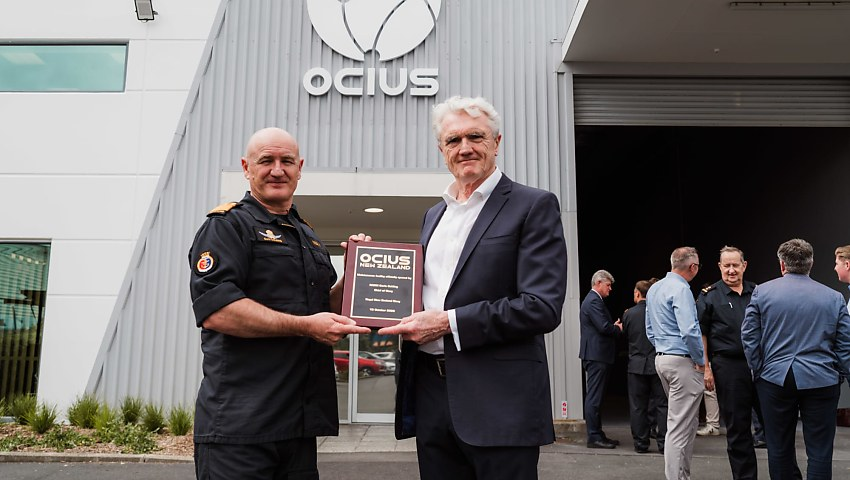
Two Bluebottle Hybrid vessels are participating in multinational naval trials. The diesel-assisted uncrewed surface vessels are operating in the US Navy-led Maritime Big Play Pacific exercise with ThayerMahan acoustic surveillance equipment, testing their integration with allied maritime capabilities.
-
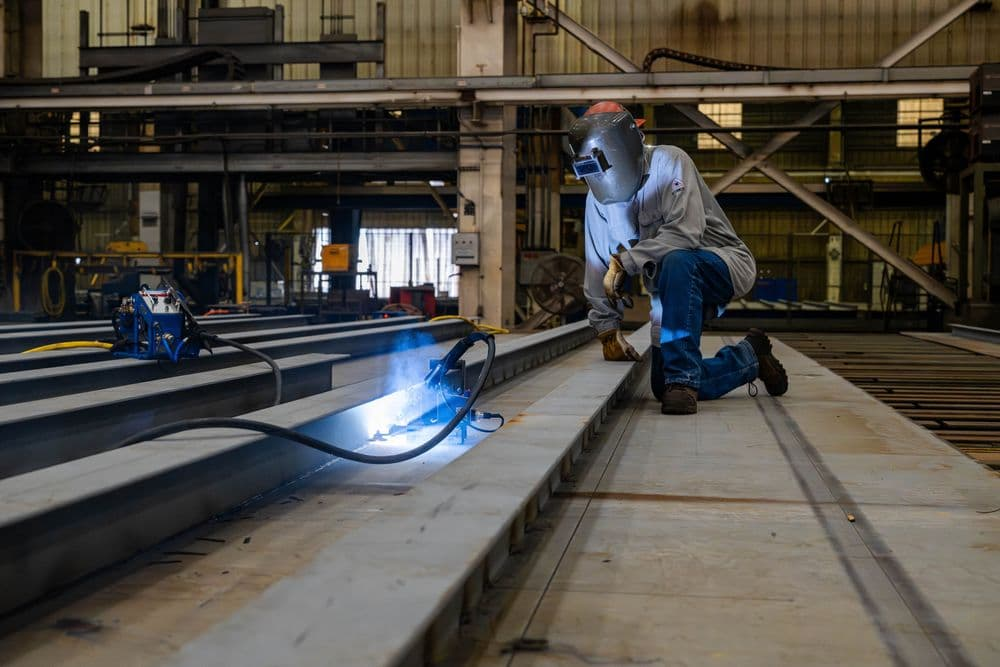
ST Engineering has advanced Kuwait’s Al Dorra naval construction programme. Its Singapore yard marked the third vessel’s keel laying and steel cutting for the fourth and fifth on 20 October, as the eight-vessel programme progresses across facilities in Singapore and the UAE.
-
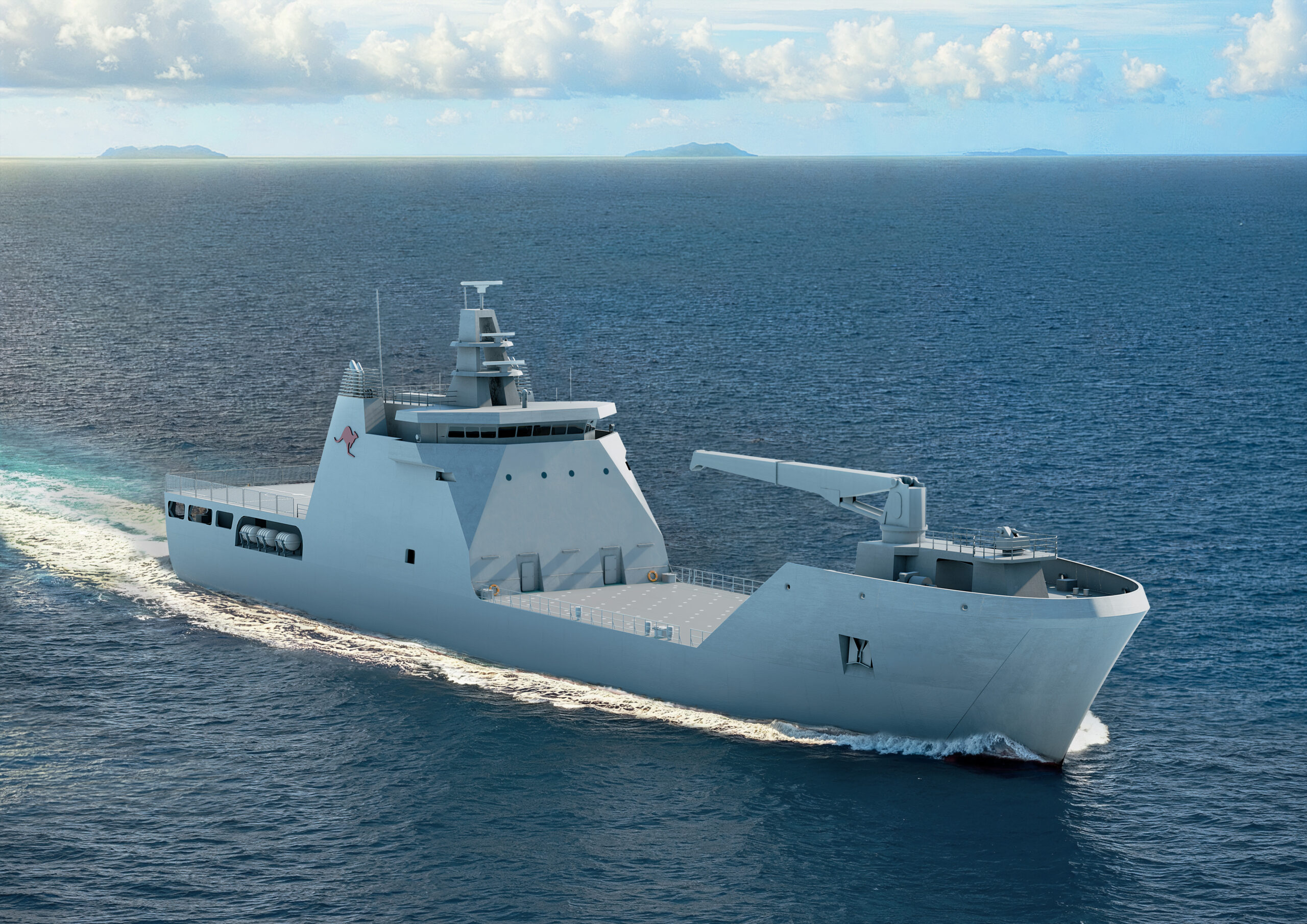
Australia’s reconstruction fund is financing expanded Austal naval manufacturing facilities. The conditional A$245 million debt package will support modular construction of eight Landing Craft Heavy vessels at Henderson, with 780 additional jobs expected in Western Australia.
-
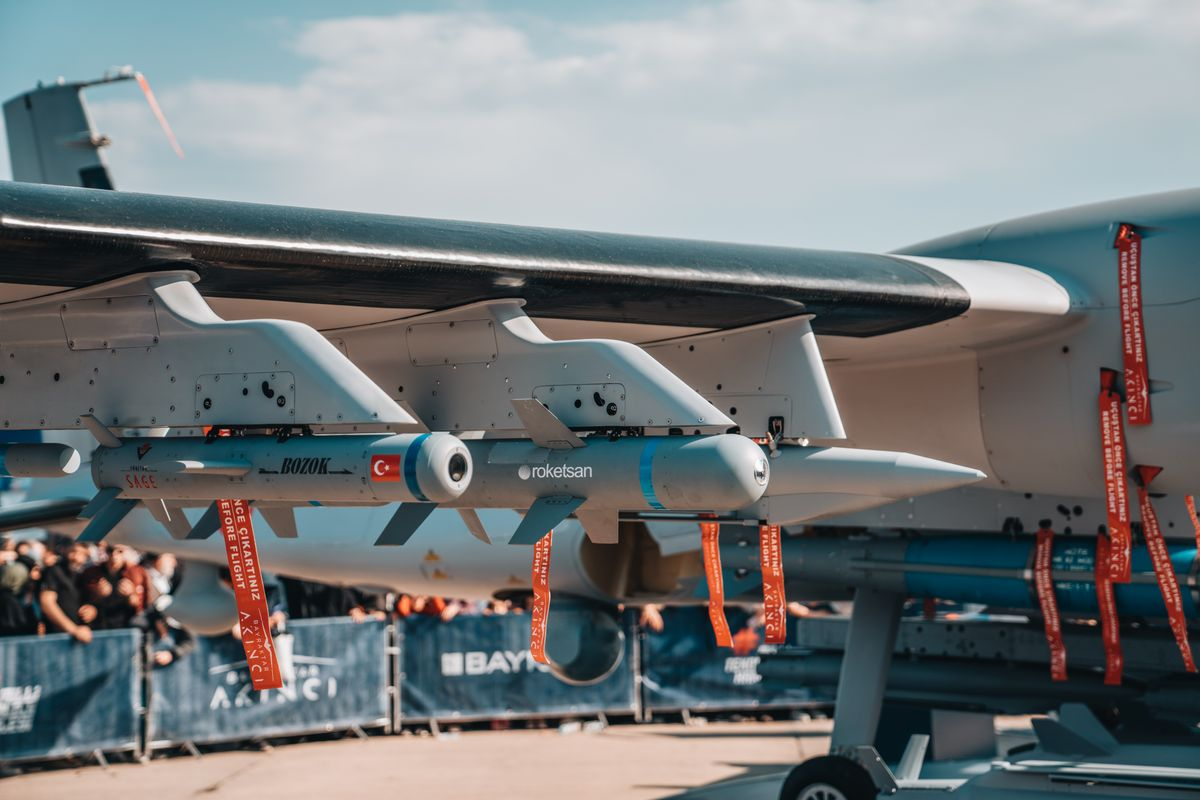
RTX has recorded major multiyear production awards for two missiles. Its third-quarter results identify Tomahawk and AMRAAM contracts as undefinitized, alongside higher Raytheon sales and defence backlog.
-
Gecko Robotics can pursue substantially more US Navy inspection work. The ceiling on its existing contract has risen to $300 million, allowing further orders for robotic ship surveys without guaranteeing that expenditure.
-

Fairbanks Morse is expanding specialised naval propeller manufacturing in Mississippi. The $60 million Pascagoula project adds precision machining capacity, with new facilities scheduled to enter service in early 2028.
-
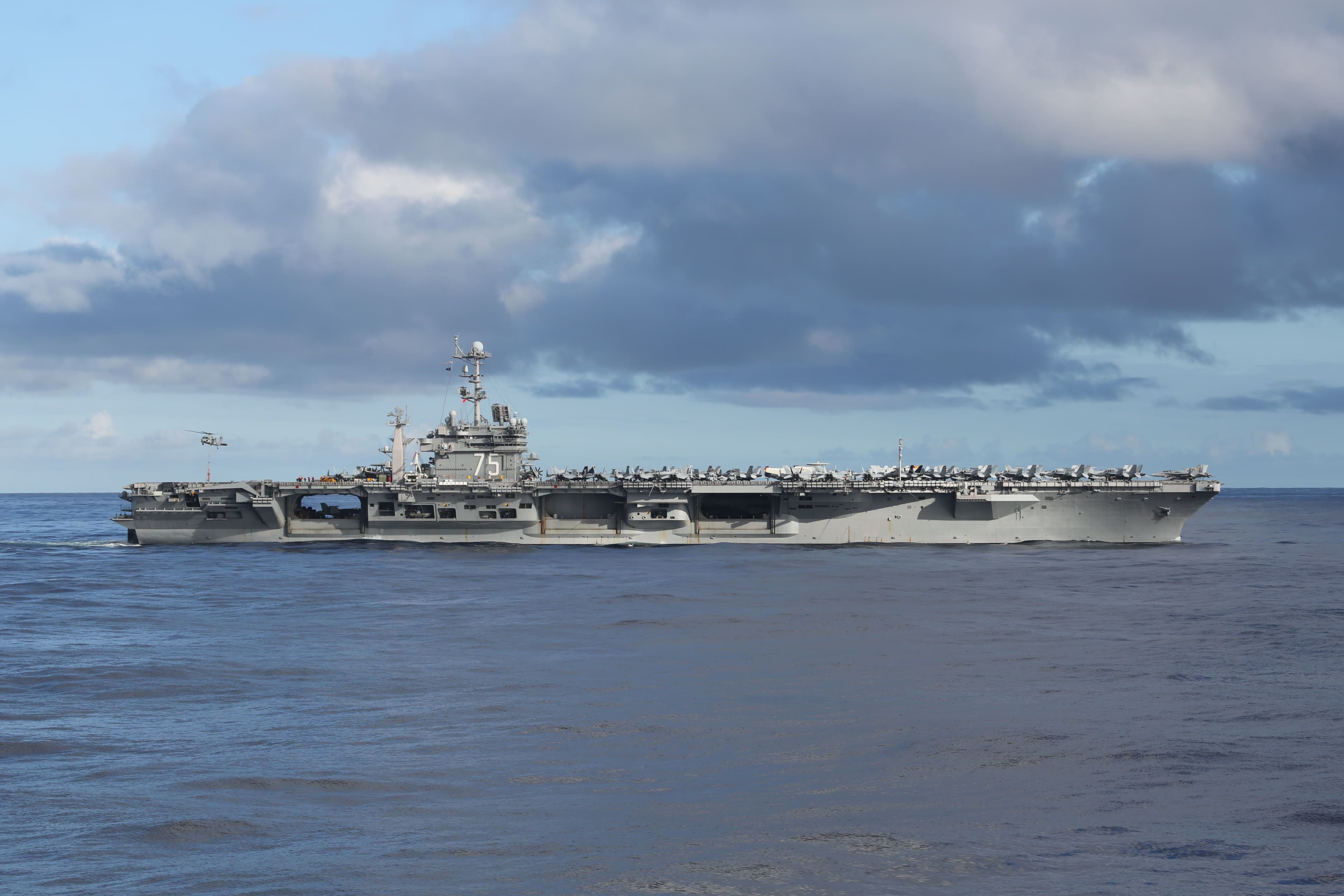
HII will provide engineering support during a US carrier overhaul. The $16.19 million order covers elevators, handling equipment and technical training aboard Harry S. Truman, separately from the shipyard’s main refuelling contract.