
Sea
-
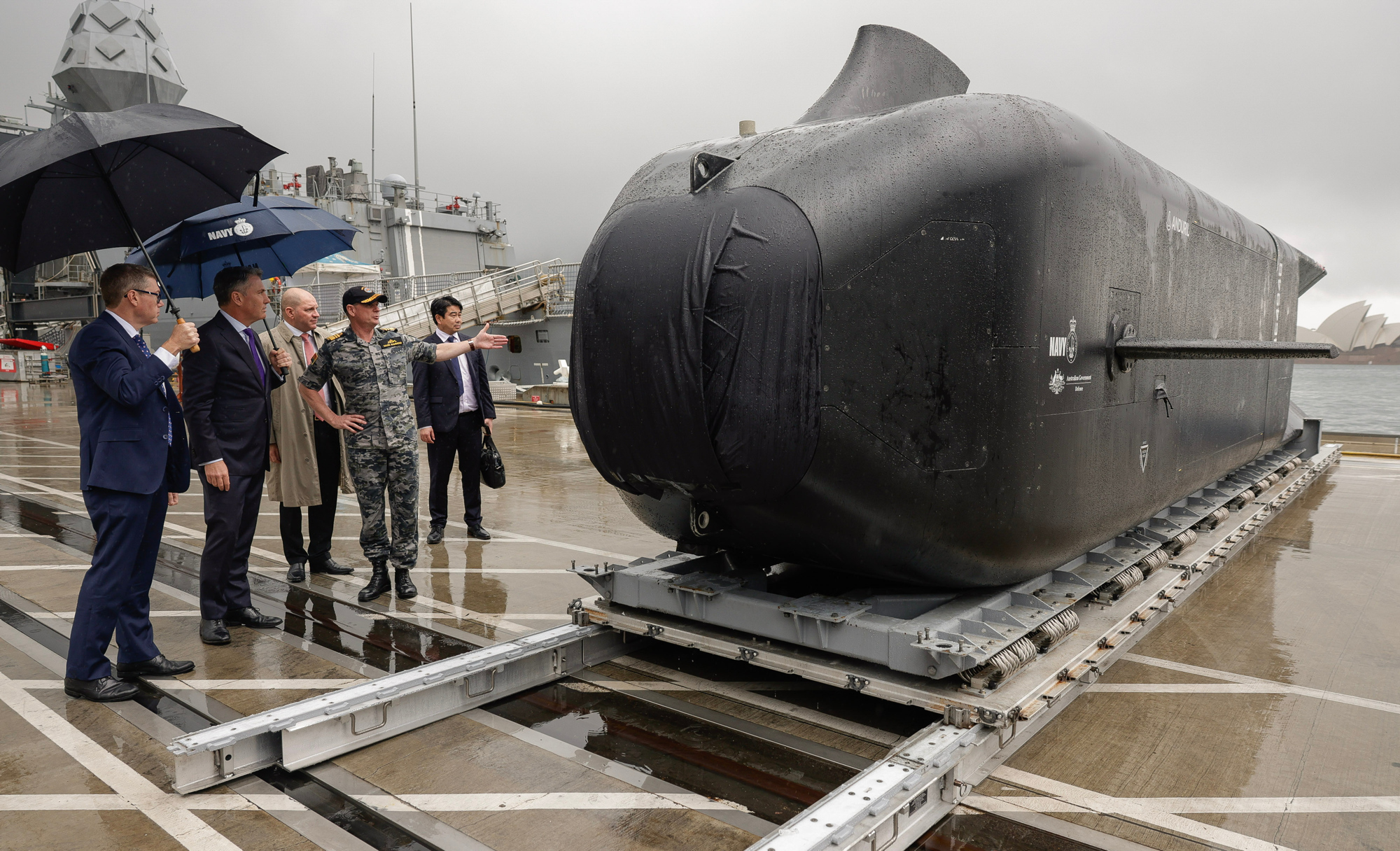
Australia has disclosed new payloads for its uncrewed underwater systems. The systems extend planned maritime missions and will undergo further allied testing.
-
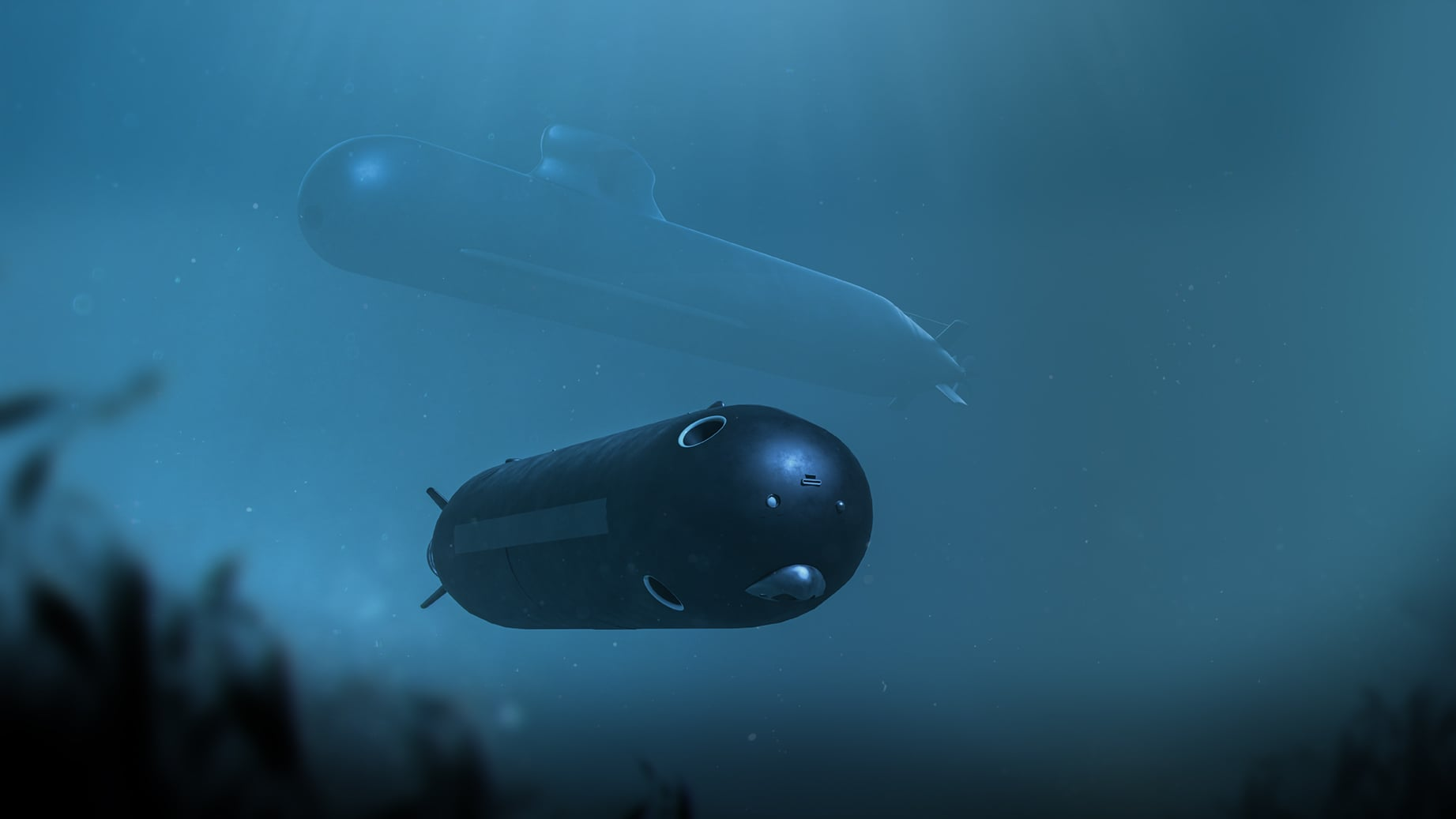
Saab has completed initial trials of an underwater vehicle demonstrator. Sweden’s first development phase has concluded, but further evaluation and autonomy development remain before any operational procurement decision.
-
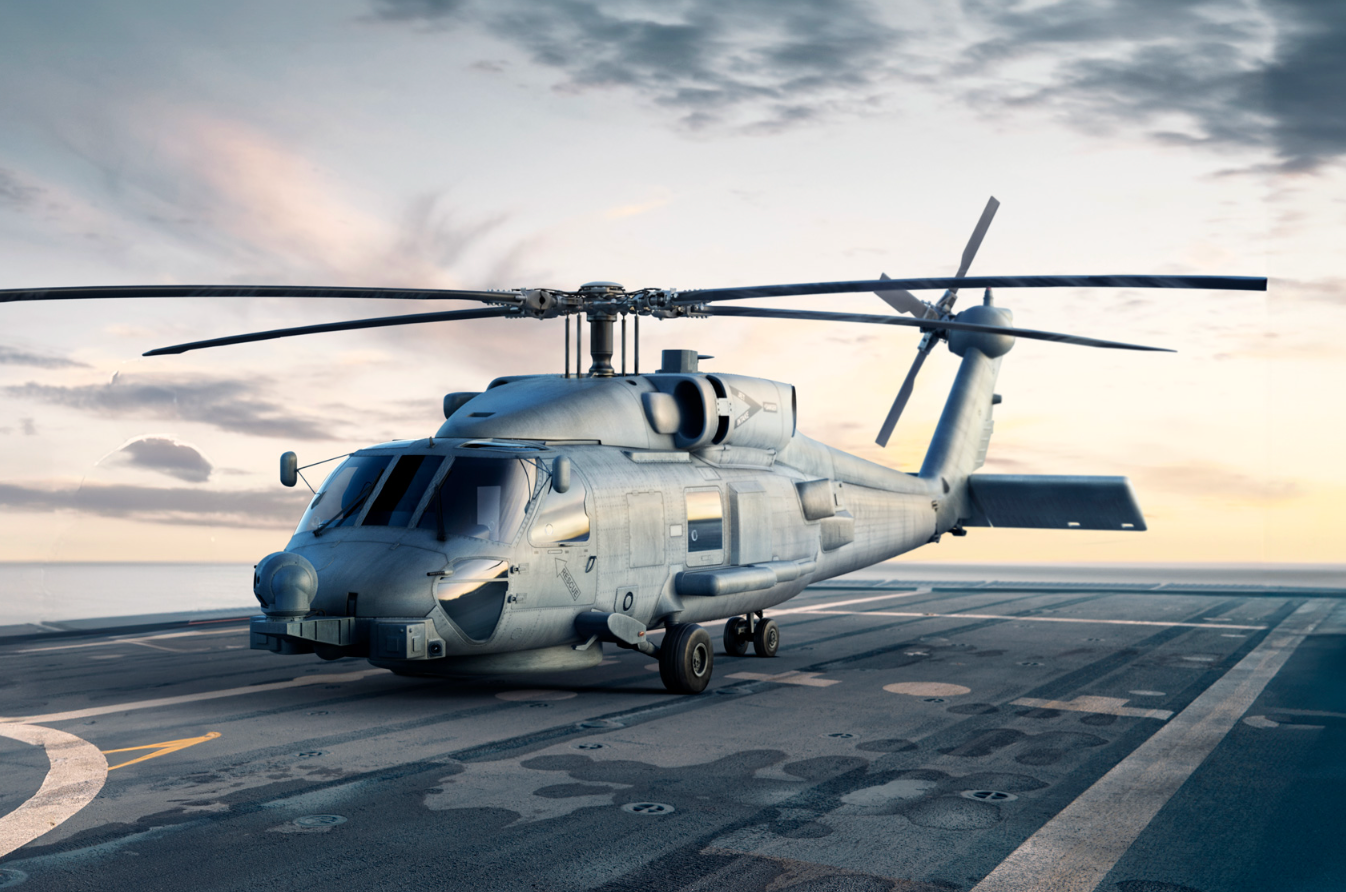
Australian Seahawks are approaching installation of digital magnetic anomaly sensors. The current update follows a 2024 kit contract and 2025 integration announcement; fleetwide completion remains unconfirmed.
-
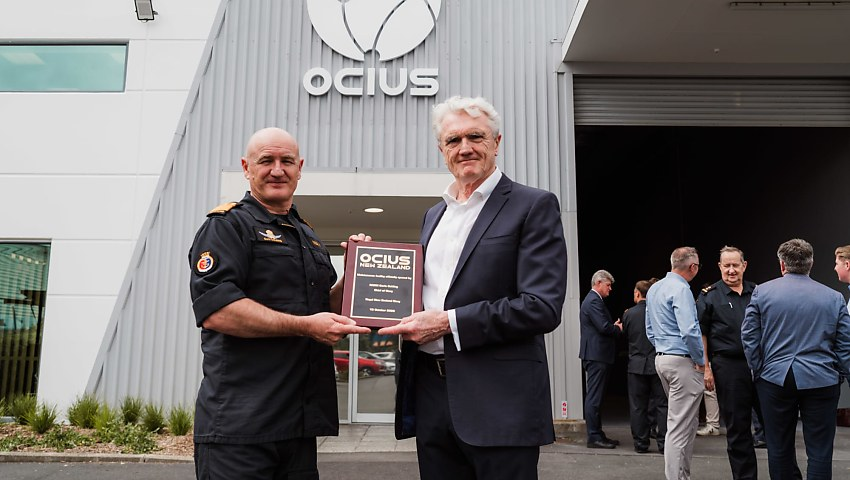
Ocius has opened its expanded Sydney Bluebottle production operations hub. The site supports an existing Australian order for 40 additional vessels; the separate Auckland facility concentrates on maintenance.
-
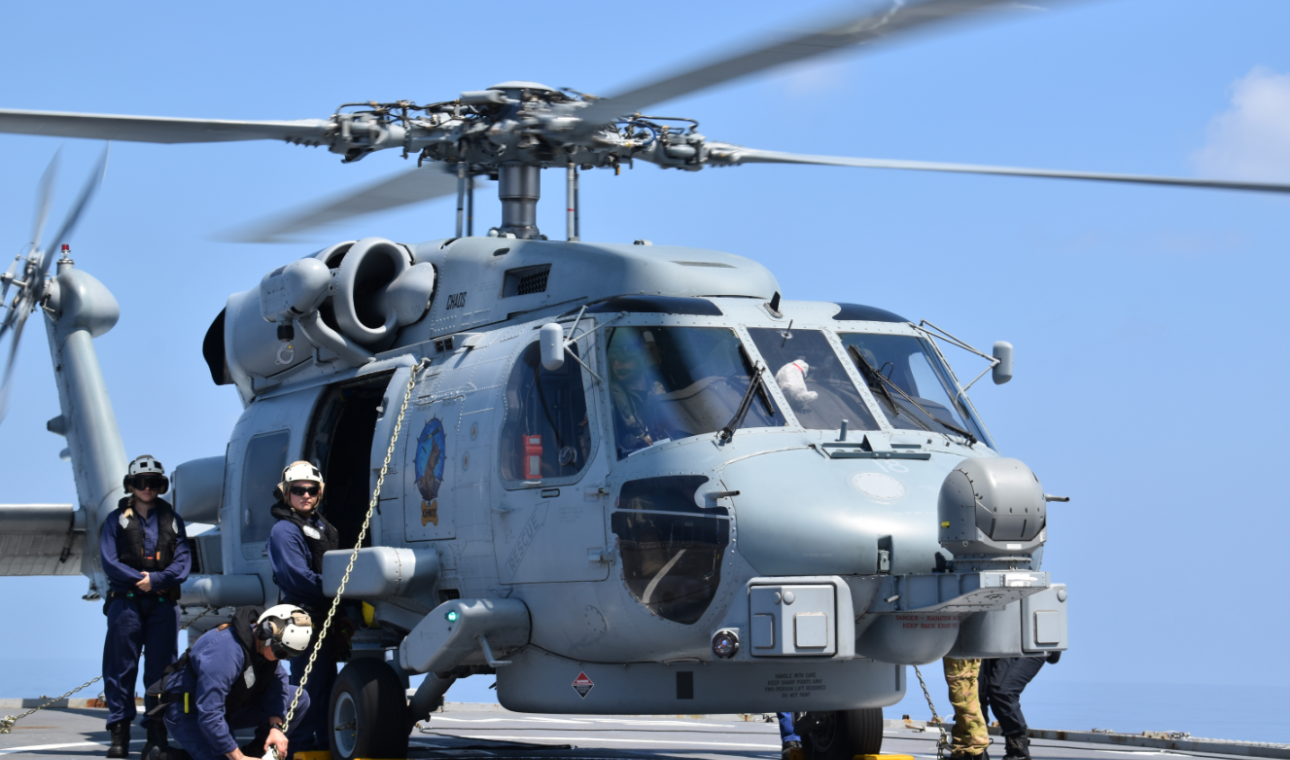
New Zealand has signed for five MH-60R Seahawk maritime helicopters. The October purchase is distinct from the NZ$1.648 billion capital programme and earlier US export approval.
-
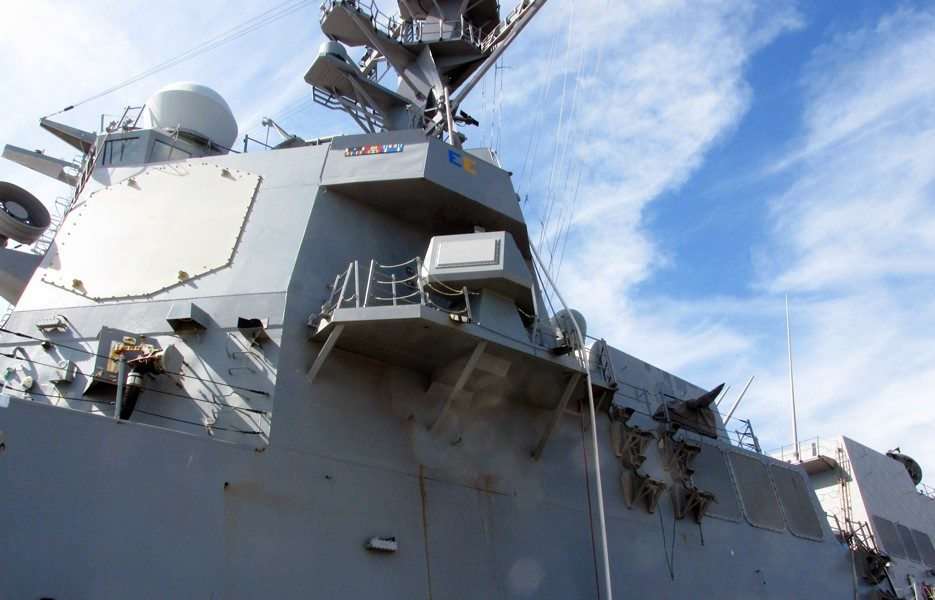
Lockheed Martin has received another naval electronic warfare production modification. The $74.29 million order covers AN/SLQ-32(V)6 systems for Canada, Japan and the US Coast Guard, with work scheduled through September 2029.
-
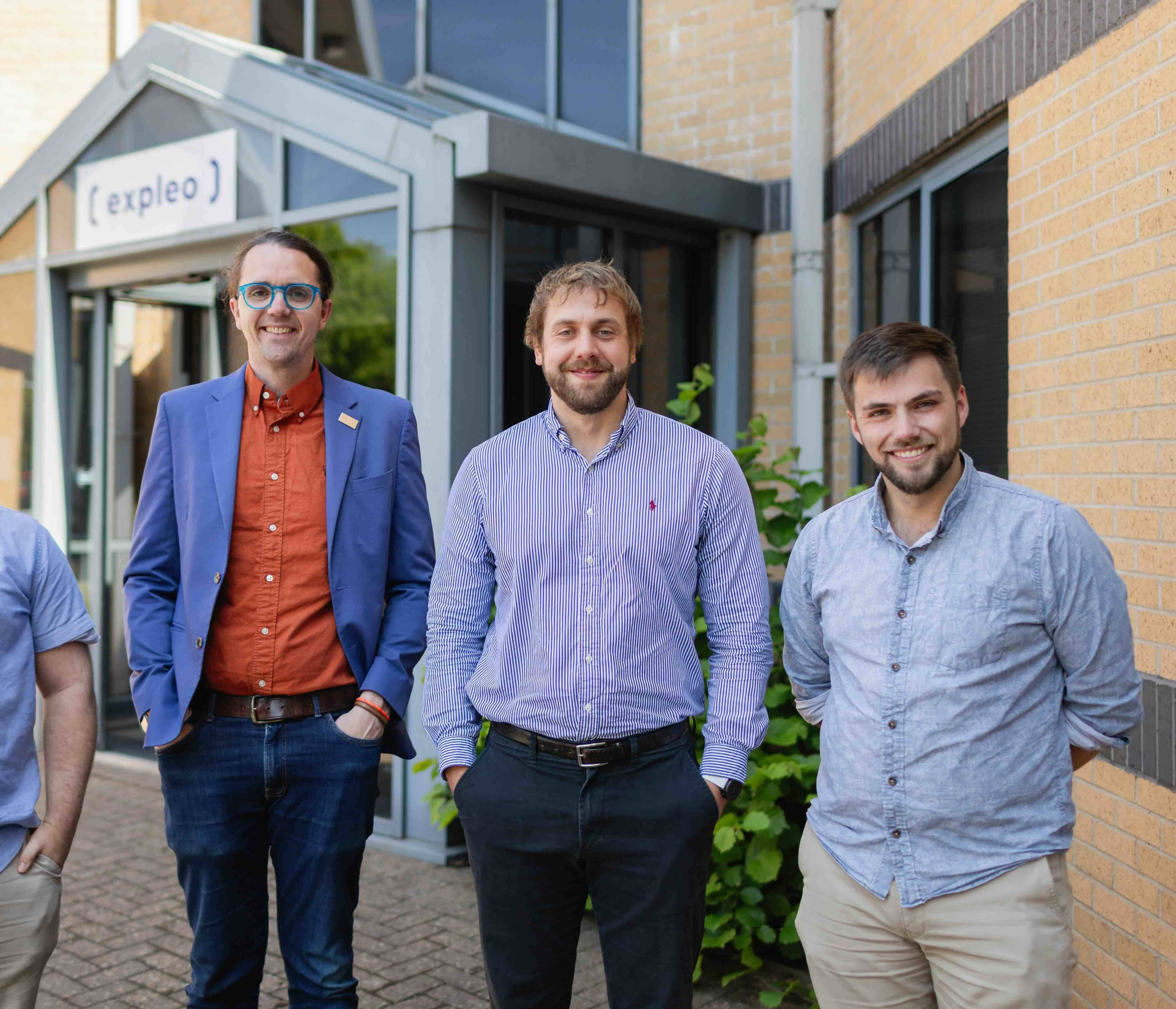
Expleo joins Babcock’s five-year framework for specialist engineering support services. The appointment expands an established supplier relationship across marine, nuclear, land and mission systems, without guaranteeing a specified volume of work.
-

India has signed two defence procurement contracts worth ₹4,106 crore. One covers an Air Force communications satellite; the other buys ship-launched heavyweight torpedoes for the Navy.
-
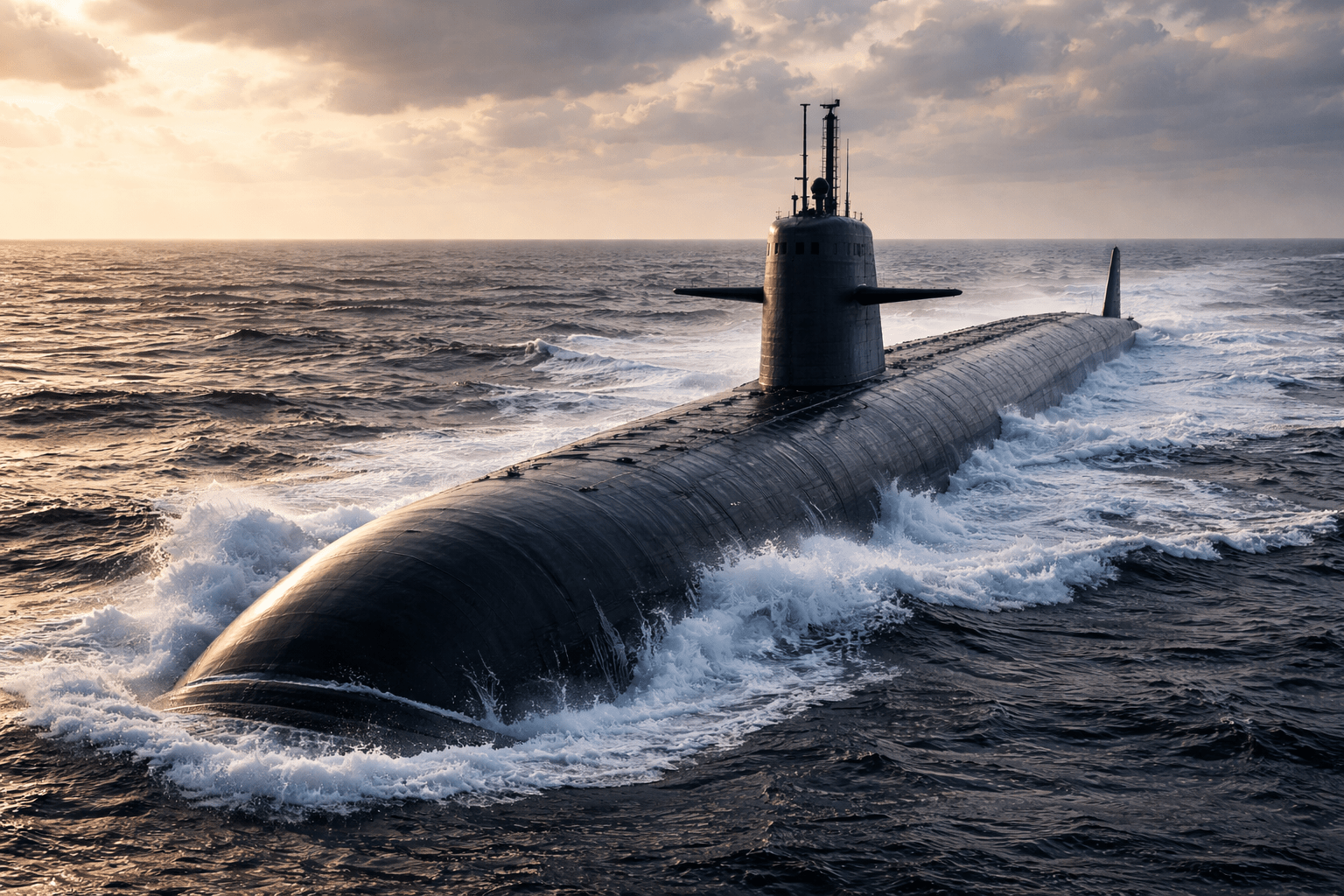
HII has received a new US Navy AUKUS engineering contract. The $56 million award covers design, supply chain and workforce support, with an unexercised option taking its potential value to $91 million.
-
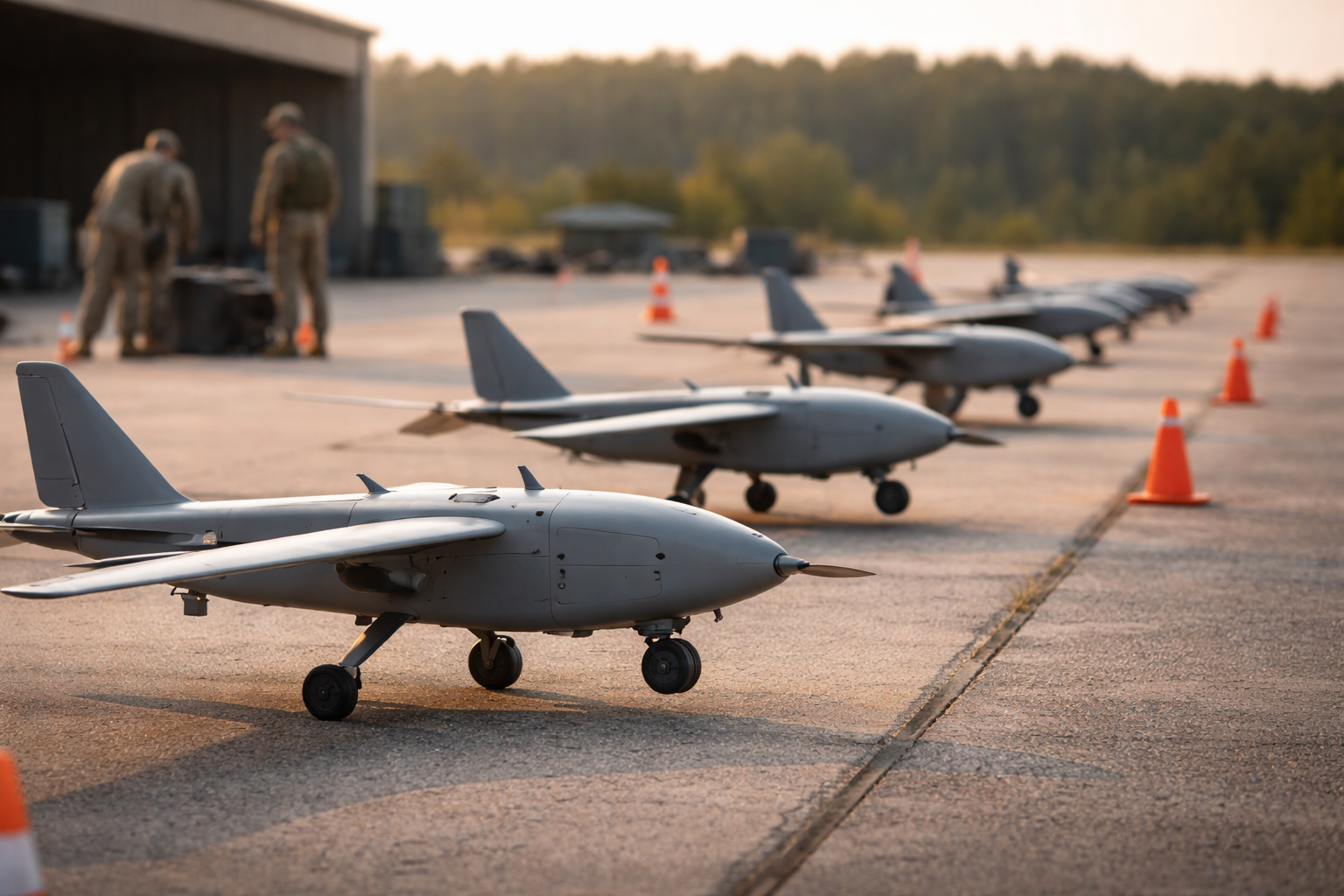
AeroVironment and Thunder Tiger are examining Taiwan-based uncrewed systems integration. Their agreement covers a possible multi-round Switchblade launcher aboard an uncrewed vessel, alongside future aircraft co-production and local engineering cooperation.