
Sea
-
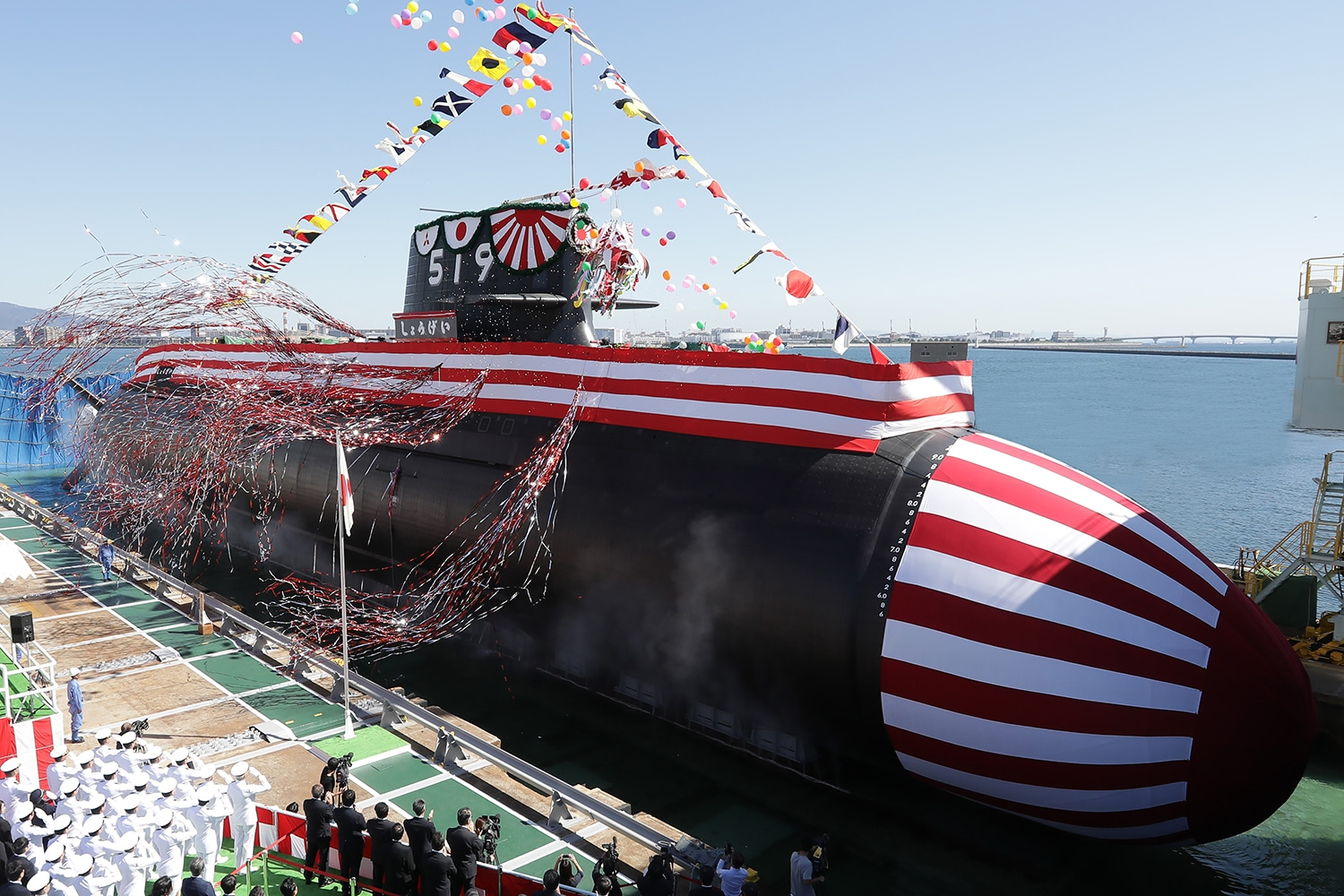
Mitsubishi Heavy Industries launched Japan’s seventh Taigei-class submarine at Kobe. Named Shogei, the vessel will undergo machinery, electrical and weapons outfitting before delivery during Japan’s 2027 financial year.
-
X-Bow will develop a solid rocket booster for Navy missiles. The $69.7 million programme also funds qualification and tooling for annual production capacity of up to 500 motors.
-
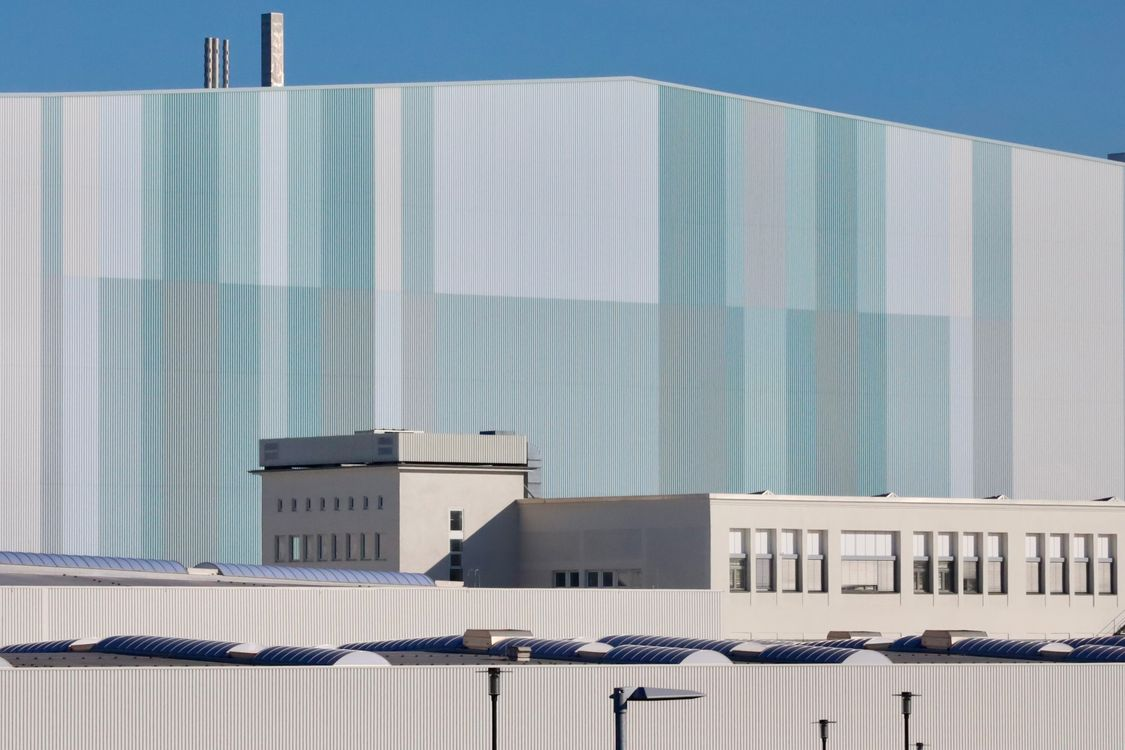
Anduril plans a $3.7bn shipyard at Maryland’s Sparrows Point site. Arsenal-2 will add two million square feet of manufacturing capacity to the US submarine industrial base.
-
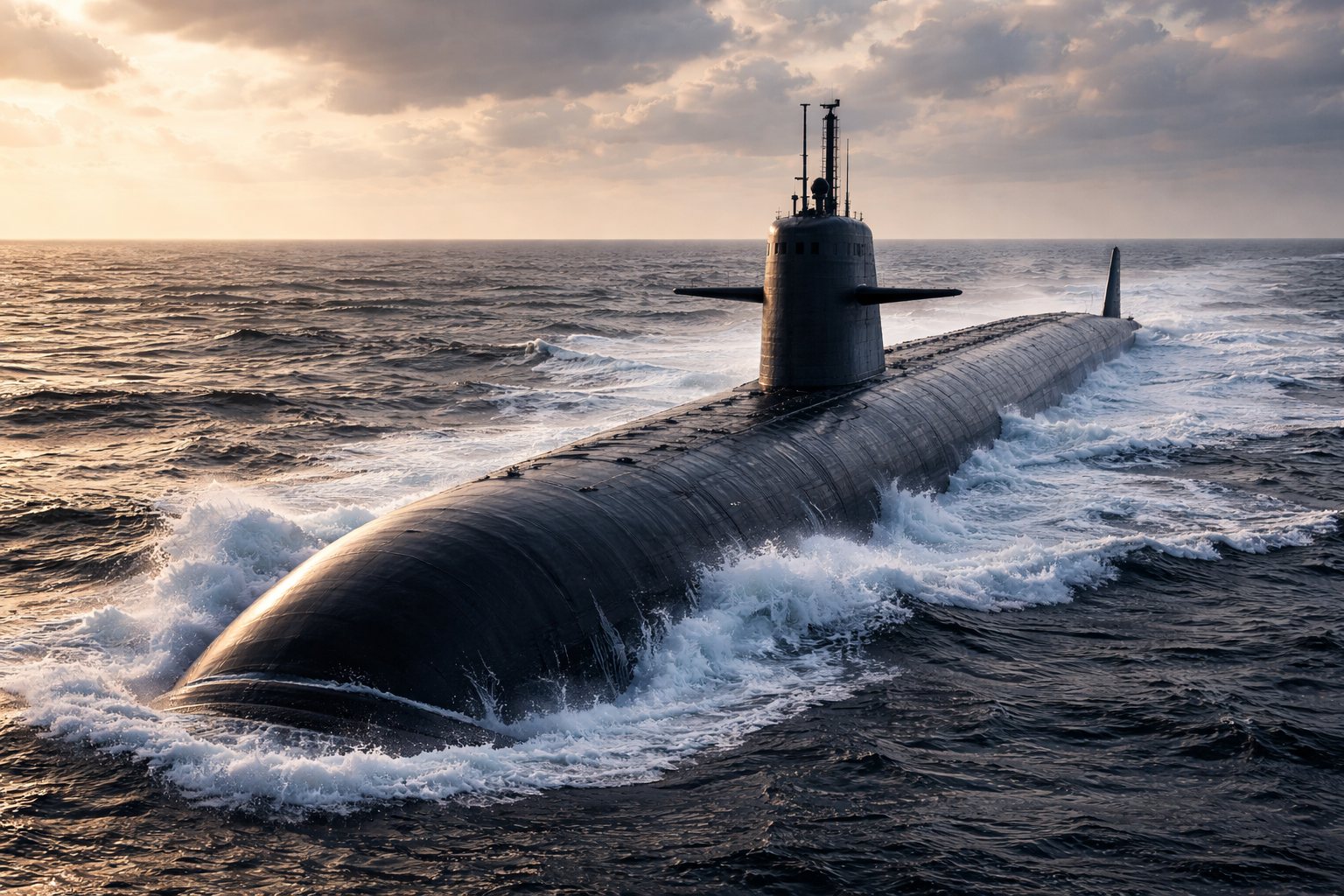
France completed first M51.3 acceptance firing from submarine Le Vigilant. The unarmed launch tested the submarine’s weapon system after its scheduled deep maintenance period.
-
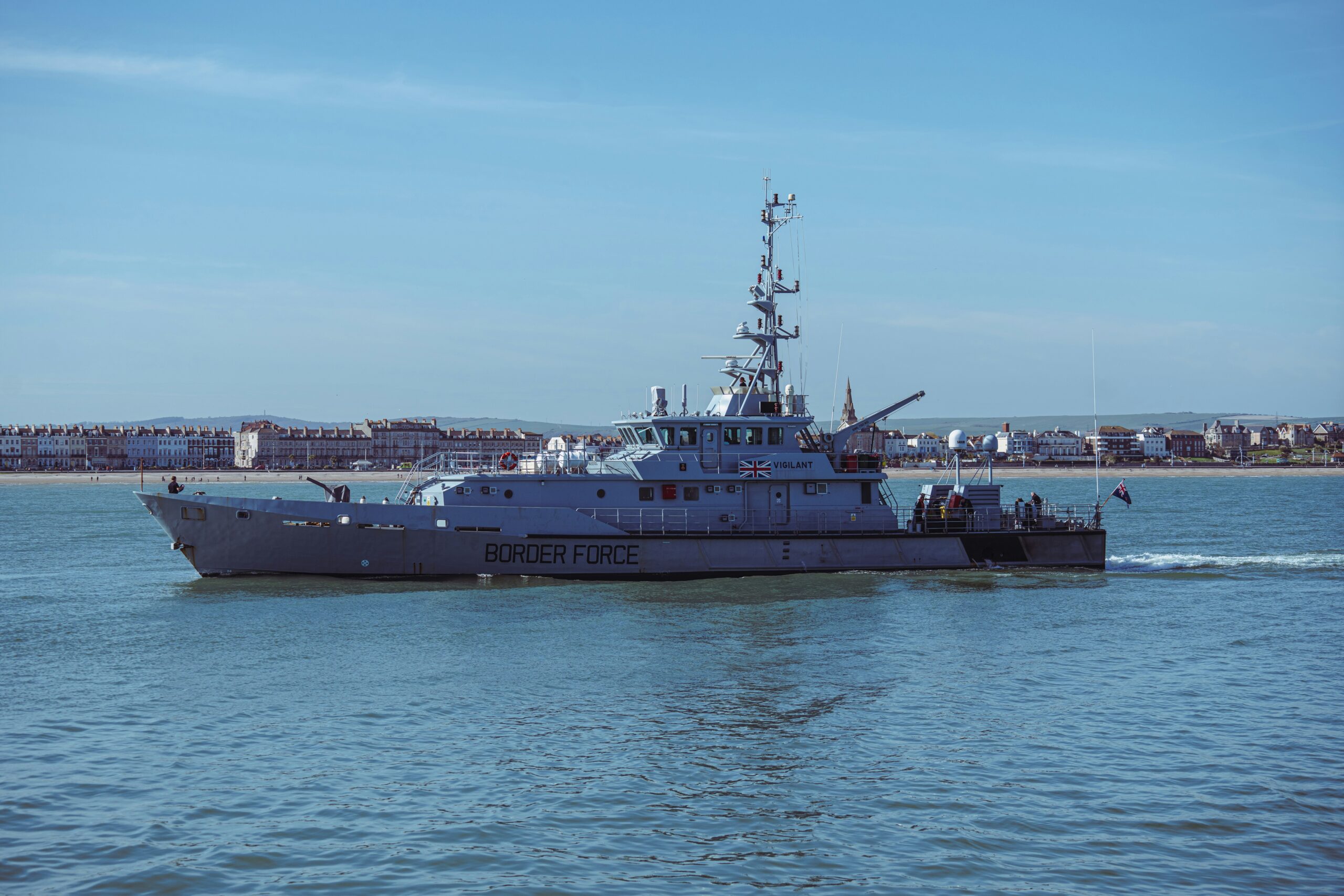
India has ordered BrahMos fire control systems and naval launchers. The ₹661.50 crore contract requires at least 68% indigenous content and covers a three year delivery period.
-
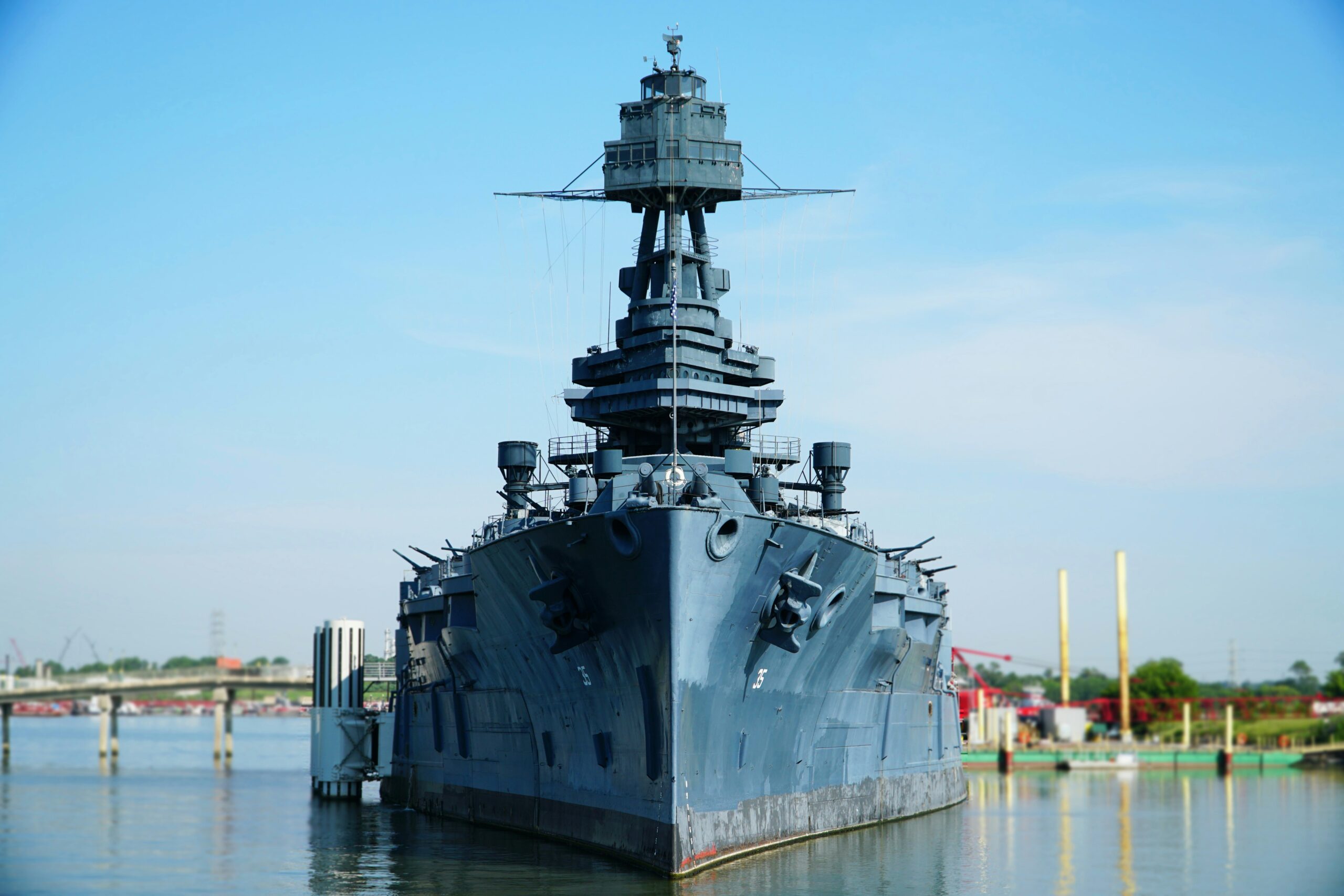
Hindustan Shipyard has launched India’s first indigenous fleet support ship. The yard has also laid the fifth ship’s keel and commissioned infrastructure capable of handling vessels up to 45,000 DWT.
-
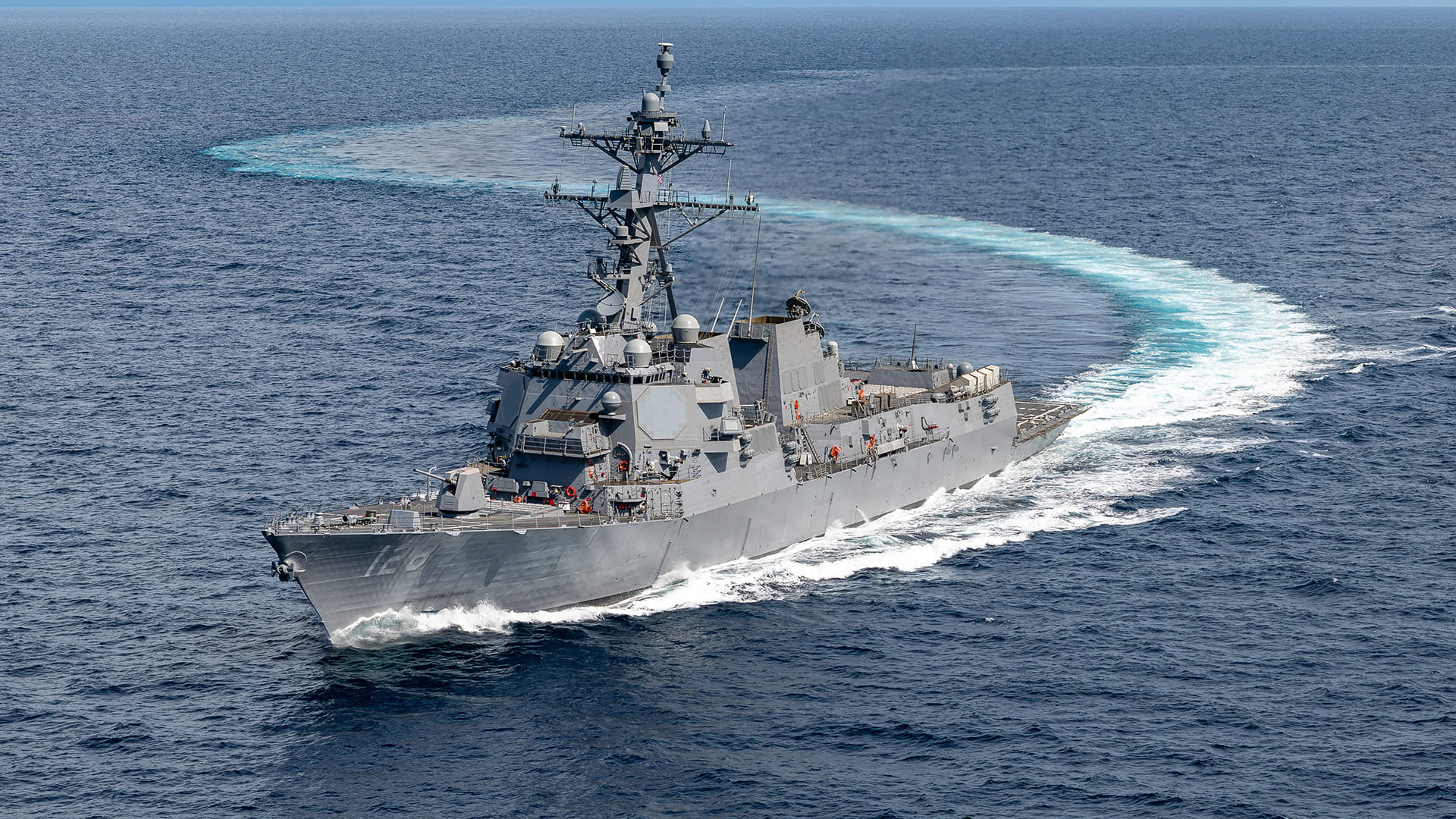
USS Ted Stevens enters service as second Flight III destroyer. The ship combines SPY-6 radar, Aegis Baseline 10 and expanded electrical and cooling capacity for simultaneous air and ballistic missile defence missions.
-
Rampart has completed its first live firing campaign at sea. The Naval Group launcher fired guided and unguided 68mm rockets aboard a French Mistral-class ship during the WILDFIRE counter drone exercise.
-
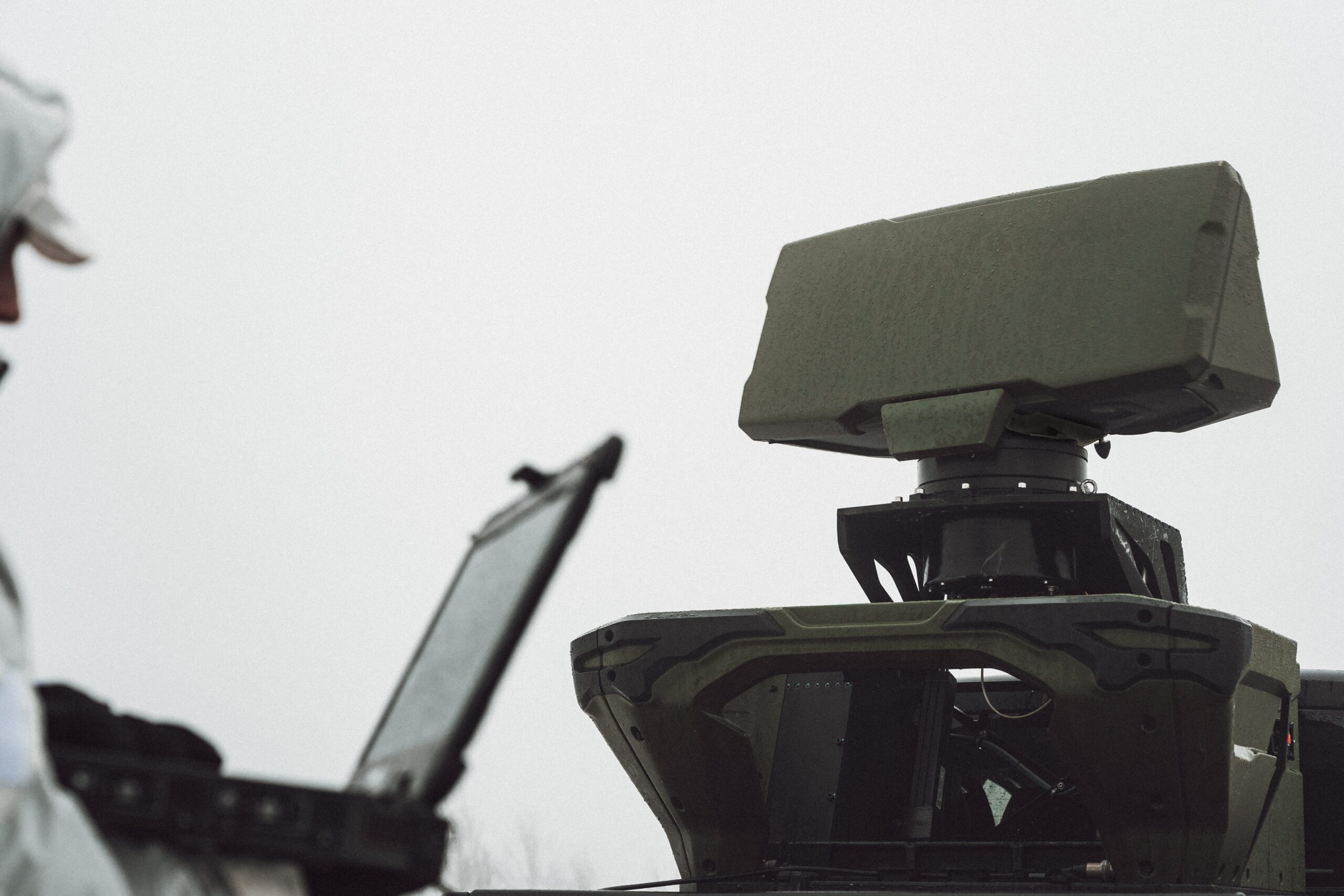
Saab and Kraken have tested an autonomous maritime drone seeker. The UK-built prototype combines Giraffe 1X radar with the K3 Scout uncrewed surface vessel for counter UAS surveillance around ships and infrastructure.
-
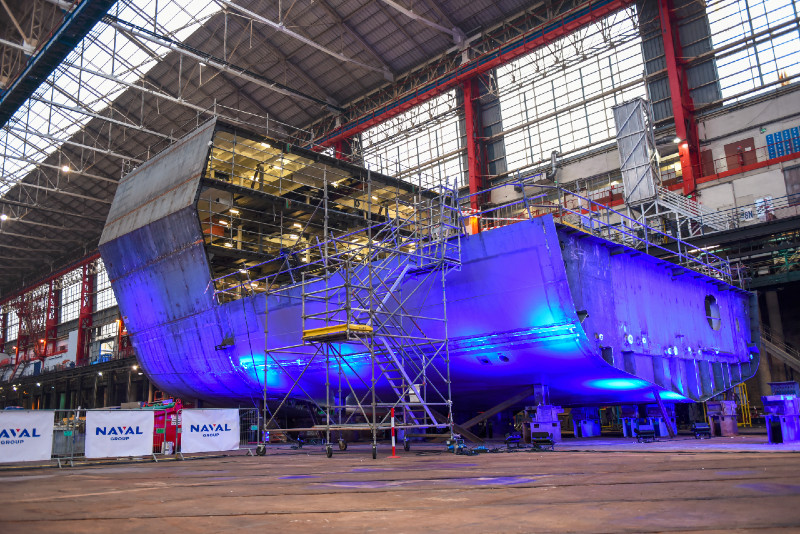
Naval Group has started Sweden’s first FDI frigate at Lorient. Steel cutting begins a four-ship production programme that expands the yard’s FDI workload across three NATO navies.