
Sea
-
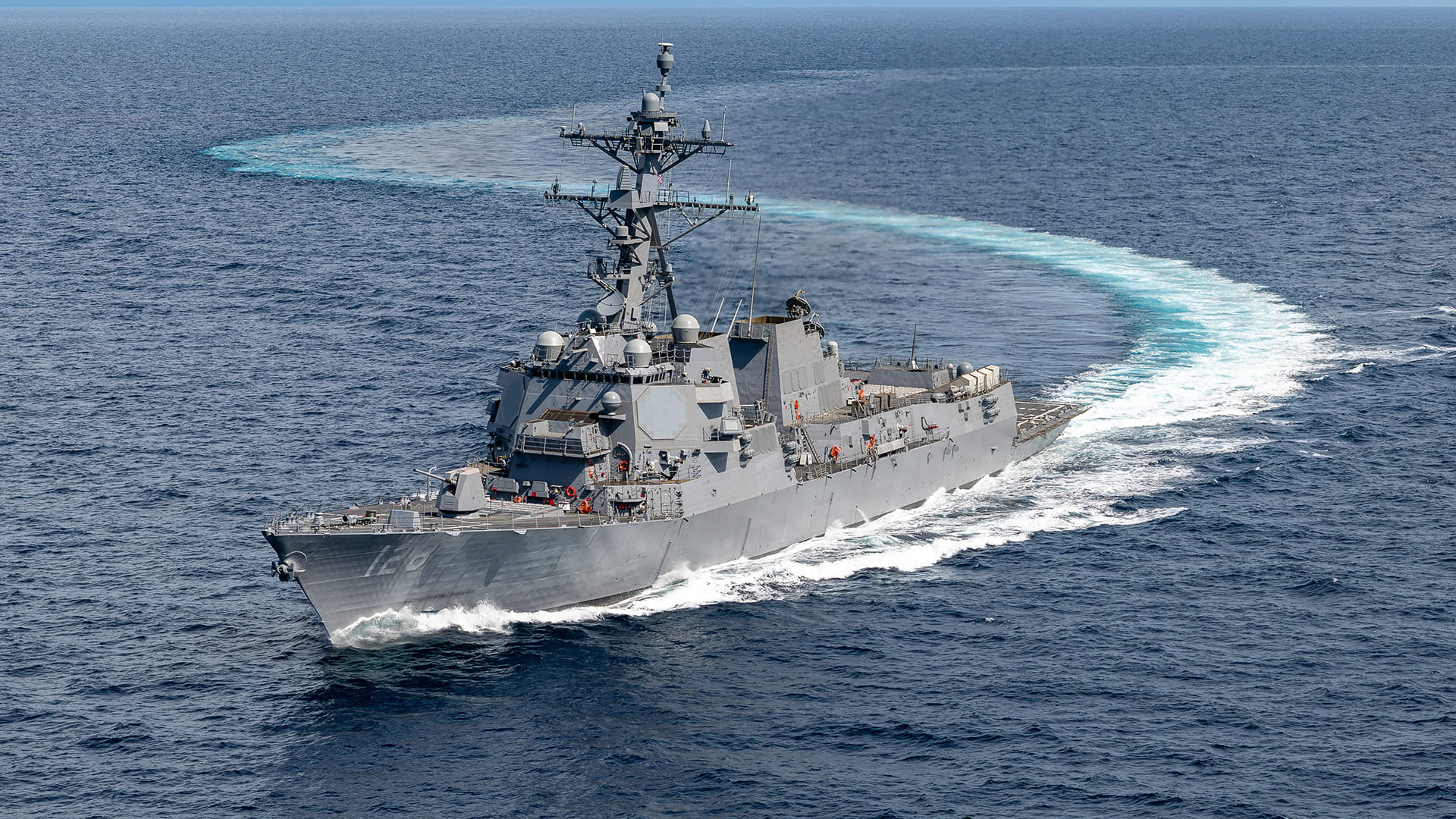
Raytheon has received another major SPY-6 hardware production modification award. The $511.5 million action extends radar manufacture and spares work through November 2031 across multiple US facilities.
-
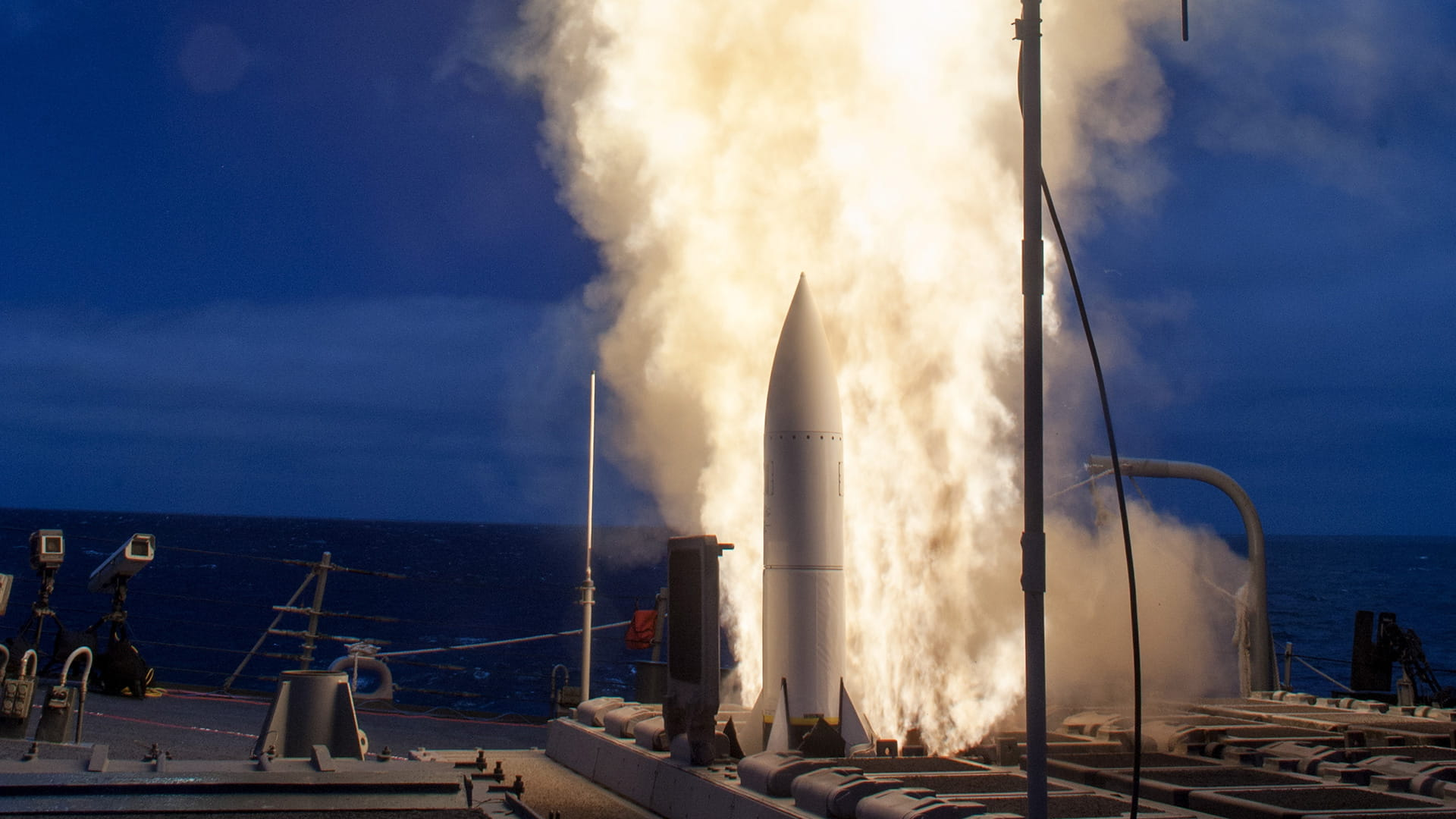
Raytheon has secured a $24.4 billion SM-6 production contract award. The seven-year framework supports annual output above 500 missiles alongside factory automation, supplier expansion, and workforce investment.
-
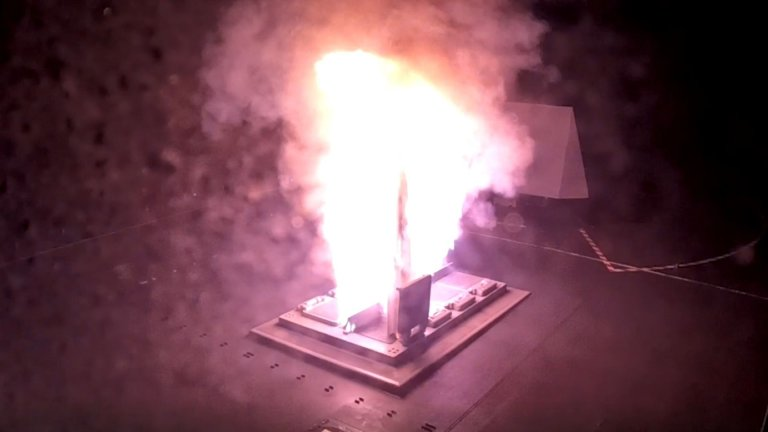
Norway has completed its first live ESSM Block 2 firing. The campaign tested missile performance, upgraded Aegis software, communications, and active guidance before final fleet integration.
-
Diehl Defence will build naval IRIS-T prototypes for Germany’s frigates. The contract moves the system beyond demonstration into prototype manufacture, integration, and comprehensive firing trials.
-
BeeX has won a US Navy mine countermeasures modernisation challenge. Its autonomous underwater systems now move towards integration after demonstrating untethered mine reacquisition and neutralisation.
-
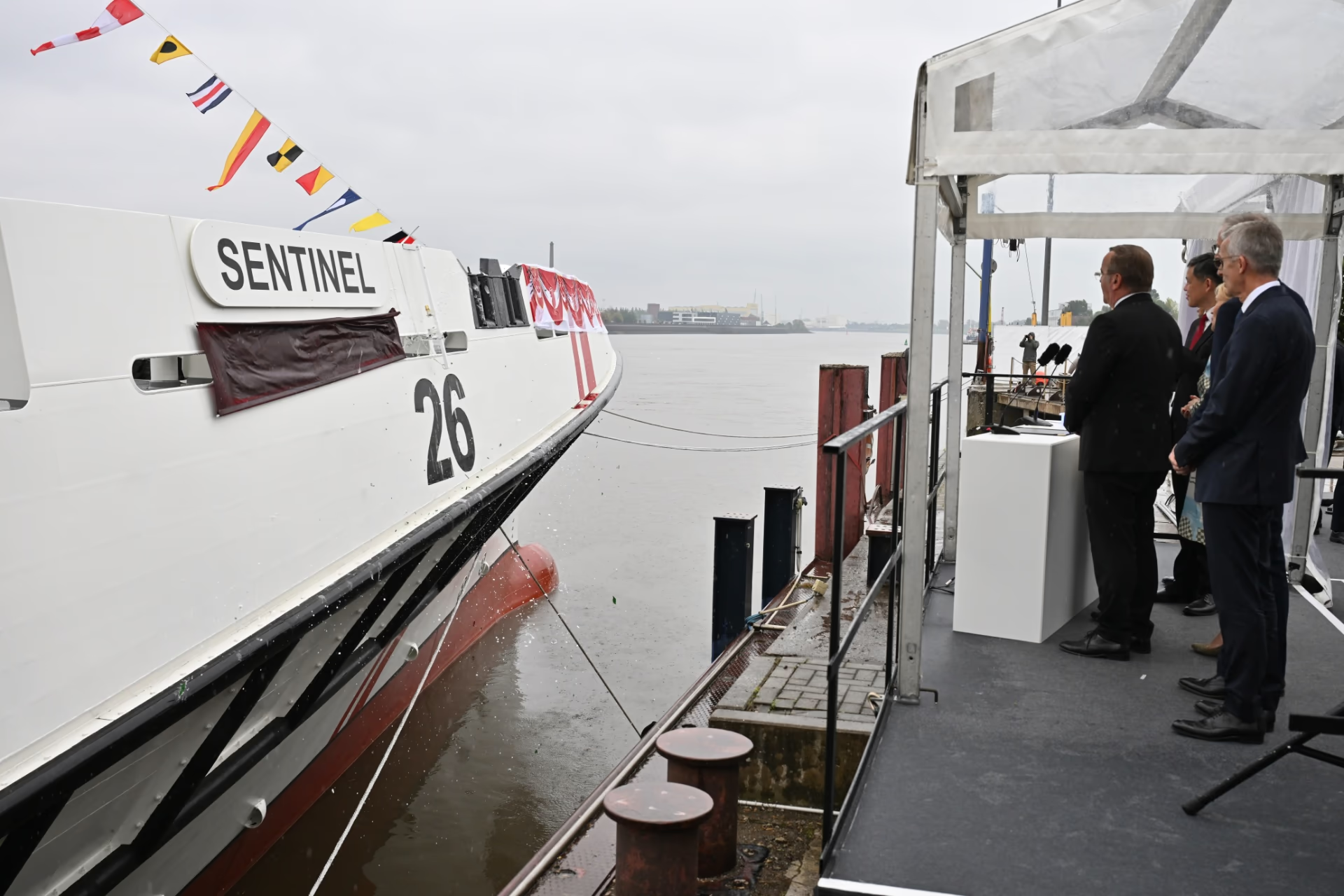
Singapore has launched its first Sentinel-class offshore patrol vessel abroad. Three sister ships remain under construction at Fassmer, with deliveries scheduled progressively from 2028.
-
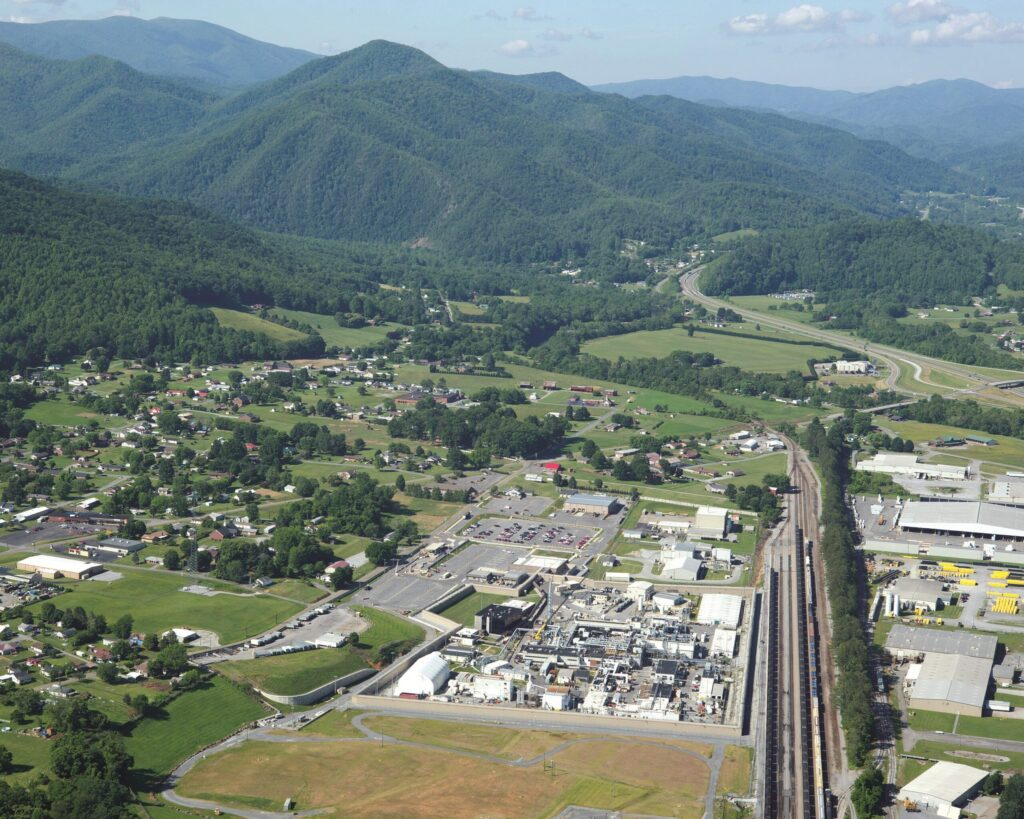
BWXT will manufacture nuclear fuel under a $189 million award. Nuclear Fuel Services will deliver reactor fuel for the US Naval Nuclear Propulsion Program through August 2027.
-
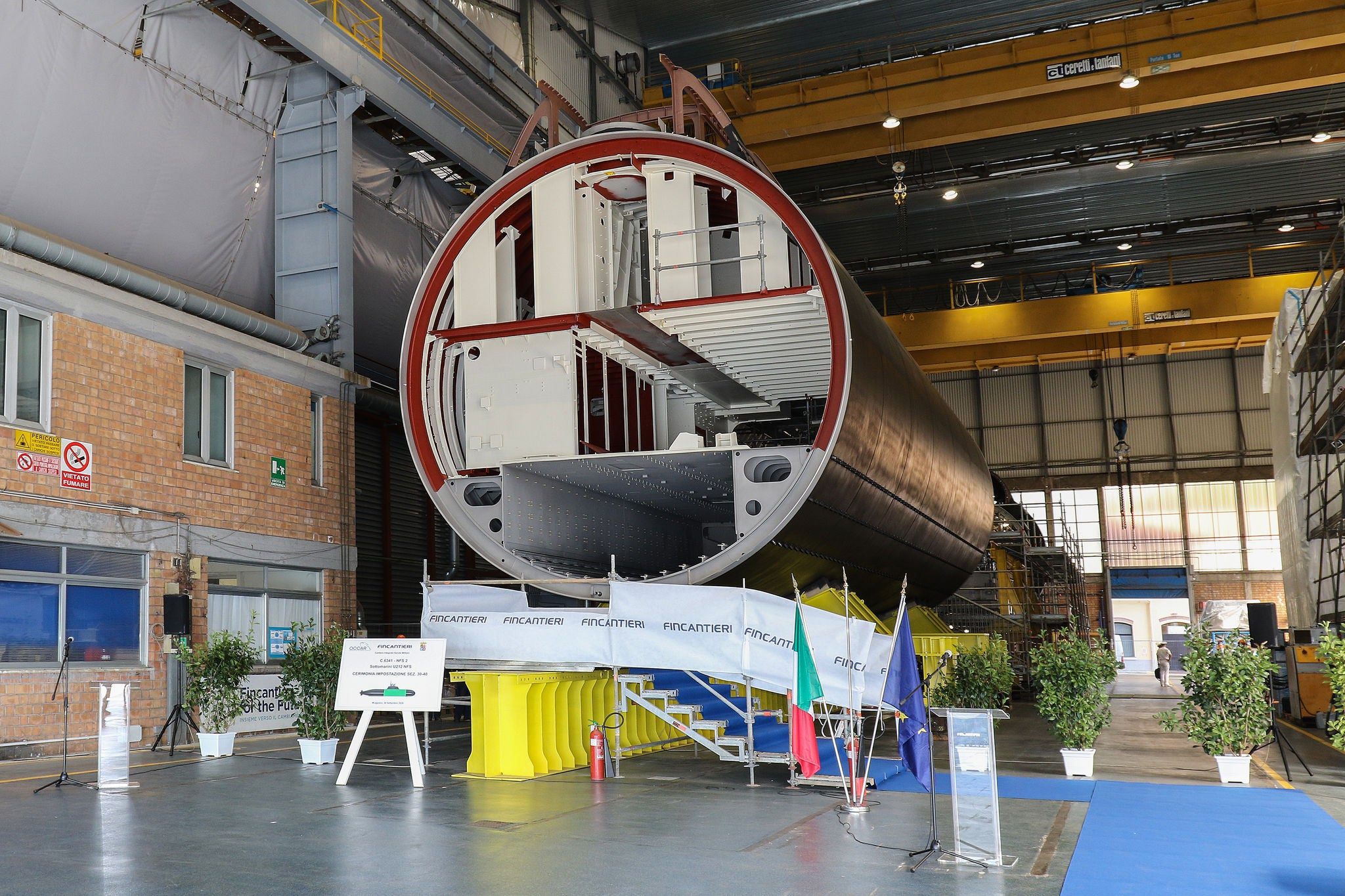
Fincantieri has laid the second U212NFS submarine keel at Muggiano. The Italian Navy boat is due in 2030 within a four-submarine production programme.
-
HII will build ten ROMULUS vessels for the US Navy. The order moves its MUSV work into production alongside two other suppliers selected after at-sea testing.
-
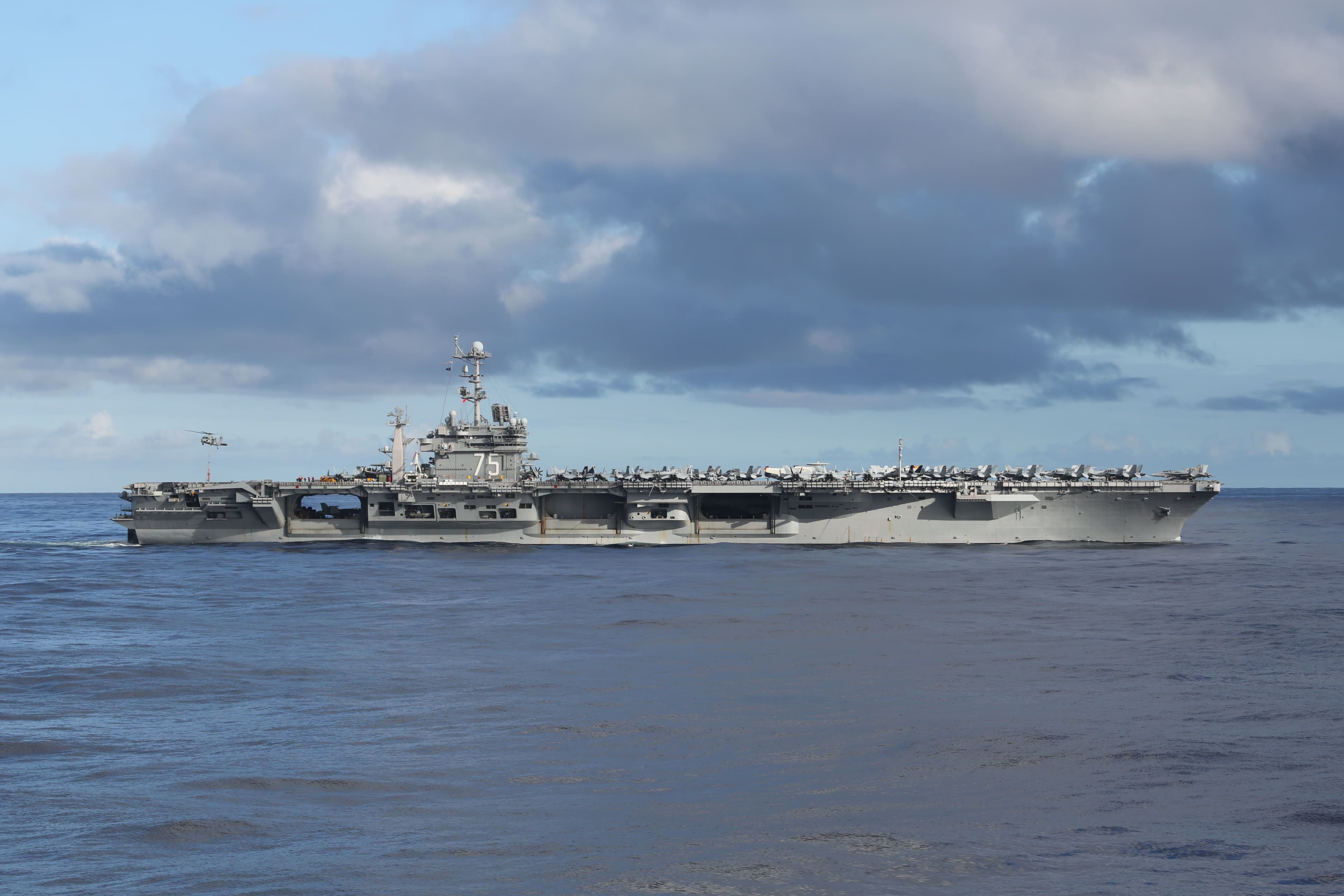
HII has secured a $5.1 billion Truman carrier overhaul contract. Newport News Shipbuilding will refuel the reactors and modernise propulsion, combat systems, and thousands of compartments for the carrier’s second service-life phase.