
Sea
-
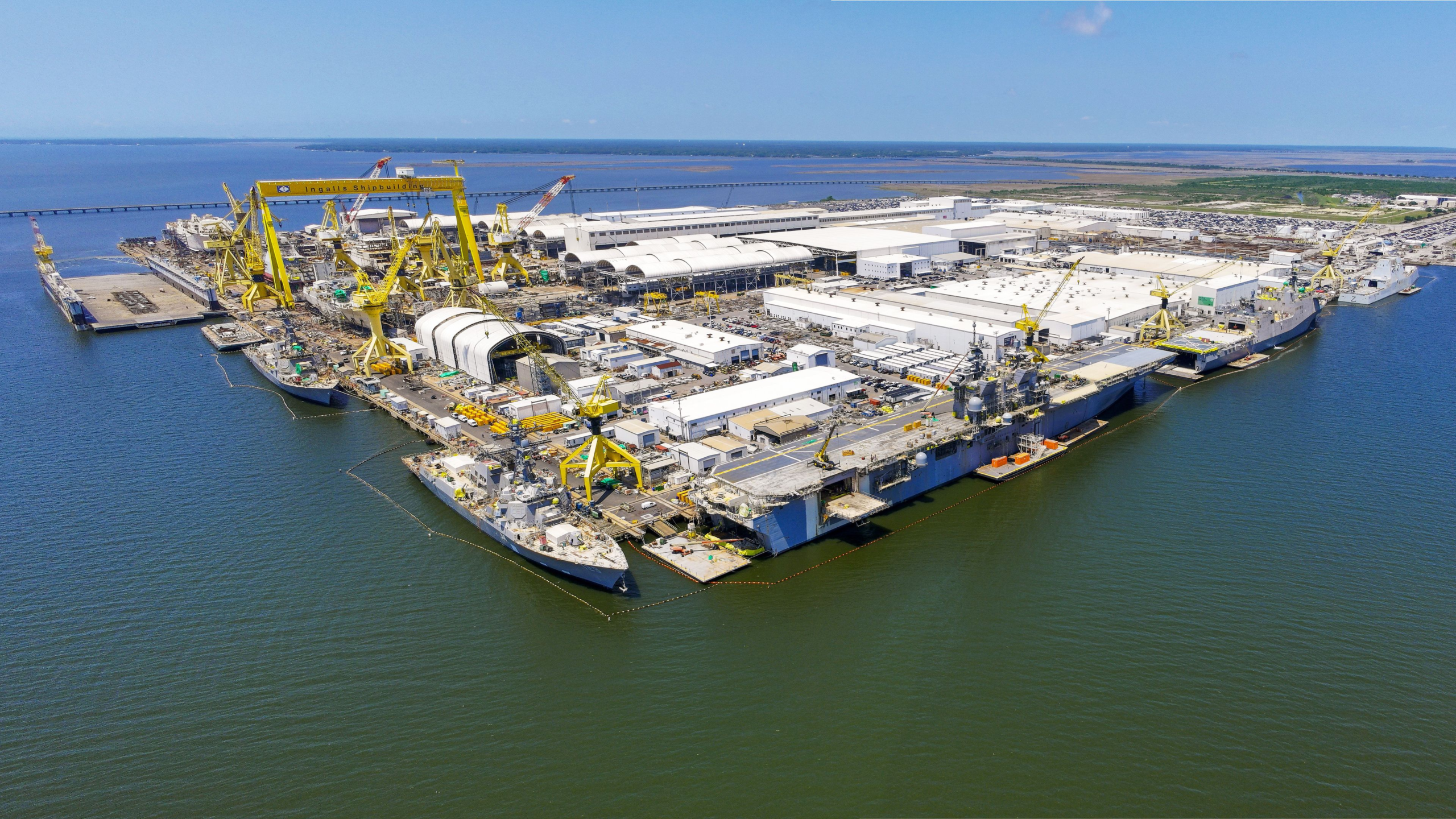
HII’s FF(X) frigate has passed its critical design review milestone. The US Navy and Ingalls are now conducting pre-production work while foreign frigate options remain under study.
-
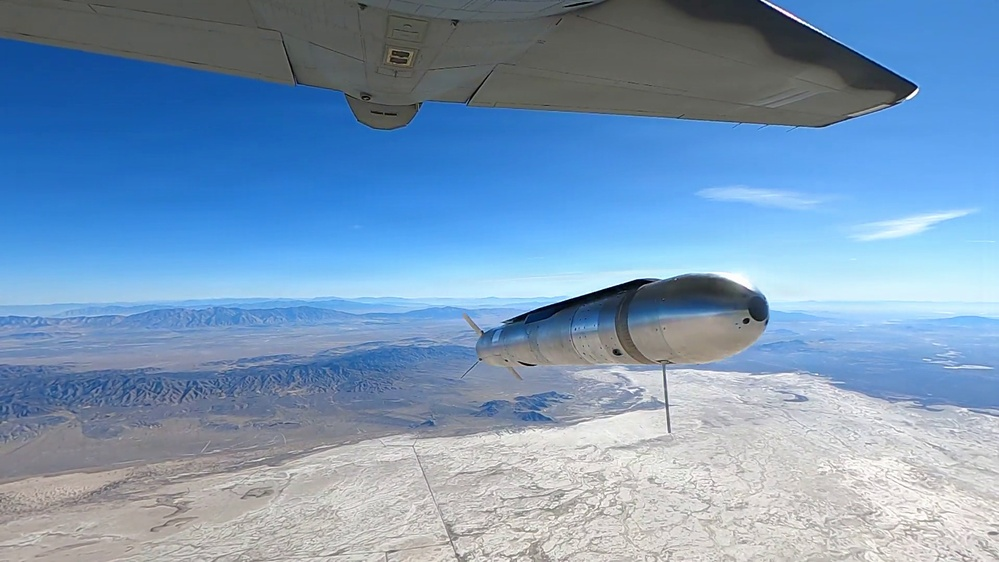
Kongsberg has secured $404 million for Naval Strike Missile production. The contract covers launcher units, weapon control systems, support equipment, and sustainment through 2034.
-
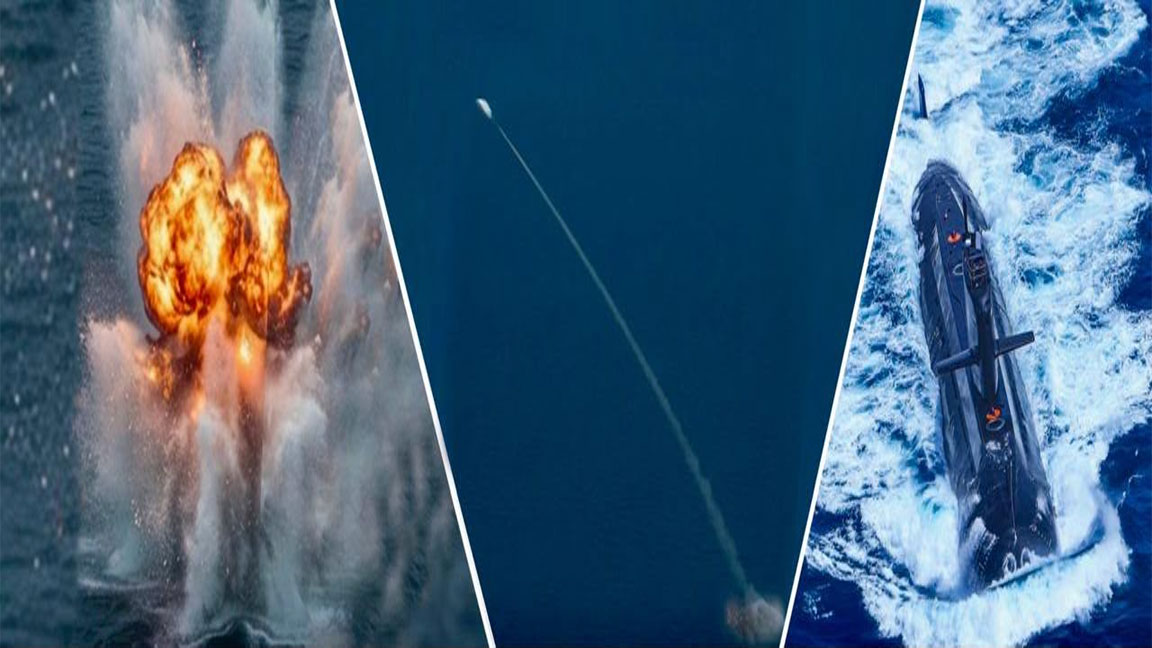
Pakistan’s Hangor submarine has completed its first live missile firing. The test moves the Chinese-built class from induction towards operational weapons activity.
-
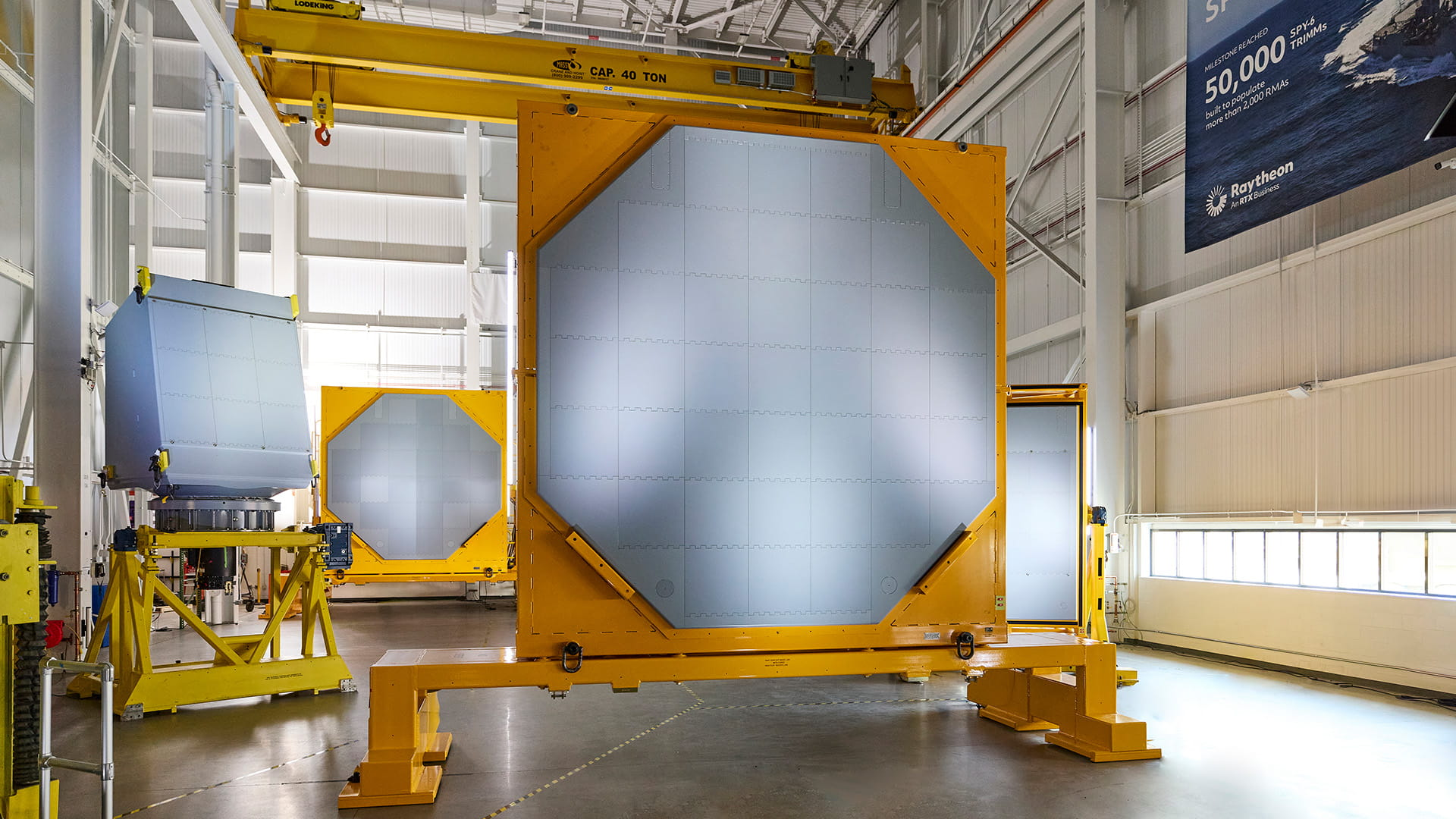
Lyntris has qualified a critical SPY-6 radar hardware assembly component. The two-year programme establishes an additional production source for a thermally important part as Raytheon increases manufacturing capacity across the naval radar family.
-
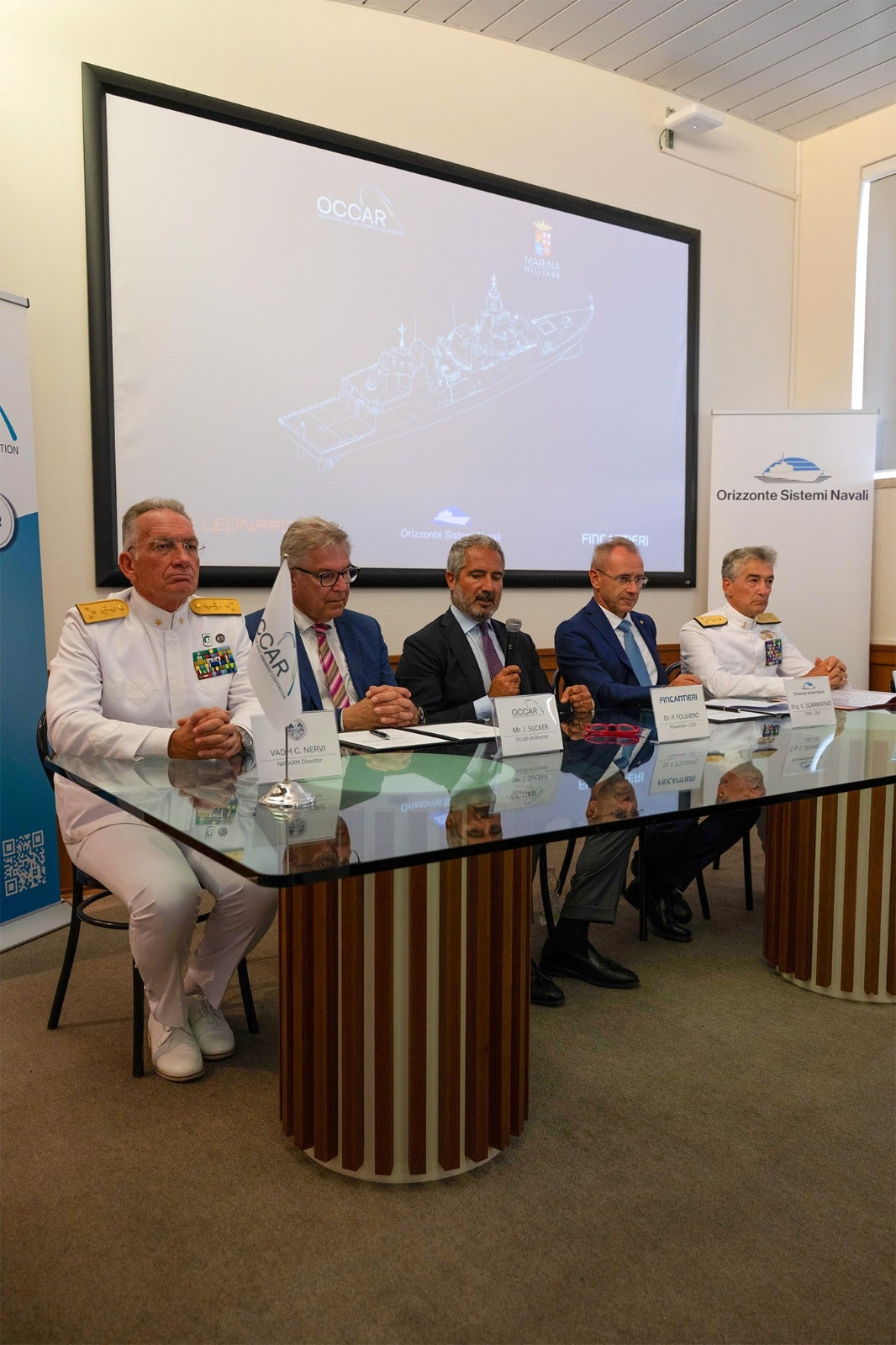
Italy has formally launched its next-generation DDX destroyer programme today. The €3.7bn package covers development, production, logistics work, advanced combat systems, and initial support for up to two Italian Navy ships.
-
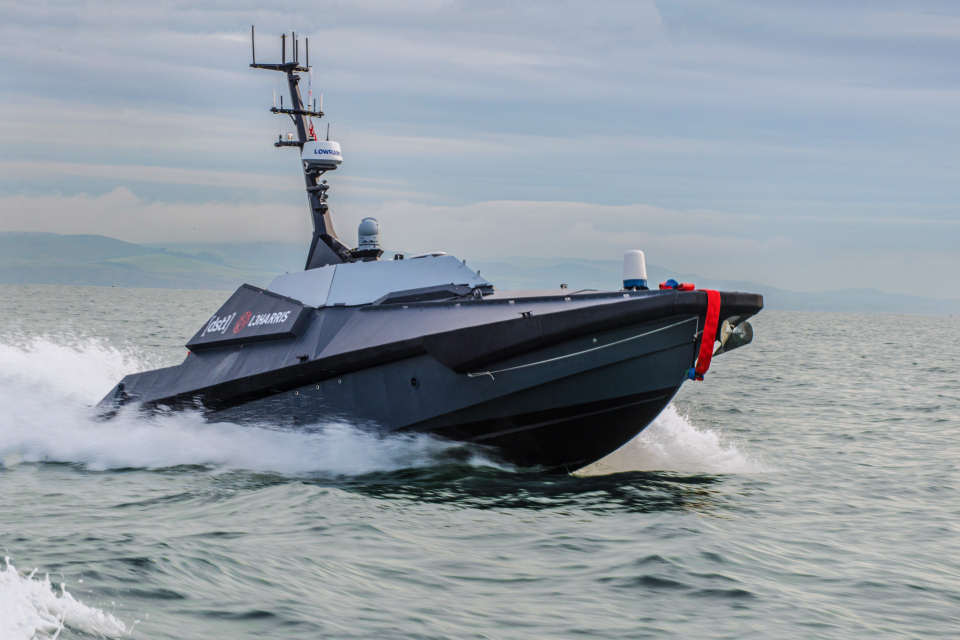
Plymouth has secured £50 million for maritime autonomy growth plans. The approved programme could unlock another £34 million from industry and local partners while creating nearly 1,000 jobs.
-
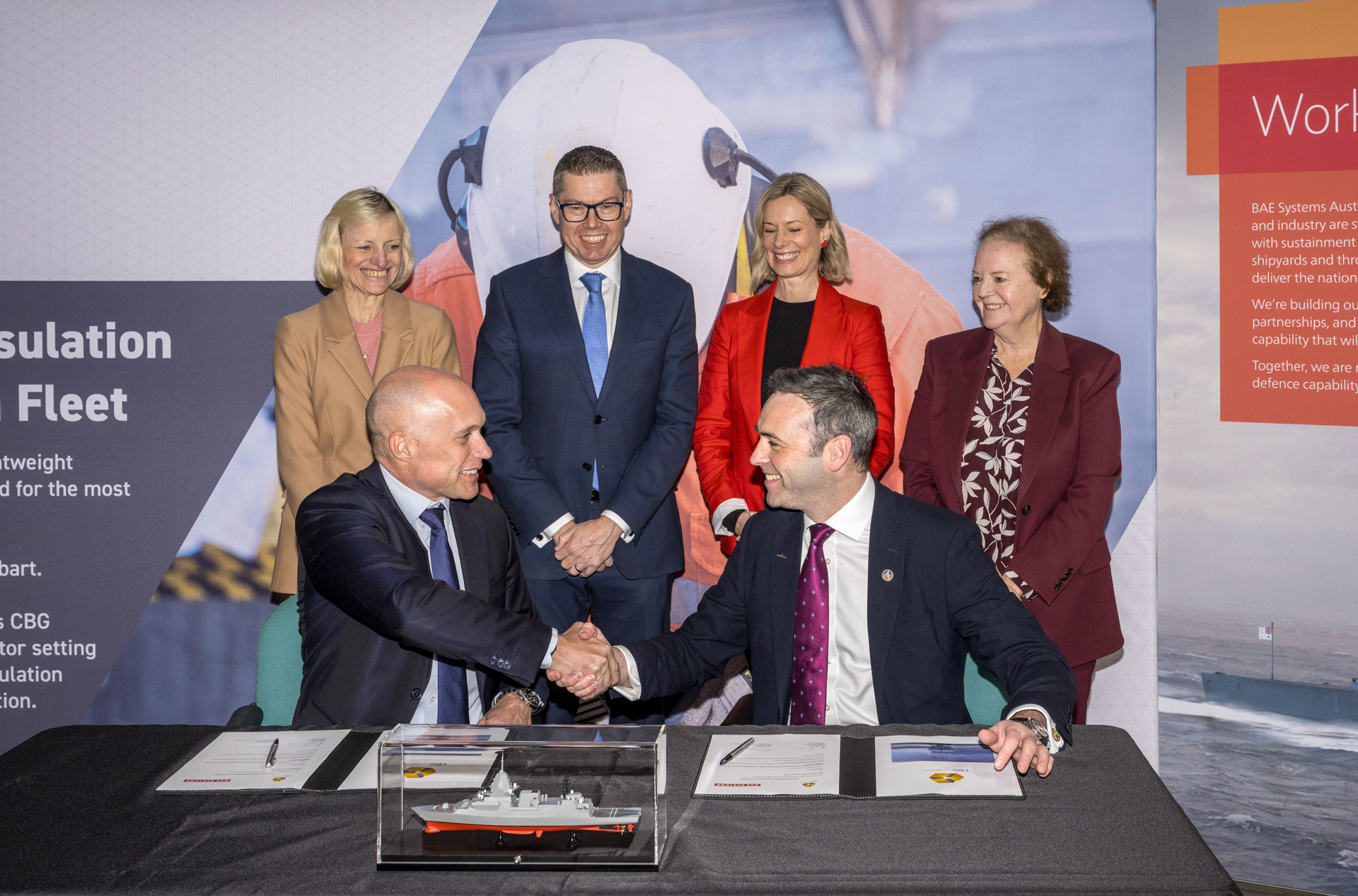
CBG Systems has secured an $83 million Hunter frigate contract. The Tasmanian supplier will provide fire, thermal, and acoustic insulation across the first three Batch 1 ships.
-

GDIT will continue engineering support for Navy Mk 41 launchers. The $22.4 million option covers component upgrades, inspection, testing, and delivery at five US locations through October 2027.
-
Britain and America have fired a torpedo from uncrewed Excalibur. The AUKUS trial moves the Royal Navy’s experimental XLUUV into heavyweight weapon release testing.
-

Arcanus plans multi-domain defence manufacturing expansion at Ontario’s Oro Station. The proposed three-phase campus covers UAV production, land systems, counter-UAS integration, and later maritime autonomy.