
Sea
-

Babcock has extended its submarine support bridge by two months. The interim deal maintains naval base and nuclear fleet services while the Ministry of Defence and Babcock finalise the long-term Gateway Agreement.
-
BAE Systems has opened Govan’s dedicated Type 26 paint facility. The £3.3 million hall moves blasting and coating of consolidated frigate blocks into a purpose-built production area.
-
Australia is seeking close-range counter-drone protection for future Hunter frigates. The requirement covers uncrewed aircraft and surface vessels, with detection expected at around five kilometres, but no supplier or effector has been selected.
-
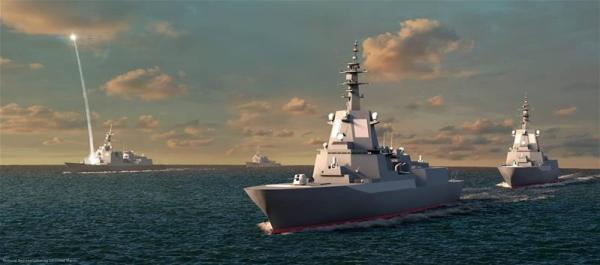
Lockheed Martin has secured a $724 million Japanese ASEV modification. The award raises the underlying Missile Defense Agency contract to about $2.36 billion and extends work on two shipsets through March 2030.
-
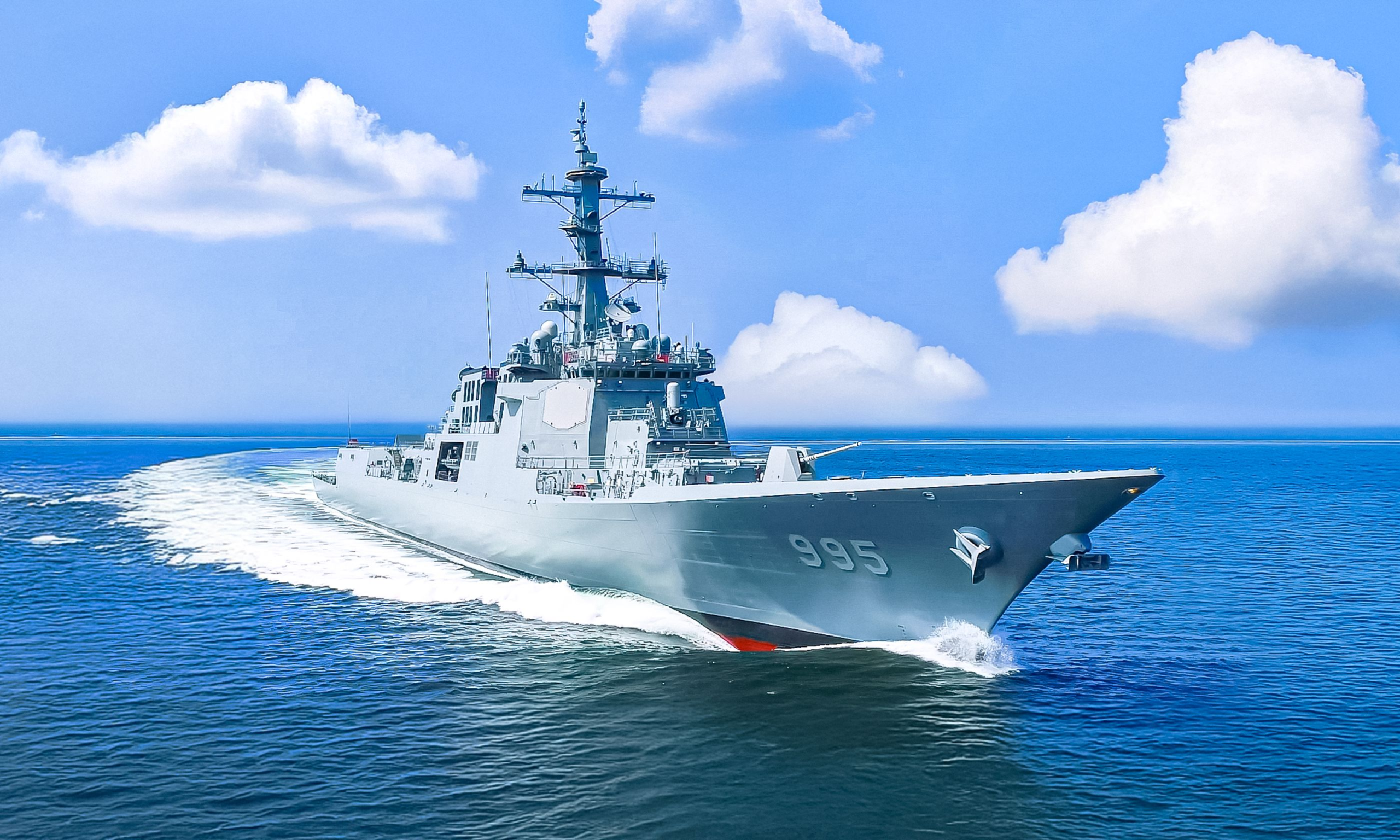
South Korea has launched the final Batch II Aegis destroyer. ROKS Daeho Kim Jong Seo completes a six-ship indigenous Aegis fleet and is scheduled for delivery in December 2027.
-
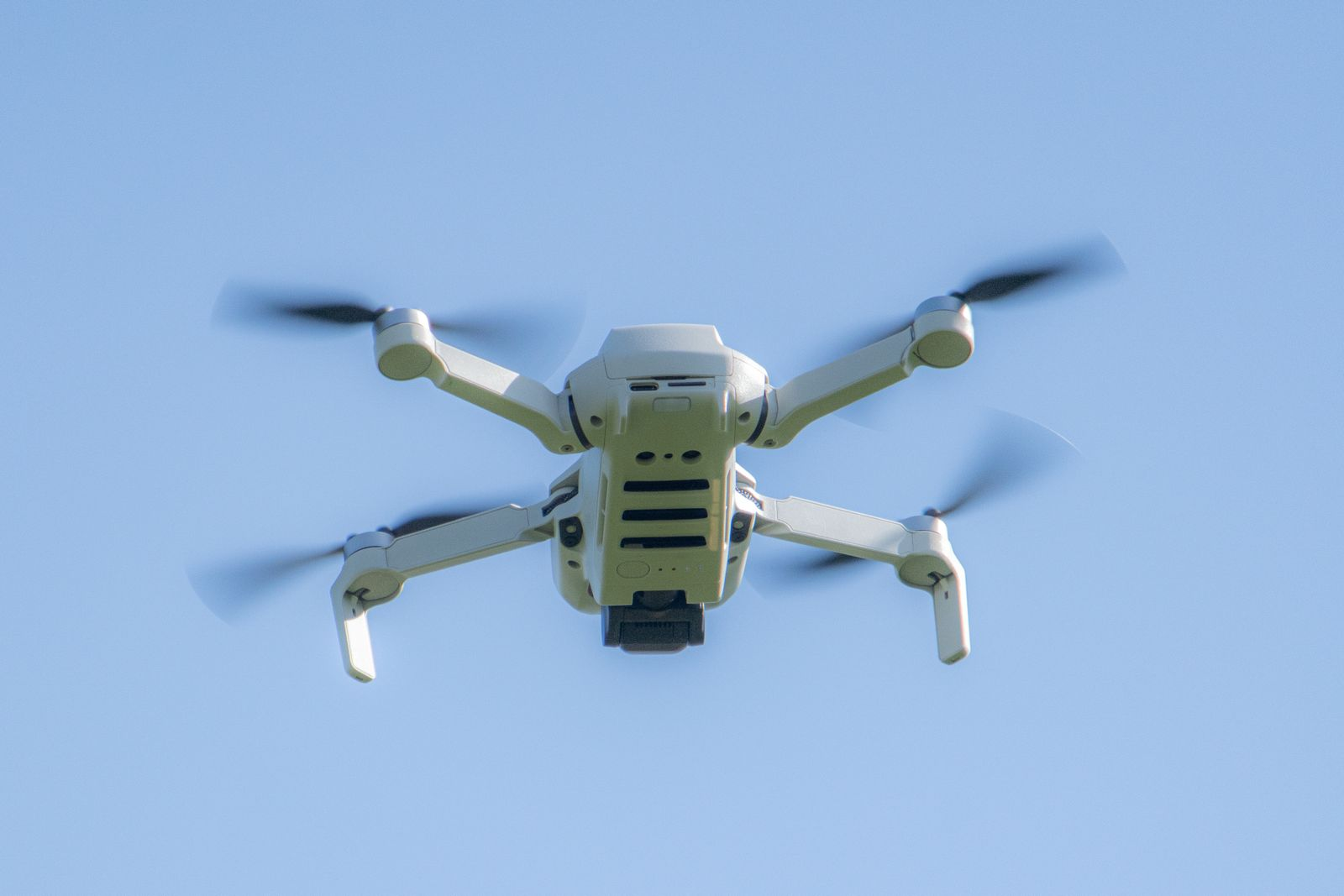
Thales has flown VORTEX tactical intelligence aboard a naval drone. REPMUS26 testing examined how cellular signal detection can move closer to inaccessible maritime operating areas.
-
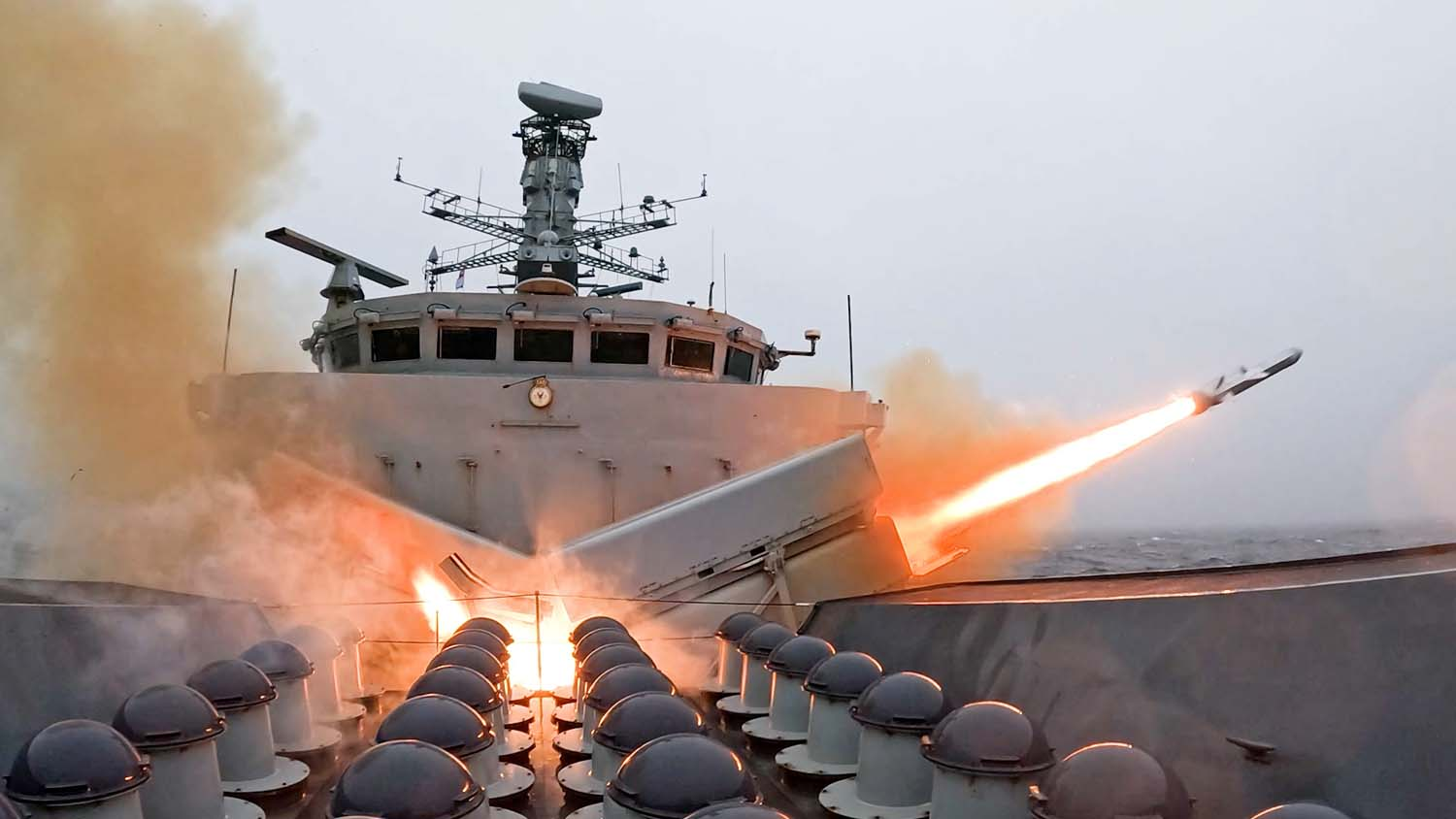
Royal Navy crews have fired operational NSM and Sea Venom. The Atlantic Thunder activity moves both weapons beyond earlier integration work into representative maritime strike employment.
-
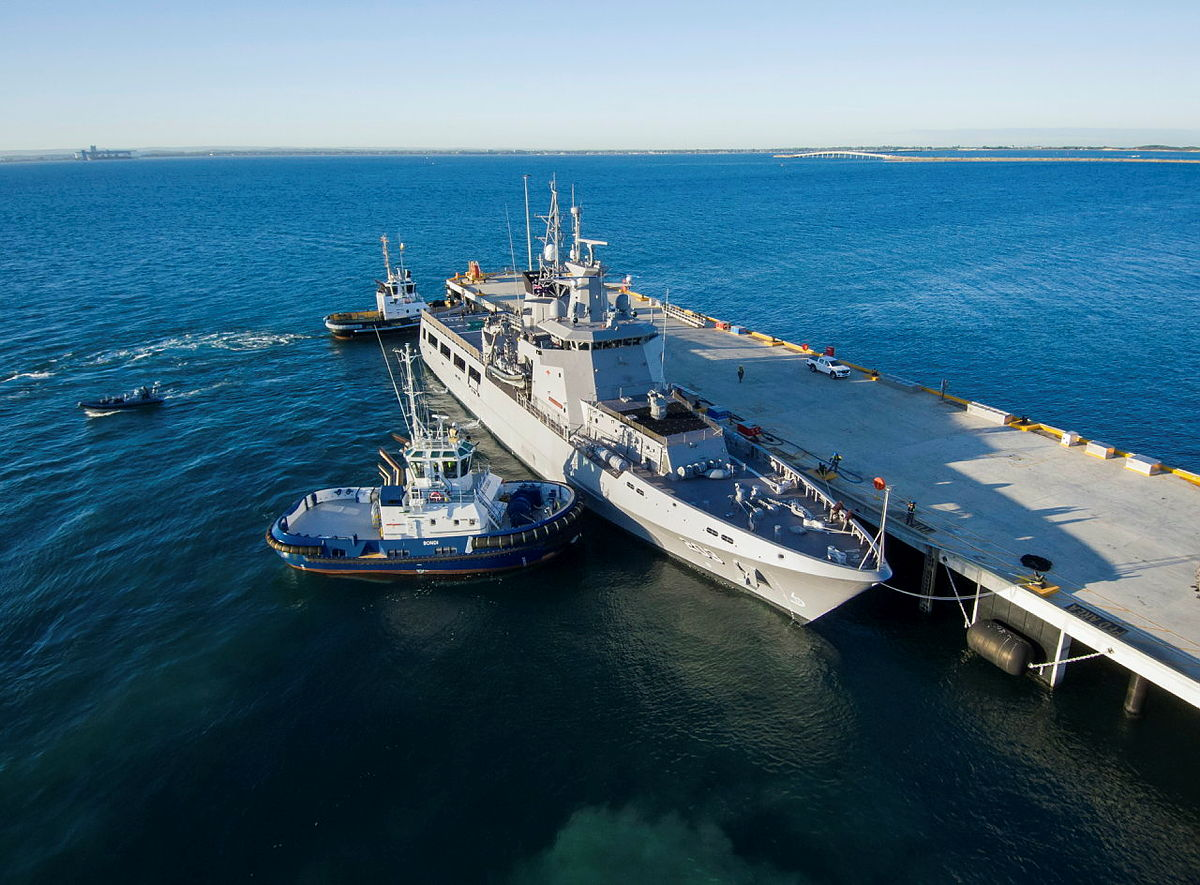
Australia will homeport Arafura class patrol vessels at HMAS Cairns. The decision links future naval operations with expanded sustainment infrastructure and North Queensland’s established maritime maintenance base.
-
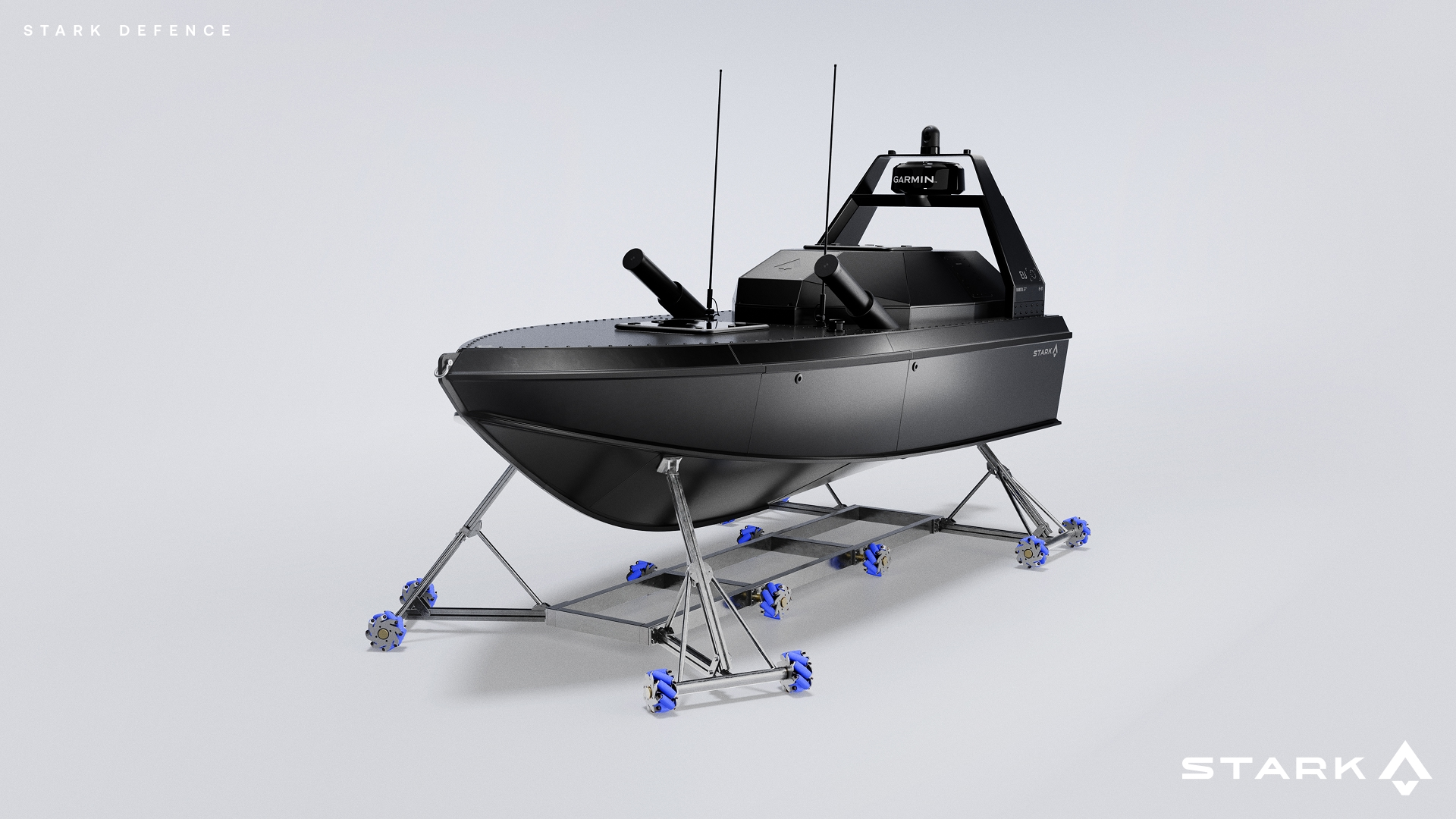
STARK has launched Vanta 12, an armed unmanned surface vessel. The Plymouth-built platform combines maritime surveillance with modular strike and electronic warfare payloads.
-
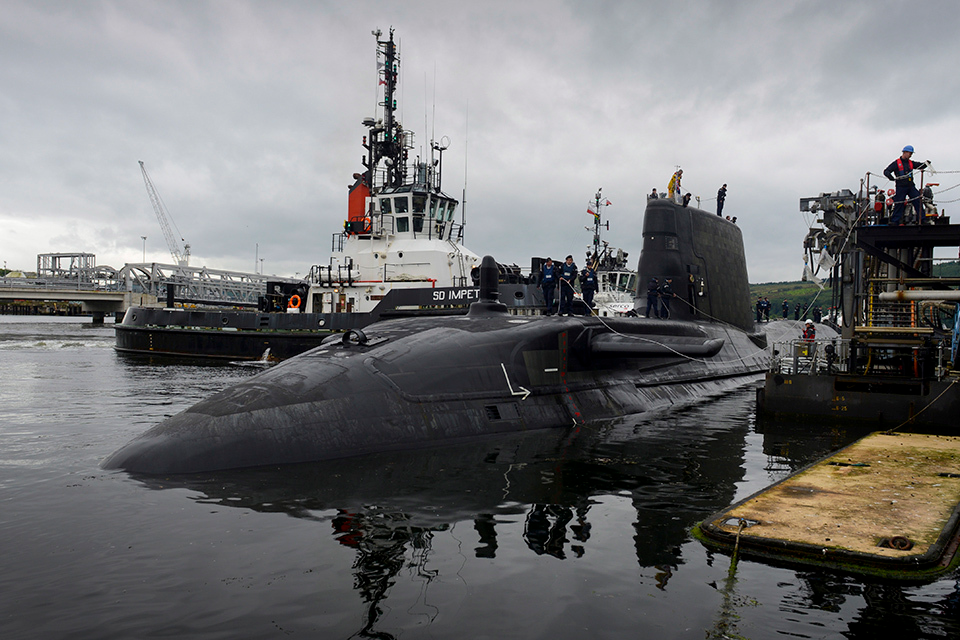
Britain will reserve Faslane floating dock construction for domestic shipyards. The three-dock programme will add submarine maintenance capacity at HM Naval Base Clyde.