IN Brief:
- Approval of Plymouth’s Defence Growth Deal business case releases £50 million of government funding into the delivery programme.
- Up to £34 million more is expected from industry and local partners, taking potential investment to £84 million.
- The programme includes a National Centre for Marine Autonomy, engineering skills investment, and support for more than 400 UK businesses.
The UK Ministry of Defence has released £50 million for Plymouth’s Defence Growth Deal after approving the city’s strategic business case, moving a package worth up to £84 million towards delivery across maritime autonomy, skills, and defence industrial development.
The government funding is intended to draw in as much as £34 million from industry and local partners. Plans include a National Centre for Marine Autonomy, which is expected to create 120 jobs and attract more than 30 businesses, including start-ups and scale-ups working on advanced maritime technologies.
The wider growth programme is forecast to create nearly 1,000 jobs and support more than 400 UK businesses. The latest decision follows the earlier allocation of £50 million to Plymouth but represents a separate delivery step: approval of Team Plymouth’s strategic business case releases the government funding against a defined programme rather than leaving it as a headline commitment.
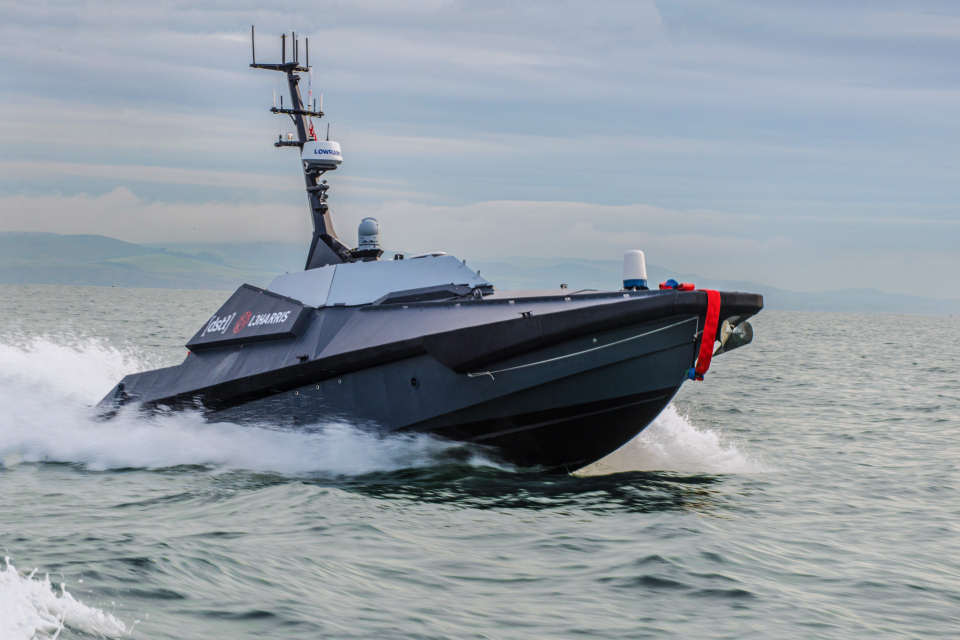
The National Centre for Marine Autonomy forms the principal technology element. Plymouth already combines the Royal Navy’s Devonport naval base with submarine engineering, naval maintenance, academic research, and companies developing uncrewed and autonomous maritime systems. The centre is intended to create a more concentrated environment for development, testing, collaboration, and commercial growth.
Maritime autonomy brings several engineering disciplines together. Uncrewed surface and underwater vehicles depend on power, propulsion, navigation, sensing, communications, software, mission planning, and launch and recovery systems, while military applications add requirements around information assurance, survivability, payload integration, and interoperability with crewed platforms.
Shared research and development infrastructure can give smaller suppliers access to facilities, expertise, and potential customers without requiring each company to reproduce them independently. Its value, however, will depend on whether companies can progress from demonstrations into qualified products, controlled manufacture, and defence programmes with repeatable demand.
The funding also includes a £1.5 million Get Plymouth Working programme intended to help 500 people into defence, advanced manufacturing, engineering, and construction roles. Government expects around 750 people to gain technical skills and qualifications, while more than 7,000 young people are expected to receive science, technology, engineering, and mathematics training.
That workforce programme sits alongside a much larger concentration of naval infrastructure spending. Devonport is already receiving £7.1 billion of investment under the Royal Oak programme, which covers infrastructure needed to support current and future submarine operations.
Submarine maintenance, ship support, construction, digital engineering, autonomous systems, and specialist manufacturing draw from overlapping labour pools. Additional research facilities will therefore have limited effect if companies and naval programmes cannot recruit sufficient engineers, technicians, software specialists, and skilled trades to use them.
The growth deal is intended to strengthen the supply base as well as individual projects. More than 400 businesses are expected to benefit, including companies working in robotics, artificial intelligence, and autonomous systems. Establishing a local route from early-stage technology through trials and eventual production could allow smaller companies to participate in programmes that would otherwise be difficult to enter.
Plymouth also provides an operational environment in which those technologies can be assessed against naval requirements. The Royal Navy and industry are increasing their work with autonomous surface and underwater systems, while undersea programmes are placing greater emphasis on sensors, autonomy, communications, and payload integration.
The growth deal itself does not purchase military platforms, and its outputs should not be measured as though it were a shipbuilding or weapons contract. Its purpose is to create industrial capacity through facilities, skilled people, test infrastructure, and a concentration of technology companies around a customer with substantial maritime requirements.
Approval of the strategic business case gives that ambition a firmer delivery basis. Government funding can now be released, partner investment can be assembled around the approved programme, and the National Centre for Marine Autonomy can move beyond planning.
The useful measures will come next: construction and opening milestones, companies locating at the centre, engineering roles filled, private investment secured, and technologies progressing from development through testing and into procurement. Those outputs will determine whether the £84 million package produces a durable maritime technology cluster rather than another collection of short-term initiatives.