IN Brief:
- Boeing has received an $11.81 million six-month extension for Kuwaiti Super Hornet support.
- Work includes aircraft and engine maintenance, logistics, storage, transportation, pilot support, and ferry activity.
- The support programme covers Kuwait's 28-aircraft fleet of 22 F/A-18Es and six F/A-18Fs.
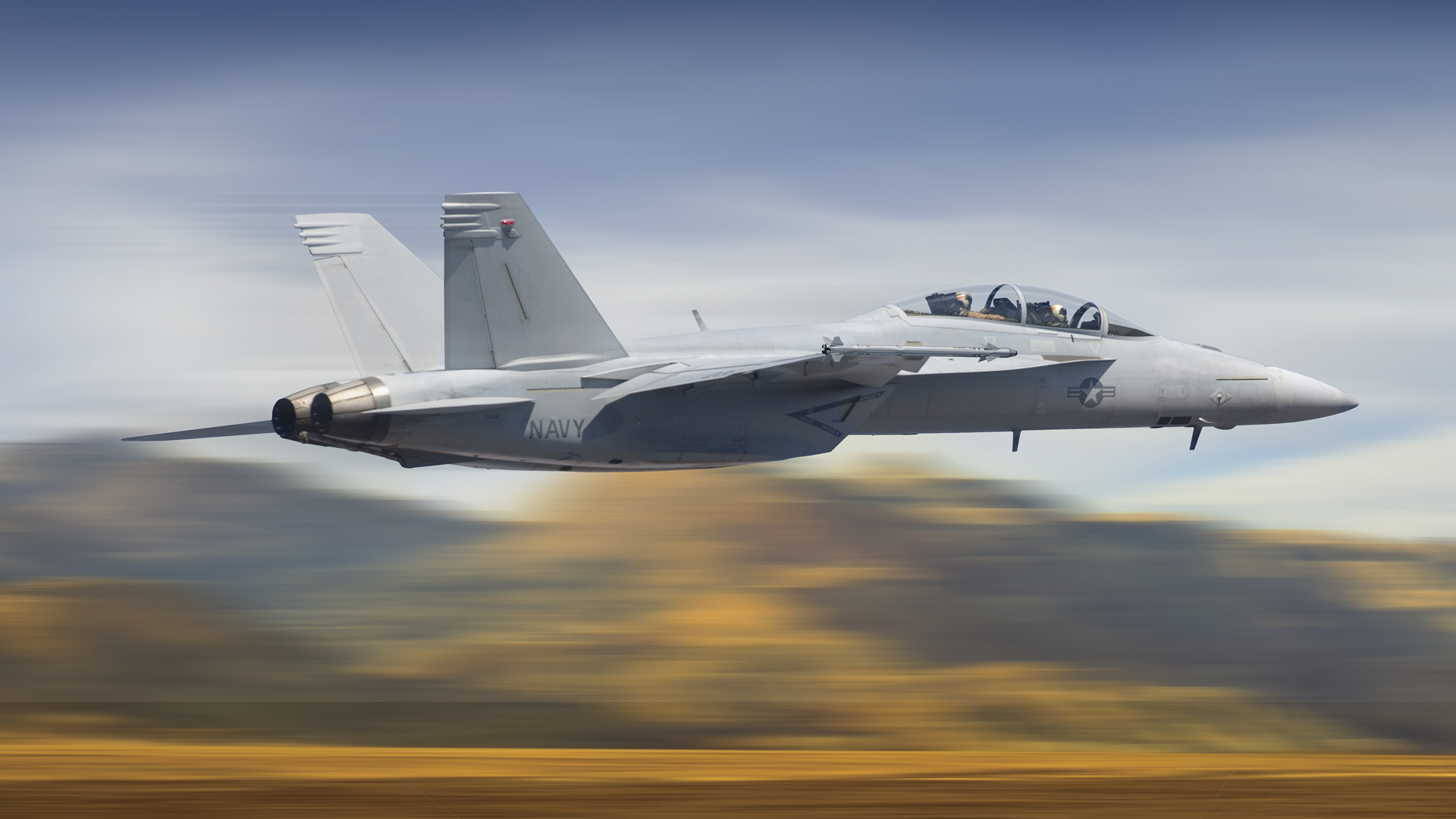
Boeing has received an $11.81 million extension to continue supporting Kuwait’s F/A-18E/F Super Hornets before the aircraft are ferried to the customer, maintaining the logistics and maintenance structure around a fleet that remains in the United States.
Boeing will provide a further six months of logistics, management, and maintenance support under an existing Naval Air Systems Command contract. The modification runs to March 2027 and is funded through Foreign Military Sales customer money.
The $11,812,176 modification covers general logistics, aircraft pilot and maintenance support, aircraft and equipment logistics, engine support, and preparations for ferry to Kuwait. Packaging, handling, storage, and transportation are also included.
Seventy per cent of the work will take place in New Orleans, Louisiana, with the remaining 30 per cent in Jacksonville, Florida. The full modification value will be obligated at award. The notice does not provide a date for the eventual ferry or explain why the pre-transfer support period has been extended.
The work relates to Kuwait’s 28-aircraft Super Hornet programme, comprising 22 single-seat F/A-18Es and six two-seat F/A-18Fs. The original production contract was awarded to Boeing in 2018 through the US Foreign Military Sales process.
Aircraft production and customer transfer are separate phases of a military aviation programme. Once an aircraft has been built, it still has to remain within an approved maintenance and configuration system while pilots train, support equipment is positioned, technical records are managed, and the movement to the customer is prepared.
The longer that interval lasts, the more substantial the support requirement becomes. Aircraft continue to accumulate calendar-based maintenance obligations even when flying activity is limited, while engines, installed equipment, software, batteries, fluids, and time-sensitive components all require their own inspection and preservation schedules.
The latest extension therefore covers more than storing completed fighters. Boeing has to maintain the aircraft in a condition that allows them to return to flight, support the pilots and maintainers involved, manage engines and equipment, and coordinate the packaging and transportation of supporting material needed when the fleet moves.
Engine support is a significant part of that task. Each Super Hornet uses two F414 engines, and the engine fleet has to remain aligned with individual aircraft availability and ferry planning. Maintenance records, component lives, inspections, and preservation all have to be controlled if an aircraft is expected to depart without introducing additional work immediately before movement.
Ferry activity creates its own logistics chain. The aircraft may move separately from ground support equipment, spares, documentation, and some maintenance assets, while flight crews and technical staff have to be positioned around the transfer plan. Any technical problem discovered before departure can affect the aircraft schedule as well as downstream support arrangements.
Kuwait’s Super Hornet acquisition also illustrates the wider support package behind a Foreign Military Sales aircraft programme. Earlier contracts have covered integrated logistics, customer-specific equipment, software, engineering, and other support requirements in addition to the initial production of the 28 fighters.
The original 2018 production contract was valued at approximately $1.5 billion and covered the 22 F/A-18Es and six F/A-18Fs. Subsequent support awards have added logistics and other services required to move from aircraft manufacture towards an operational customer fleet.
Boeing’s Kuwait relationship extends beyond the Super Hornet and includes C-17 transport aircraft and Apache helicopters, together with training and support activity. That existing footprint provides a downstream industrial and technical structure once the fighters eventually arrive in country, although the present award is specifically concerned with the US-based pre-ferry phase.
Configuration management remains important throughout that period. Aircraft waiting for delivery still have to remain aligned with approved technical directives, software baselines, engine records, support equipment, and customer documentation. Changes introduced while the fleet is in the United States have to be reflected in the material and training system that accompanies it.
The current six-month extension should therefore be read as continuity funding rather than a new aircraft purchase or additional production lot. The fighters have already been built; Boeing is being paid to keep the aircraft and their supporting system in a controlled, maintained state until the next transfer milestone.
That work is less visible than final assembly, but it determines whether completed aircraft can move into customer service without creating a maintenance and logistics problem on arrival. The $11.81 million modification extends that bridge through March 2027, keeping aircraft, engines, personnel, records, equipment, and ferry preparations together while Kuwait’s Super Hornet programme remains in its pre-transfer phase.