IN Brief:
- Peru has selected L3Harris Viper Shield for its 12-aircraft F-16 Block 70 programme.
- Eight nations have now selected the electronic warfare system, with L3Harris ramping towards full-rate production of 233 systems.
- Viper Shield combines digital radar warning and DRFM-based jamming in a software-defined architecture.
L3Harris Technologies has been selected by Peru to provide its Viper Shield electronic warfare system for the country’s new F-16 Block 70 fleet, adding an eighth national customer as the programme moves towards higher-rate production.
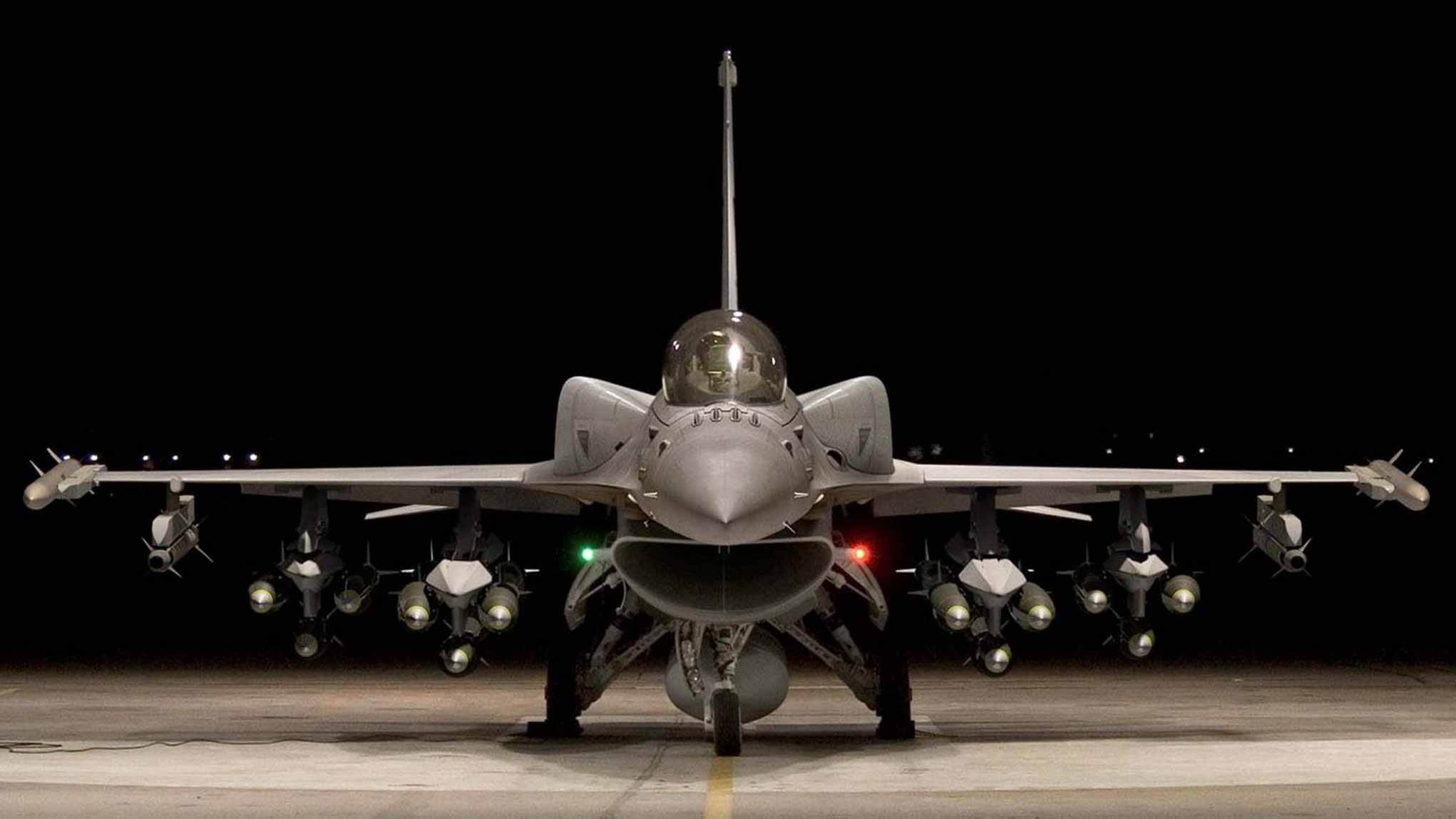
Peru committed in April to purchase 12 new F-16 Block 70 aircraft from Lockheed Martin as part of its fighter modernisation programme. Viper Shield will provide the aircraft with an integrated digital radar-warning and electronic-countermeasure capability designed specifically around newer F-16 configurations.
L3Harris says eight nations have now selected Viper Shield and that the company is ramping towards full-rate production of 233 systems. The Peruvian contract value and number of delivered shipsets have not been disclosed publicly, so the 233 figure should be treated as the wider programme production total rather than a Peruvian quantity.
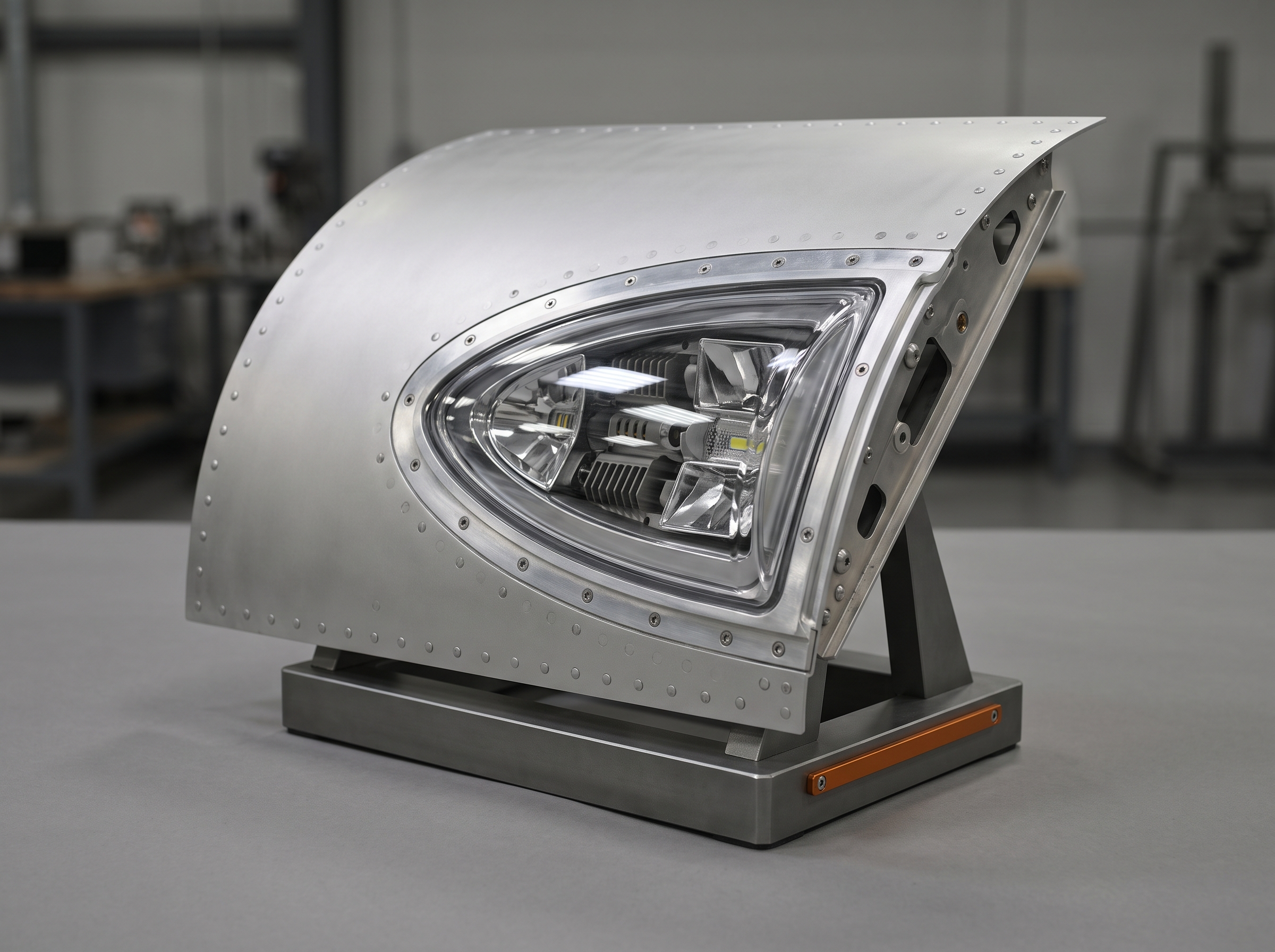
The system, designated AN/ALQ-254(V)1, combines a digital radar warning receiver with digital radio-frequency-memory-based jamming. Its purpose is to detect radar threats, provide the pilot with warning and situational information, and generate electronic countermeasures intended to complicate or defeat hostile radar-based systems.
Viper Shield has been developed by L3Harris in partnership with Lockheed Martin and the US Air Force. Its internal configuration is designed around Block 70/72 aircraft, while the company has also developed retrofit and external-pod options for earlier F-16 fleets.
The architecture is software-defined, which allows threat-response functions to evolve without replacing the complete electronic warfare hardware set. That is particularly relevant to radar threats, where waveform characteristics, operating modes, and tactics can change more quickly than an aircraft’s physical avionics installation.
Software flexibility still depends on controlled testing. New threat libraries or jamming techniques have to interact correctly with the warning receiver, mission computer, radar, cockpit displays, and other aircraft systems, and a software change that improves performance against one threat cannot be allowed to degrade compatibility elsewhere.
Integration with the APG-83 active electronically scanned array radar is an important part of the design. Both systems operate in the electromagnetic environment around the aircraft, so they need to avoid unacceptable self-interference while giving the pilot a coherent picture of threats and friendly sensor activity.
L3Harris says Viper Shield uses digital radar warning and DRFM jamming in a fully integrated architecture. Its modular design uses line-replaceable units, while the company argues that fewer critical components and commercial-off-the-shelf processing technology reduce size and weight and simplify later upgrades.
For Peru, joining a multinational production programme offers advantages over commissioning a unique electronic warfare suite for 12 aircraft. Engineering changes, spares, software support, test equipment, and future upgrades can be spread across a larger user base, provided customer-specific configurations do not fragment into incompatible versions.
That commonality will be important through the fleet’s service life. Electronic warfare systems require repeated updates as new radar emitters and missile systems appear, and operators need a controlled route for loading, validating, and supporting those changes without disturbing the certified aircraft configuration.
The Block 70 programme provides an established host architecture. Lockheed Martin describes the version as the latest new-production F-16 configuration, and Peru’s 12-aircraft acquisition places the country within the same wider support ecosystem used by other Block 70 customers.
Production scale now becomes a significant part of L3Harris’ task. Building 233 systems across several customers means managing electronics supply, test capacity, software baselines, quality assurance, and delivery schedules while aircraft production programmes progress at different rates.
Electronic warfare hardware has its own supply constraints. High-performance RF components, processors, memory, specialised receivers, and transmit electronics have to remain available for both initial manufacture and later repairs, while obsolescence management begins well before an aircraft reaches the middle of its service life.
The software-defined approach can reduce some of that pressure by allowing new capability to be introduced without replacing every box, but it cannot eliminate hardware ageing. Processing headroom, interface standards, and component availability have to be managed so that future software remains supportable on the installed equipment.
Peru’s selection consequently links a relatively small national fleet to a much larger electronic warfare production and support base. The immediate benefit is access to a system already moving through flight testing and production rather than a bespoke development programme.
The next industrial milestones will be manufacture, aircraft integration, and delivery alongside Peru’s Block 70 schedule. L3Harris must keep the Peruvian configuration aligned with the broader 233-system production ramp while retaining the ability to introduce national threat data and later software changes without turning common hardware into a collection of divergent fleets.