
Land
-
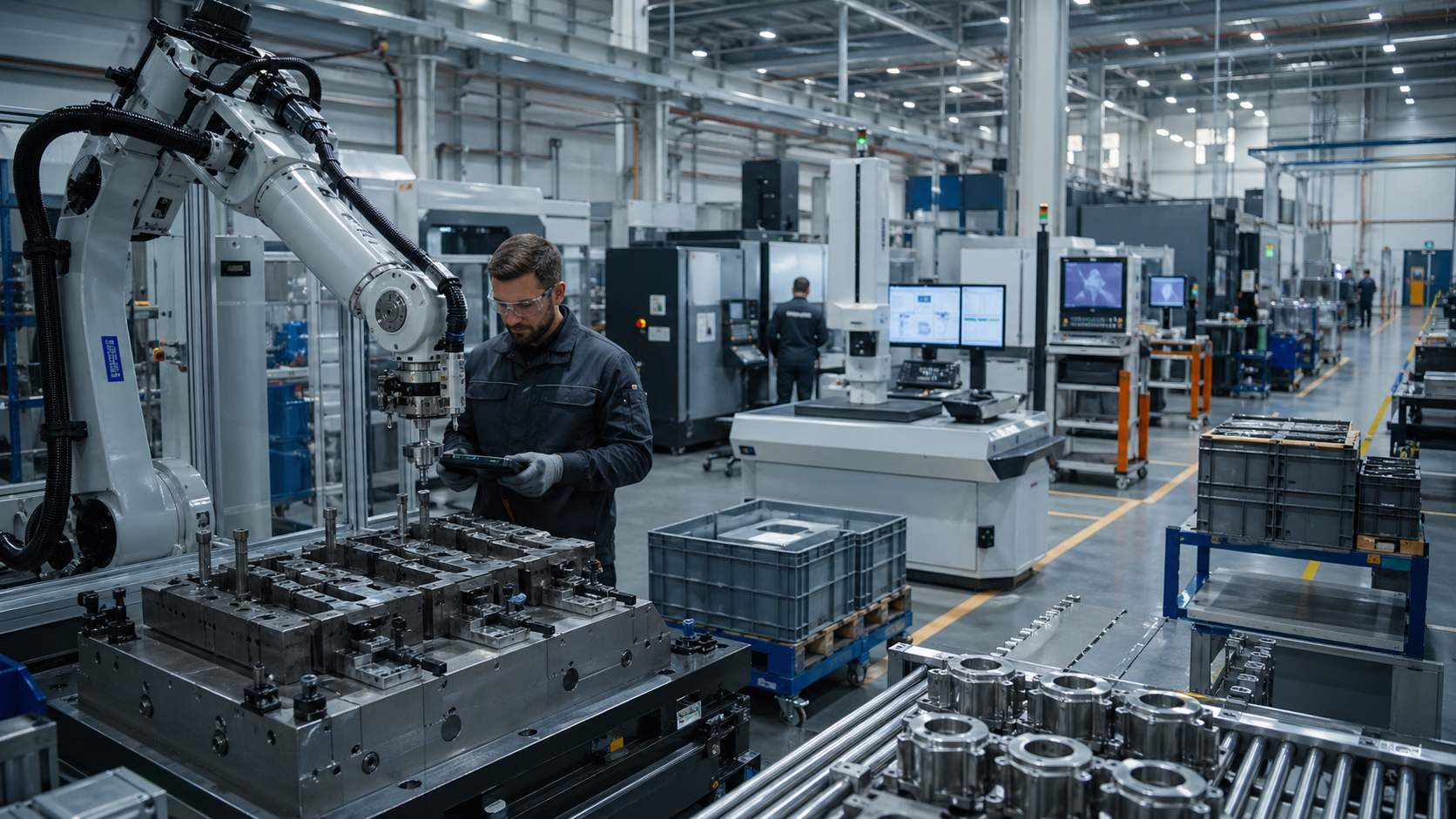
Rheinmetall has announced new medium-calibre ammunition production capacity at Albacete. Its expanded facilities support ammunition components and mortar manufacture across several calibres.
-
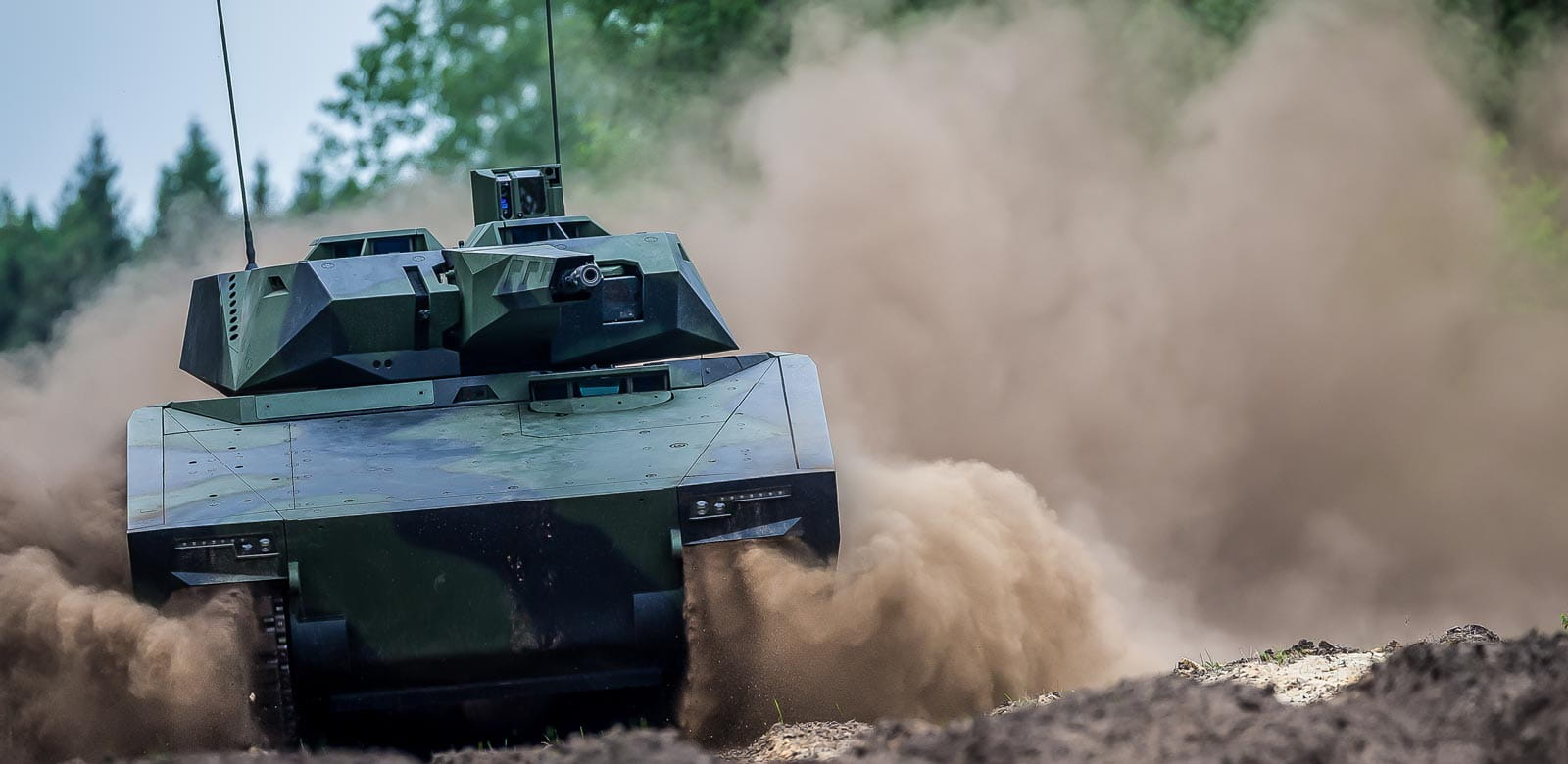
The US Army will evaluate open systems architecture for XM30. Rheinmetall and General Dynamics each have prototype vehicles under test, but neither has been awarded the production contract.
-
Zone 5 has displayed its proposed reusable Eclipse interceptor concept. Company figures describe speed, range, payload alternatives and manufacturing ambitions, but the aircraft remains in development without confirmed operational performance.
-
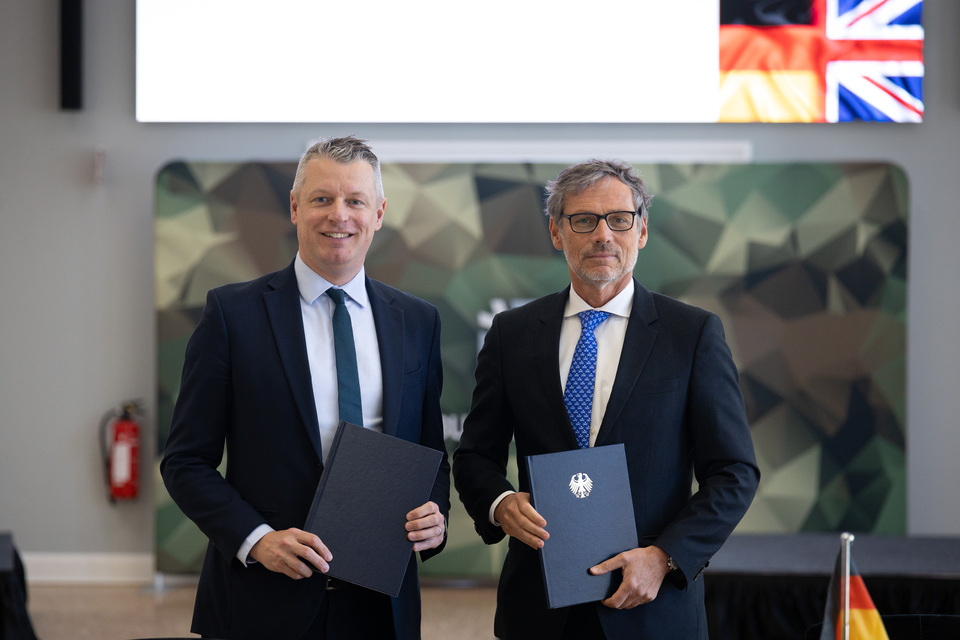
Britain and Germany have reviewed existing joint defence development priorities. Lancaster House discussions covered Deep Precision Strike and industrial cooperation, without awarding a new weapons contract or confirming a completed development milestone.
-
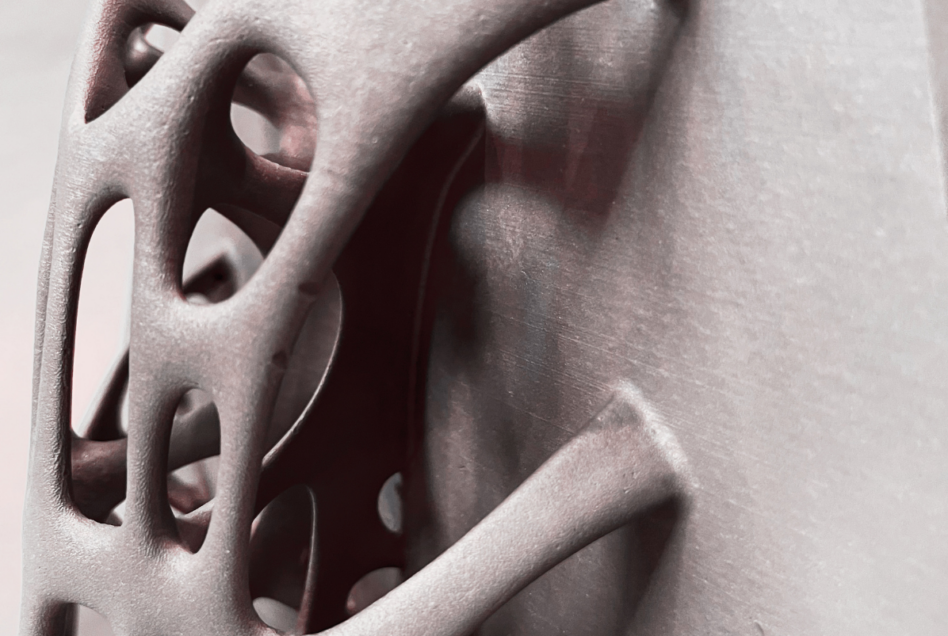
The US Army expects pressure from impending defence mineral restrictions. A January 2027 sourcing deadline will tighten rules on covered materials, while suppliers face difficult traceability and qualification requirements and conditional waiver arrangements.
-
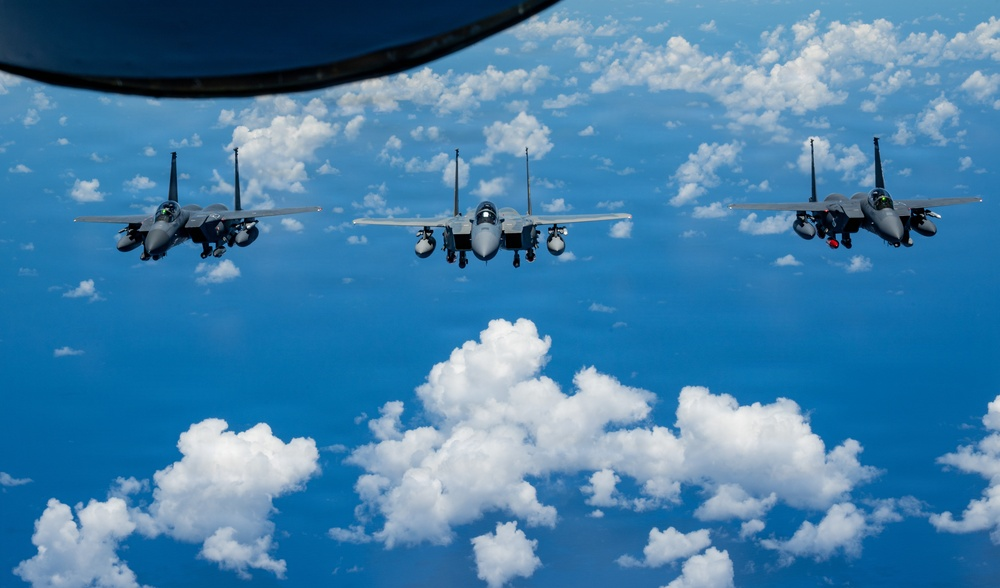
Shift5 has secured an Army contract for operational intelligence software. The five-year agreement has a $99 million ordering ceiling, with expenditure determined through subsequent orders rather than committed in full at award.
-
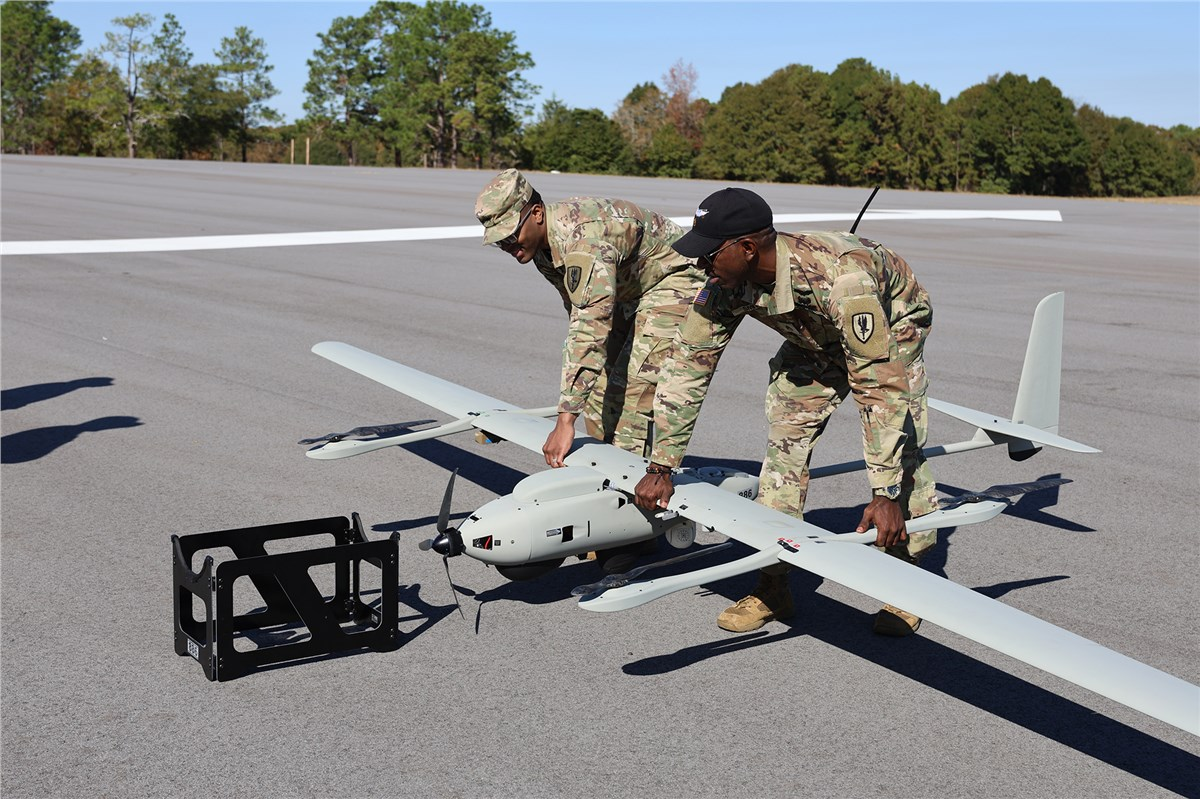
Redwire will supply Stalker aircraft for United States Guard training. Approximately $13.8 million in purchase orders supports the emerging 15X specialist role, combining drone operation and maintenance. Aircraft quantities, configurations and delivery dates remain undisclosed.
-
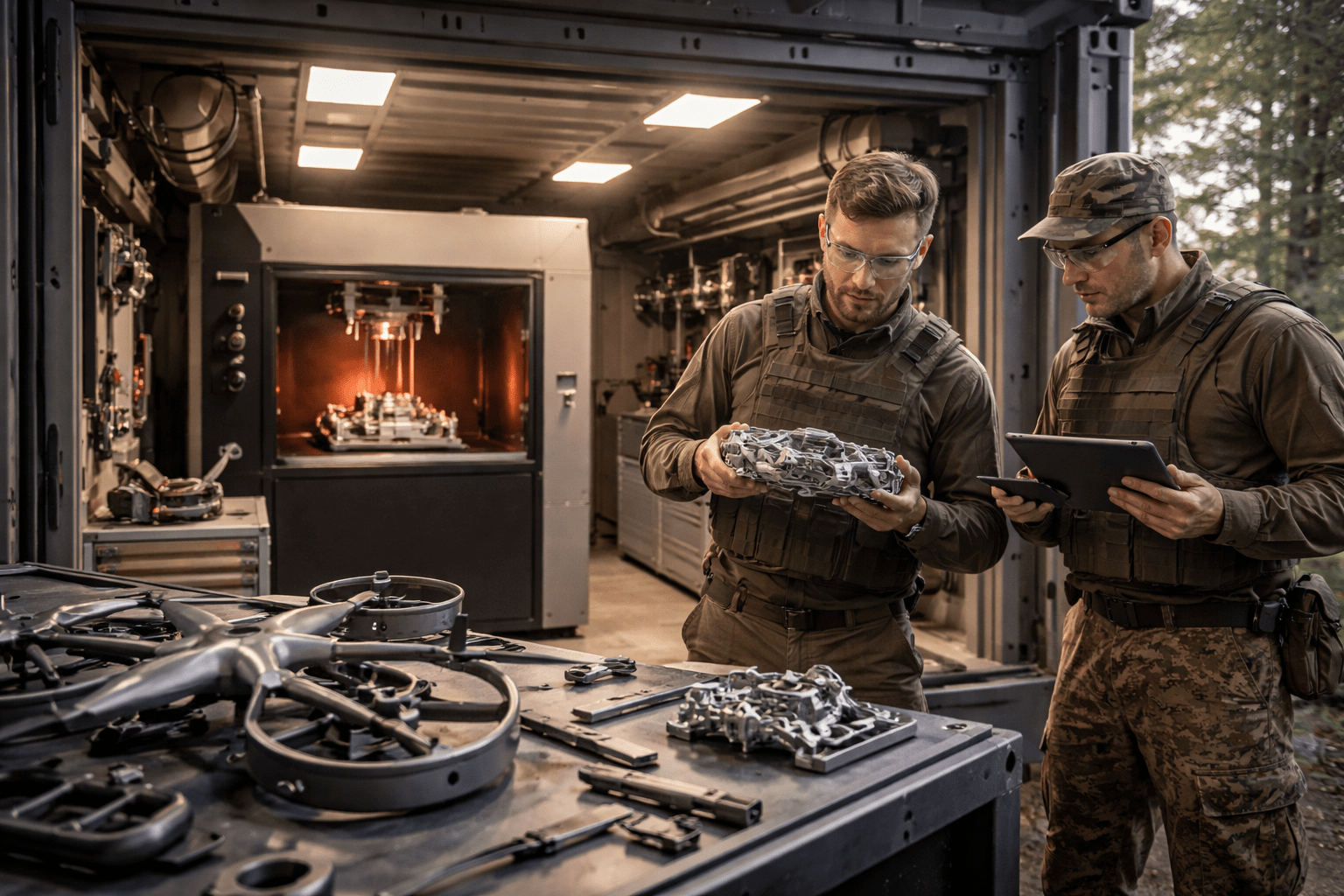
Automation Alley will test secure distributed manufacturing for Army sustainment. A $7.5 million Phase I task order, including an option, covers protected manufacturing instructions, candidate polymer and metal components, and traceable quality records.
-
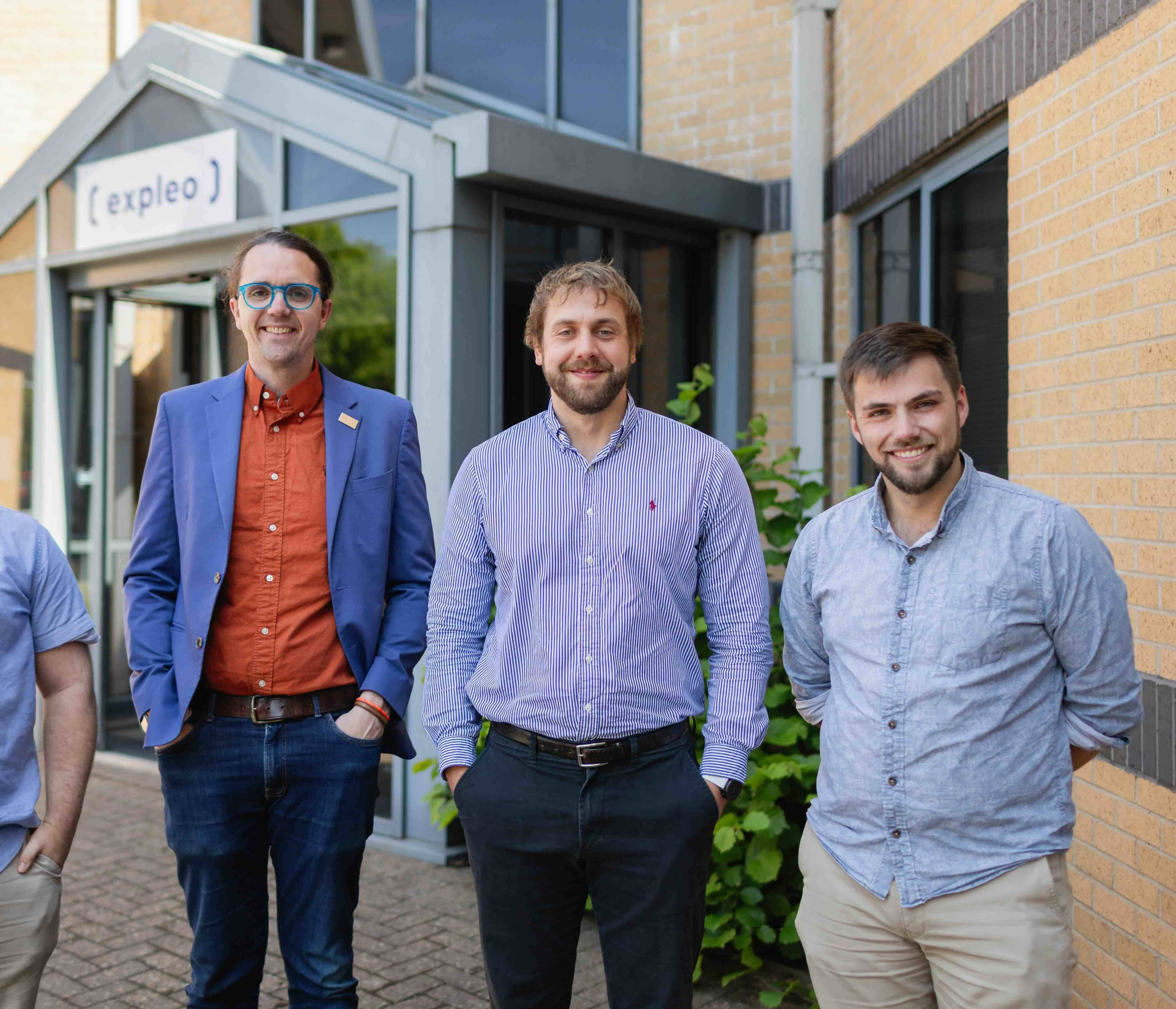
Expleo joins Babcock’s five-year framework for specialist engineering support services. The appointment expands an established supplier relationship across marine, nuclear, land and mission systems, without guaranteeing a specified volume of work.
-
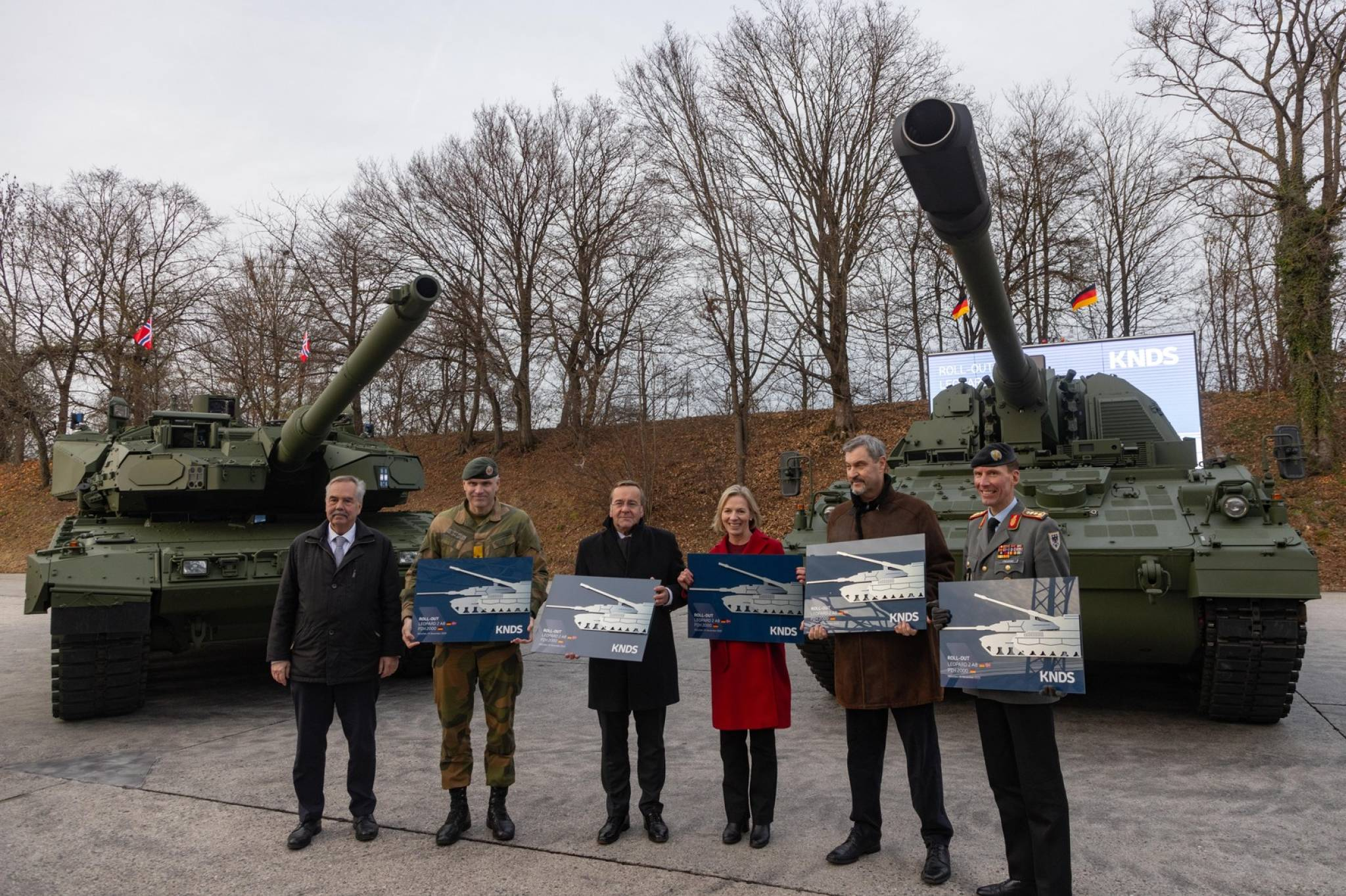
Norwegian Leopard 2A8 manufacture has begun at the Levanger facility. KNDS and RITEK are responsible for a local allocation of 37 tanks within the existing 54-vehicle order.