IN Brief:
- Australia has completed the first live firing of a locally made GMLRS round at Woomera.
- The test connects HIMARS fielding with a growing domestic guided-weapons production base.
- Canberra is using GMLRS as the first rung in a broader sovereign long-range fires manufacturing stack.
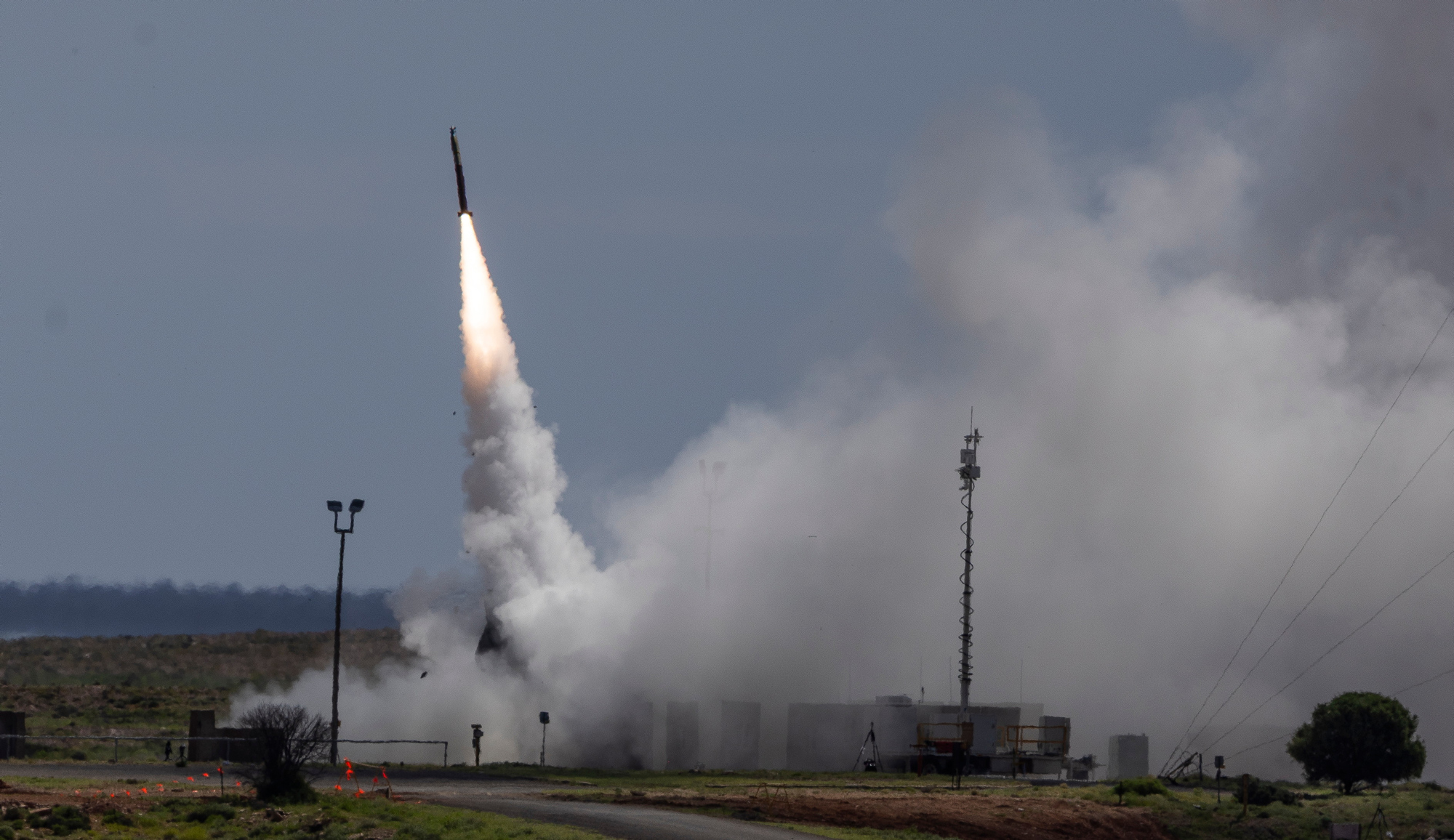
Australia has completed the first live firing of a domestically produced Guided Multiple Launch Rocket System round at the Woomera Test Range, adding a manufacturing milestone to the Army’s long-range fires programme and giving Canberra a more tangible demonstration of sovereign missile production.
The round was fired from HIMARS, linking local munition output to a fielded launcher and a growing operational requirement. That matters because Australia has been trying to tighten the connection between acquisition, industrial capacity, and supportability, rather than treating missile production as a symbolic policy objective.
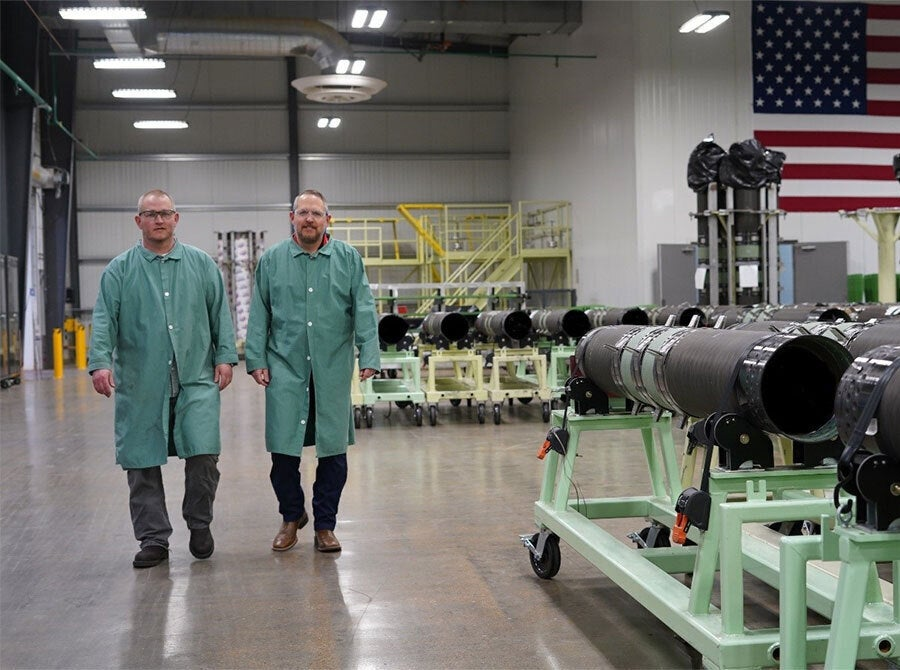
The test also gives sharper definition to the role of the Port Wakefield facility opened in late 2025. With a successful live firing now on the board, the site is tied more directly to usable output, qualification activity, and the wider effort to establish a domestic production pathway for guided weapons.
Expanding the production base
Australia is using GMLRS as a stepping stone into a broader long-range fires industrial effort. That approach allows the government and its industry partners to start with a mature munition, establish quality-assured output, and then deepen local participation across subassemblies, integration work, and future missile lines.
Missile manufacture is not only about final assembly. It depends on specialist tooling, tightly controlled energetic-material handling, inspection and test routines, secure component supply, and the ability to maintain repeatable quality under defence production conditions. Those are the less visible pressures that determine whether sovereign output can move from a successful first firing to dependable throughput.
Pressure now shifts to scale
The next stage is volume, continuity, and supplier resilience. Australian industry has been positioned to take on a larger role in the GMLRS line, but scaling output means more than expanding floor space. It requires vendors that can meet defence-grade standards, survive long qualification cycles, and deliver components at a pace suited to growing demand.
The first live firing does not settle the deeper question of production tempo, but it does move the programme beyond factory-launch politics. Australia now has a clearer industrial proof point, and that will sharpen attention on how quickly the guided-weapons enterprise can broaden from one successful round into a durable missile-production base.