IN Brief:
- Thales defence order intake reached €11.315bn in January–September 2026, 14% higher than the equivalent 2025 period.
- Defence sales were €9.358bn, rising 13.3% on a reported basis and 13.0% organically.
- Third-quarter defence orders fell 5% to €3.964bn, although Q3 defence sales rose 14.1% to €3.043bn.
Thales recorded €11.315 billion in defence orders during the first nine months of 2026, an increase of 14% from the comparable period last year, as demand for naval systems, air surveillance and air defence equipment continued to support its military business. Defence sales reached €9.358 billion, rising 13.3% on a reported basis and 13.0% at constant scope and exchange rates.
The French group reported the figures on 22 October in its trading statement for the period to 30 September. The defence division received €9.954 billion in orders during the corresponding nine months of 2025 and generated €8.260 billion in sales, establishing the base for the reported increases.
Quarterly performance was less uniform. Defence order intake for July–September 2026 was €3.964 billion, down 5% from €4.192 billion a year earlier, or 6% on an organic basis. Third-quarter defence sales nevertheless reached €3.043 billion, up 14.1% as reported and 12.8% organically. The stronger nine-month order total therefore should not be described as uninterrupted quarterly growth.
Order intake and sales measure different stages of industrial activity. Booking a major contract increases the recorded order intake according to the company’s accounting policies, while sales reflect revenue recognised as goods or services are delivered. A large radar or naval electronics contract may support production over several years rather than becoming revenue in the quarter when the customer places the order.
Thales said it had booked 22 defence orders individually exceeding €100 million during January–September, nine of them in the third quarter. The company identified continuing demand for naval equipment, effectors, air surveillance and air defence. The announcement does not allocate the entire €11.315 billion intake among those categories, so individual contributions cannot be calculated reliably.
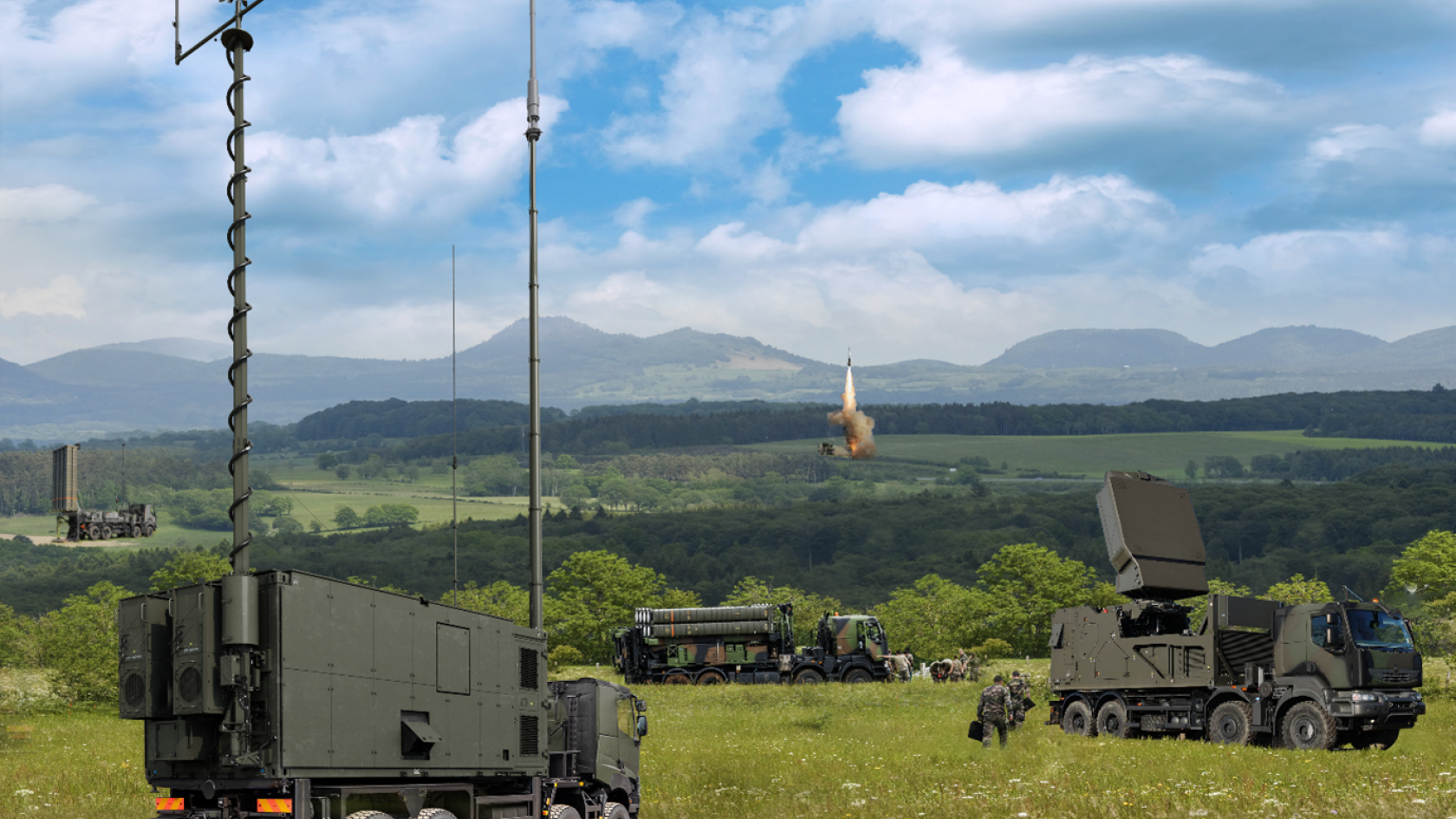
Examples of activity during the period included an order relating to France’s SNLE 3G submarine programme and a further support and maintenance award for Royal Australian Navy vessels. The company also reported a Romanian defence order for twelve Ground Master 200 MM/A radars, financed under the European Union’s Security Action for Europe programme, and procurement of air defence equipment by an unnamed European customer.
These programmes generate different manufacturing requirements. Radar equipment depends on electronic assemblies, antenna systems, signal processing and mechanical integration, while naval programmes can involve specialised sensors, communications and long-term support. An effectors programme may depend on a further set of qualified components and production processes. A common order book does not make those manufacturing capacities interchangeable.
The Romanian radar award is an example of a specific order disclosed within the wider results. It is not a measure of the volume of all European radar procurement during the quarter. Where Thales has withheld an air defence customer’s name or equipment configuration, no identity or undisclosed quantity can responsibly be inferred from the segment totals.
Production capacity is relevant because sustained orders require factories and suppliers to deliver against contract milestones. Specialist electronics, manufacturing equipment, testing facilities and qualified staff can impose limits on output even when demand is strong. The group reported that its production ramp-up was supporting delivery of the defence order book, particularly for air defence, without publishing a consolidated measure of additional annual equipment output.
An increase in sales is consequently evidence of higher recognised business activity rather than a direct count of radars, missiles or other units delivered. Different equipment and services can produce similar revenue values despite substantial differences in production complexity, materials and labour requirements.
Across all three operating divisions, Thales recorded €19.122 billion in orders during the nine months, 14% above the previous year on a reported basis and 15% organically. Group sales were €16.422 billion, growing 7.6% reported and 8.1% organically. Defence accounted for the largest portion of group sales, but those group figures also include Aerospace and Cyber & Digital.
Aerospace order intake was €5.011 billion, up 29% organically, helped by institutional space requirements. Cyber & Digital intake reached €2.724 billion, down 2% organically, while that segment’s sales were €2.742 billion. The variations underline why group-wide growth should not be treated as a uniform measure of defence market performance.
Geographical figures also require separation from the defence segment. Thales reported €11.206 billion of group orders by customer destination in Europe, including €4.065 billion in France and €639 million in the United Kingdom. Those totals include contracts from all operating segments rather than defence orders alone.
The statement confirmed Thales’ financial objectives for 2026. Organic group sales growth is now expected towards the upper end of the previously indicated 6–7% range, potentially beyond it, subject to the published assumptions. That guidance applies to total group sales, not an additional defence order forecast.
The defence business enters the final quarter with higher orders and sales over the first nine months, alongside a year-on-year decline in third-quarter defence intake. Further annual performance will depend on the timing of large contract awards and execution of the existing order book, while capacity expansion will need to translate into qualified equipment and services delivered to customers.