IN Brief:
- BAE Systems completed purchase of a 130,000sq ft building on approximately 13 acres in Weld County, Colorado.
- More than 200 new employees are planned over 12–24 months; the site could eventually employ approximately 600.
- Retrofitting and equipment procurement will precede the planned start of space hardware and sensor production in early 2028.
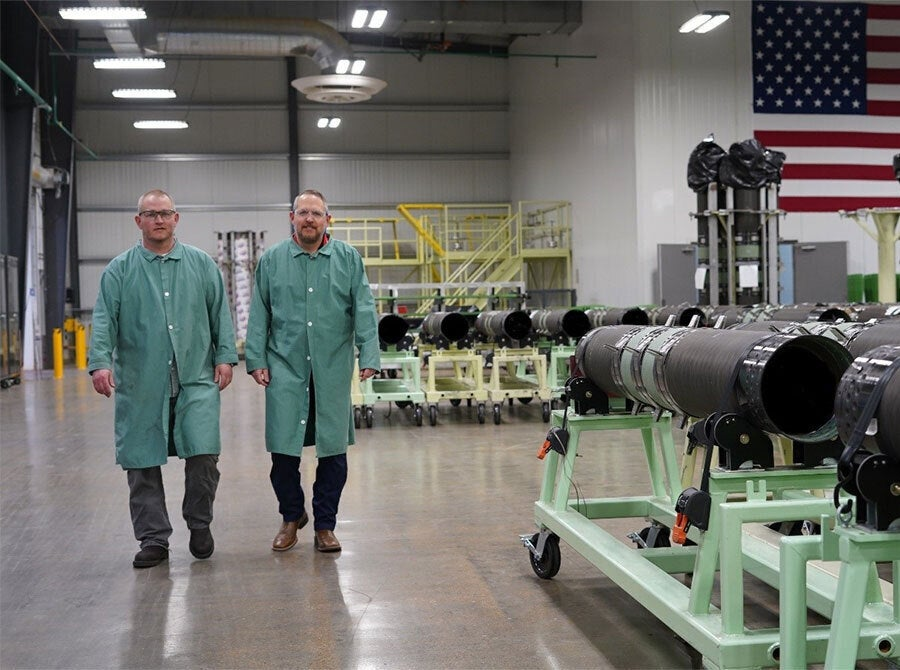
BAE Systems has completed the purchase of a 130,000sq ft manufacturing building in Weld County, Colorado, as it expands capacity for space hardware and sensor systems. The company intends to retrofit the property and install production equipment ahead of an anticipated manufacturing start in early 2028.
The acquisition, announced on 21 October, involves a building on approximately 13 acres and establishes the company’s first production site in Weld County. It adds to existing Space & Mission Systems facilities in Boulder, Broomfield and Westminster rather than replacing an announced location.
BAE expects to recruit more than 200 people to support the new operation over the next 12 to 24 months. At full capacity, the company estimates that the site could employ approximately 600 people. Those figures describe different stages of workforce development and should not be treated as employees already in place.
The manufacturer has not identified the particular spacecraft, payloads or customer programmes that will occupy the new building. Its statement refers to space-based hardware and sensor systems, leaving the final product mix, equipment layout and anticipated production quantities undisclosed.
The site will require refurbishment before its intended work can begin. BAE plans to carry out the retrofit and purchase manufacturing equipment during the remainder of 2026, with subsequent commissioning and preparations needed before the proposed early-2028 opening for production.
Converting an existing industrial building into specialist aerospace manufacturing space involves the interaction of its physical layout with the processes being installed. Electrical services, heating and cooling capacity, equipment foundations and material-handling routes may all influence how production areas are organised.
The specific alterations at Weld County have not been released. General requirements for space hardware can include controlled assembly environments, sensitive equipment handling and suitable facilities for verifying components before integration. It would be premature to claim that any particular cleanroom or environmental chamber has been ordered for the property.
Spacecraft components must survive launch and the conditions associated with their mission. Structural assemblies can face vibration and mechanical loading, while electronics and sensors may be exposed to demanding thermal conditions and, depending on orbit and design, radiation effects.
These considerations influence the selection of materials, electronic components and manufacturing processes. A finished assembly normally passes through defined inspection and verification procedures that establish conformity with the requirements of the programme for which it is being produced.
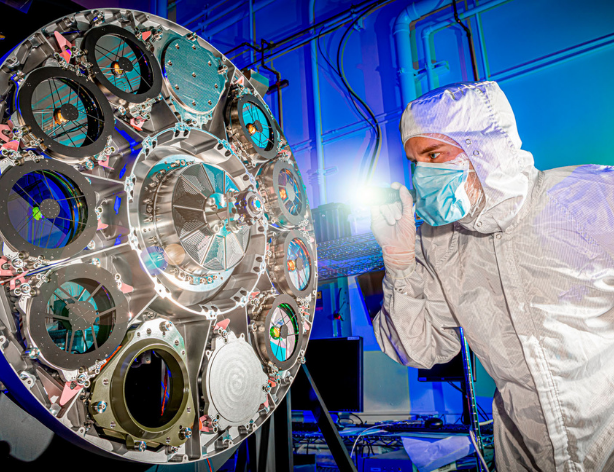
Qualification can involve environmental and functional testing, with the appropriate methods determined by the equipment and its intended use. The test sequence for an optical sensor may differ substantially from that of an electronic control module, even where both are ultimately installed on the same spacecraft.
An expansion of factory space may help a manufacturer run more assembly and verification activity, but usable output also depends on specialist workers, equipment and the availability of qualified components. A new site is not evidence of higher delivered spacecraft hardware volumes until its processes are commissioned and production begins.
BAE’s Colorado facilities already undertake space and mission systems activity, creating a regional base of engineering, manufacturing and support capabilities. The company has not stated which existing operations may contribute employees, equipment or work packages to Weld County, so the acquisition should not be described as a relocation of a specified product line.
The recruitment programme will require a mix of manufacturing and technical skills, depending on the production activities eventually selected. Local access to trained personnel and suppliers may influence the development timetable, but BAE has not published a detailed breakdown of jobs by discipline.
Weld County officials and the State of Colorado supported the company’s decision to establish the facility. BAE acknowledged that assistance in its announcement, without publishing a complete property purchase price, retrofit cost or total public support figure in the corporate statement.
Local reporting identifies proposed state incentives and transaction details, but the terms and conditions of any available support are separate from the core industrial milestones. Incentive figures should not be added to the factory investment without checking their basis, approval status and eligibility requirements.
For space programmes, additional production capacity can reduce scheduling pressure where equipment is shared between several projects. That benefit depends on whether the new site receives qualified tooling and appropriate workloads; increased available floor space does not independently establish improved delivery performance.
BAE’s decision creates a further manufacturing location in a Colorado aerospace cluster where it already has industrial operations. The facility’s eventual contribution will be determined by the equipment installed, approved manufacturing processes and programmes allocated to it, rather than by the acquisition alone.
The next confirmed milestones are the building retrofit, equipment procurement and recruitment activity. Production remains planned for early 2028, when the company expects the facility to begin manufacturing space hardware and sensor systems for customers not yet identified in the announcement.