IN Brief:
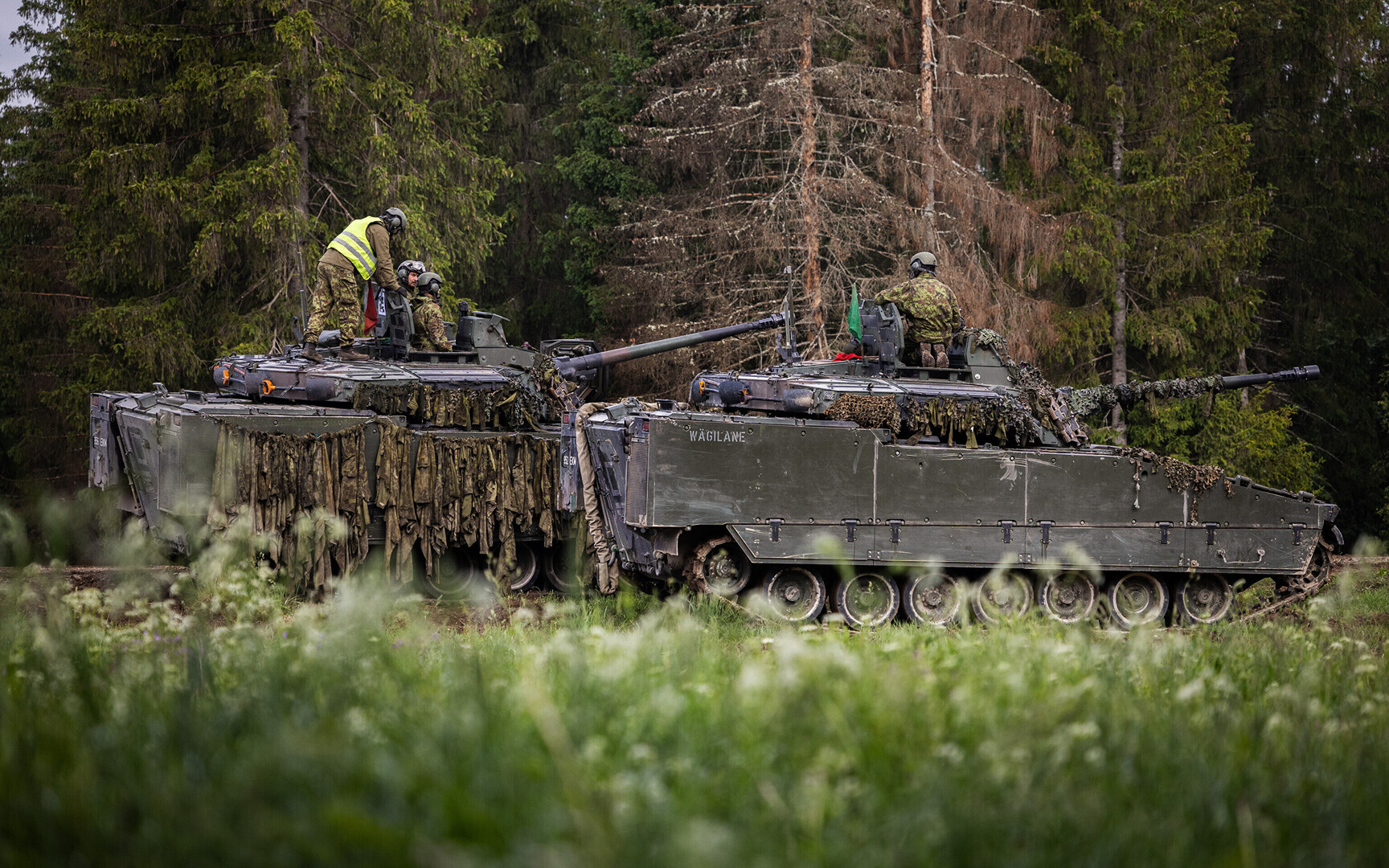
- Estonia is dropping a major new CV90 purchase and extending the life of its existing vehicles.
- Funding is being redirected into air defence, unmanned systems, firepower, mobility, and situational awareness.
- The move reflects a wider Baltic preference for layered capability over heavier replacement cycles.
Estonia is redirecting funding away from a planned infantry fighting vehicle replacement and toward air defence, unmanned systems, firepower, mobility, and situational awareness, in one of the clearest recent signs that frontline land-force investment priorities are shifting. The decision shelves a major new CV90 purchase and instead extends the service life of the existing fleet while investment concentrates on capabilities seen as more urgent.
For land-systems suppliers, the significance extends beyond a single programme adjustment. Estonia is a NATO frontline state whose procurement choices are watched closely because they tend to reflect operational urgency rather than slower doctrinal drift. When Tallinn decides that heavier vehicle replacement should give way to layered air defence, drones, and other enablers, the signal carries weight across the region.
The decision also sits within a broader spending expansion. Estonia has lifted defence expenditure sharply, with major allocations already flowing into ammunition, medium-range air defence, and industrial support. Against that backdrop, the shift away from a larger CV90 purchase looks less like retrenchment than a redistribution towards systems judged more immediately useful.
From replacement cycle to upgrade work
Extending the life of an existing armoured fleet rather than moving straight into a fresh vehicle buy changes the industrial mix rather than removing work altogether. It shifts emphasis towards refurbishment, electronics refresh, spares support, obsolescence management, and the integration of newer battlefield systems onto older platforms.
That can keep support and engineering chains active even as a headline platform order falls away. Vehicles retained for longer service still require armour work, mechanical overhaul, sensor updates, and sustainment planning, but the revenue profile moves away from new-build volume and towards adaptation and through-life support.
A different land-systems demand signal
Estonia’s wider investment pattern suggests that future land capability will be built as a layered network of vehicles, missiles, sensors, communications, ammunition, and autonomous systems rather than around a single replacement cycle. That favours suppliers able to support distributed capability, rapid integration, and high-tempo support requirements.
For manufacturers, the message is that spending growth in Europe’s eastern flank will not always translate into traditional platform-heavy orders. In this case, the pressure is shifting towards the industries that can provide air-defence layers, uncrewed mass, firepower, and the sustainment engineering needed to keep legacy armoured fleets relevant for longer.