IN Brief:
- ARCA Baltics Operations will build a €300 million ammunition factory at North Kiviõli in Estonia.
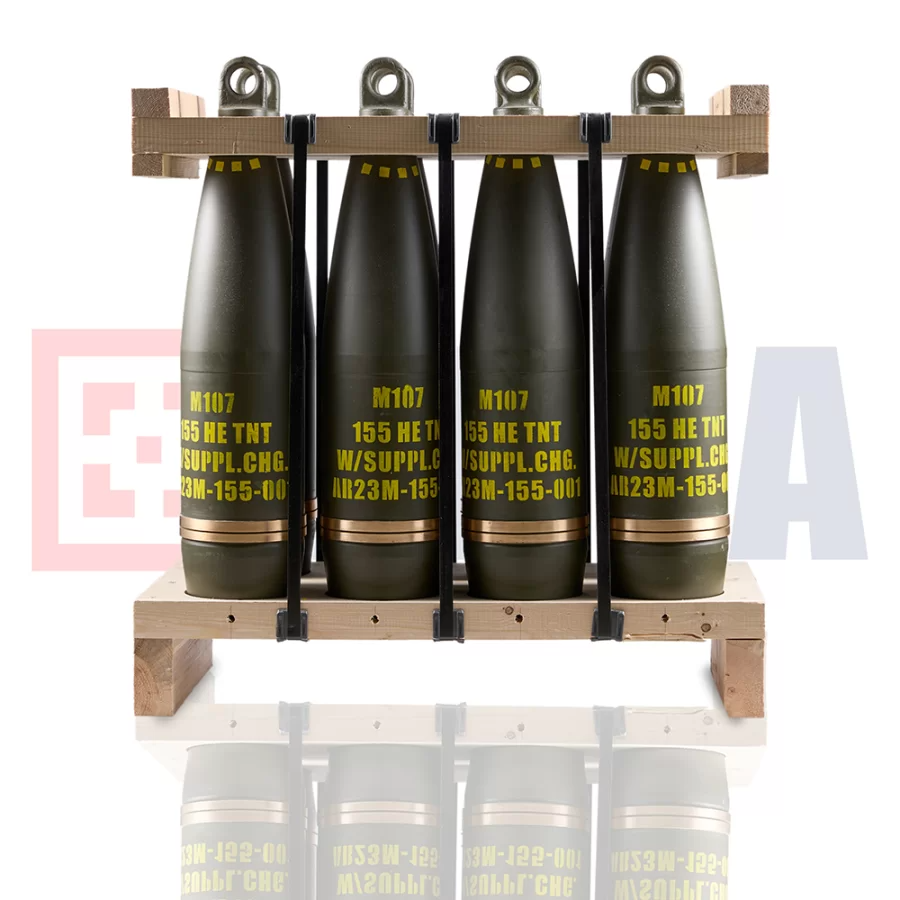
- The site is planned to produce 155mm artillery ammunition, mortar rounds, and 122mm rockets from 2028.
- New output will depend on plant infrastructure, energetics handling, inspection capacity, storage, and logistics as much as machining lines.
ARCA Baltics Operations is set to build a €300 million ammunition factory in Estonia’s North Kiviõli defence industry park, adding new European capacity for 155mm artillery ammunition, mortar rounds, and 122mm rockets. Production is planned to begin in 2028, with the site covering 141 hectares and expected to create up to 1,000 jobs.
The project expands the Baltic region’s role in a defence-industrial landscape still trying to raise artillery output and reduce dependence on stretched legacy supply chains. Estonia is supporting the project with infrastructure for roads and utilities, while retaining the option to procure from the facility once production is under way.
That places the factory inside both regional industrial development and broader European ammunition planning. New shell output remains one of the most heavily scrutinised parts of the defence production base, particularly where programmes promise volume several years out.
Ammunition output rests on the whole plant, not one line
Large-calibre ammunition production extends well beyond shell-body machining. Sustained output depends on explosive filling, fuze availability, propellant supply, inspection systems, packaging, safe storage, and transport arrangements that can move finished rounds without creating new choke points.
Site design therefore matters. Utility provision, handling space, storage layout, safety distances, and access roads all shape how much usable production a plant can support once contracts begin to build.
A new Baltic node enters Europe’s supply map
ARCA already operates as a large ammunition producer in Türkiye, and the Estonia project extends that manufacturing footprint into EU and NATO territory close to one of Europe’s most demanding rearmament zones. It also gives Estonia a more direct place inside the ammunition supply chain rather than leaving the state dependent solely on external sourcing.
From an industrial perspective, the value of the project lies in fresh capacity, a new location for large-calibre output, and the support infrastructure needed to keep that output moving once the plant becomes operational.