IN Brief:
- Sweden and Poland are both advancing TNT-related capacity as Europe tries to ease a core munitions bottleneck.
- The pressure point is not only shell assembly, but the energetics layer that feeds filling lines and bomb production.
- New explosives capacity pulls more value into chemical engineering, plant safety, wastewater treatment, and specialist logistics.
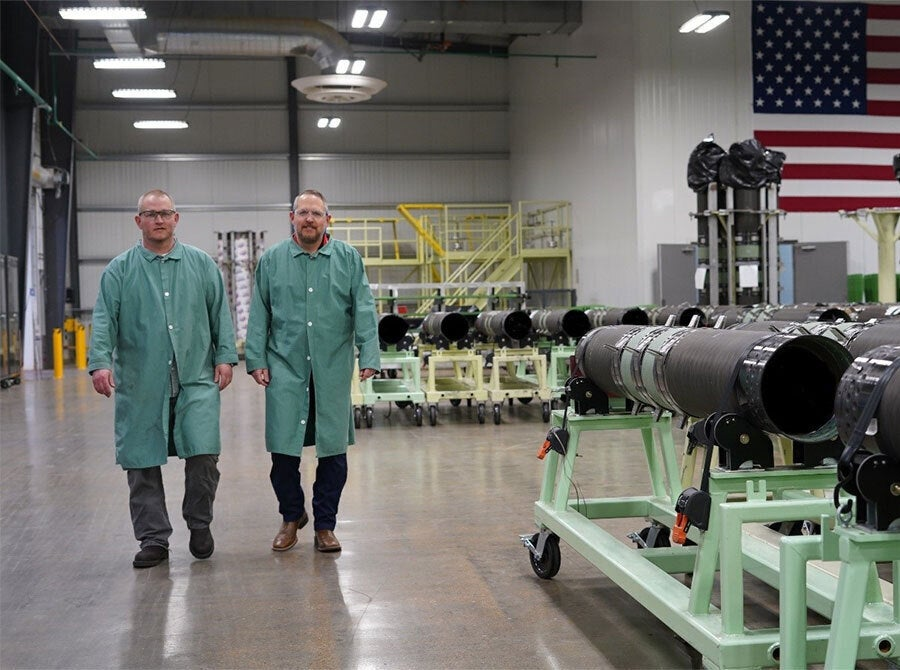
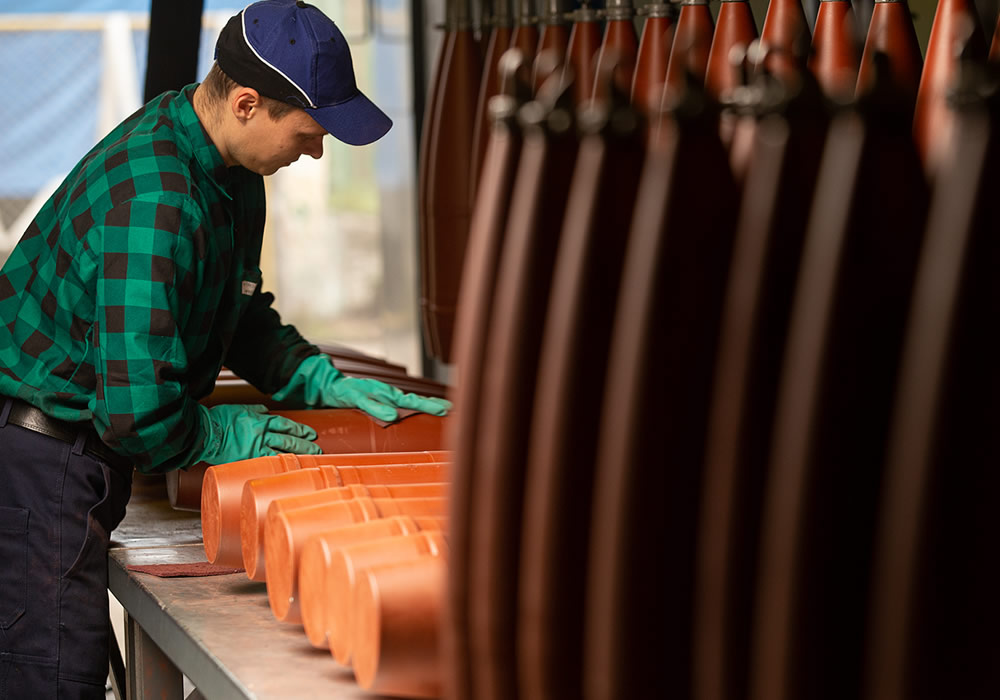
Europe’s effort to lift ammunition output is moving further upstream, with new TNT investment in Sweden and Poland putting fresh attention on the chemical base that sits underneath shell and bomb production. The shift matters because explosives capacity remains one of the least visible but most constraining parts of the munitions chain. Shell bodies, fuzes, and final assembly lines can only expand so far if explosive fill remains tight.
Sweden’s Swebal is advancing plans for a new TNT facility, while Poland’s Nitro-Chem continues to reinforce its position in the region’s energetics and explosive materials landscape. Taken together, the moves suggest a broader recognition across Europe that the artillery debate cannot be reduced to final round counts or publicised output targets. The harder industrial question is whether the supply chain behind those targets is being rebuilt in parallel.
That question has become more urgent as European governments continue to place large orders for artillery ammunition and wider land-war stocks. The bottlenecks are increasingly well understood. Steel and machining capacity matter, but so do nitration processes, process safety systems, containment infrastructure, environmental controls, and the specialist handling requirements that come with explosive materials production.
Energetics are slower to scale than assembly
The appeal of downstream expansion is obvious. New filling lines and shell-body production are comparatively straightforward to explain and politically easier to present. TNT and related energetics facilities are different. They demand complex plant design, hazardous-process expertise, wastewater treatment, blast protection, and lengthy permitting and construction timetables. Capacity in this segment does not appear quickly, even when funding is available.
That industrial reality is why these latest developments deserve close attention. Europe has spent much of the past two years talking about munitions urgency. The more difficult work is now under way in the chemical and process-engineering layer that determines whether ammunition expansion becomes repeatable rather than episodic.
Chemical engineering becomes a defence issue
The effect reaches well beyond traditional defence primes. More TNT capacity drives demand for industrial automation, specialist pumps and valves, pipework, process instrumentation, safety systems, environmental controls, and hazardous-material logistics. In other words, the ammunition build-up pulls a broader industrial base into the defence economy, including companies that may not usually think of themselves as part of a munitions supply chain.
That makes upstream capacity more than a supporting detail. It is increasingly the condition on which downstream shell output depends. As Sweden and Poland increase their role in this segment, Europe’s ammunition expansion looks less like a short-cycle response and more like an attempt to rebuild deeper manufacturing resilience around one of the continent’s most stressed defence sectors.