IN Brief:
- Denmark has selected SAMP/T NG for long-range ground-based air and missile defence.
- Deliveries under the first export contract are expected from 2028.
- The programme adds work across missile production, radar manufacture, and command-system integration.
Denmark has selected the European SAMP/T NG system for long-range ground-based air defence, adding another live programme to a sector already under pressure to expand output.
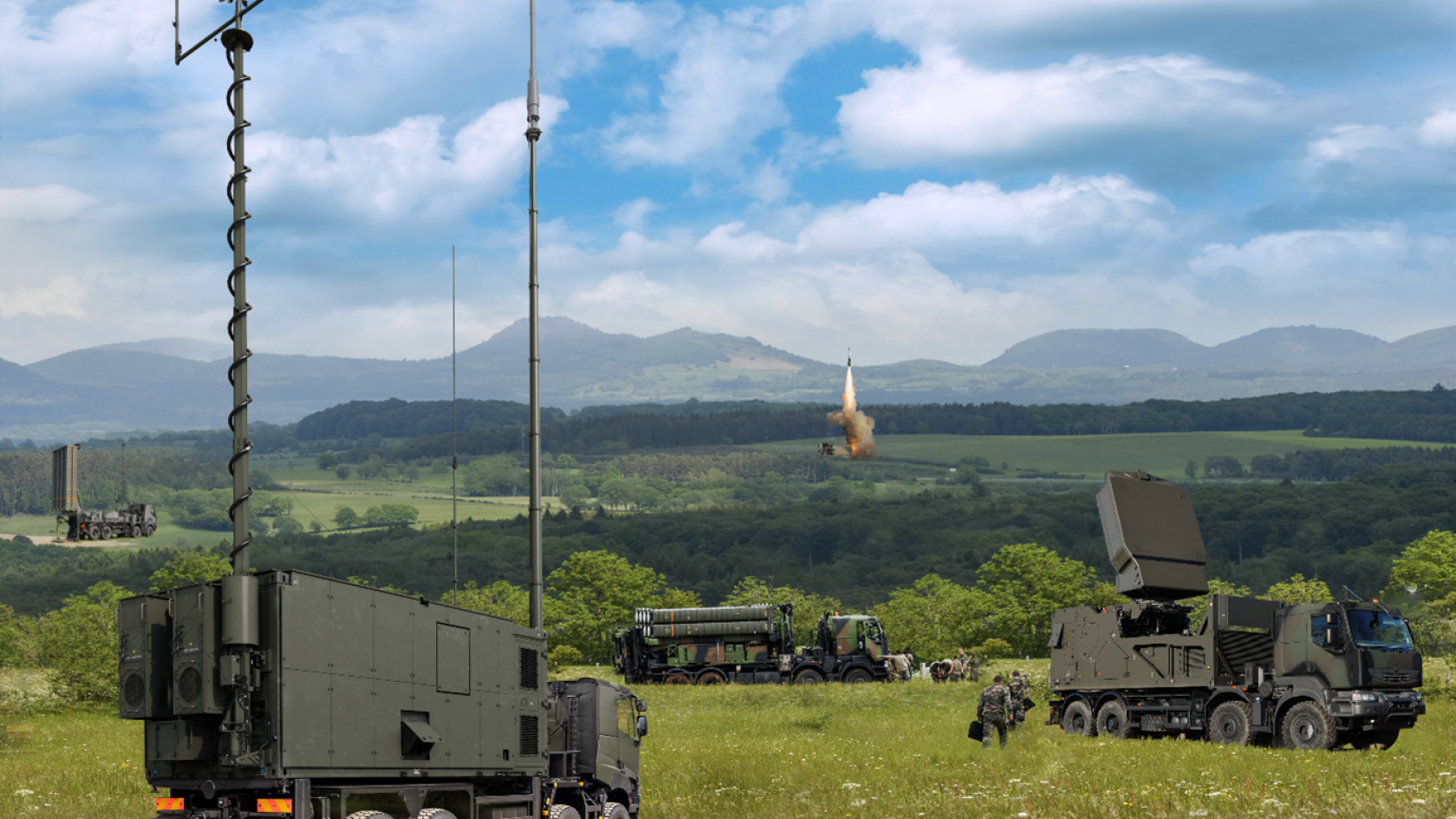
The system combines Aster missiles with a next-generation engagement architecture designed to counter a broad mix of airborne threats, including more demanding missile profiles. For Denmark, the selection fills a major capability requirement. For manufacturers, it creates a new export workload spanning missiles, radars, launch systems, support equipment, and command infrastructure.
Sections under the first export contract are expected from 2028, pushing the programme beyond selection and into the early delivery phase. The order also feeds directly into a wider European production cycle centred on missile throughput, radar build capacity, and integrated air-defence architecture.
SAMP/T NG is designed for NATO interoperability and operation in dense electromagnetic environments, with the system supporting both Aster 30 B1 and B1NT effectors.
Pressure across missile and radar lines
Missile production remains one of the most heavily loaded parts of Europe’s defence-industrial base. Output depends on component availability, energetic materials, specialist electronics, test capacity, and final integration. Radar production carries its own constraints in high-performance sensor fabrication, power management, processing hardware, and qualification.
Those lines then have to align with launchers, communications systems, and software, which places a premium on schedule coordination across the whole programme.
Integrating the wider air-defence architecture
Ground-based air defence requires extensive work beyond the launcher itself. National and allied command networks, data-handling systems, identification processes, cyber security, and operator training all sit inside the delivery burden.
That leaves a long support tail in software maintenance, integration activity, and qualification work long after the first hardware sections are delivered.