IN Brief:
- Kawasaki is moving further into collaborative and unmanned-aircraft development alongside its established military aerospace base.
- The shift increases the importance of autonomy software, datalinks, and low-signature airframe production.
- Japan’s next aerospace manufacturing challenge may prove as digital as it is aerodynamic.
Kawasaki Heavy Industries is moving deeper into unmanned-aircraft development, with concept work around collaborative support aircraft adding a new strand to Japan’s combat-air planning. Publicly shown concepts point to a larger adjunct aircraft and a smaller, more expendable type, both aligned with the manned-unmanned teaming approaches now shaping future airpower programmes.
Kawasaki enters that space with a substantial aerospace base already in place. The company has long-standing experience on Japanese military aircraft programmes, including the P-1 maritime patrol aircraft and C-2 transport, alongside broader work in aircraft structures, systems, and propulsion. Its K-RACER unmanned programme has also demonstrated growing internal capability in autonomy, flight control, and compact-aircraft engineering.
The challenge is no longer confined to airframe design. It extends across mission systems, autonomy, communications, and the ability to manufacture in low-rate batches before any larger ramp-up begins.
The production challenge
Collaborative aircraft have to remain significantly cheaper than conventional combat platforms while still carrying secure datalinks, mission computing, resilient navigation, and enough survivability to operate in contested environments.
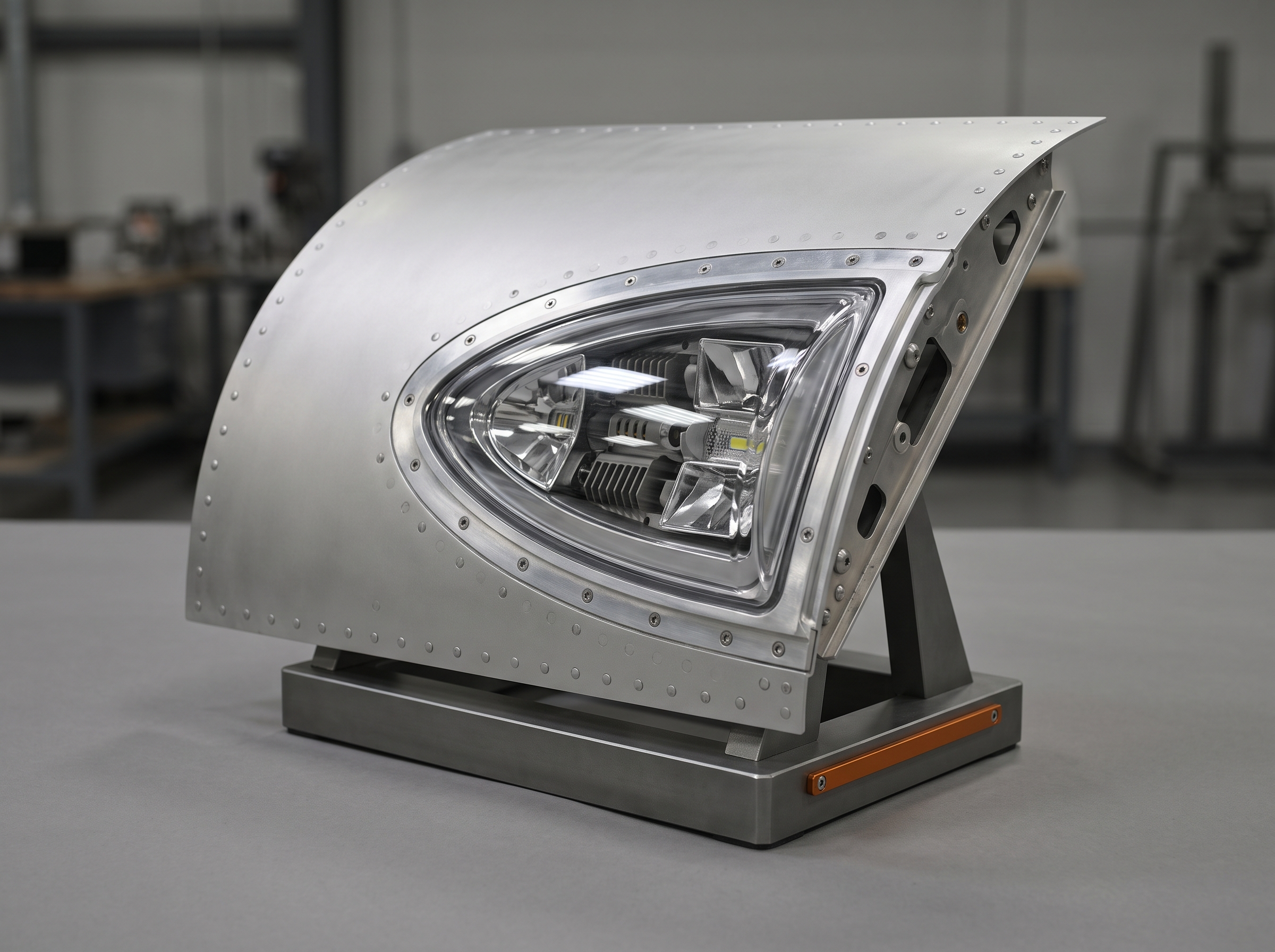
That places unusual pressure on the supply chain. Composite structures, sensor integration, radio-frequency engineering, embedded software, and modular payload design all move closer to the centre of the programme. If low-signature shaping is added, manufacturing tolerance and quality assurance become harder again.
Japan’s industrial route
Kawasaki’s position inside Japan’s aerospace sector gives it an advantage as programmes move from concept work toward demonstrators and production decisions. Certified aerospace manufacturing, mission integration, and defence systems engineering are already part of the company’s operating base.
If collaborative aircraft move forward as a formal programme, the pace of iteration will matter as much as the design itself. Software updates, interface stability, payload integration, and manufacturing discipline will all shape whether Japan can field adjunct aircraft quickly enough to keep pace with changing doctrine and threat conditions.