
Land
-
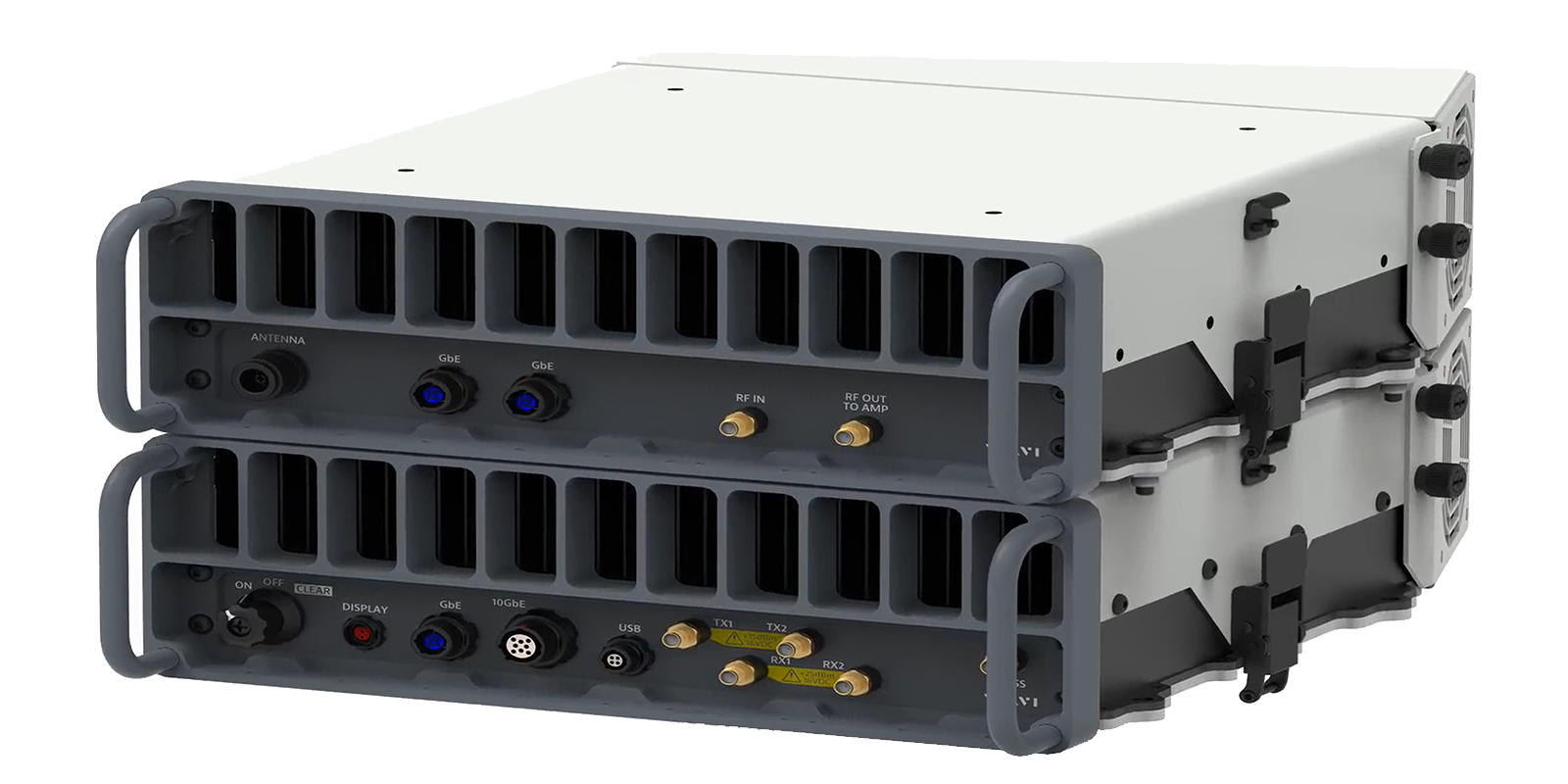
VIAVI will help create contested electromagnetic environments for Army testing. Its T/Rx software-defined transceiver has been selected to support range modernisation and the evaluation of drones, counter-drone systems and interceptors.
-
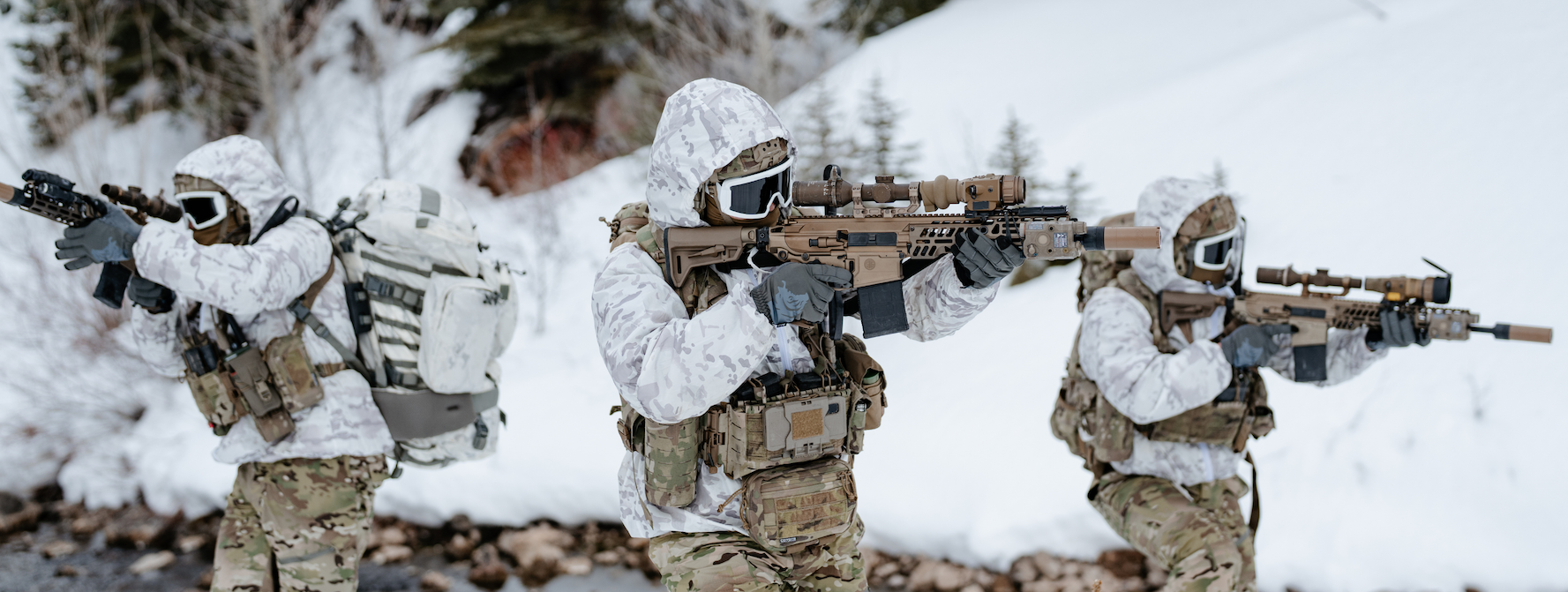
Leonardo DRS has received another US Army thermal sight order. The $63 million production award extends manufacture of FWS-I equipment, which connects weapon-mounted infrared sensors wirelessly to compatible soldier-worn displays.
-

Raytheon has secured major counter-drone orders from three defence customers. The $729 million awards cover LIDS equipment for the United States, Qatar and Jordan, including the first international sales of KuRFS radar and Coyote interceptors.
-

France has activated another MX-10 DAMOCLES loitering munition contract option. KNDS and DELAIR will supply an additional batch under the original 2024 agreement, with the order supporting increased manufacturing capacity.
-
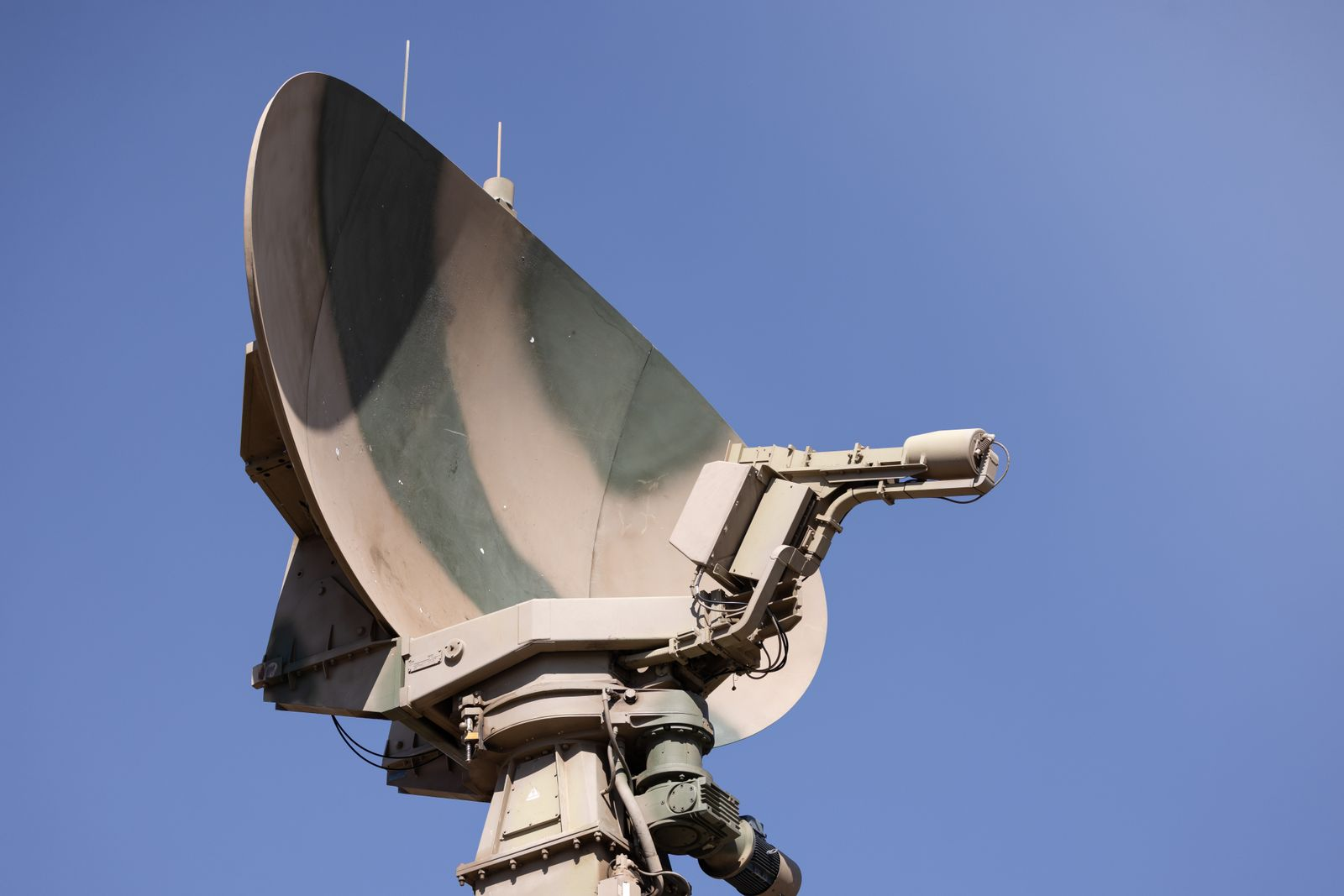
Leonardo DRS has launched its new cxMHR C-band defence radar. Initial production has begun for a containerised system integrating four AESA panels, identification equipment and command functions.
-
Leidos has selected X-Bow to develop Army cruise-missile booster motors. Qualification and static firing will precede planned production in 2027, under a programme separate from X-Bow’s recent Navy award.
-
Anduril has introduced Steelfin, a configurable family of interceptor missiles. Different boosters would share a common terminal stage, with variant flight testing scheduled for 2027.
-
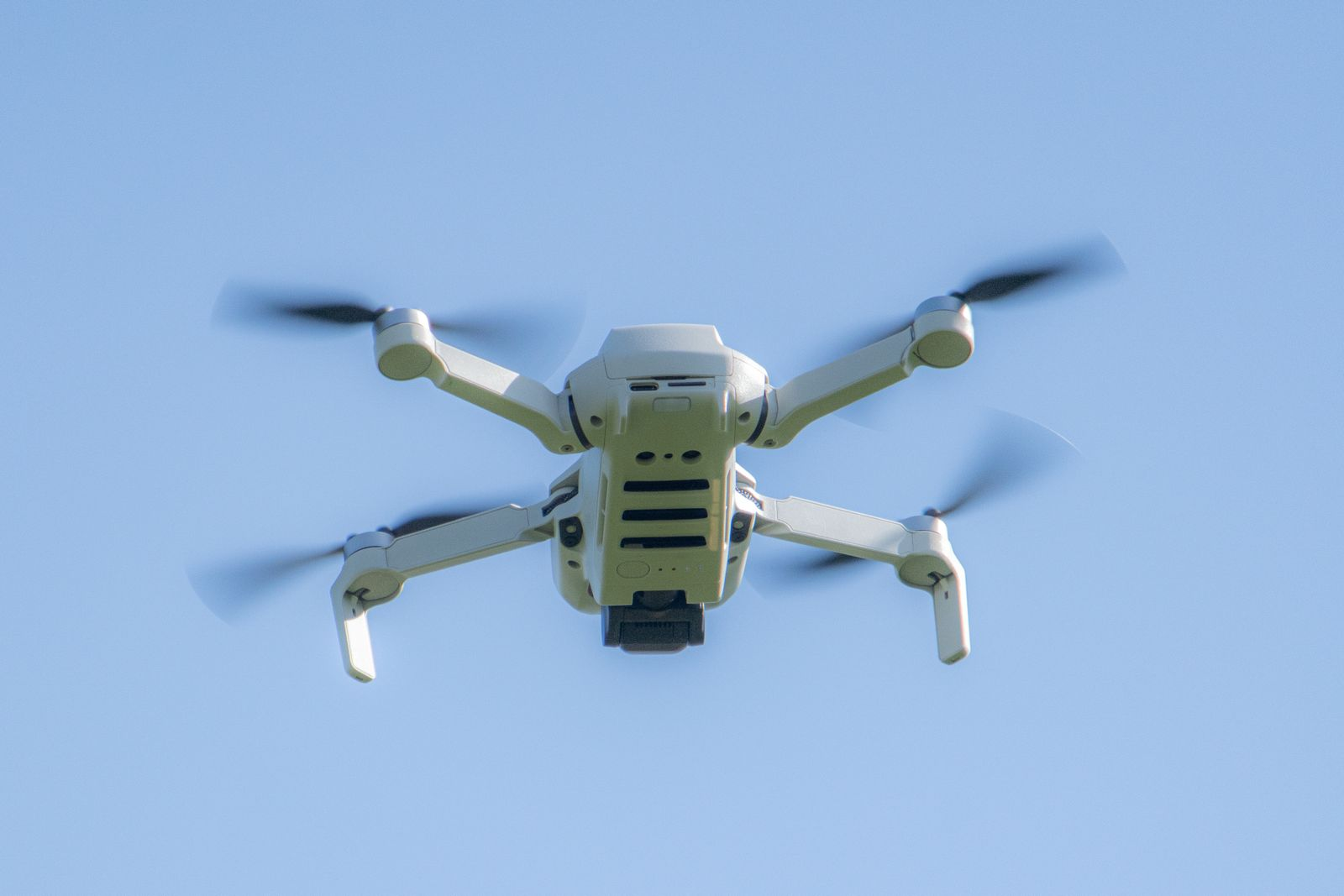
BAE Systems presented cannon and microwave counter-drone systems in Washington. The technologies use different effects against aerial targets, but no joint deployment or operational award has been announced.
-

UK Connect Defence reports gaining Made in Britain trademark recognition. Its UK engineering work covers deployable connectivity, unattended sensing and tactical systems integration.
-
Project Safari will streamline smaller businesses’ access to defence testing. The MOD has also commissioned initial design work for future capabilities at the Hebrides range.