
Land
-
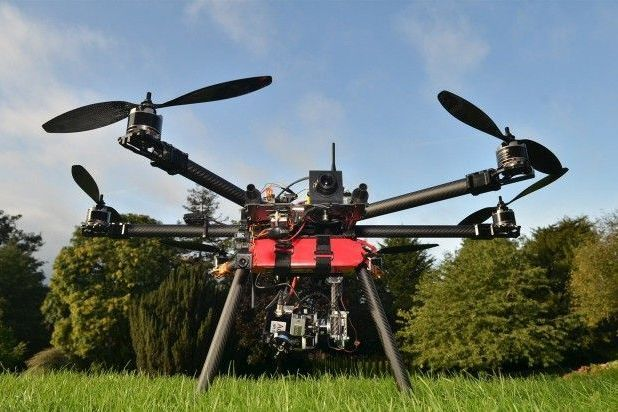
The MoD proposes new autonomous radiation mapping research with Bristol. Its planned £368,512 direct award covers UAV algorithms, source localisation and trials, with signature scheduled for November.
-

The British Army has launched its £2.45m tactical power competition. It seeks generation, storage, charging and distribution technologies, alongside market engagement for more mature systems.
-
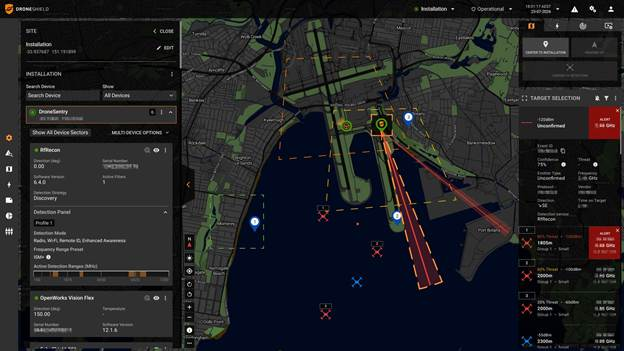
DroneShield has introduced new counter-drone software for existing deployed systems. The update adds unfamiliar-signal alerts, improved optical classification and coordinated electronic disruption, with command-system deployment planned for November.
-
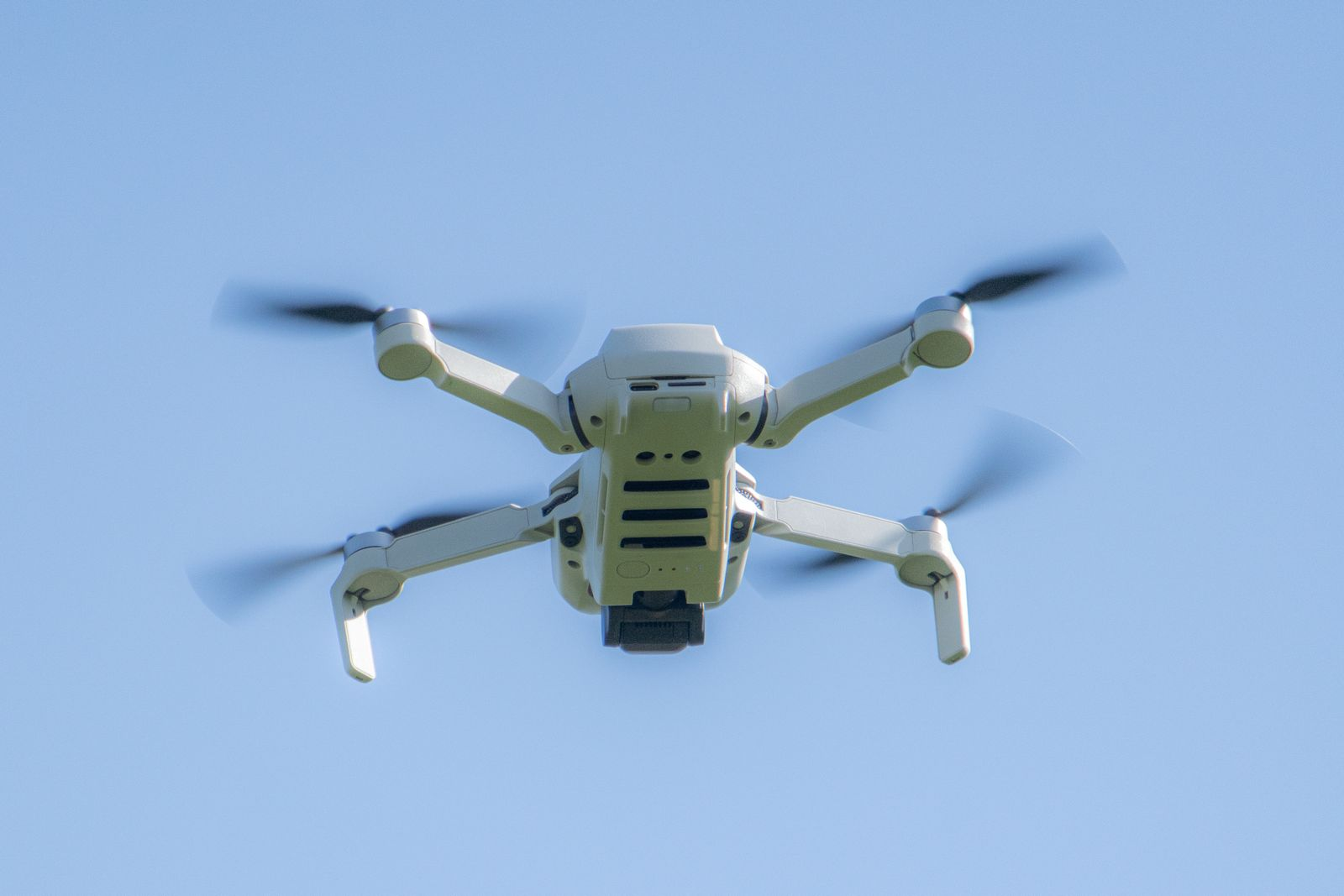
Leonardo DRS has secured a new counter-drone procurement framework agreement. The three-year JIATF-401 contract has a $500 million ceiling, but individual task orders remain subject to competition and are not guaranteed.
-

Oshkosh and Michigan Tech are advancing a vehicle power system. Their Vehicle Integrated Power Kit targets 120 kW at 600 V DC, with further prototype validation and soldier evaluation planned before any production decision.
-
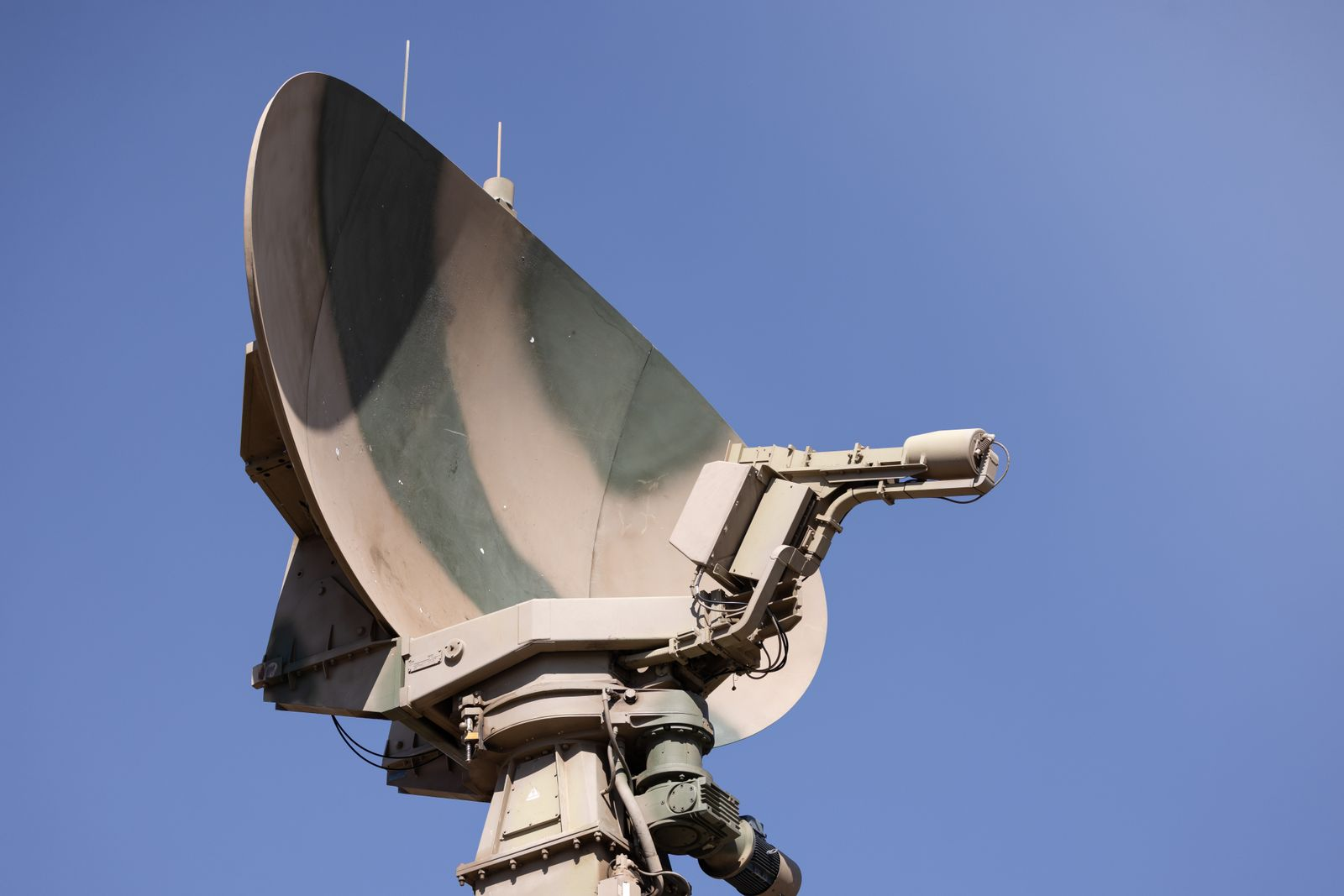
Airbus has linked German and Swedish air defence command systems. IRIS-T SLM and Patriot were connected through SAMOC during multinational live firing, alongside the German Army’s short-range LeFlaSys system.
-
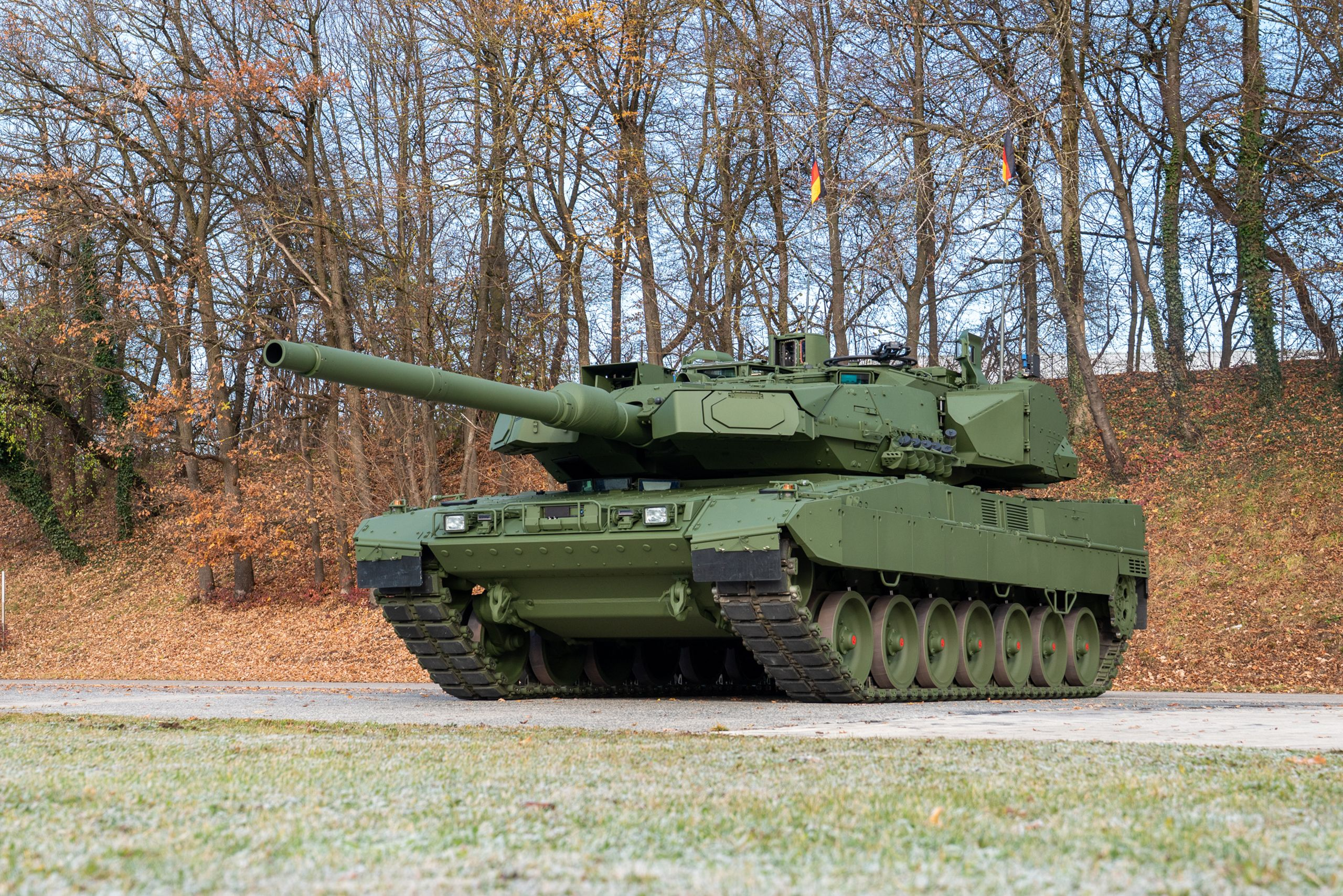
RENK and KNDS have expanded their Leopard 2 transmission agreement. The approximately €130 million order covers HSWL 354 units, associated controls and gear selectors, with deliveries expected between 2029 and 2032.
-
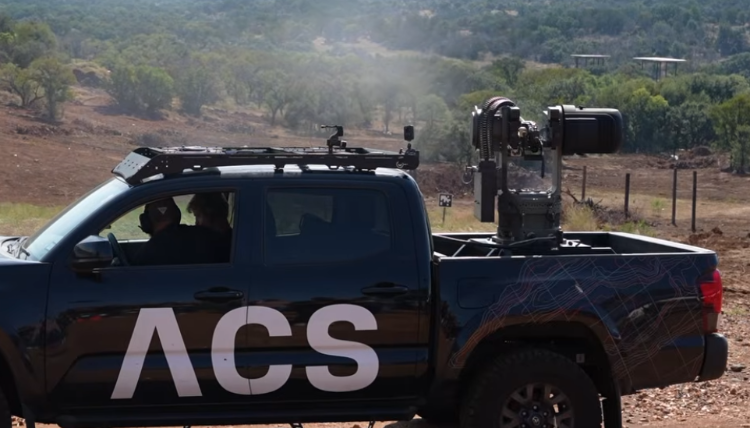
Echodyne and ACS have agreed new counter-drone systems integration work. Their collaboration combines EchoShield radar with the Bullfrog robotic weapon station, extending tracking and sensor integration capabilities for land and maritime defence applications.
-
Abram Scientific has received new DARPA funding for coagulation diagnostics. The contract, worth up to $8.3 million, will support development and manufacturing preparation for a handheld blood testing system intended for military trauma care.
-
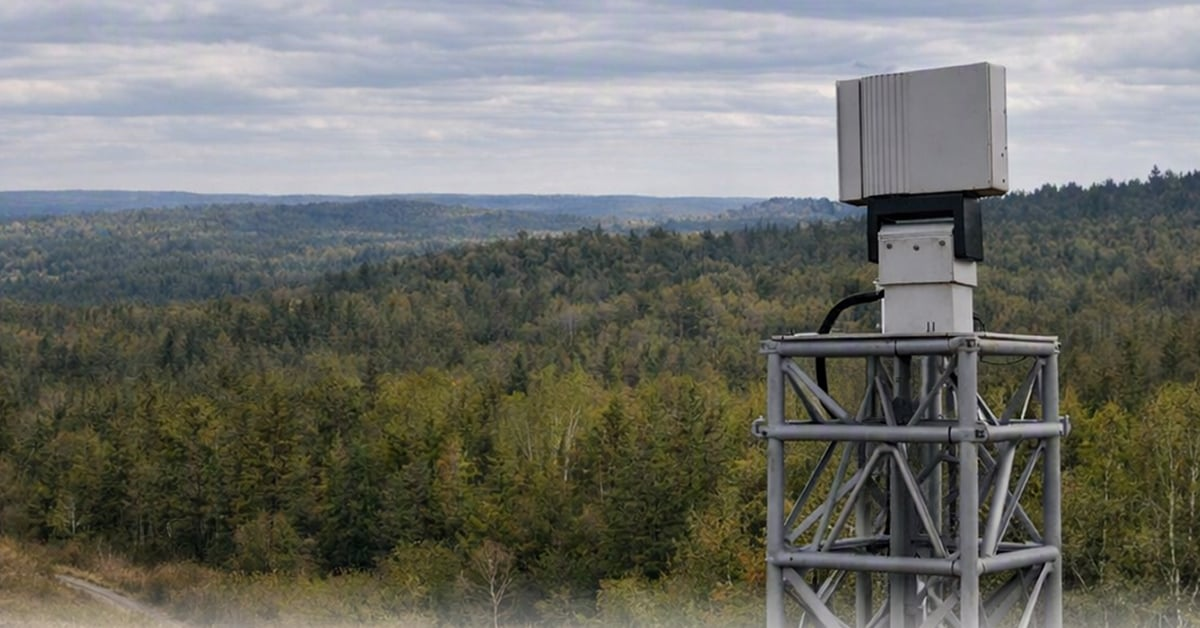
Teledyne FLIR has introduced its Ranger R10-3DX counter-drone radar system. The compact modular platform provides digital beam-forming, automated target classification and wide-area surveillance for fixed installations and mobile defence applications.