
Land
-
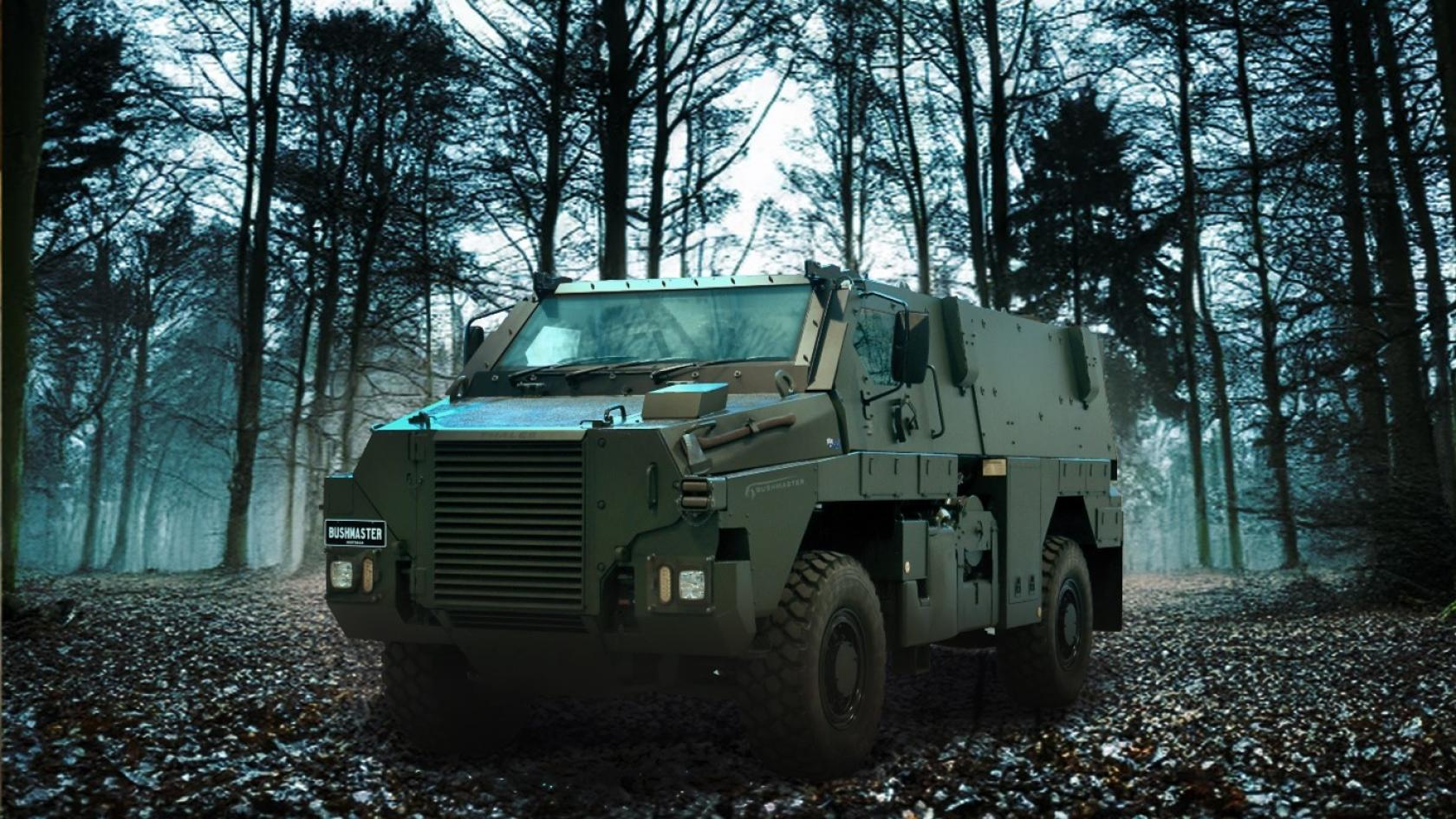
Thales and Deakin will jointly validate Australia’s autonomous BladeHAUL vehicle. Their programme covers testing of the Bushmaster-derived hybrid-electric platform developed with 3ME Technology, focusing on operational reliability and autonomous performance.
-
South Korea has tested its first domestically developed hypersonic vehicle. The flight verified booster separation, guidance and manoeuvring under hypersonic conditions, with further development required before operational deployment.
-
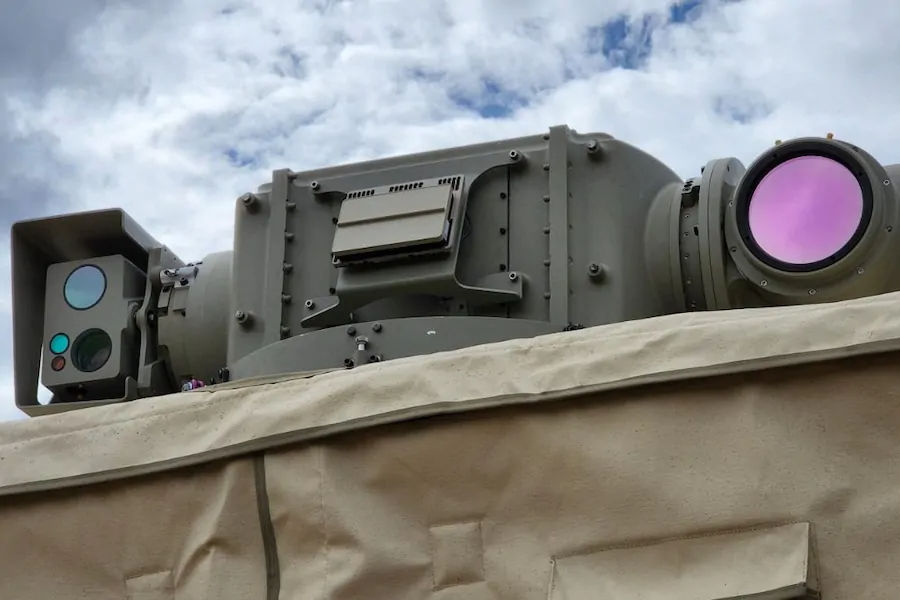
EOS will manufacture its new Slinger counter-UAS system in Alabama. Production is due to begin in 2027, with enhanced sensing and selectable autonomy added to the design.
-
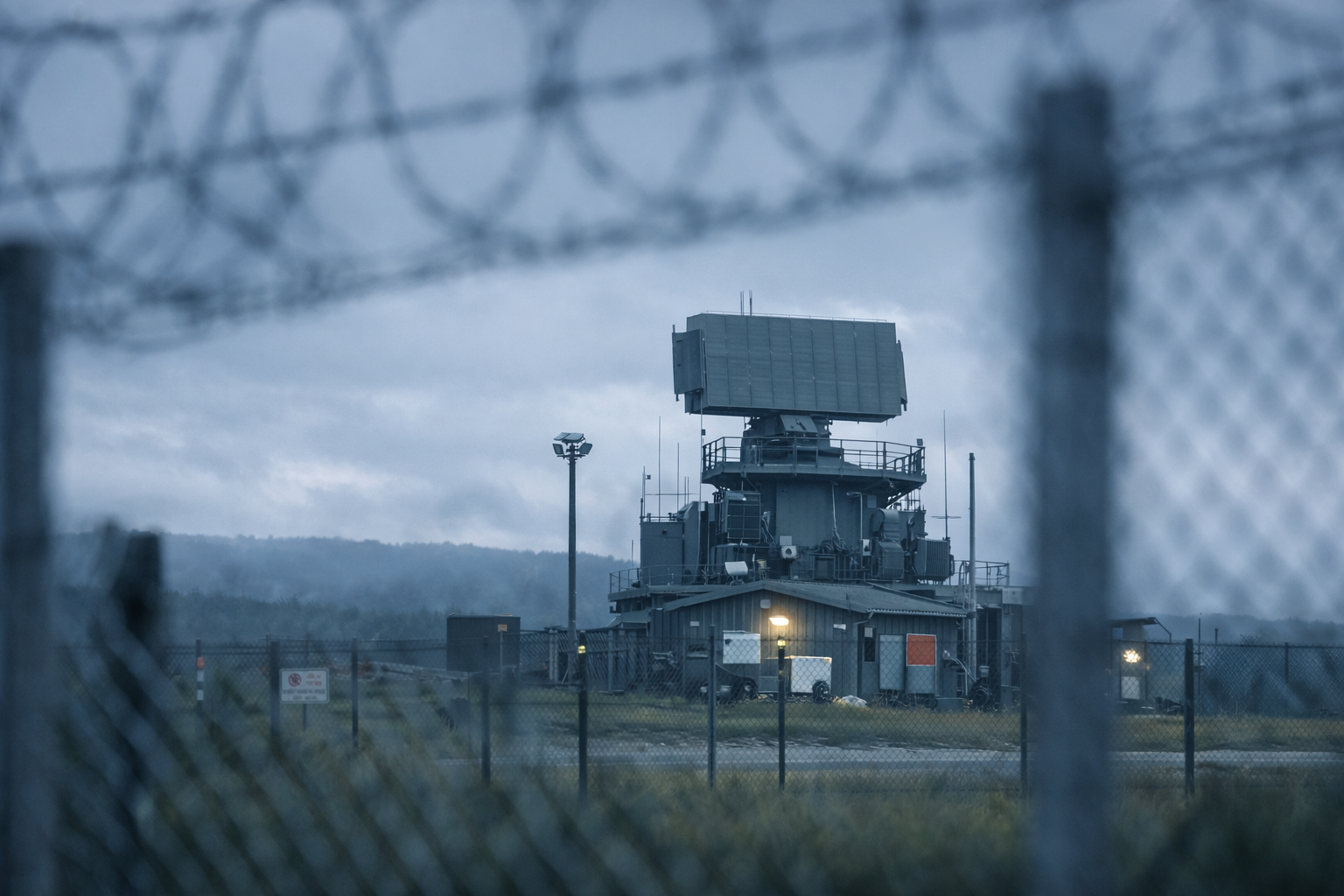
ASELSAN has secured a $195 million Turkish radar systems contract. Türkiye’s defence procurement authority is the customer, while radar type, quantity and delivery timing remain undisclosed.
-
Lithuania has received its first batch of Switchblade 600 munitions. Launch and control equipment, a training simulator and maintenance support have arrived with the expendable air vehicles.
-
NIOA and AeroVironment have formed a new Australasian munitions partnership. The agreement covers introduction into service, sustainment, customer support and possible future industrial development around the Switchblade portfolio.
-
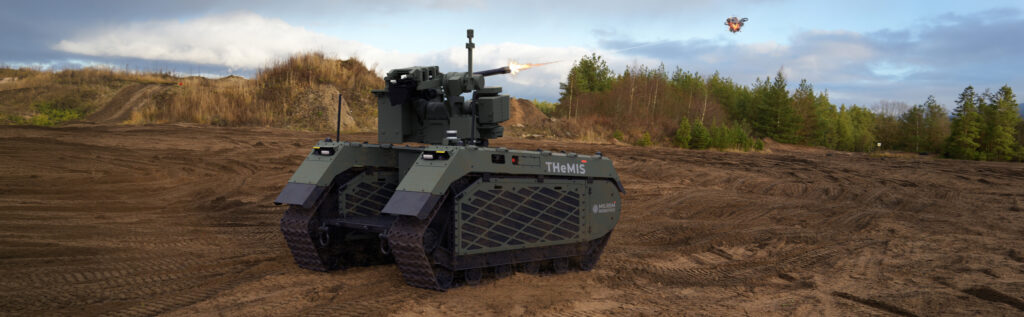
Hanwha and Milrem are expanding THeMIS cooperation across Australasia markets. The framework includes local production, sustainment, supply chain development and regional payload integration.
-
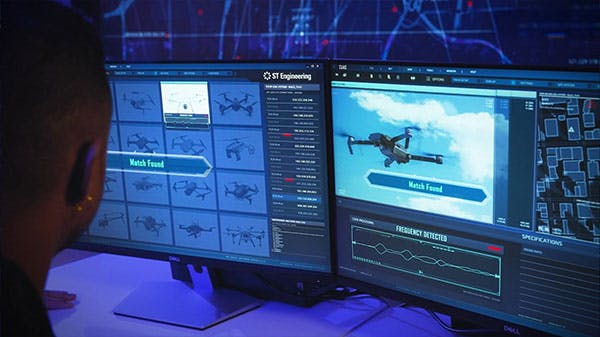
Rheinmetall and Praetorian have delivered an Australian AERIE prototype system. The containerised counter-UAS launcher carries more than 20 interceptors and moves into operator demonstrations this quarter.
-
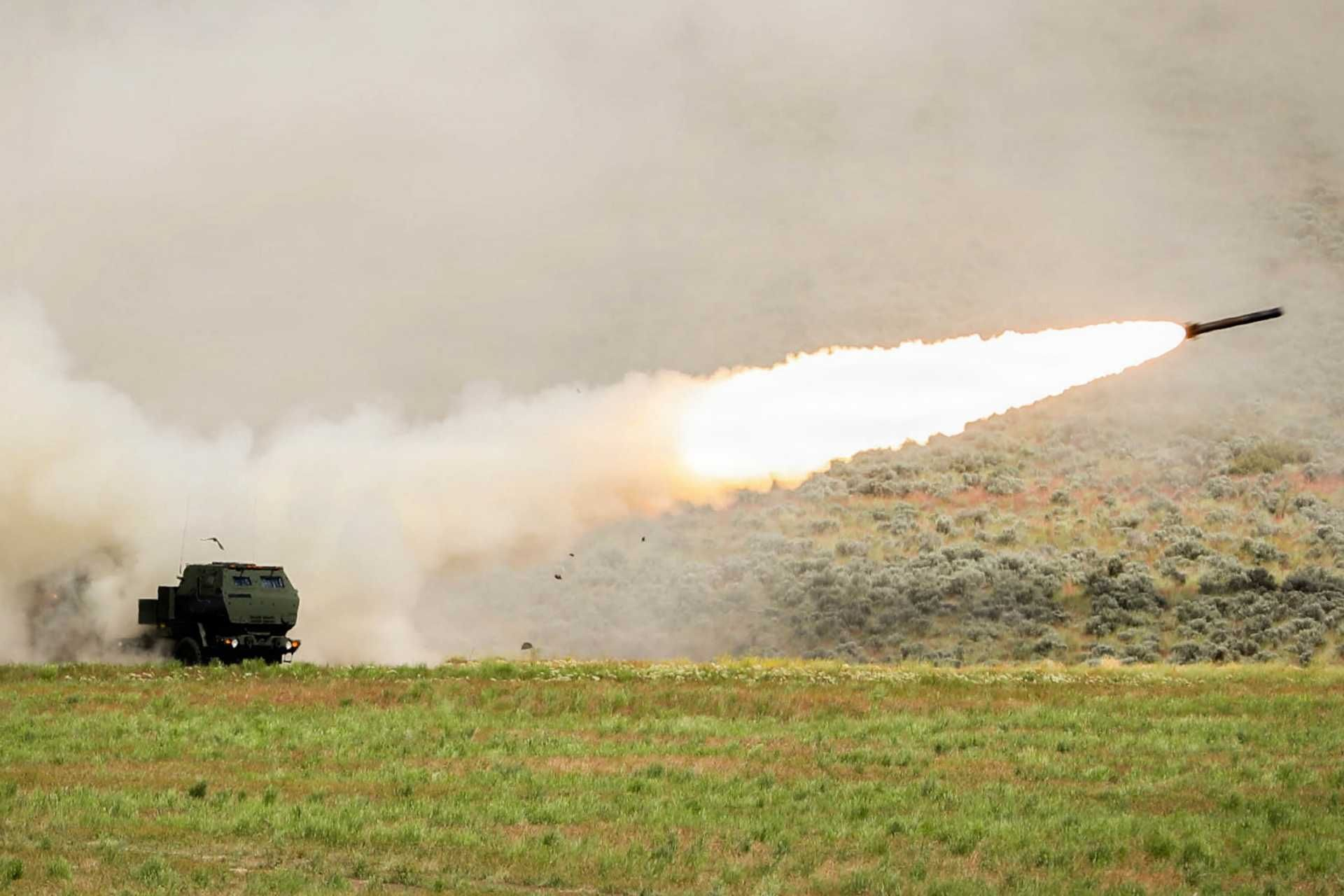
Australia has received its second HIMARS tranche two years early. The accelerated delivery accompanies domestic GMLRS production and continued expansion of the Army’s ability to strike at long range.
-
SRC has received its first Gryphon radar Domestic Shield order. The $10.24m package covers one R1440, two R1540 radars and the integration, installation and training needed to field them.