IN Brief:
- Niewiadów-PGM is building a dual-track ammunition strategy centred on 155 mm production with Northrop Grumman and 40 mm output enabled by ST Engineering know-how.
- The planned 155 mm facility is designed around three lines of up to 60,000 rounds each, giving headline capacity of 180,000 rounds a year.
- Poland’s opportunity now rests on whether licensing, certification, component supply, and plant ramp-up can be turned into dependable serial output.
Poland’s private defence industry is moving beyond declarations of intent and into a more structured ammunition build-out, with Niewiadów-PGM tightening two important foreign partnerships as the country pushes to expand domestic munition capacity. One strand centres on 155 mm artillery ammunition with Northrop Grumman. The other focuses on 40 mm ammunition, where ST Engineering has provided a licensing and know-how pathway intended to support production in Niewiadów for the Polish market and wider European demand.
Taken together, the arrangements give a clearer picture of what Poland is trying to build. This is not just a single-shell programme or a short-lived wartime response. It is an attempt to create a broader ammunition manufacturing base able to cover both high-volume artillery demand and the medium-calibre segment used across infantry support, vehicle weapon stations, and automatic grenade launcher fleets. For a country that has become one of Europe’s fastest-moving defence markets, that is a logical progression.
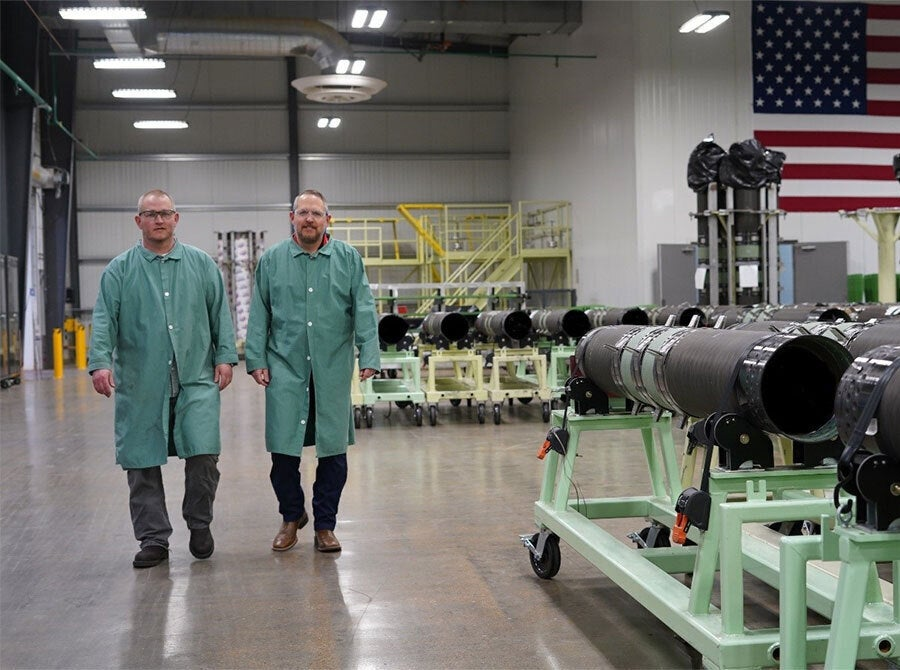
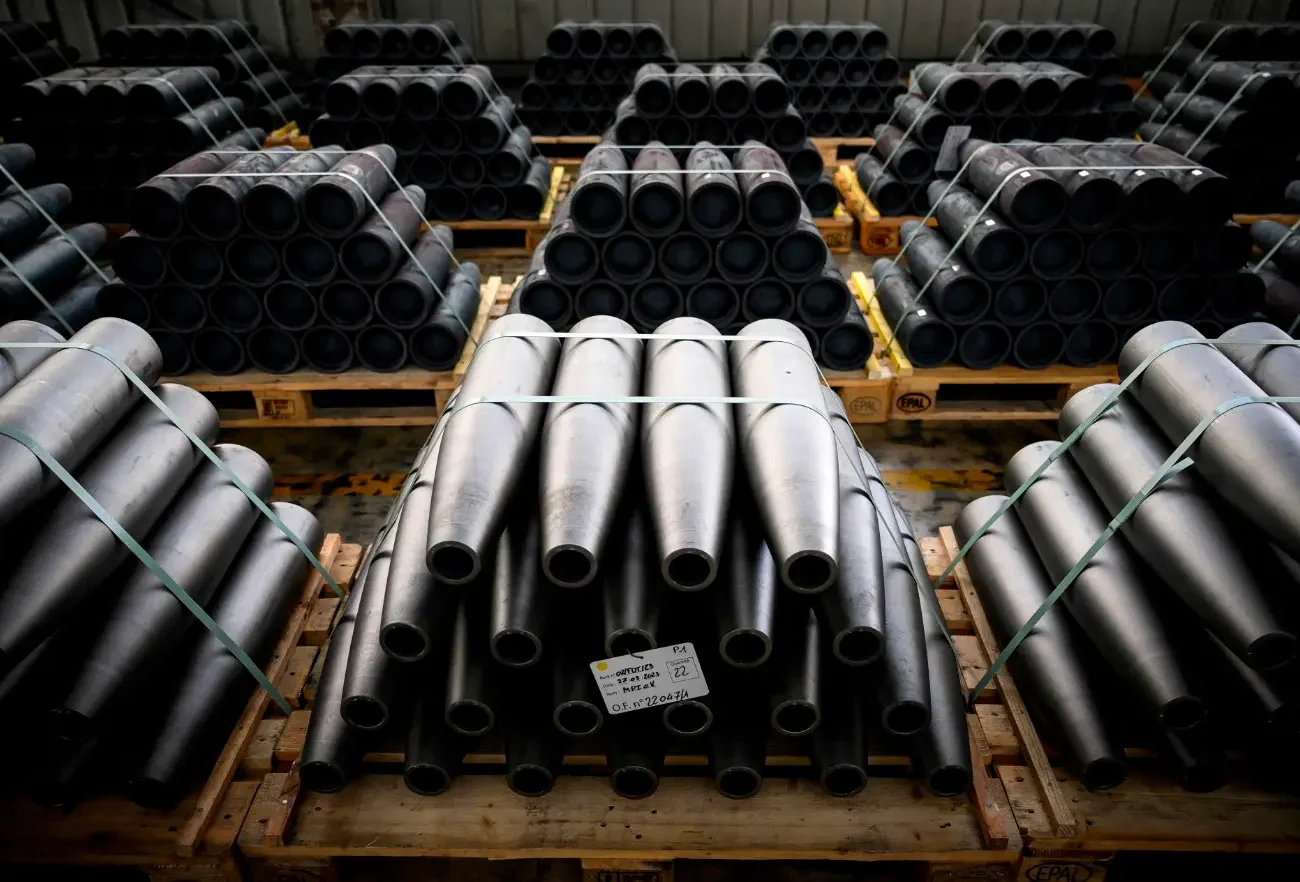
The 155 mm side of the effort is the larger strategic play. Niewiadów-PGM has set out plans for a modern plant built around three production lines, each rated at up to 60,000 rounds annually, pointing to a headline capacity of 180,000 rounds a year if the factory reaches full tempo. That is significant in a European market still wrestling with shortages of shells, explosives, propellant inputs, qualified metal components, and trained labour.
Building an ammunition stack rather than a single line
The industrial value of the Polish programme lies in how the pieces fit together. A 155 mm line requires much more than final assembly space. It needs metallurgy, shell-body production, machining, filling, quality assurance, ballistic compliance, packaging, and a dependable route through qualification. Northrop’s role brings process maturity and shell design experience, while Niewiadów contributes local production footprint, labour, and market access.
The 40 mm side has a different industrial profile, but it is no less relevant. Licensing agreements are often where medium-calibre expansion becomes credible, because they transfer the technical data package and process control needed to move from ambition to repeatable output. That matters in a segment where volumes can be high, variants are numerous, and customers want assured local or regional supply rather than distant imports.
Scaling output will be harder than announcing it
Ammunition production remains one of the least glamorous and most difficult areas of defence manufacturing to scale quickly. Shell bodies, fuzes, explosive filling, energetic materials, and test certification all place pressure on different parts of the supply chain, and any weak point can slow the whole line. Machinery can be bought faster than specialist staff can be trained, and capacity figures on paper only become meaningful once acceptance rounds are qualified and contracts begin to flow.
Even so, Poland is now assembling the elements of a serious munitions manufacturing proposition. If the Niewiadów build-out reaches sustained output, it will not simply add national stock. It will strengthen Europe’s ability to source artillery and medium-calibre ammunition from within the region, with all the industrial leverage that implies.