
News
-
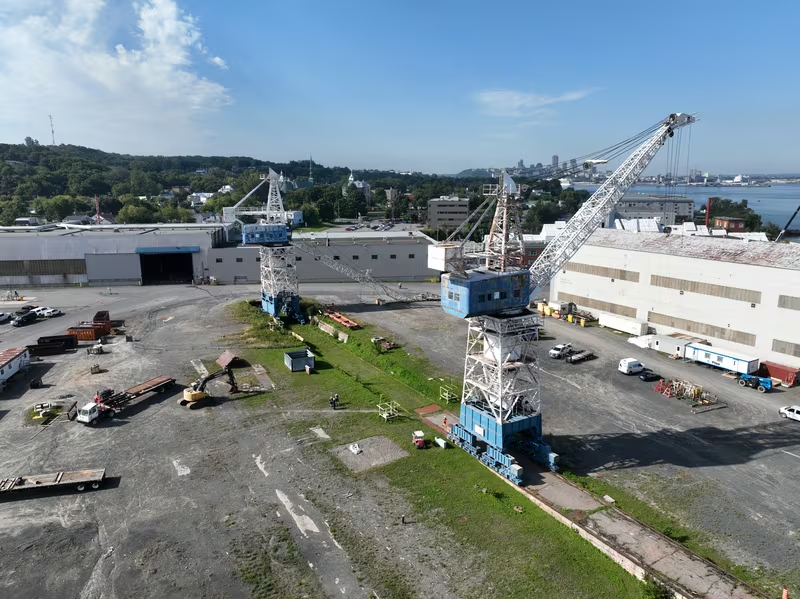
Davie has appointed EBC to expand shipbuilding infrastructure in Québec. The estimated C$500 million-plus construction phase includes fabrication and assembly buildings, an outfitting facility and a launch platform at the operating Lévis shipyard.
-

General Dynamics has detailed submarine missile fire control engineering work. Its $194 million modification was awarded in September and disclosed in October, with technical development continuing through 2028 and additional US engineering jobs planned.
-
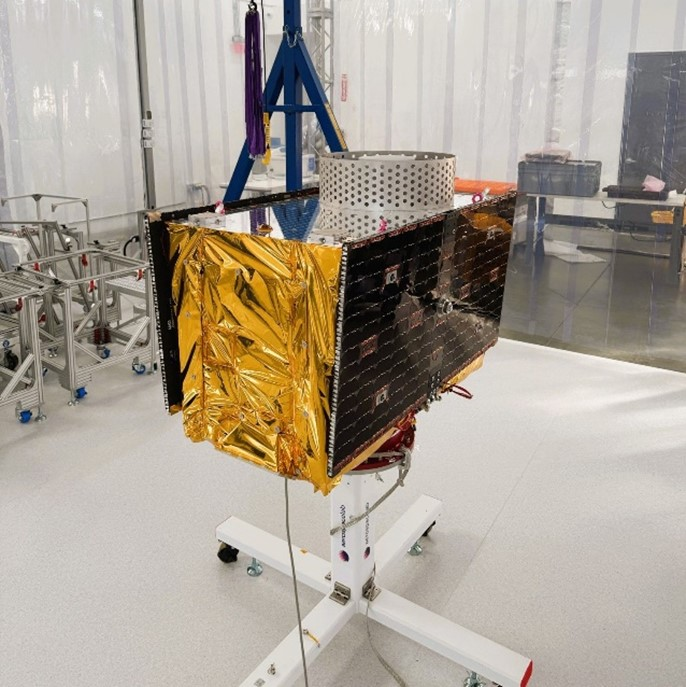
Canada has backed Xona satellite navigation manufacturing expansion in Montréal. The C$15 million federal contribution supports a C$64.8 million project for spacecraft development, testing and mission operations, with approximately 126 skilled jobs expected.
-
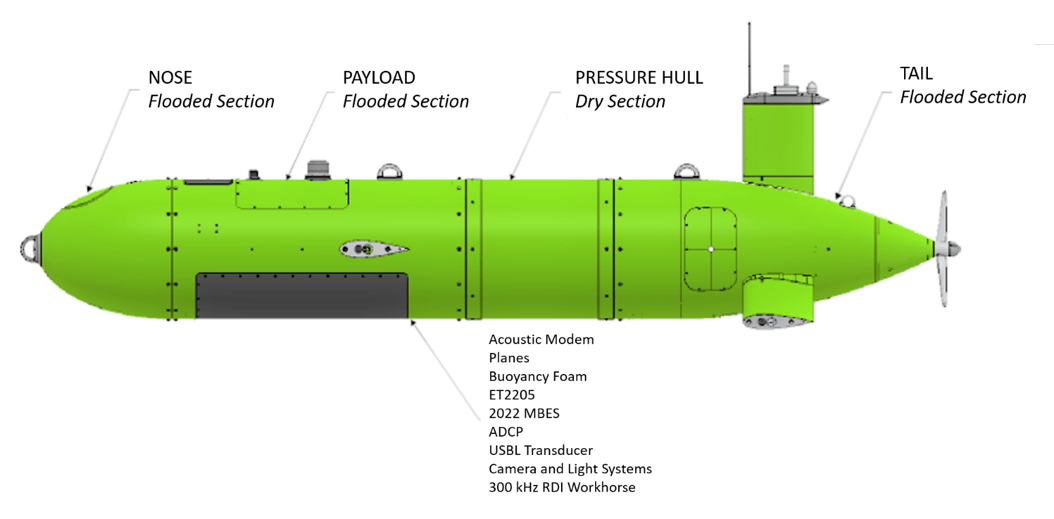
Elbit Systems has acquired the Canadian underwater robotics specialist ISE. International Submarine Engineering brings autonomous underwater vehicles, remotely operated systems and control expertise to Elbit’s naval portfolio, with future integrated products still to be announced.
-
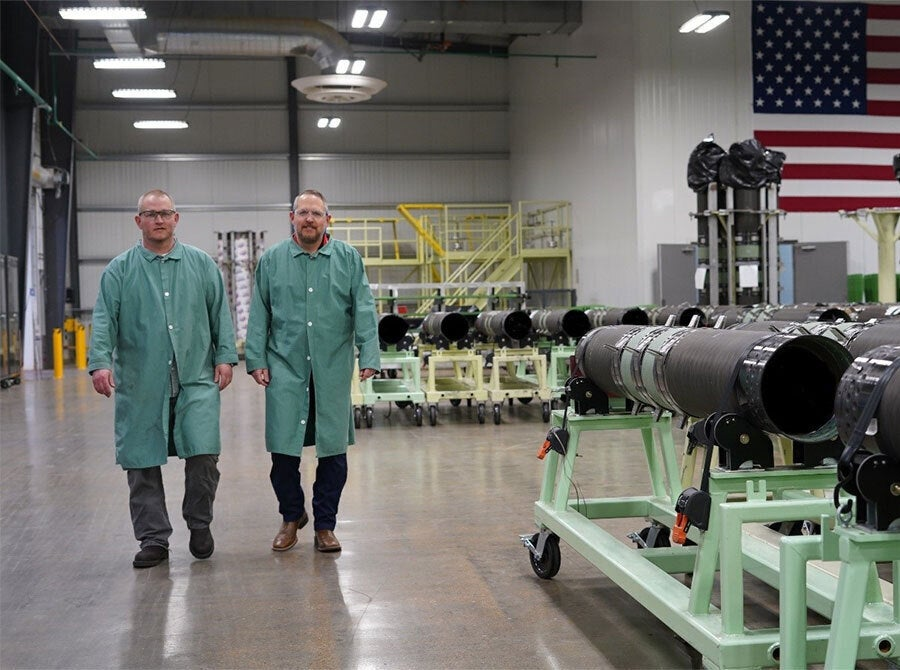
L3Harris has opened a solid rocket motor factory in Arkansas. The Camden facility is designed to double capacity for GMLRS propulsion, with production ramp-up and further government-supported investments still ahead.
-

Canada has awarded Kepler funding to develop satellite laser links. The two-year C$4.7 million project will examine direct spacecraft communications for more resilient data transfer, particularly across the Arctic and other remote regions.
-

Canada has secured priority launch pad access with Canadian NordSpace. The ten-year C$20 million agreement covers facilities in Newfoundland and Labrador, while individual missions and orbital launch capability remain separate future milestones.
-

BAE Systems has purchased a new Colorado manufacturing facility outright. The 130,000sq ft Weld County building will be retrofitted for space hardware and sensor production, with an early 2028 start and workforce expansion planned.
-
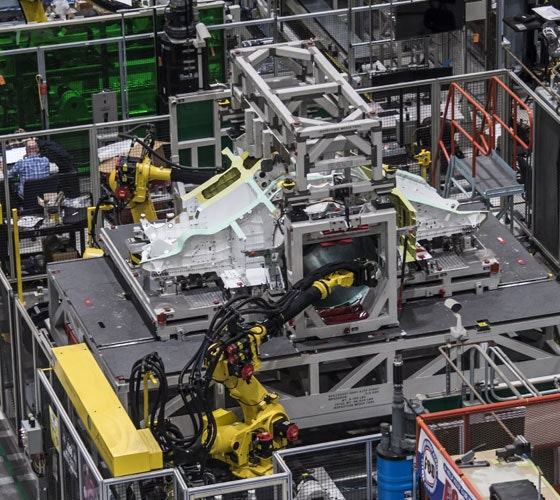
Lockheed Martin and the Pentagon have announced an F-35 framework. It covers 850 US aircraft over ten years and international orders, but formal purchases depend on congressional authority, appropriations and negotiated terms.
-
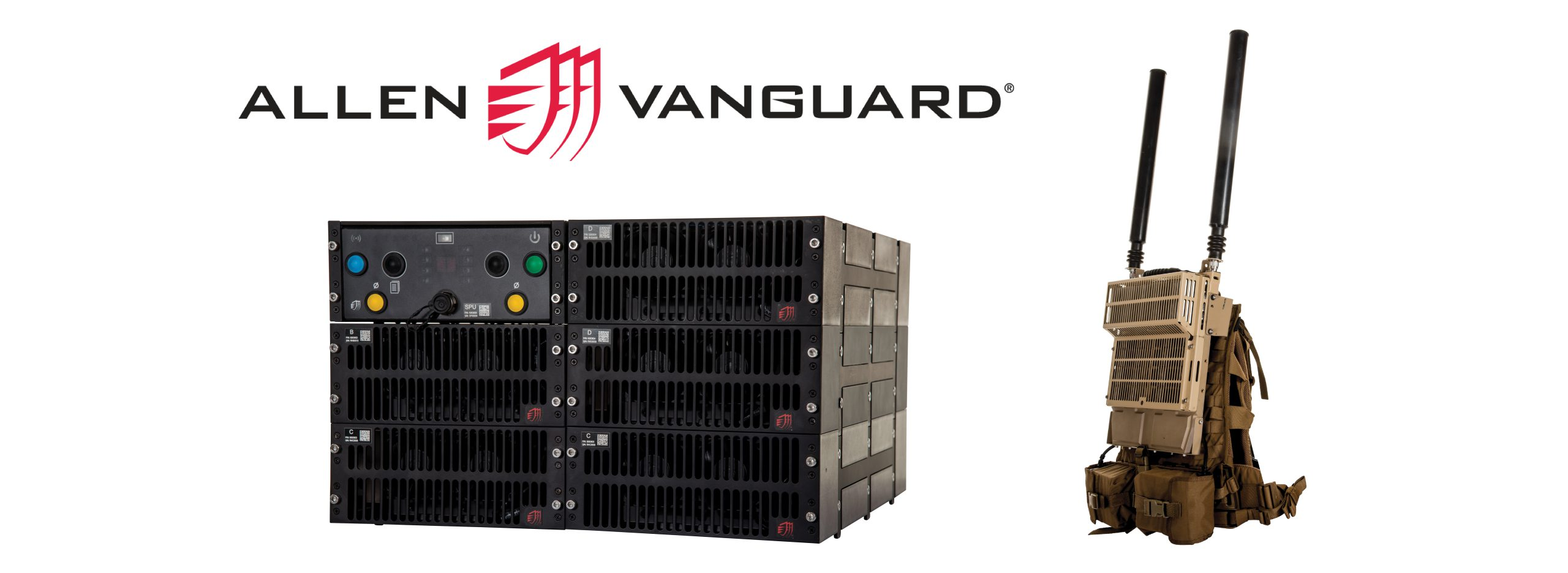
Allen-Vanguard has announced new ownership following complex cross-border restructuring proceedings. Operating Partners Group now controls the electronic warfare specialist, while separate Canadian receivership and British administration arrangements govern the earlier sale of business assets and liabilities.