
News
-

Britain’s nuclear partnership has completed six years of joint engineering. The UK Alpha Resilience and Capability programme delivered glovebox design standards, a specialist training facility and knowledge-sharing arrangements involving civil and defence organisations.
-
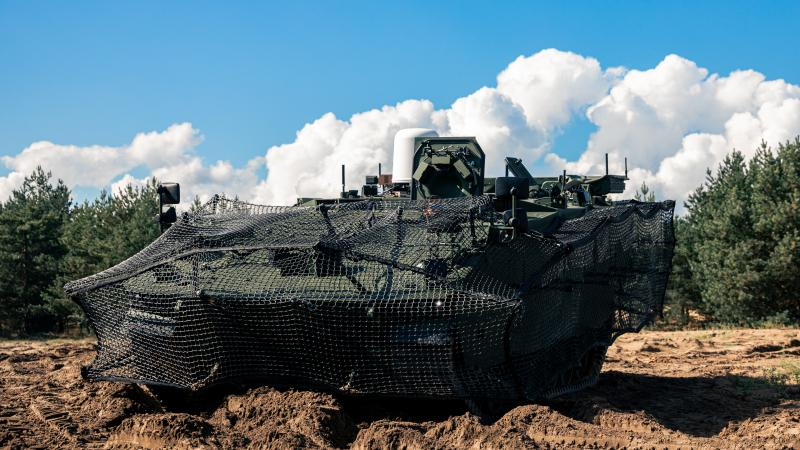
NATO partners are testing connected defence systems across Latvian bases. DiBaX 2026 combines communications infrastructure, counter-drone equipment and targeting trials, bringing together nearly 100 suppliers from more than 20 countries.
-

European partners have demonstrated interoperable unmanned ground systems in trials. Leonardo coordinated three simulated scenarios testing shared software and control interfaces across robotic platforms, with human operators retaining supervisory authority.
-

Terma and Kongsberg have launched new military aircraft maintenance services. Their Danish-Norwegian joint venture, Defence Aviation Services, is developing maintenance, repair and overhaul capacity in Denmark to support Nordic and allied aircraft fleets and strengthen regional sustainment capability.
-

Seven bidders have advanced in Britain’s military vehicle replacement competition. Defence procurement authorities have opened the tender and evaluation phase, with 21 vehicles expected for trials and an initial requirement for approximately 3,000 replacements for ageing Army fleets.
-
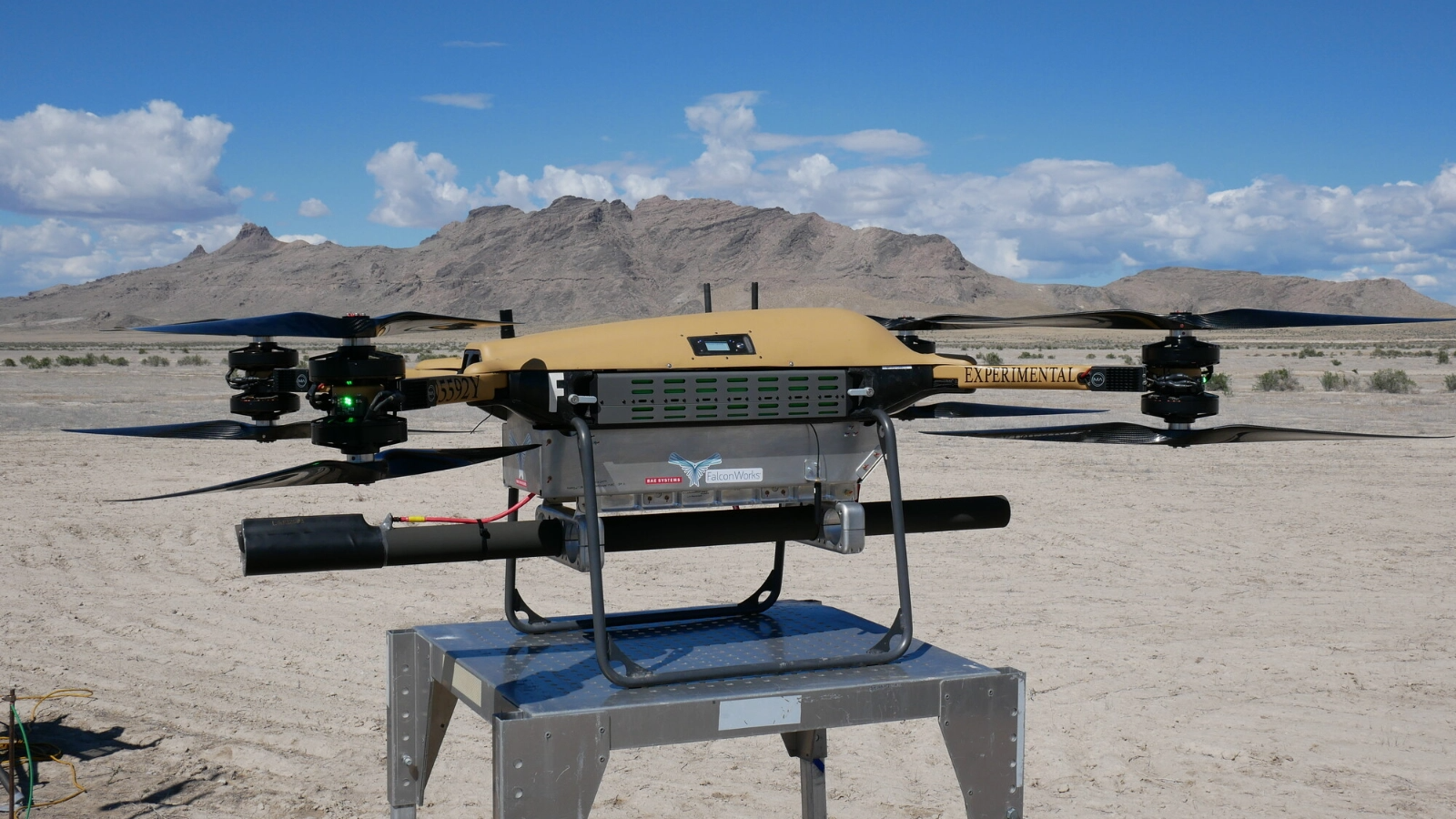
Malloy’s adapted aircraft intercepted multiple drones using laser-guided precision rockets. The modified TRV-150 carried a three-pod APKWS launcher during September trials at Eglin Air Force Base, engaging successive airborne targets without landing or reloading.
-
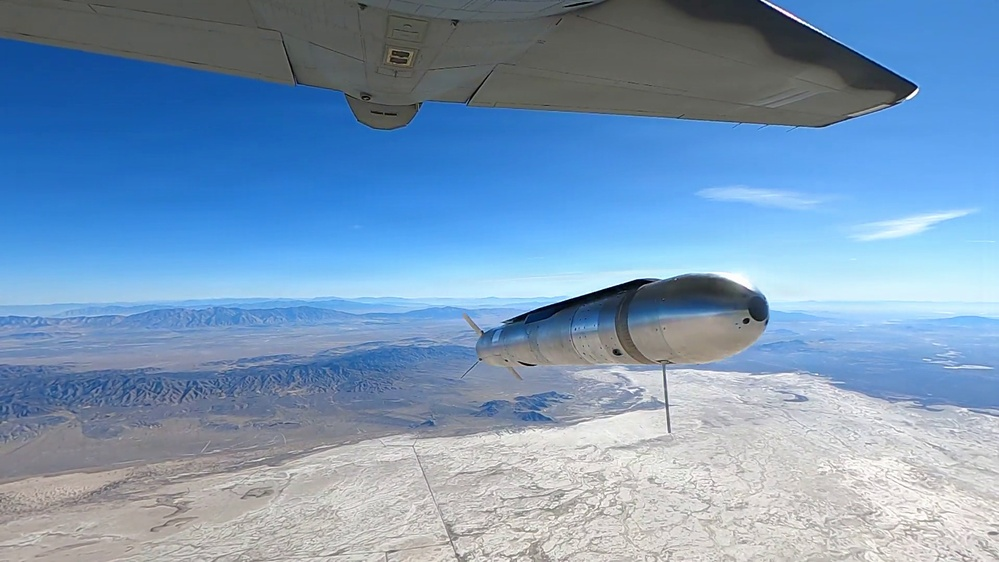
Exail will equip an unnamed navy’s entire uncrewed surface fleet. The order, worth tens of millions of euros, covers Marins inertial navigation systems designed to maintain position, heading and movement information when satellite navigation signals become unreliable.
-

Sweden has selected British systems to protect military satellite navigation. Raytheon UK will supply Landshield and Landshield Plus anti-jamming equipment, using adaptive antenna processing to protect GPS receivers against interference on military platforms.
-
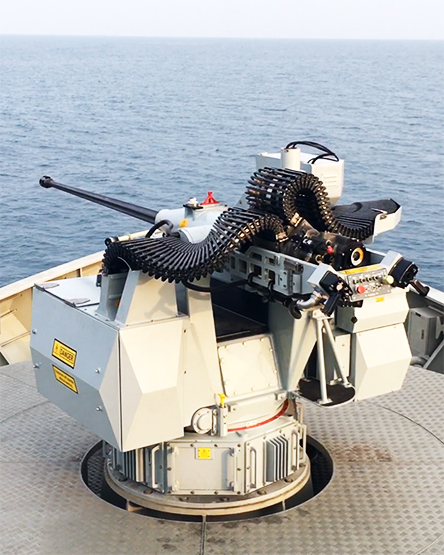
MS International’s defence subsidiary has won a German frigate contract. MSI-Defence Systems will supply twelve DS30M 30mm naval gun systems worth £29.7 million for four F128 frigates, with TKMS responsible for the shipbuilding programme.
-
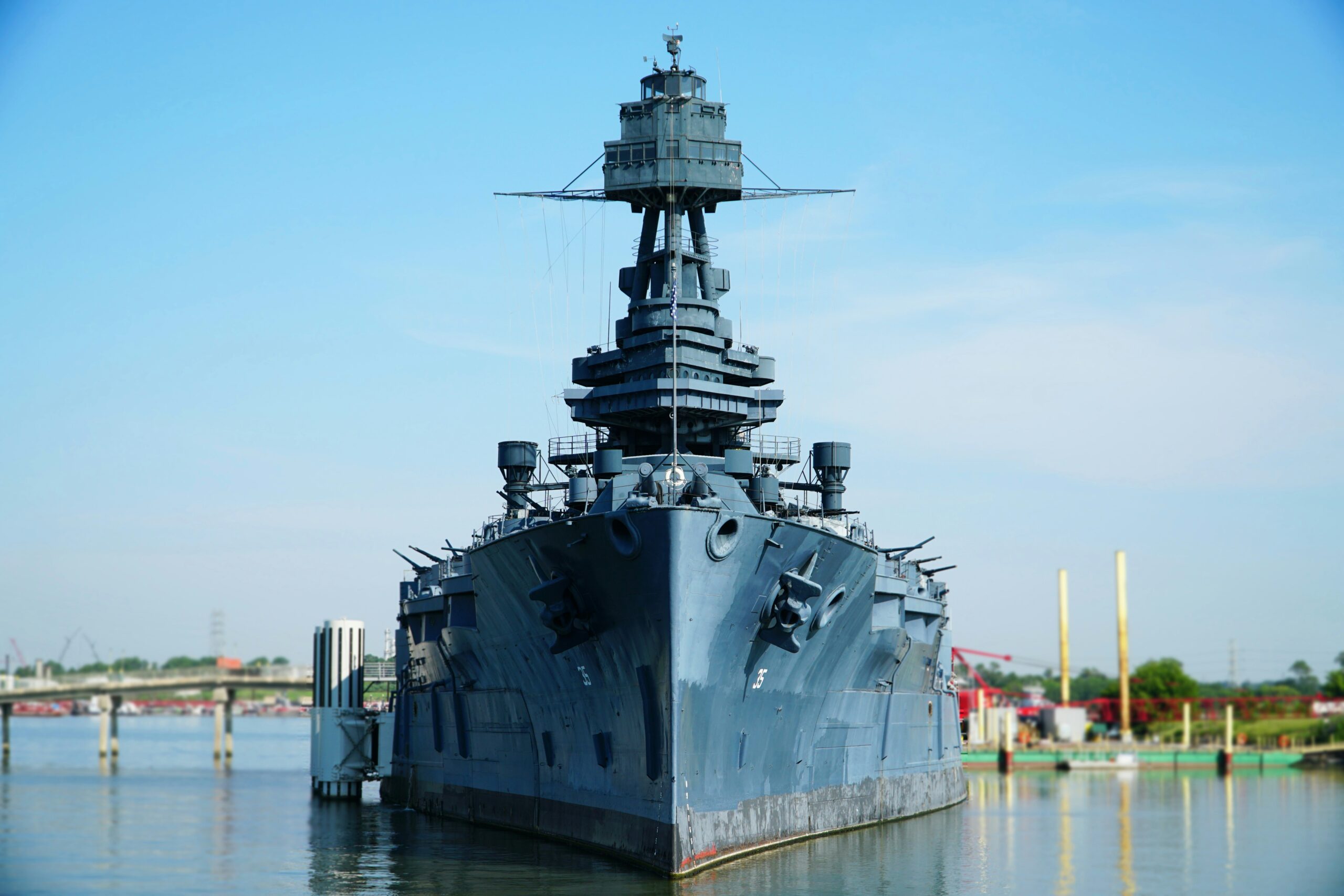
Sweden has ordered replacement naval guns with delivery in 2028. Four Bofors 57Mk3 weapons, 3P ammunition and training services will support the replacement of existing systems aboard unspecified Swedish Navy ships.