
News
-

Virtualitics has renewed Marine Corps aviation readiness software support arrangements. Six MV-22 squadrons are included initially, with a seventh expected after deployment and additional Iris capabilities planned.
-

Everfox has confirmed a five-year Army cybersecurity procurement contract vehicle. Its $90 million ceiling covers software, hardware and engineering support, with individual orders determining actual funding and delivery.
-
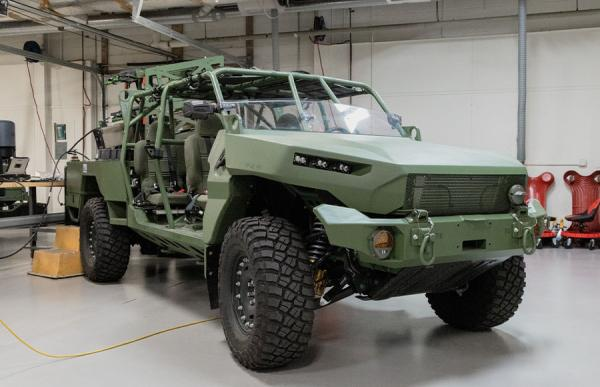
Lockheed Martin has completed Spike NLOS firings from an ISV-U. A three-day demonstration included 17 precision engagements and will inform further US Army validation before the planned next production phase.
-

Global Ordnance and Sparkz have agreed US drone battery production. Their supply agreement initially targets 210,000 packs, with availability planned for early 2027 and full manufacturing capacity targeted for the second quarter.
-

Gecko Robotics can pursue substantially more US Navy inspection work. The ceiling on its existing contract has risen to $300 million, allowing further orders for robotic ship surveys without guaranteeing that expenditure.
-

Fairbanks Morse is expanding specialised naval propeller manufacturing in Mississippi. The $60 million Pascagoula project adds precision machining capacity, with new facilities scheduled to enter service in early 2028.
-
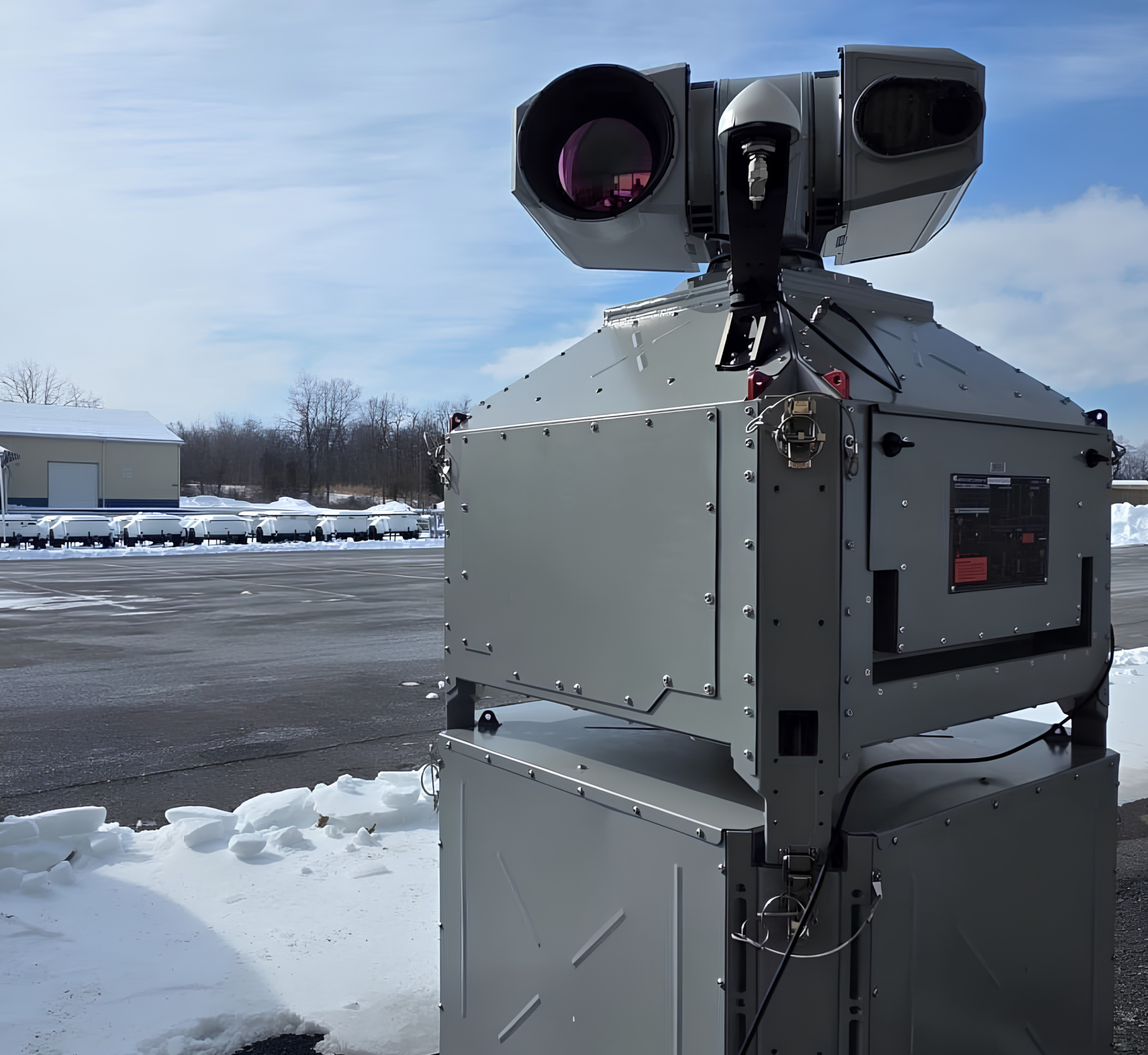
OpenWorks has supplied counter-drone tracking capability to US homeland security. Vision Pace combines stabilised optical tracking, AI-supported classification and sensor integration under an existing federal research and development contract; the order value and system quantities remain undisclosed.
-

APT28 compromised European defence organisations using malware and network access. Symantec documents intrusions affecting a naval shipbuilder and military aero-engine manufacturer, including persistent network access; the victims remain unnamed and the function of a recovered loader’s missing payload is unknown.
-

Zorronet has received an initial order for thermal sensing equipment. Two integrated edge AI systems are being supplied for field evaluation; a possible order for up to 1,000 more units remains conditional on successful testing.
-

Saab has unveiled Australian software for military space mission management. Allied Mission System combines data from multiple space surveillance sources with automated analysis and operational coordination, but no launch customer or contracted deployment has been disclosed.