
News
-

Sweco secures Swedish frameworks for high-security public-sector engineering and construction. Specialfastigheter estimates their combined order value at SEK 500 million, but guarantees no work; the projects concern civil policing and justice facilities, not military procurement.
-
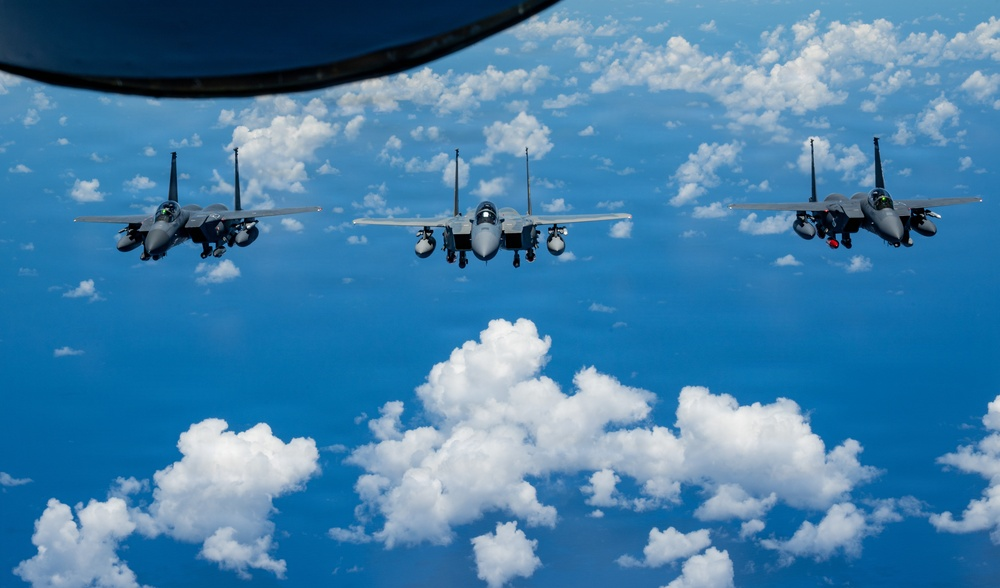
Three suppliers join US Air Force contracted aviation training arrangements. KestrelX, A2G International and Fleet Adversary Support and Training hold IDIQ positions against a reported $5.4 billion ceiling, with $3,000 initially obligated.
-
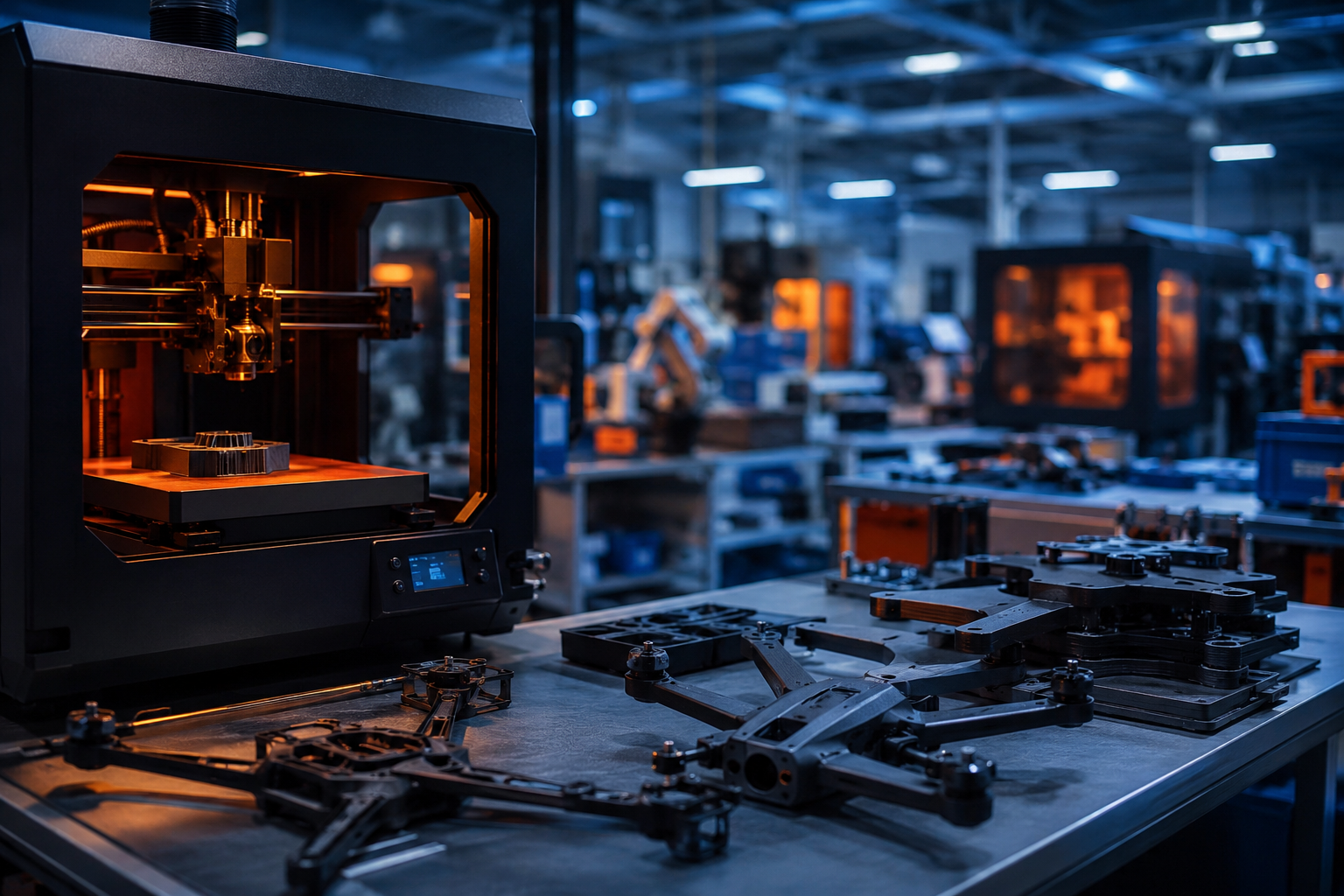
Continuous Composites plans a new engineering facility near Seattle, Washington. The 5,600-square-foot Kent location will develop CF3D composite technology; no opening date or new defence production order has been disclosed.
-
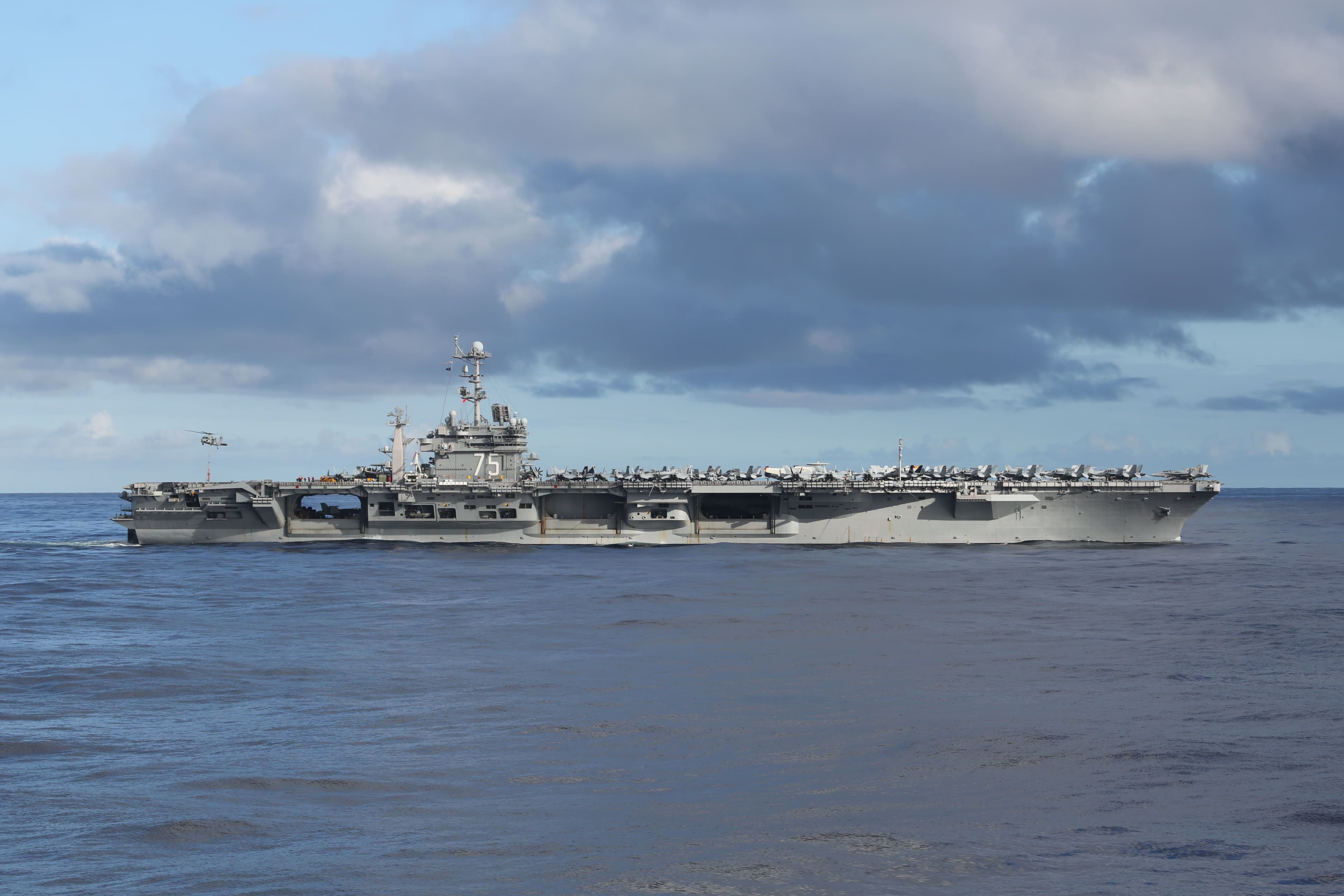
HII will provide engineering support during a US carrier overhaul. The $16.19 million order covers elevators, handling equipment and technical training aboard Harry S. Truman, separately from the shipyard’s main refuelling contract.
-
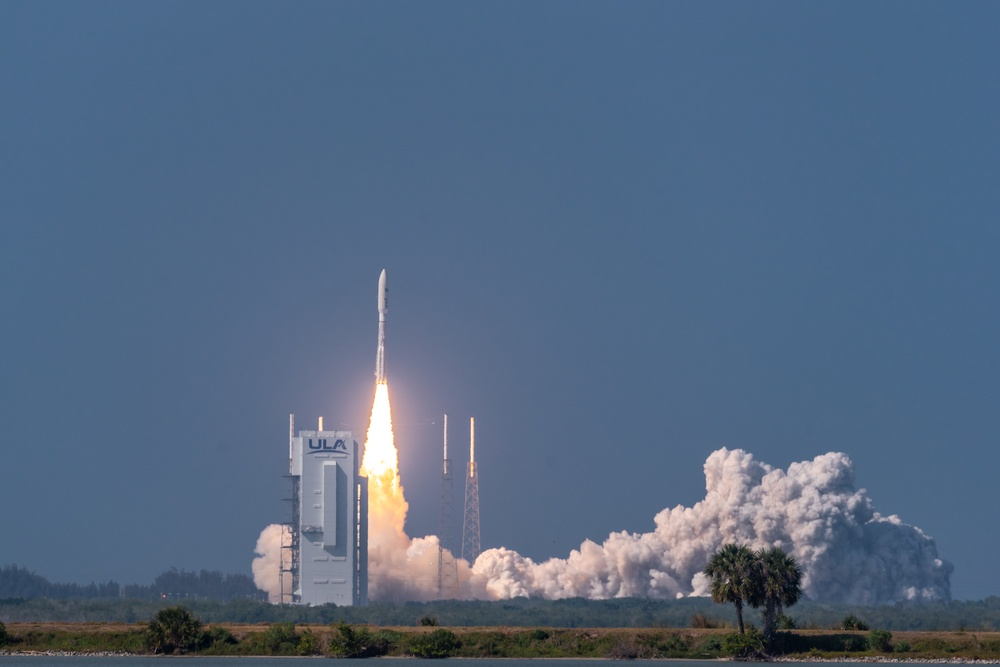
Tech7 will build an unclassified testbed for defence satellite applications. The SpaceWERX-backed SBIR award supports software evaluation for proliferated low-Earth-orbit systems, with any classified deployment or Phase III transition still prospective.
-
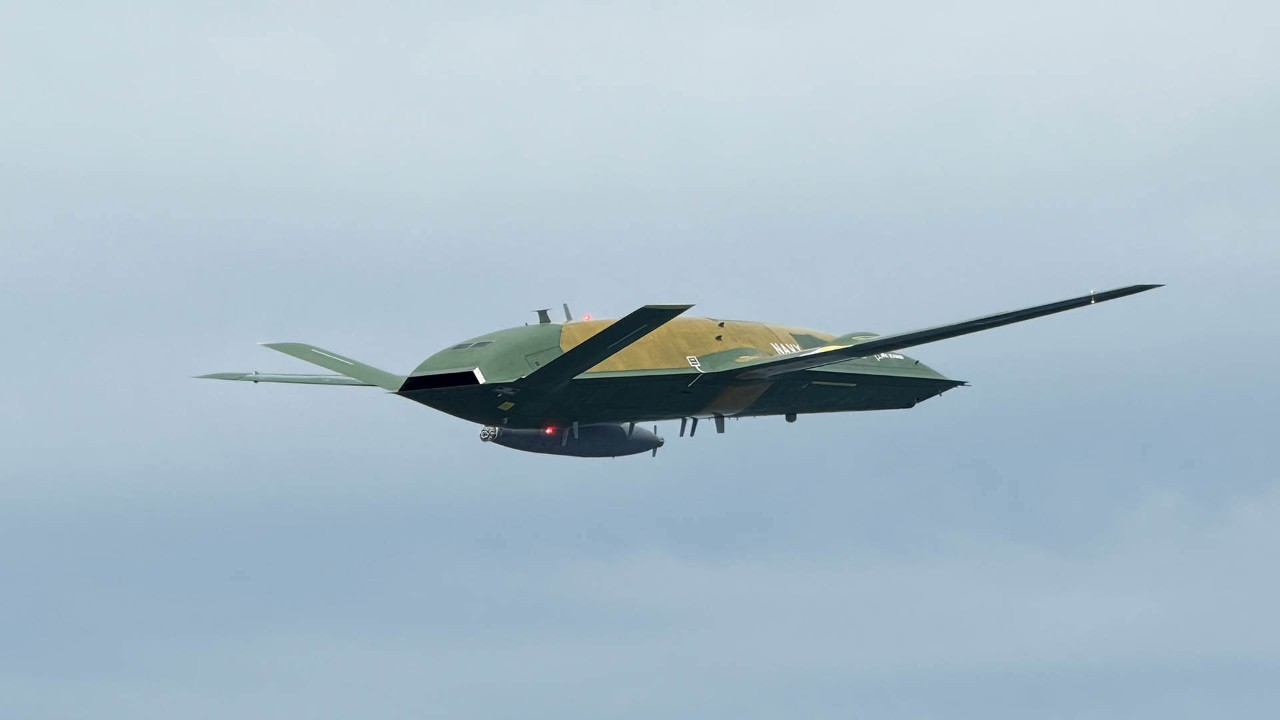
Boeing has received an engineering contract ceiling for MQ-25 development. The Navy’s $80 million arrangement covers configuration work, integration and sustainment; no funds were obligated when the contract was awarded.
-
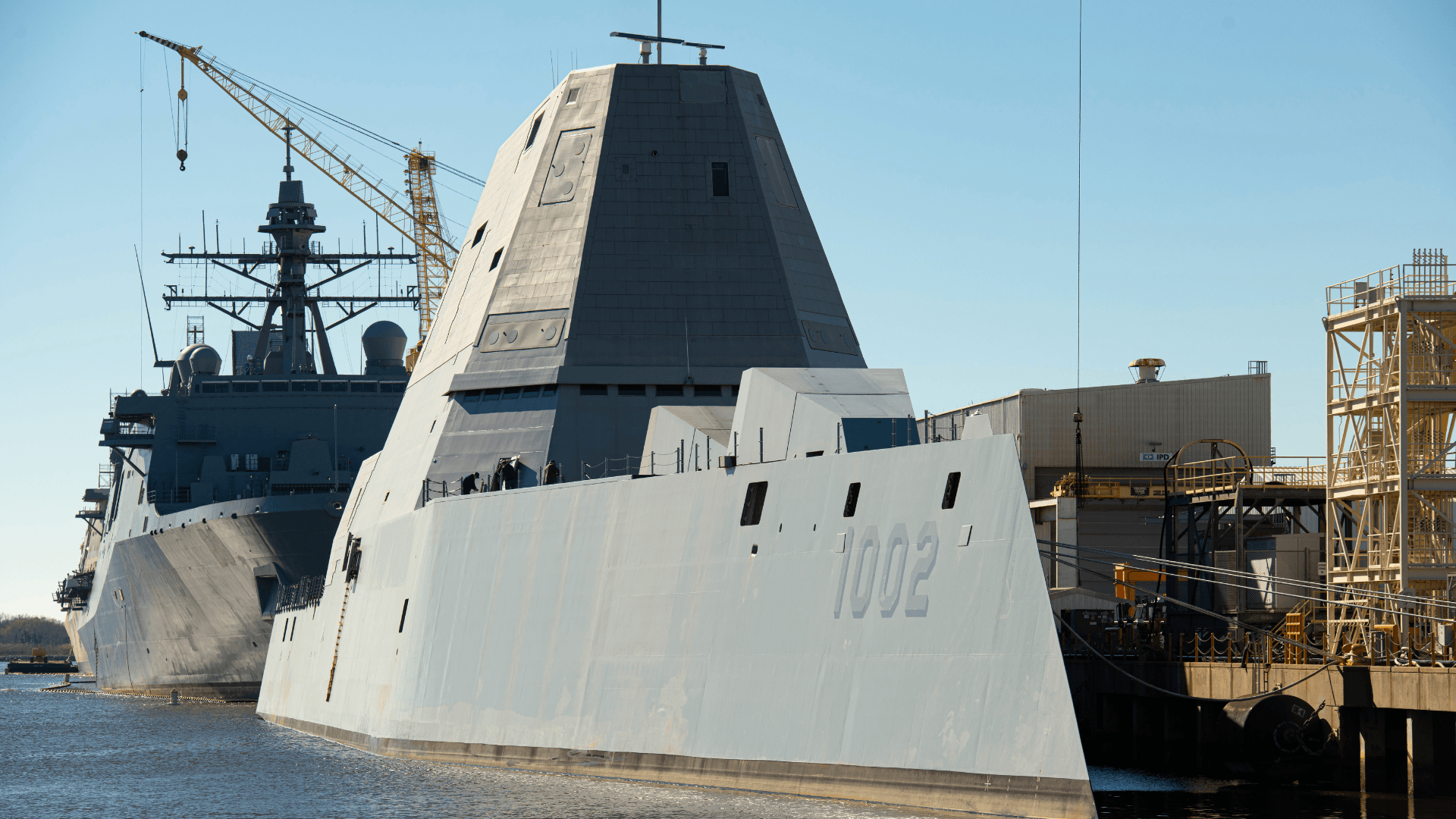
HII will undertake further trials of a Zumwalt-class Navy destroyer. A $99 million modification funds work on Lyndon B. Johnson while combat-system activation and missile-system modernisation continue at Ingalls Shipbuilding.
-
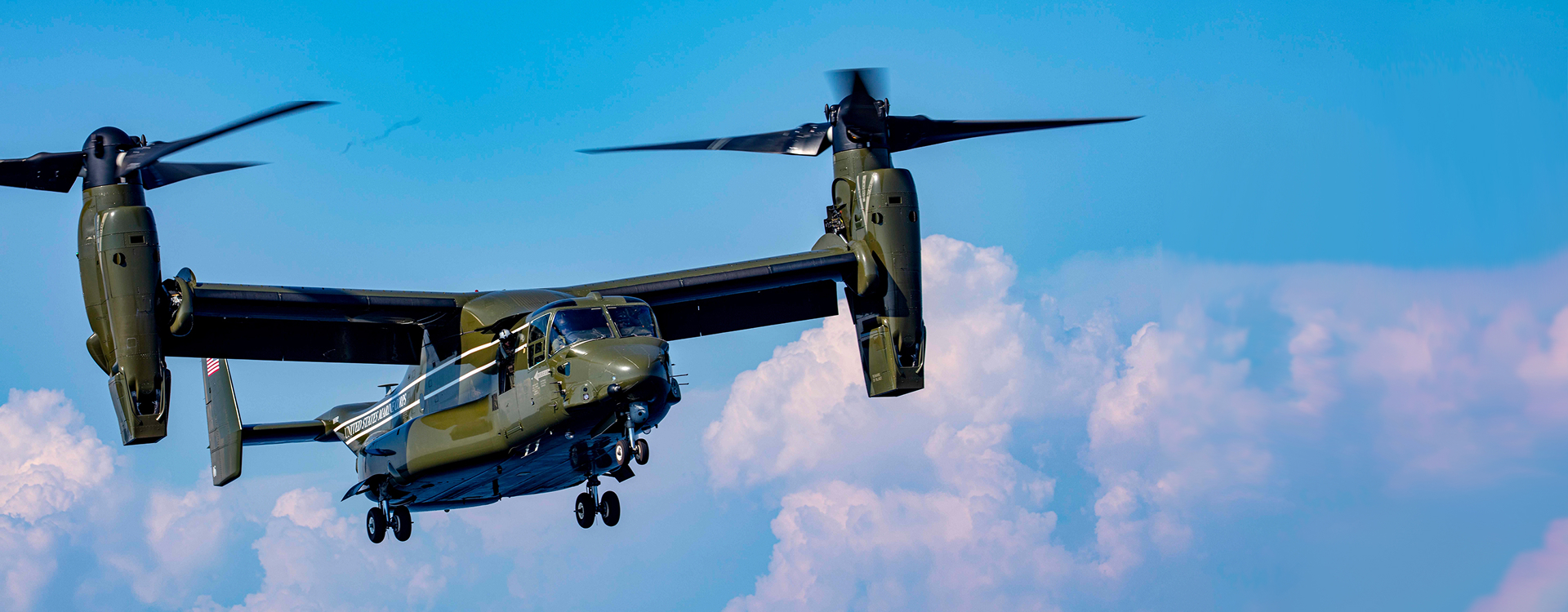
Bell Boeing has received funding for a V-22 controls redesign. The $90.83 million order develops replacement flight computers, cockpit interfaces and supporting software, with completion expected in October 2030.
-

Tessera has announced open-source intelligence integration for physical security systems. The capability connects public information with site sensors and control procedures, but military deployment and independently validated performance have not been established.
-
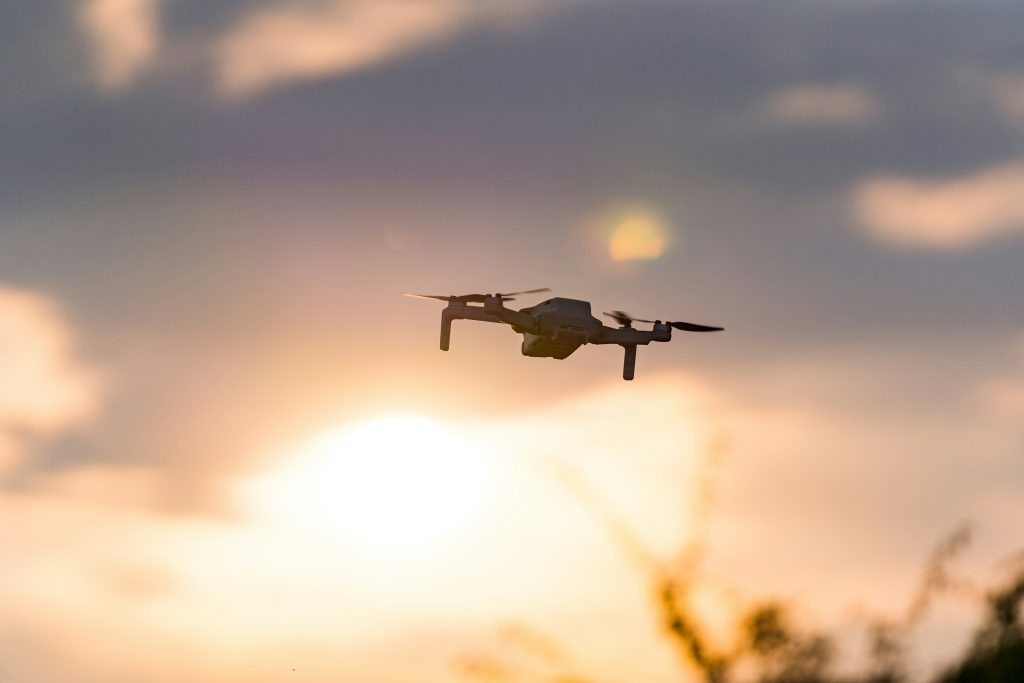
High Lander has reported $30 million in cumulative investment funding. New capital will support US expansion and development of drone management and airspace security software; specific defence deployments remain unconfirmed.