
News
-
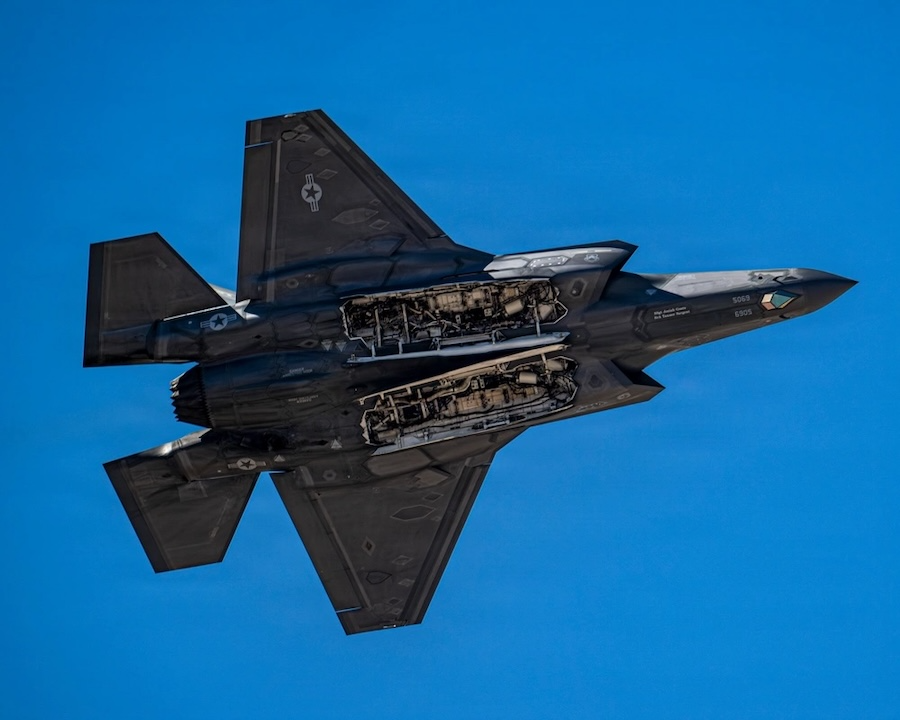
Lockheed Martin has received additional funding for customised F-35 integration. A Pentagon notice confirms $18,789,801 in development, demonstration and integration work for an unidentified foreign customer, distinct from its processor-support modification.
-
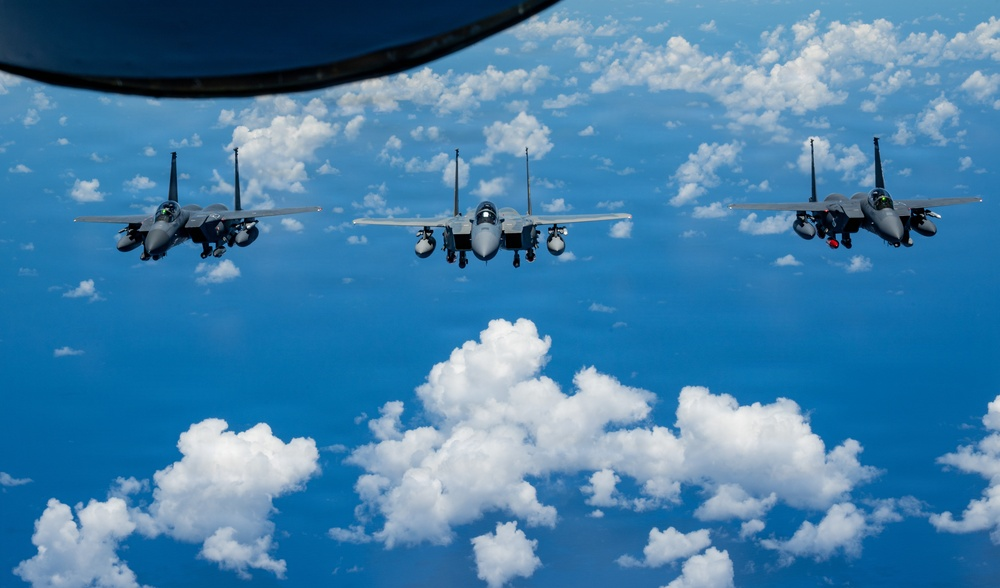
Lockheed Martin delivered the first C-130J-30 for Phoenix II conversion. Northrop Grumman still must integrate the mission equipment and qualify the aircraft; its earlier $3.5 billion development contract is separate.
-
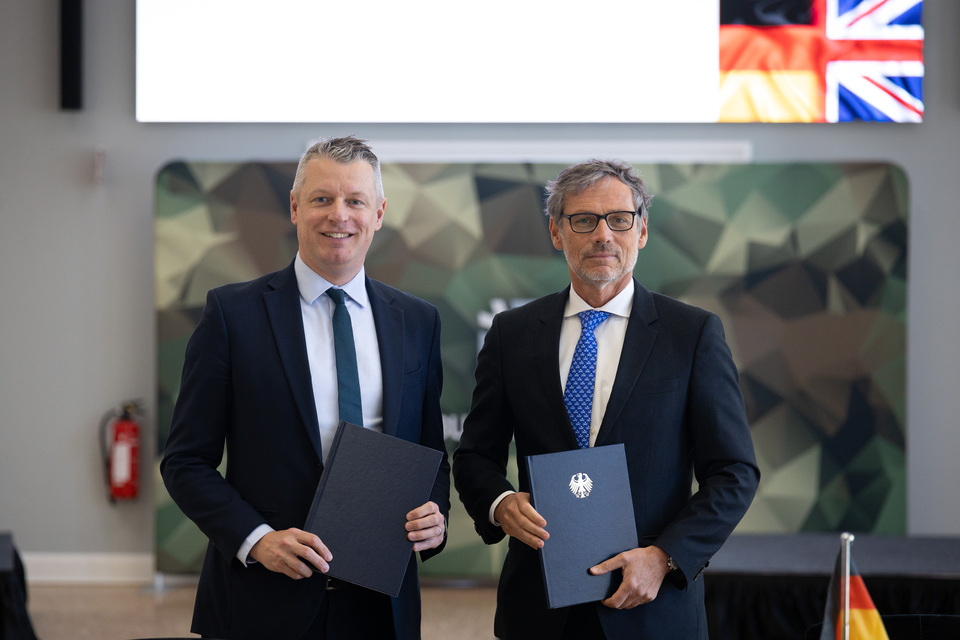
Britain and Germany have reviewed existing joint defence development priorities. Lancaster House discussions covered Deep Precision Strike and industrial cooperation, without awarding a new weapons contract or confirming a completed development milestone.
-
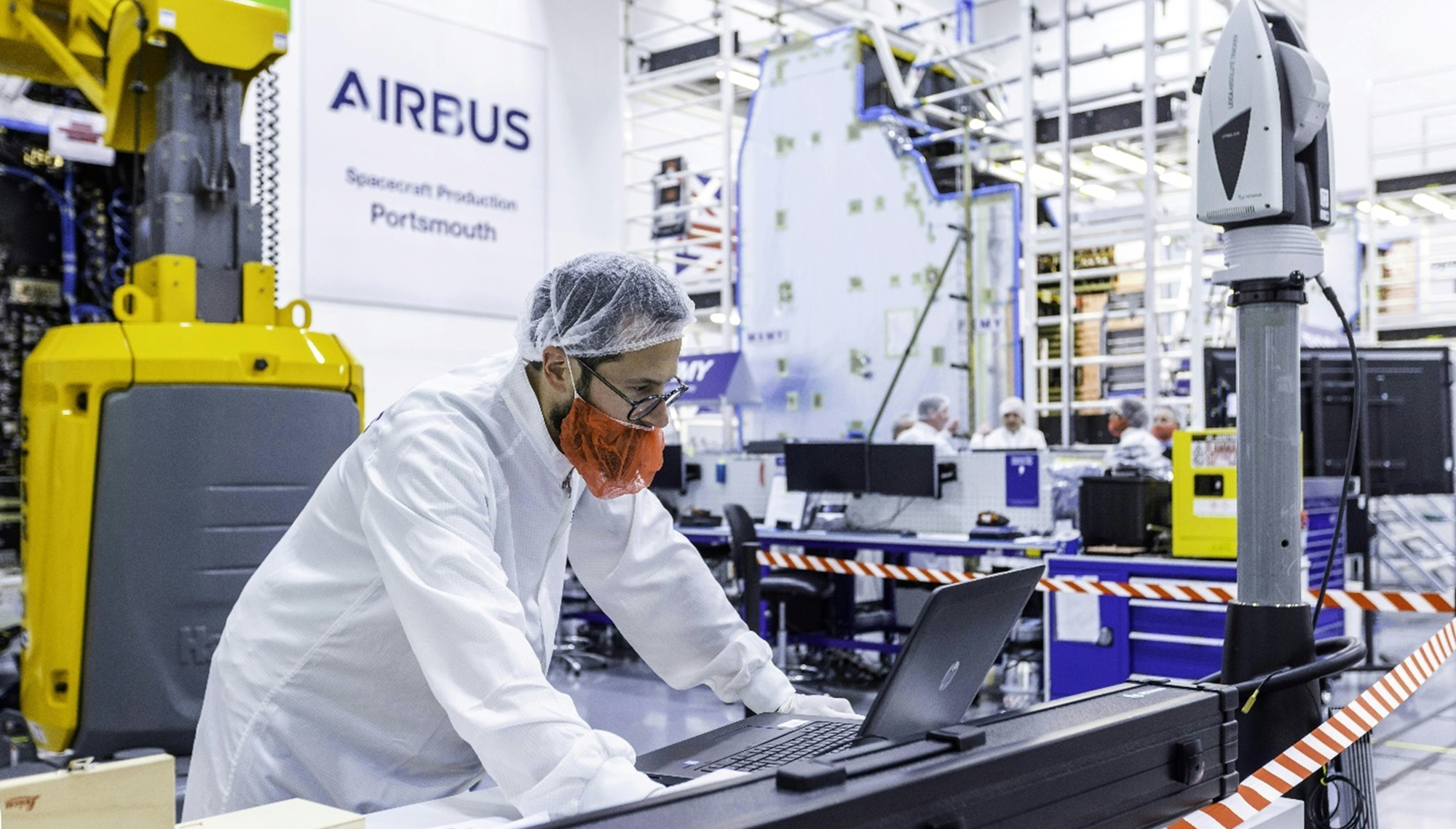
Airbus has warned of possible consequences for UK satellite manufacturing. Its employment concerns concern an undecided Skynet competition; no job cuts, factory closures or government award have been confirmed.
-
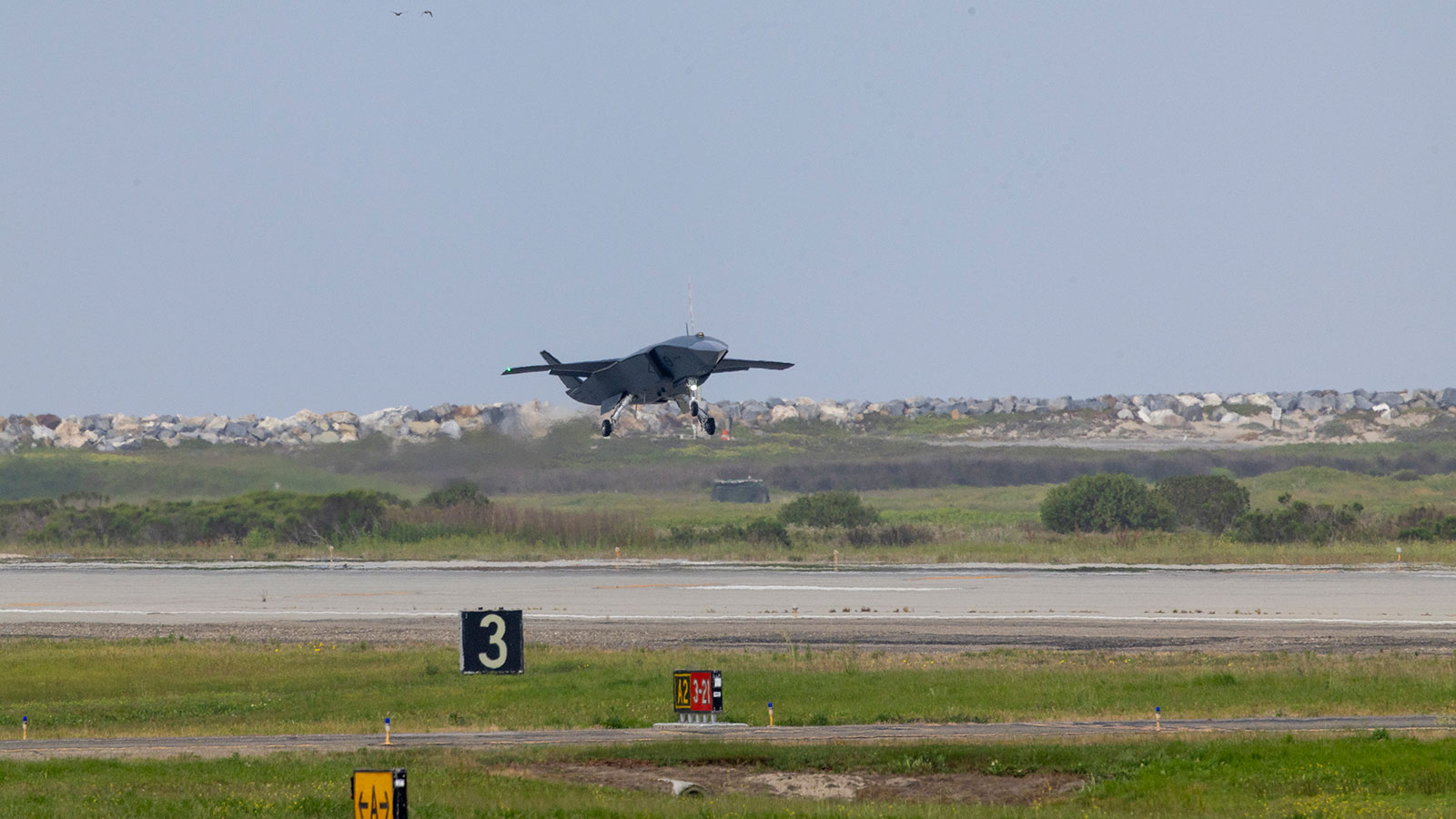
Germany has ruled out directly purchasing Boeing’s MQ-28 Ghost Bat. Boeing confirmed the notification, but no awarded German aircraft contract has been identified as cancelled.
-

Turkish Aerospace has completed a second ANKA III production line. The manufacturer expects to open it in November, with throughput and increased payload figures remaining projections.
-
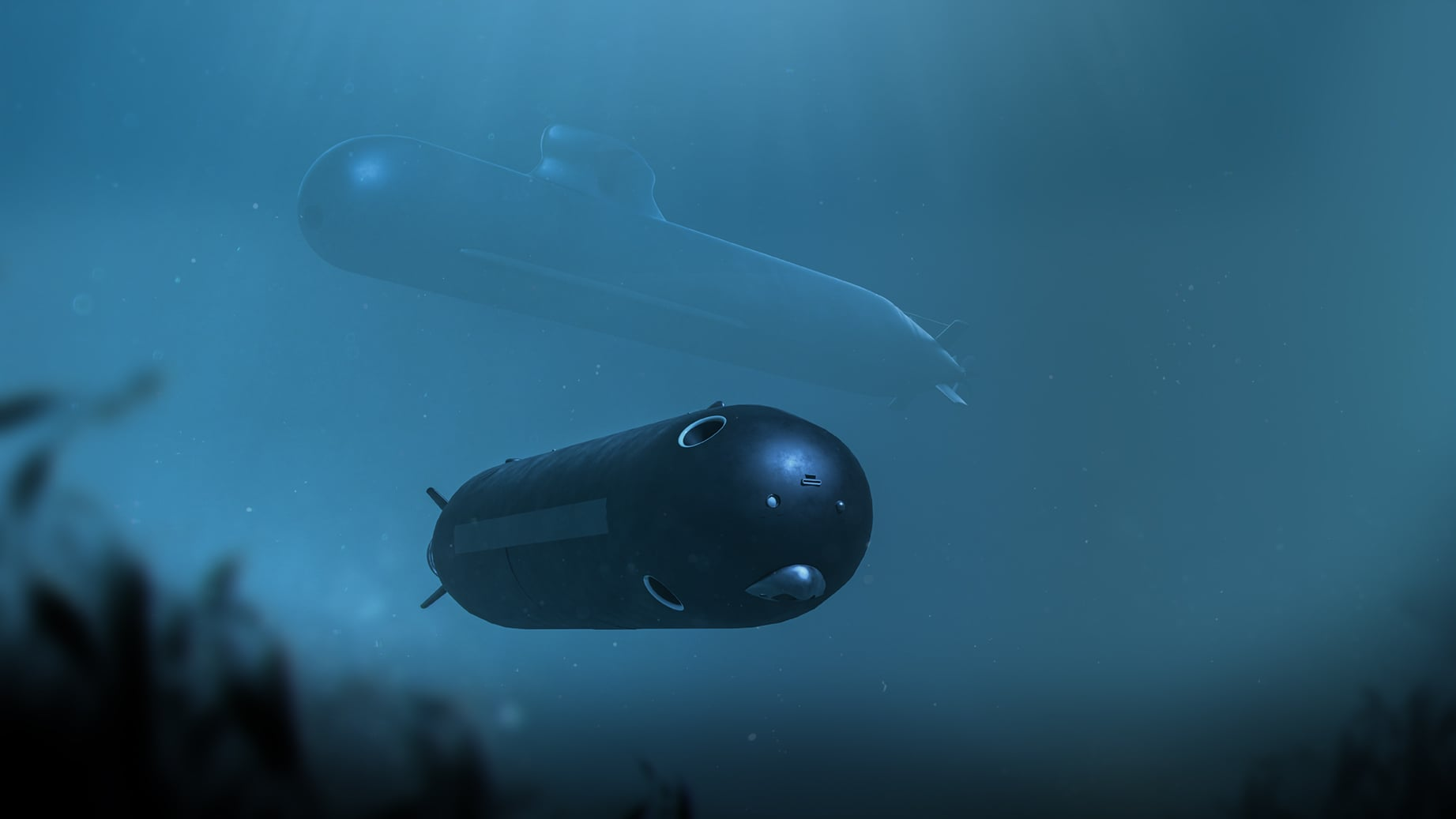
Saab has completed initial trials of an underwater vehicle demonstrator. Sweden’s first development phase has concluded, but further evaluation and autonomy development remain before any operational procurement decision.
-
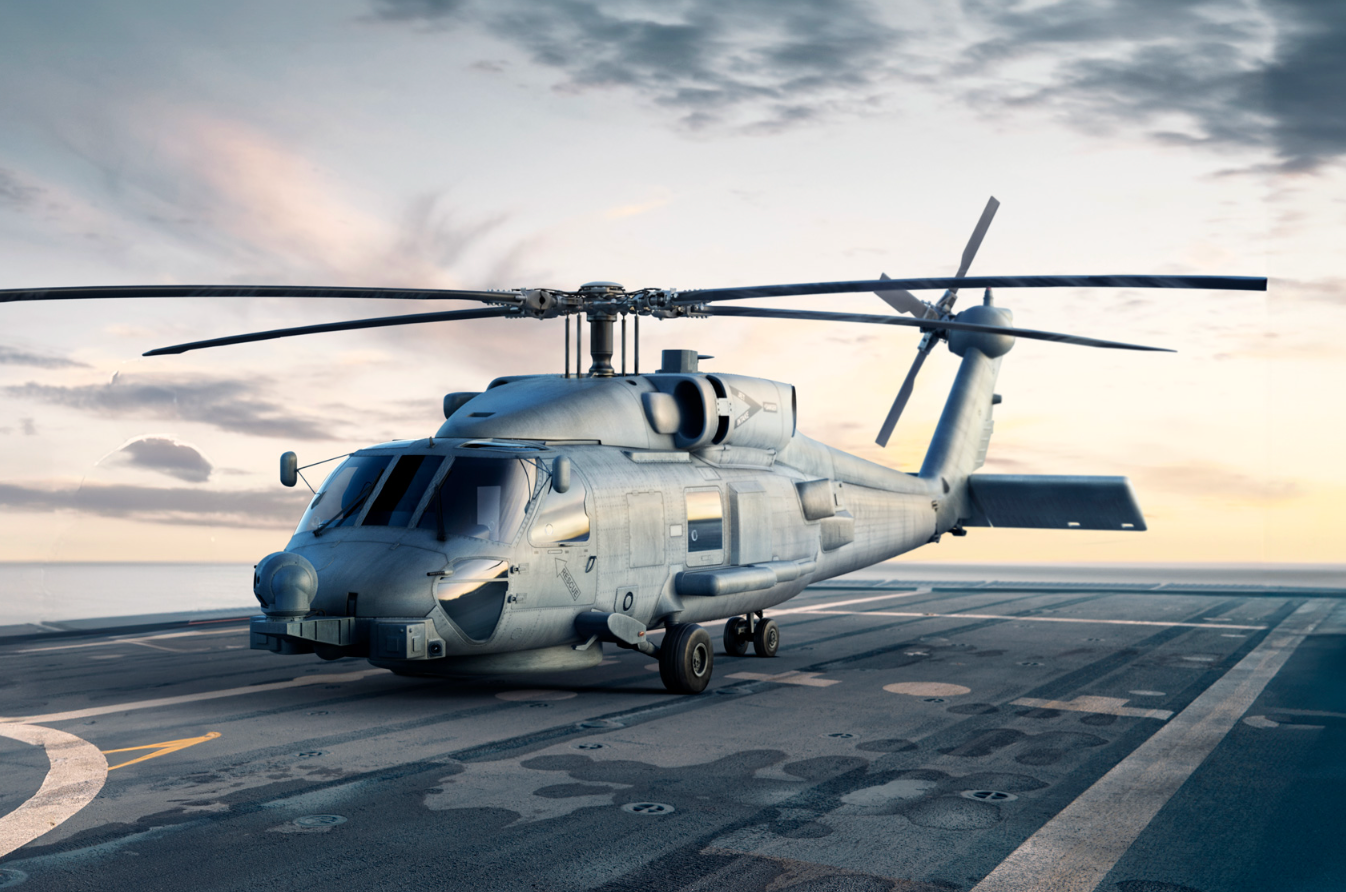
Australian Seahawks are approaching installation of digital magnetic anomaly sensors. The current update follows a 2024 kit contract and 2025 integration announcement; fleetwide completion remains unconfirmed.
-
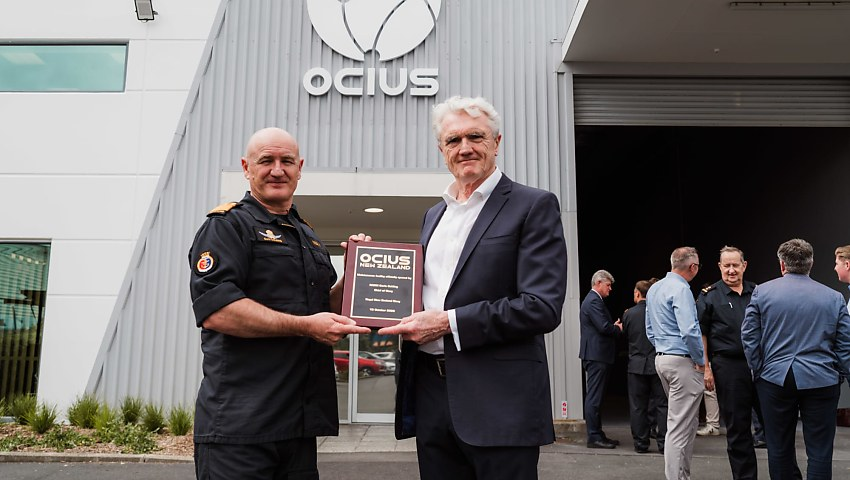
Ocius has opened its expanded Sydney Bluebottle production operations hub. The site supports an existing Australian order for 40 additional vessels; the separate Auckland facility concentrates on maintenance.
-
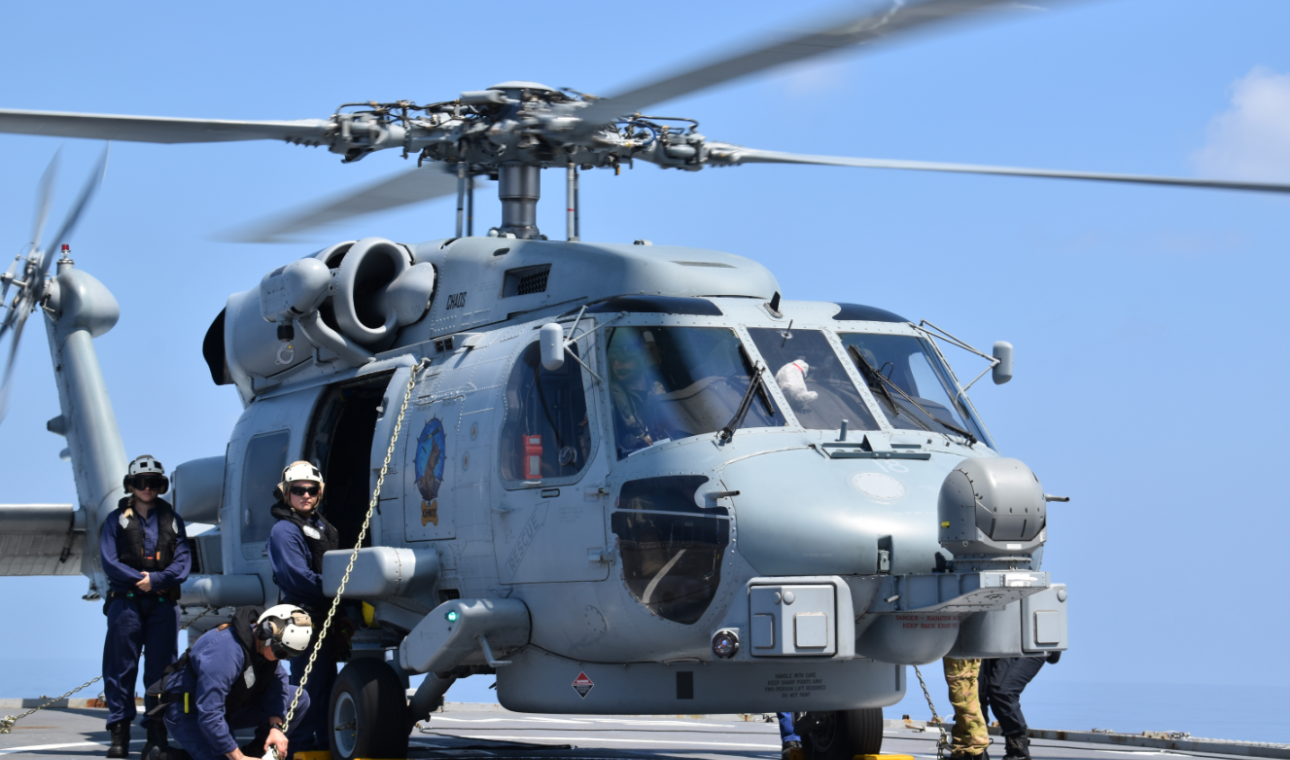
New Zealand has signed for five MH-60R Seahawk maritime helicopters. The October purchase is distinct from the NZ$1.648 billion capital programme and earlier US export approval.