
News
-
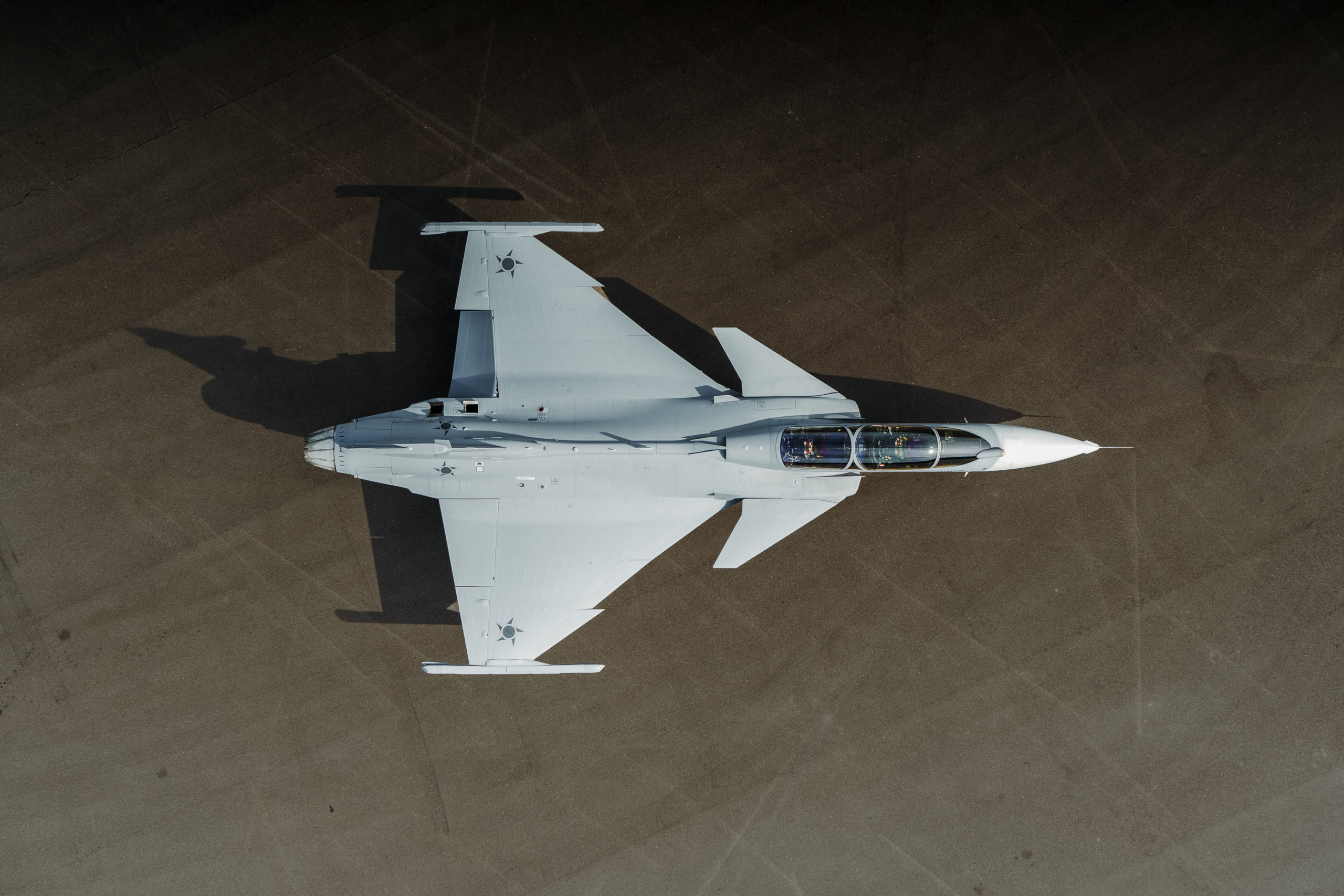
Saab has received Sweden’s SEK 1.3bn Gripen computer development order. The FMV agreement covers a replacement flight-control computer, with deliveries planned during 2030; installation dates and aircraft variants remain unspecified.
-
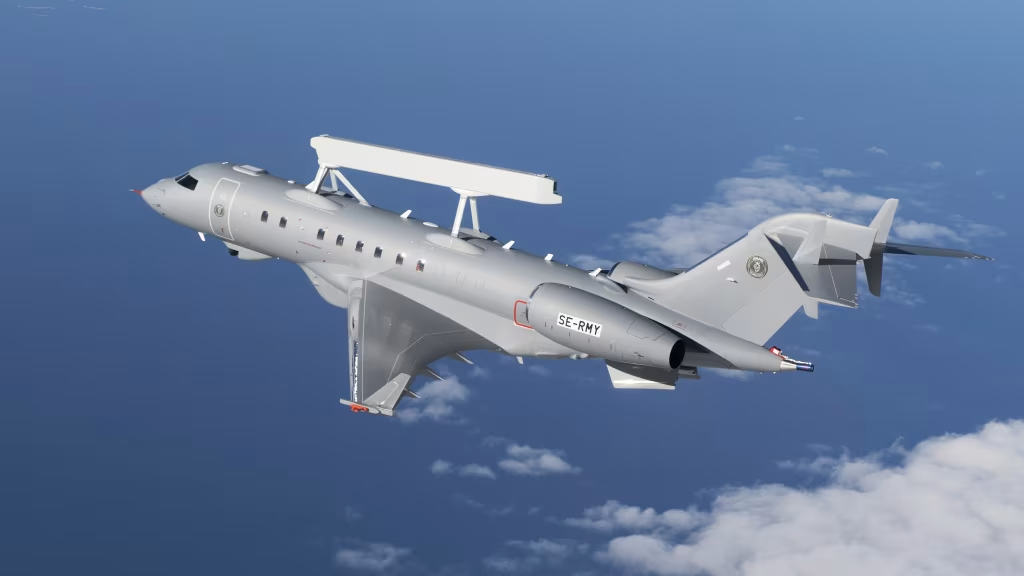
Saab has presented Sweden’s first GlobalEye airborne surveillance aircraft today. The aircraft now enters verification before its maiden flight and subsequent delivery under Sweden’s three-aircraft programme.
-

Norwegian Leopard 2A8 manufacture has begun at the Levanger facility. KNDS and RITEK are responsible for a local allocation of 37 tanks within the existing 54-vehicle order.
-
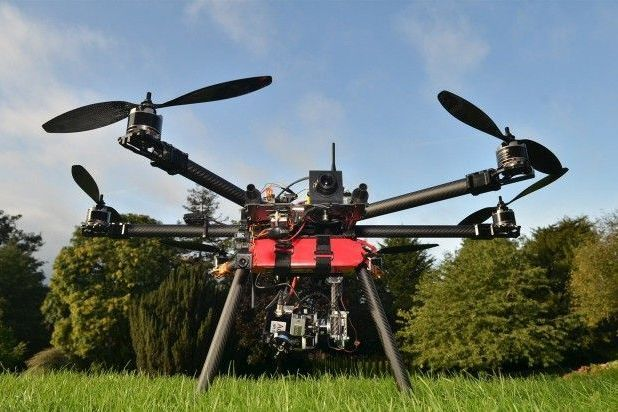
The MoD proposes new autonomous radiation mapping research with Bristol. Its planned £368,512 direct award covers UAV algorithms, source localisation and trials, with signature scheduled for November.
-

The British Army has launched its £2.45m tactical power competition. It seeks generation, storage, charging and distribution technologies, alongside market engagement for more mature systems.
-
India has signed two defence procurement contracts worth ₹4,106 crore. One covers an Air Force communications satellite; the other buys ship-launched heavyweight torpedoes for the Navy.
-
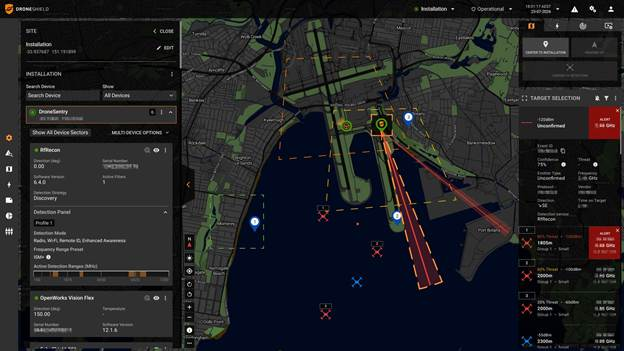
DroneShield has introduced new counter-drone software for existing deployed systems. The update adds unfamiliar-signal alerts, improved optical classification and coordinated electronic disruption, with command-system deployment planned for November.
-
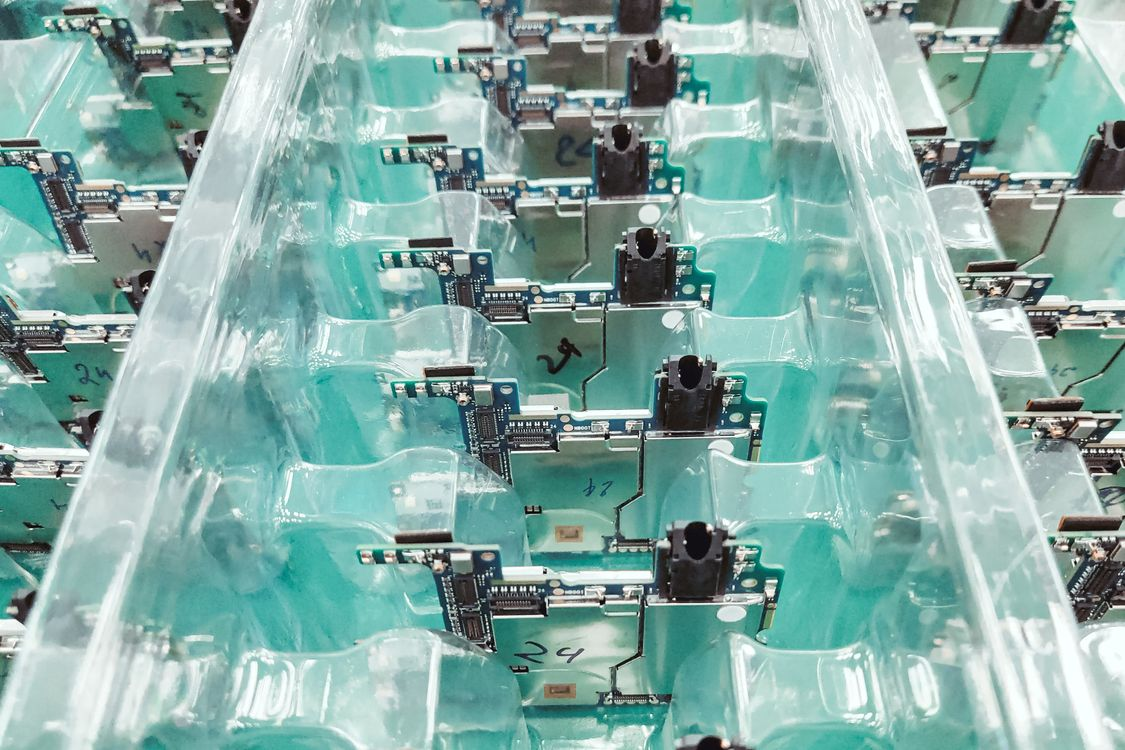
Sidus Space has reported hardware manufacturing awards across two markets. The combined third-quarter contracts and purchase orders exceed $3 million, but the company has not disclosed the defence-only value or individual customers.
-
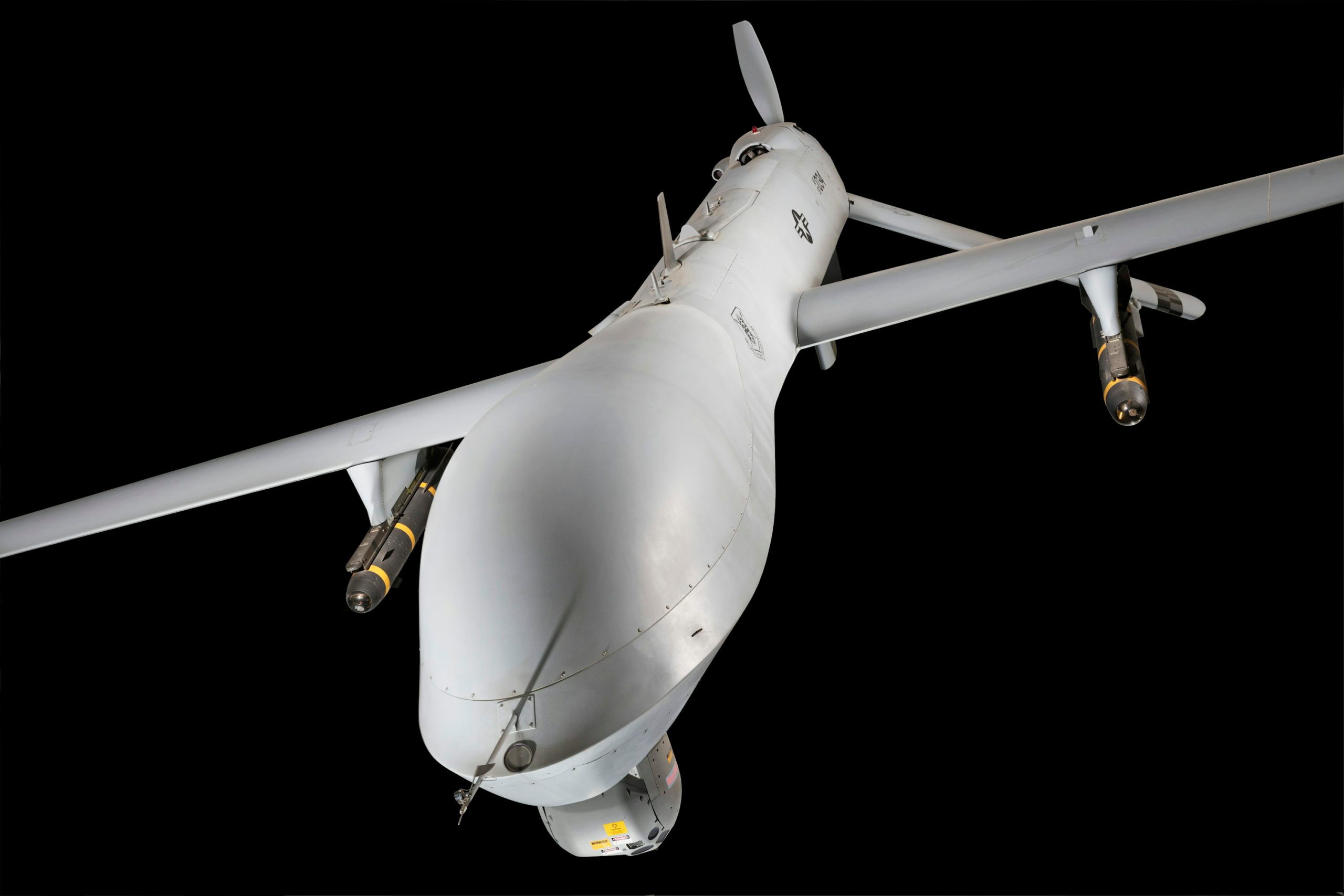
AeroVironment and Elsight are partnering on resilient uncrewed system communications. Elsight’s Halo connectivity layer is planned for Mayhem 10, combining several network types without any disclosed platform production order.
-
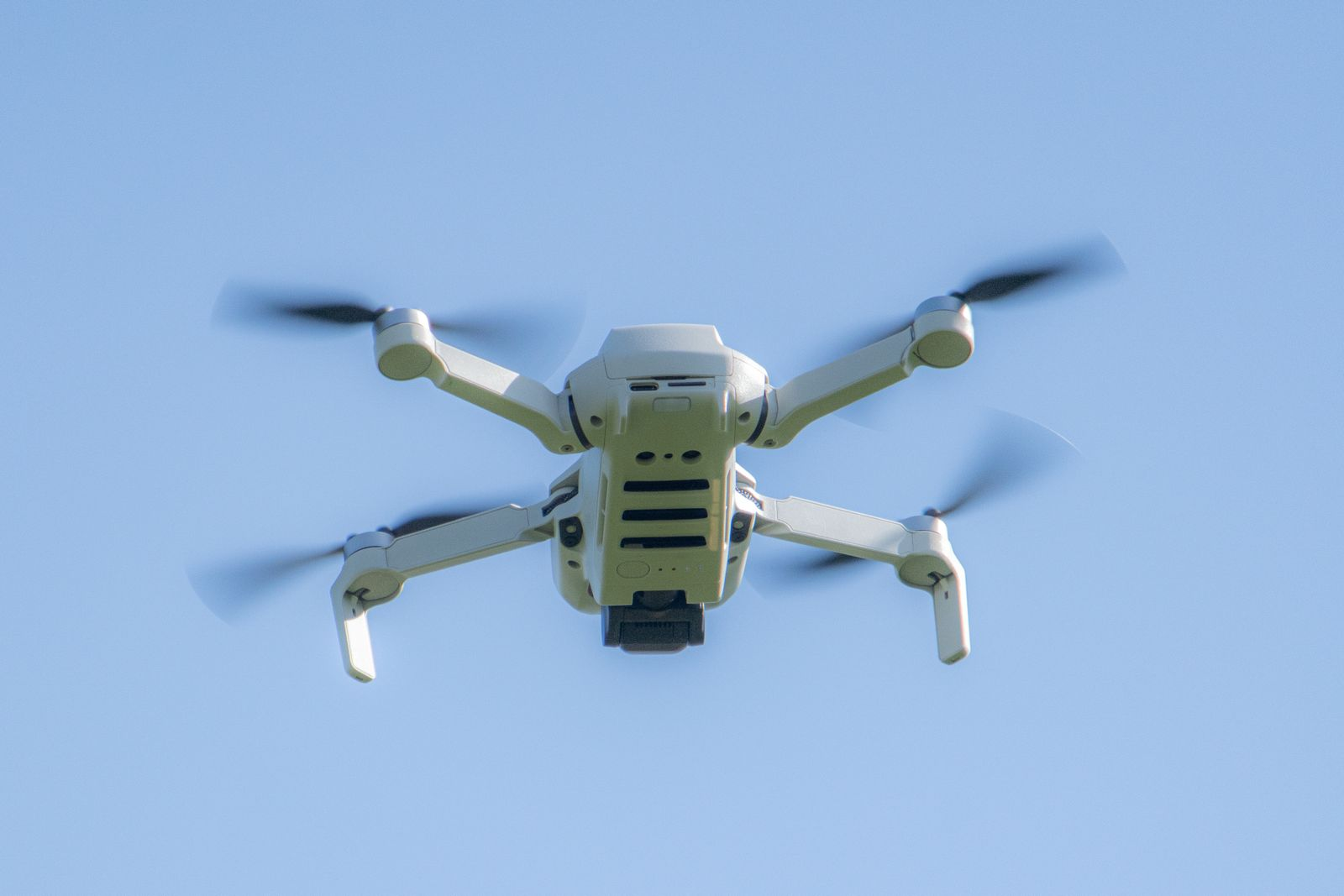
Leonardo DRS has secured a new counter-drone procurement framework agreement. The three-year JIATF-401 contract has a $500 million ceiling, but individual task orders remain subject to competition and are not guaranteed.