
News
-
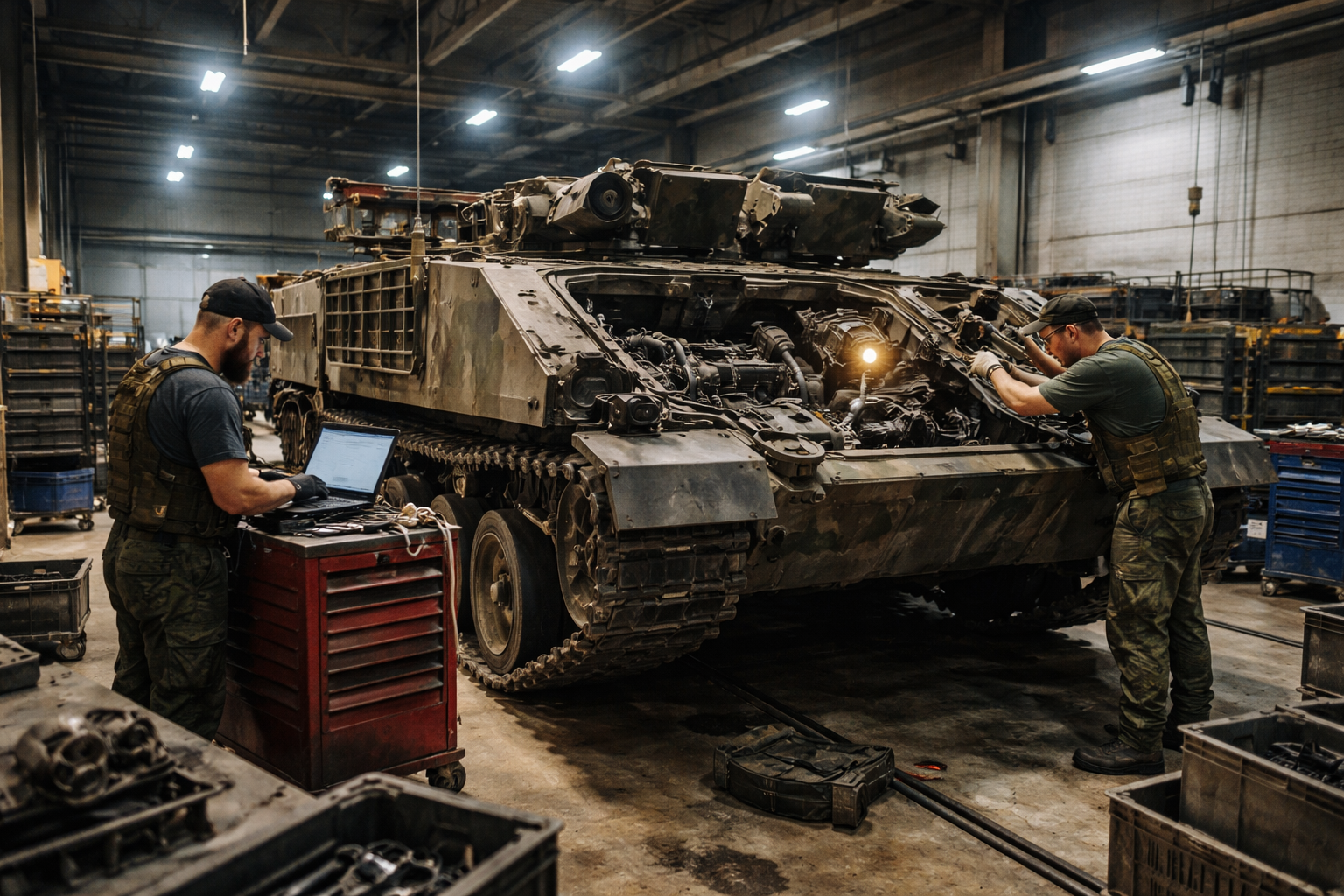
Oshkosh and Michigan Tech are advancing a vehicle power system. Their Vehicle Integrated Power Kit targets 120 kW at 600 V DC, with further prototype validation and soldier evaluation planned before any production decision.
-
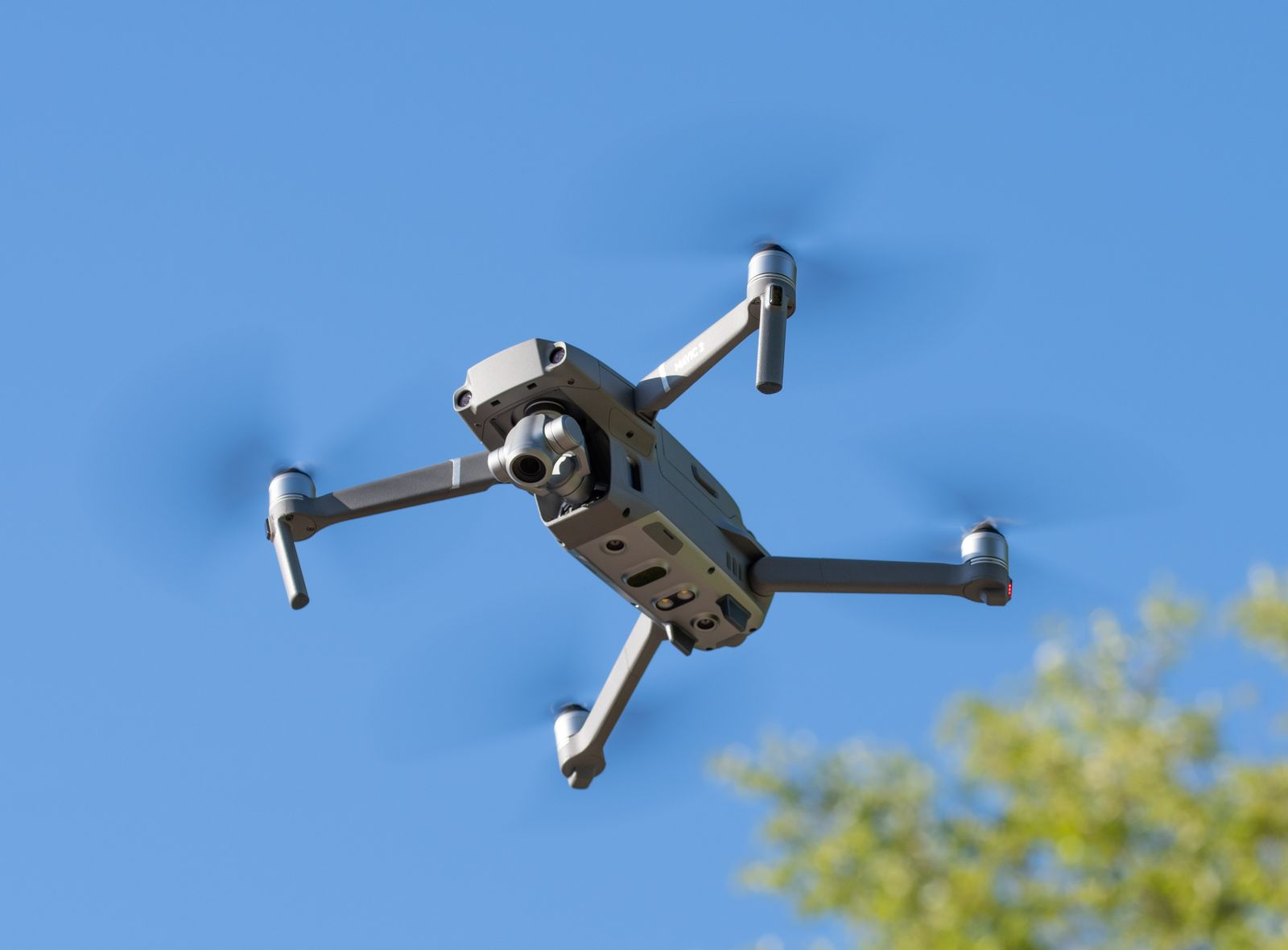
AeroVironment and Alpha propose Spanish support for JUMP 20 aircraft. Their memorandum covers possible maintenance, training and subsystem integration, but does not establish a production, support or customer delivery contract.
-
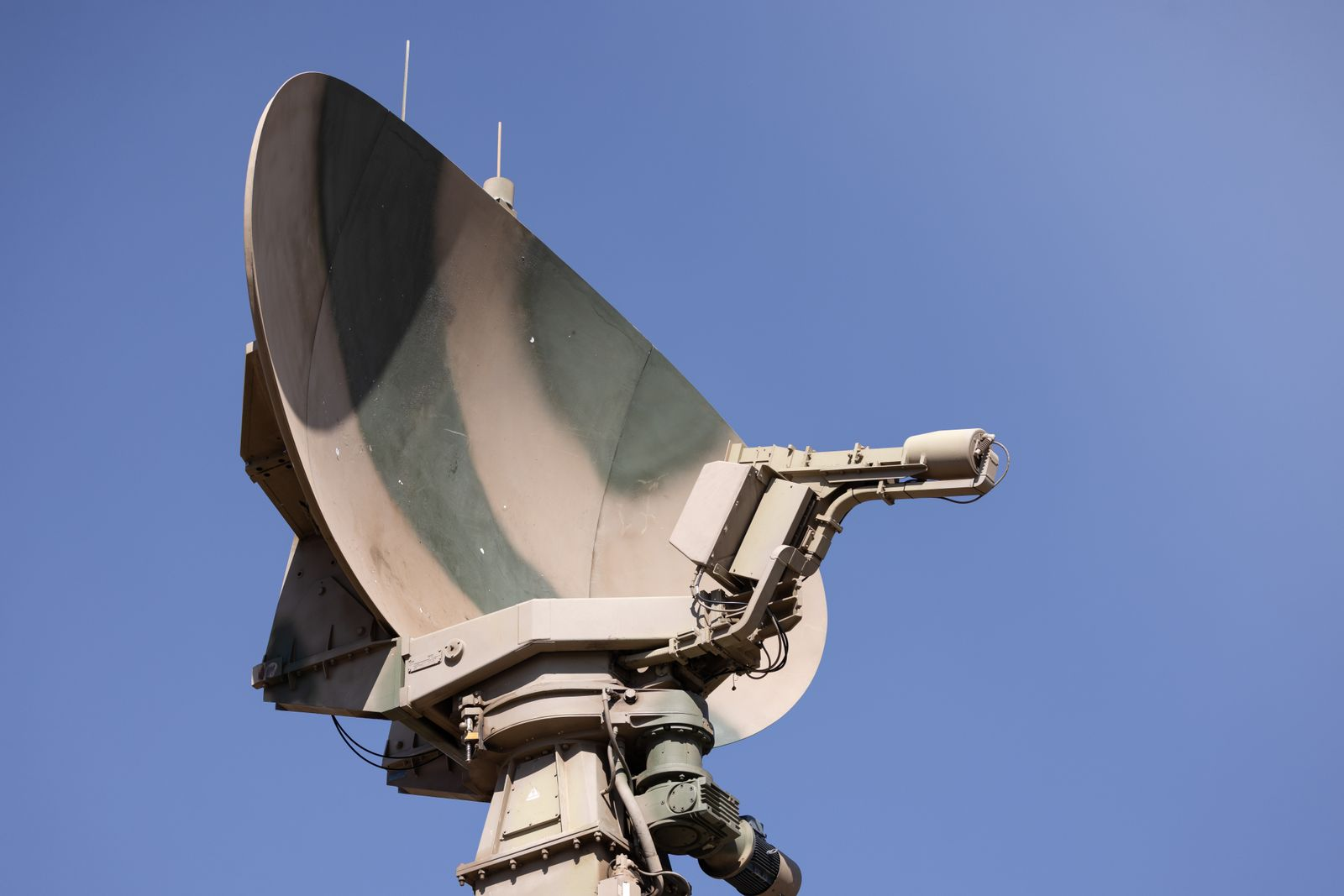
Airbus has linked German and Swedish air defence command systems. IRIS-T SLM and Patriot were connected through SAMOC during multinational live firing, alongside the German Army’s short-range LeFlaSys system.
-
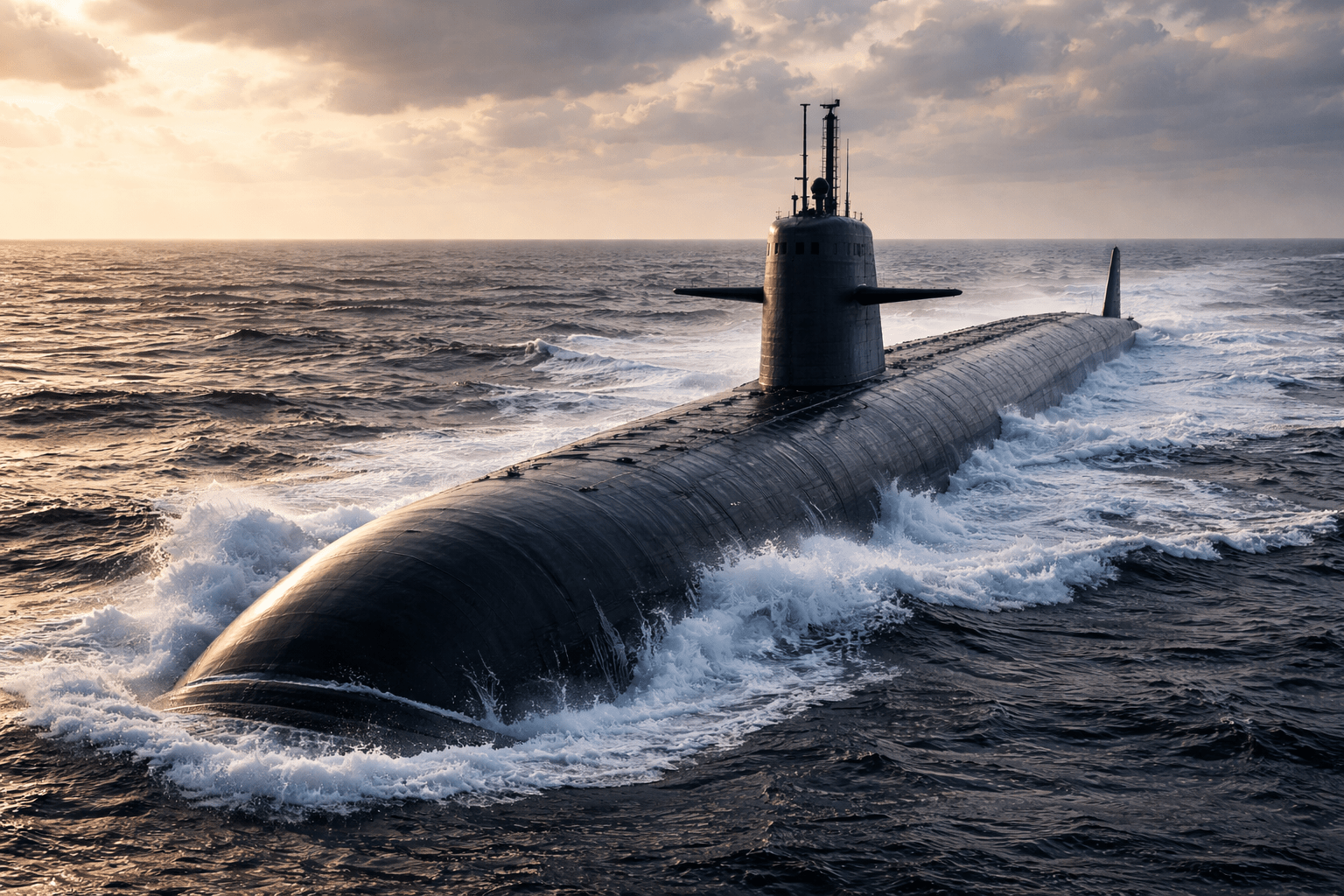
HII has received a new US Navy AUKUS engineering contract. The $56 million award covers design, supply chain and workforce support, with an unexercised option taking its potential value to $91 million.
-
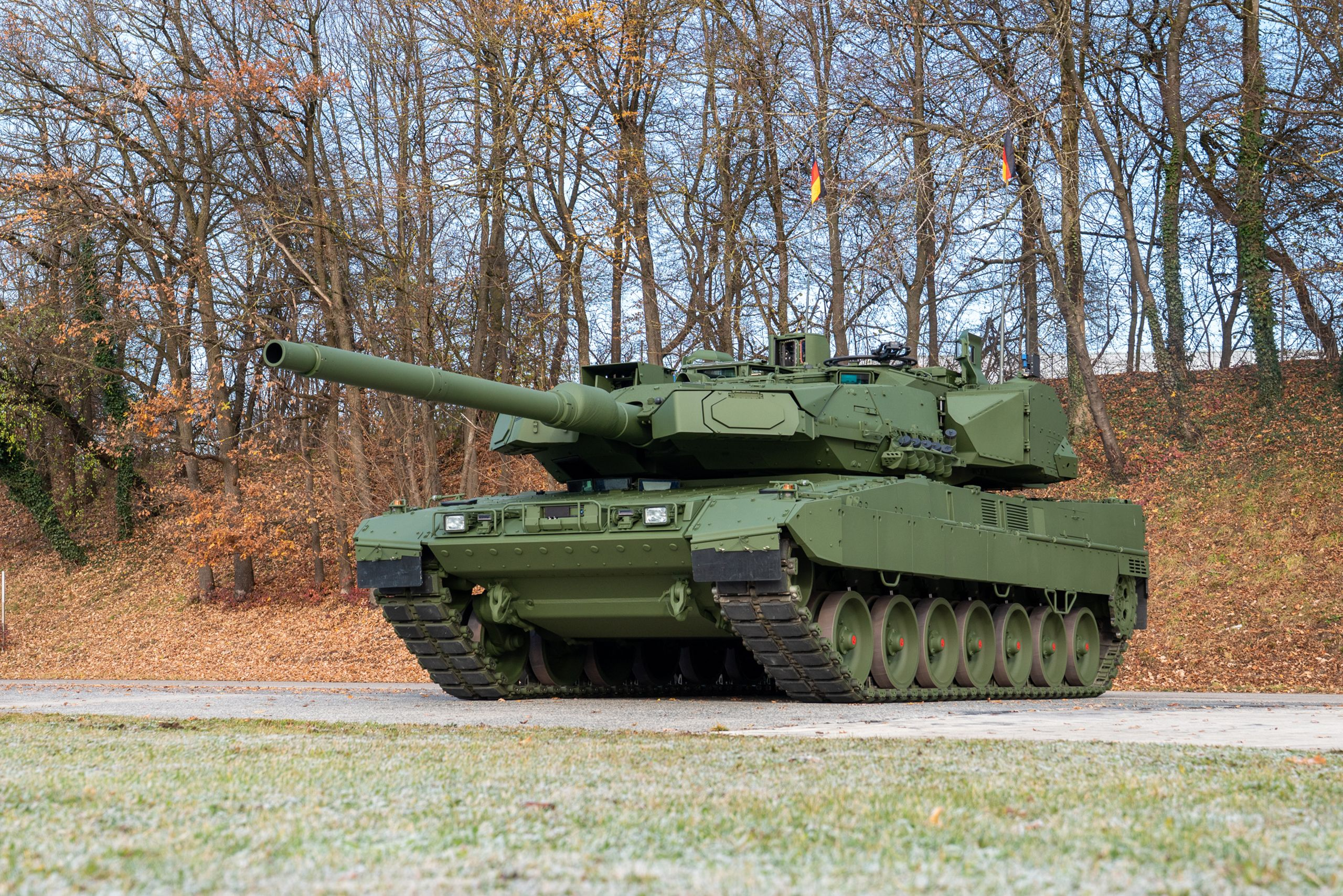
RENK and KNDS have expanded their Leopard 2 transmission agreement. The approximately €130 million order covers HSWL 354 units, associated controls and gear selectors, with deliveries expected between 2029 and 2032.
-

Roke has agreed a five-year supply arrangement for radar altimeters. An initial $16 million production order will begin deliveries this month, while the wider US partnership is expected to be worth at least $170 million.
-
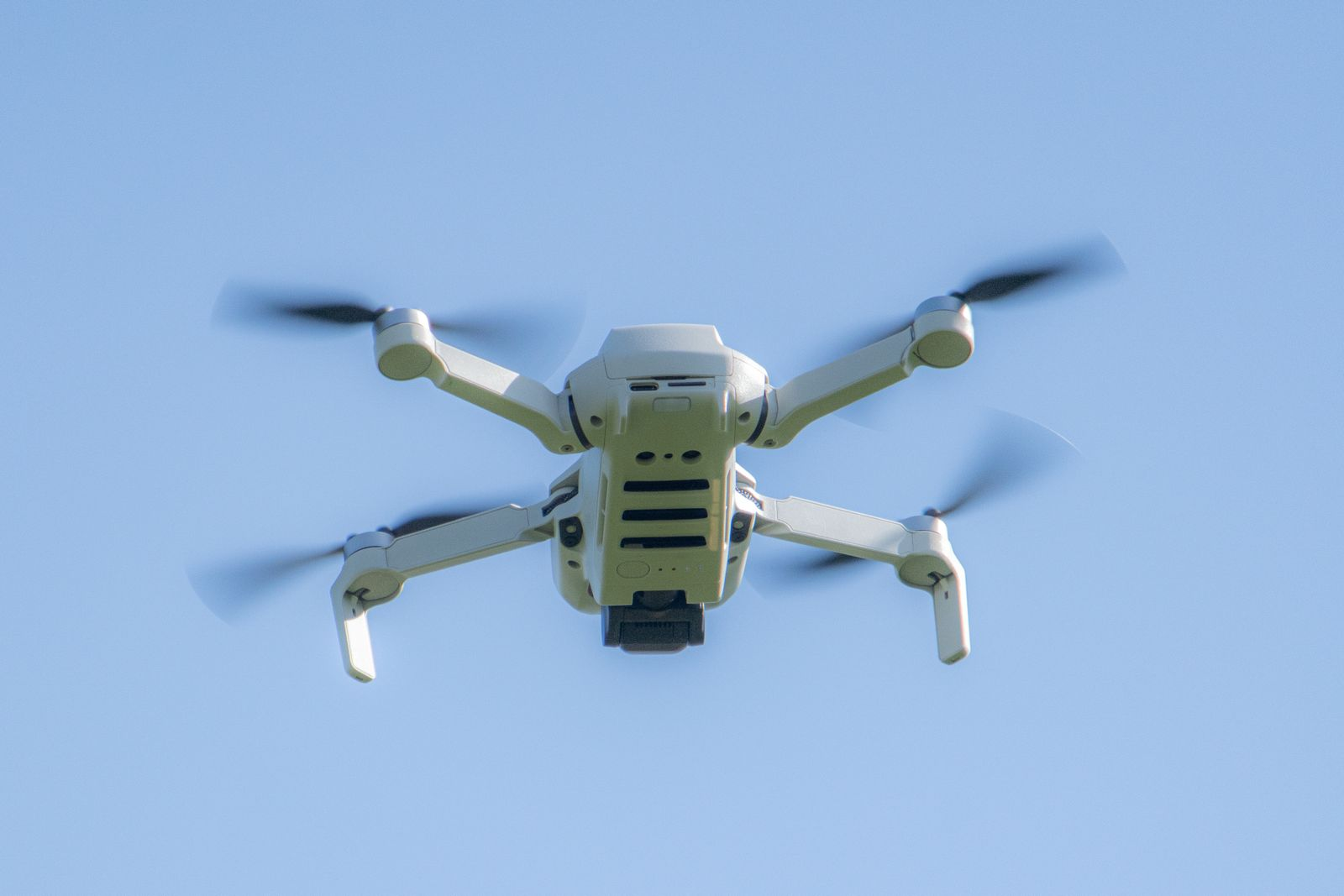
Enovix has secured a new purchase order for drone batteries. The 100,000 units will be manufactured in South Korea, with deliveries planned for the first half of 2027 and possible follow-on orders dependent on successful deployment.
-
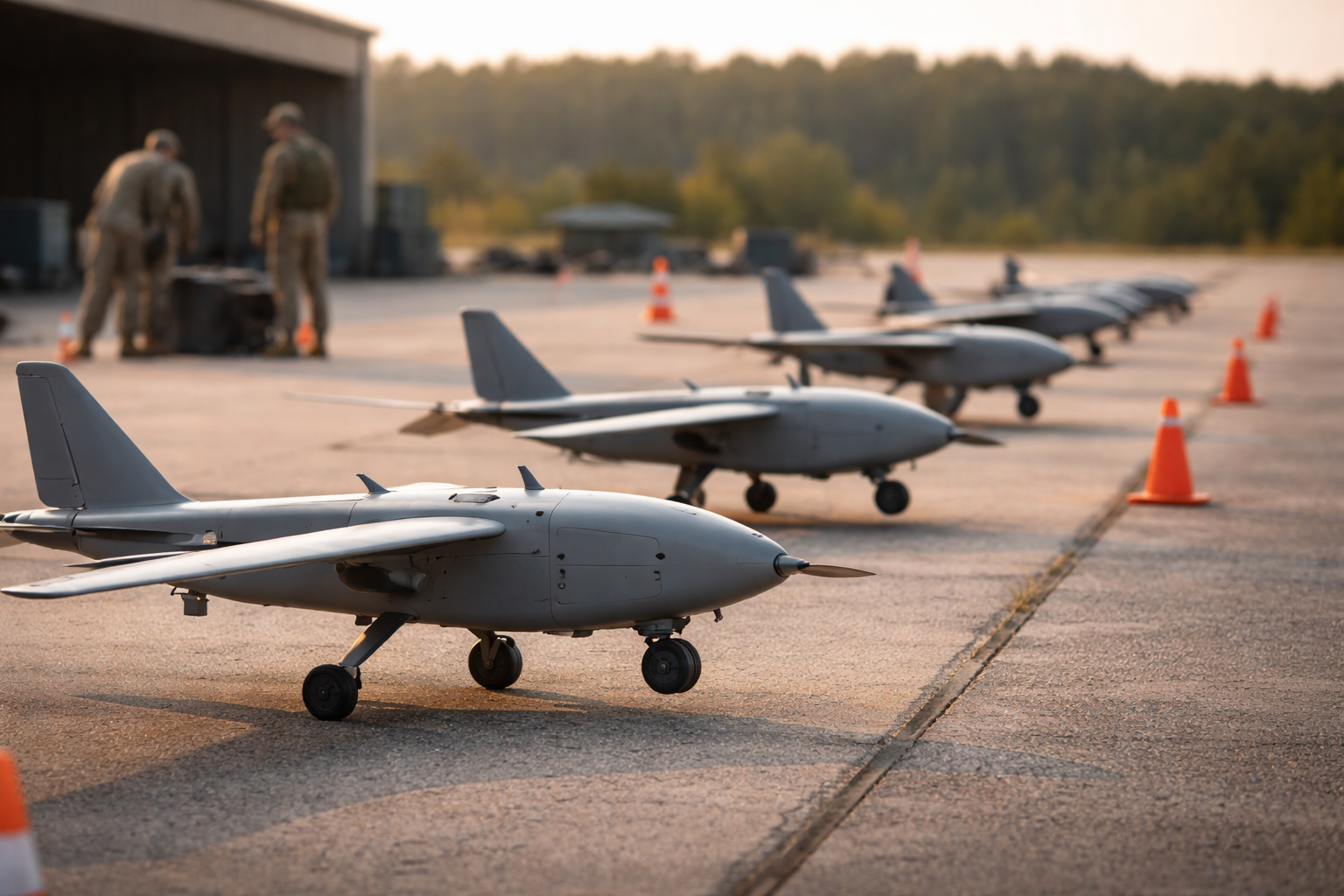
AeroVironment and Thunder Tiger are examining Taiwan-based uncrewed systems integration. Their agreement covers a possible multi-round Switchblade launcher aboard an uncrewed vessel, alongside future aircraft co-production and local engineering cooperation.
-
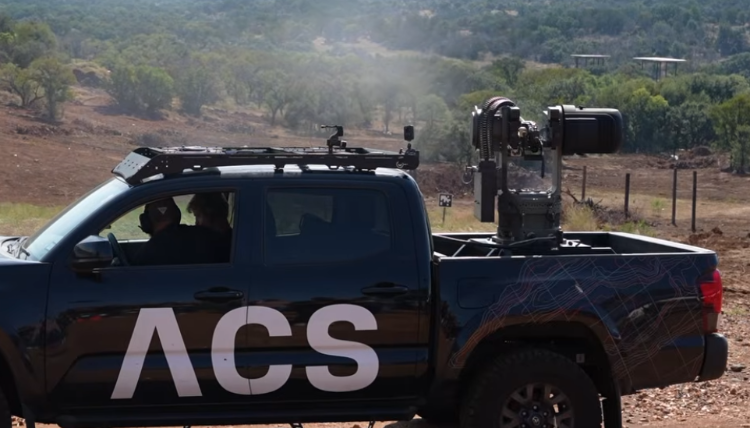
Echodyne and ACS have agreed new counter-drone systems integration work. Their collaboration combines EchoShield radar with the Bullfrog robotic weapon station, extending tracking and sensor integration capabilities for land and maritime defence applications.
-

CIS Secure has achieved aerospace quality certification at Ashburn facilities. The AS9100 Rev. D approval covers its quality management system for designing, manufacturing and assembling repackaged computing and networking equipment used in secure communications environments.