
News
-

The US Army expects pressure from impending defence mineral restrictions. A January 2027 sourcing deadline will tighten rules on covered materials, while suppliers face difficult traceability and qualification requirements and conditional waiver arrangements.
-
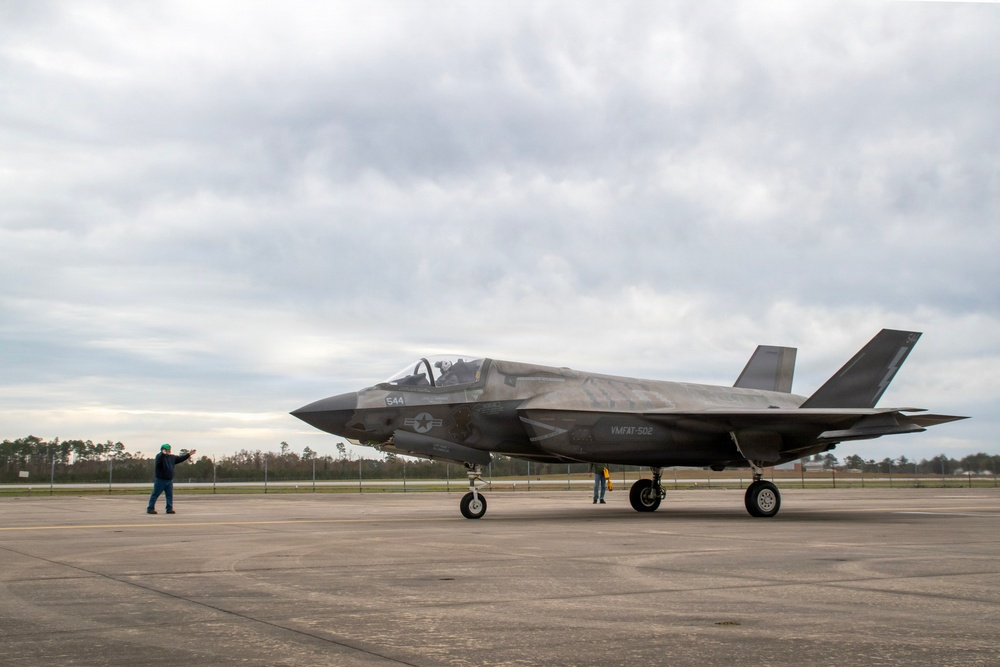
Lockheed Martin will expand F-35 integrated processor support infrastructure work. The $16.11 million Navy modification covers avionics testing, cybersecurity modernisation and specialist repair capability at two US sites through January 2029.
-
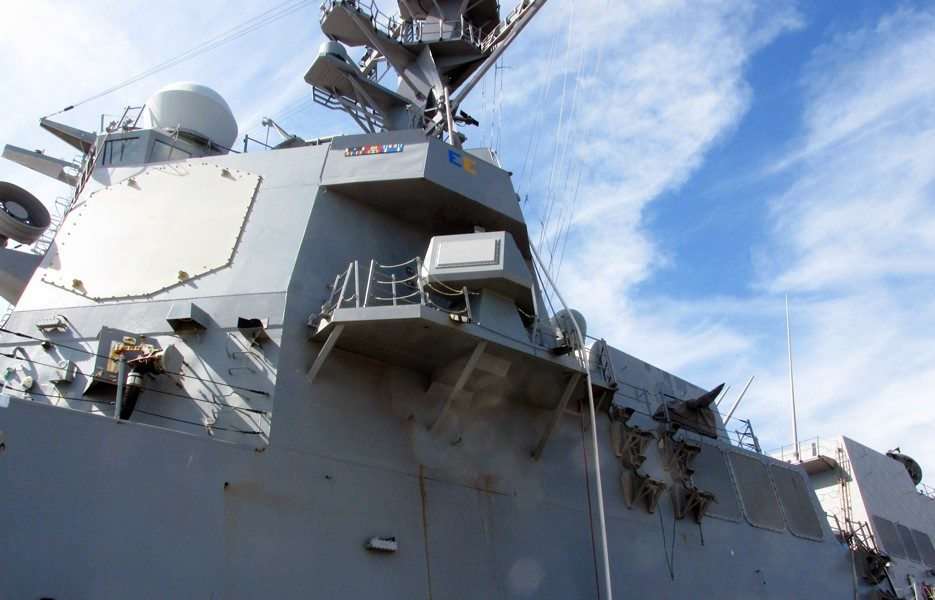
Lockheed Martin has received another naval electronic warfare production modification. The $74.29 million order covers AN/SLQ-32(V)6 systems for Canada, Japan and the US Coast Guard, with work scheduled through September 2029.
-

Shift5 has secured an Army contract for operational intelligence software. The five-year agreement has a $99 million ordering ceiling, with expenditure determined through subsequent orders rather than committed in full at award.
-
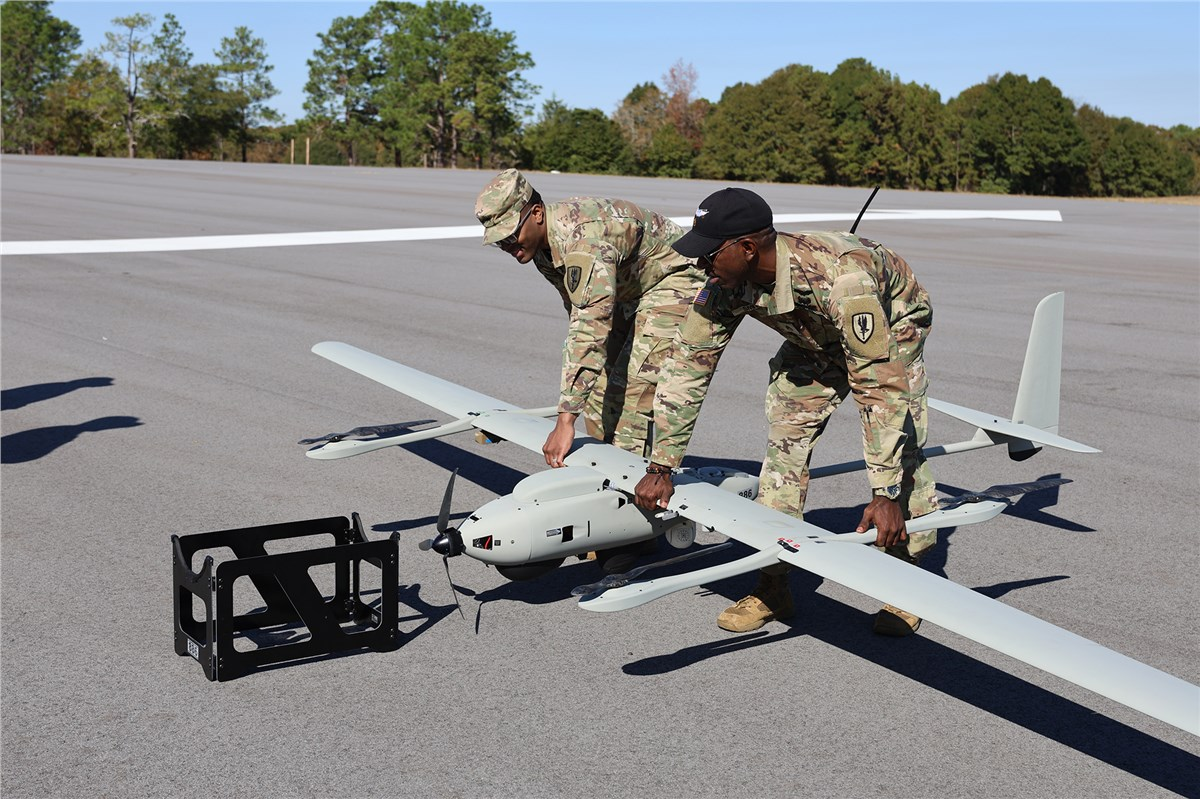
Redwire will supply Stalker aircraft for United States Guard training. Approximately $13.8 million in purchase orders supports the emerging 15X specialist role, combining drone operation and maintenance. Aircraft quantities, configurations and delivery dates remain undisclosed.
-
BAE Systems will demonstrate compact terminals for Space Force communications. The award covers space-hardened software-defined radio technology and a pointing interface, with no disclosed contract value, production quantity or delivery timetable.
-

Automation Alley will test secure distributed manufacturing for Army sustainment. A $7.5 million Phase I task order, including an option, covers protected manufacturing instructions, candidate polymer and metal components, and traceable quality records.
-

Raytheon will modernise existing strategic radar systems for Space Force. The Ground-Based Radar Digitization programme will start with prototypes and a common architecture, but neither the initial sites nor the contract value has been disclosed.
-
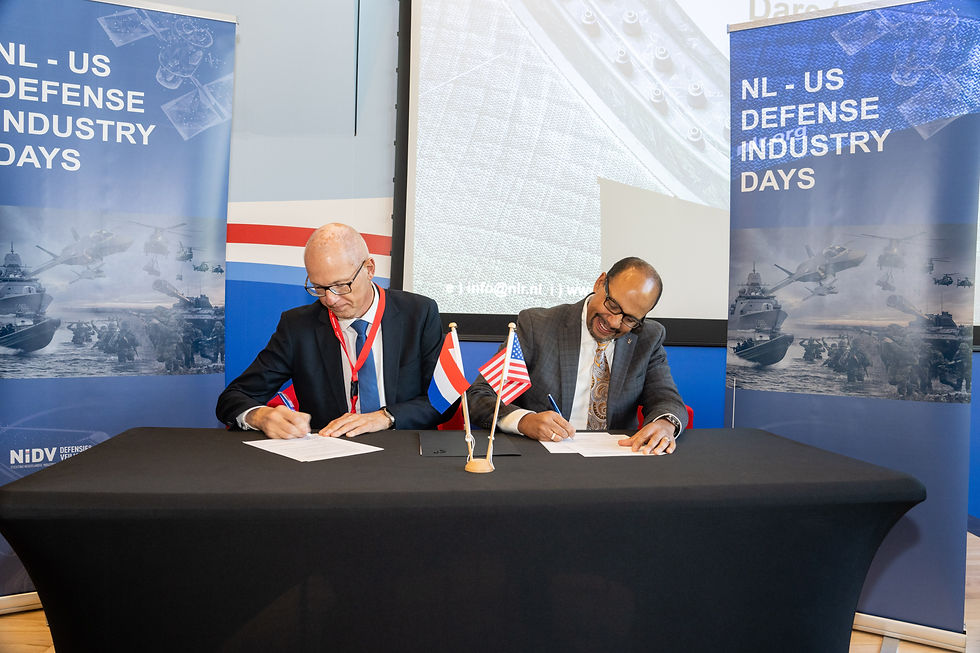
Lockheed Martin and NLR have broadened their Dutch research partnership. Four workstreams cover industrial participation, operational analysis, technology planning and uncrewed aircraft, without a new production contract.
-

Expleo joins Babcock’s five-year framework for specialist engineering support services. The appointment expands an established supplier relationship across marine, nuclear, land and mission systems, without guaranteeing a specified volume of work.