
News
-
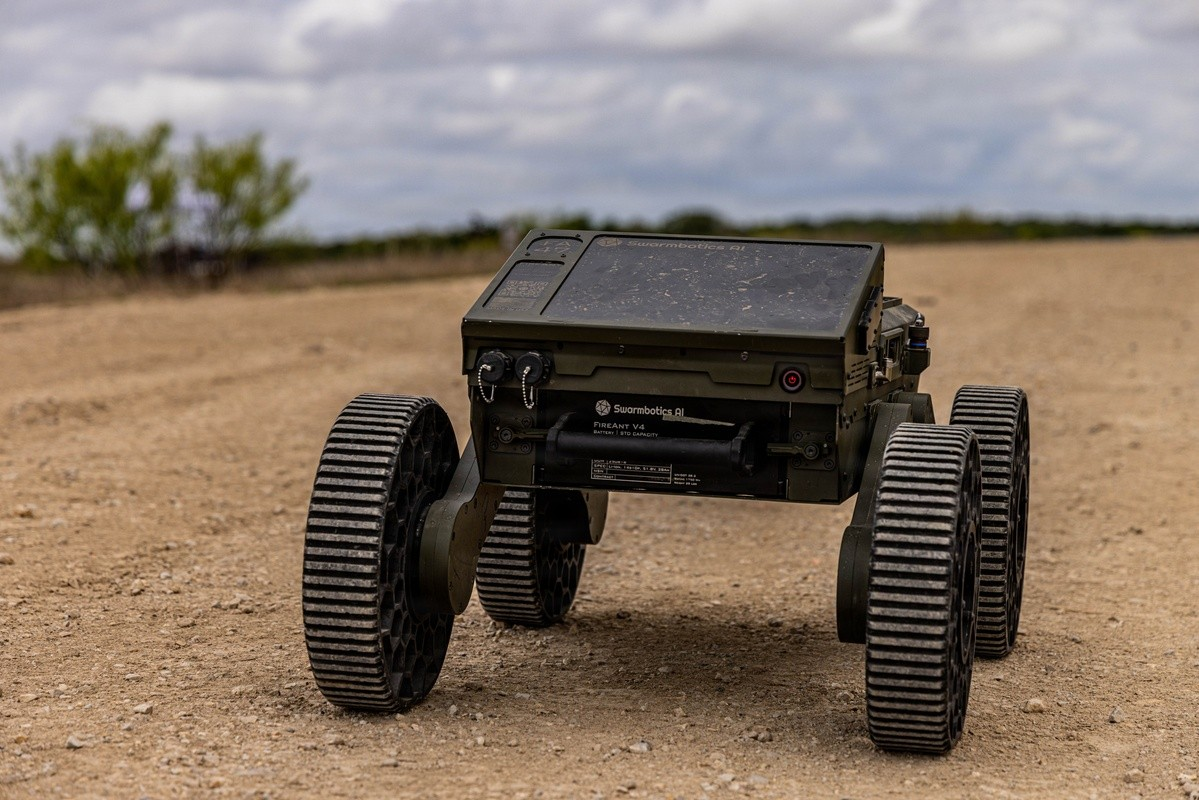
Arbe has introduced a radar system designed for uncrewed vehicles. Gryphon combines high-resolution imaging with obstacle mapping for difficult terrain, but no military procurement or field deployment has been announced.
-
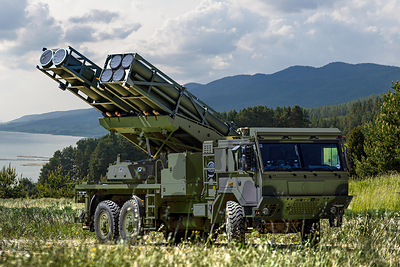
Elbit has secured a new European rocket artillery supply contract. The $235 million agreement covers PULS launchers, EXTRA-MR guided rockets and logistics over three years, with the customer undisclosed.
-
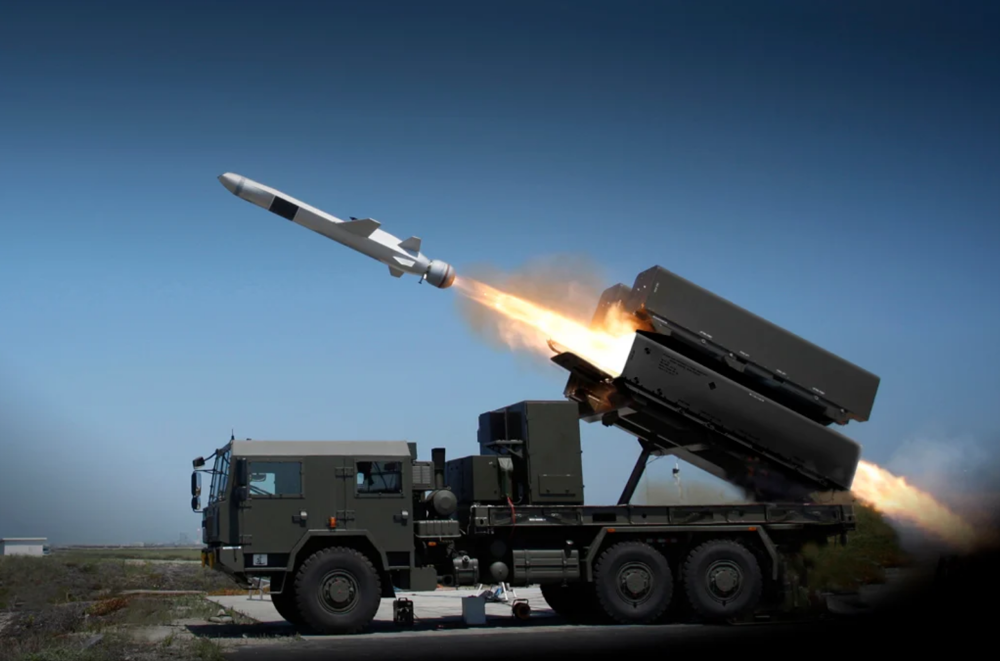
Denmark has contracted additional Naval Strike Missiles for coastal defence. The new agreement expands a system acquired during 2025.
-

Rheinmetall and MSC have won the auction for Mangalia shipyard. Their proposed dual-use investment includes Romanian naval construction work.
-

Rheinmetall has announced new medium-calibre ammunition production capacity at Albacete. Its expanded facilities support ammunition components and mortar manufacture across several calibres.
-

Indian manufacturers have reportedly been shortlisted for helicopter armament development. The proposed indigenous turret remains subject to engineering and acceptance stages.
-
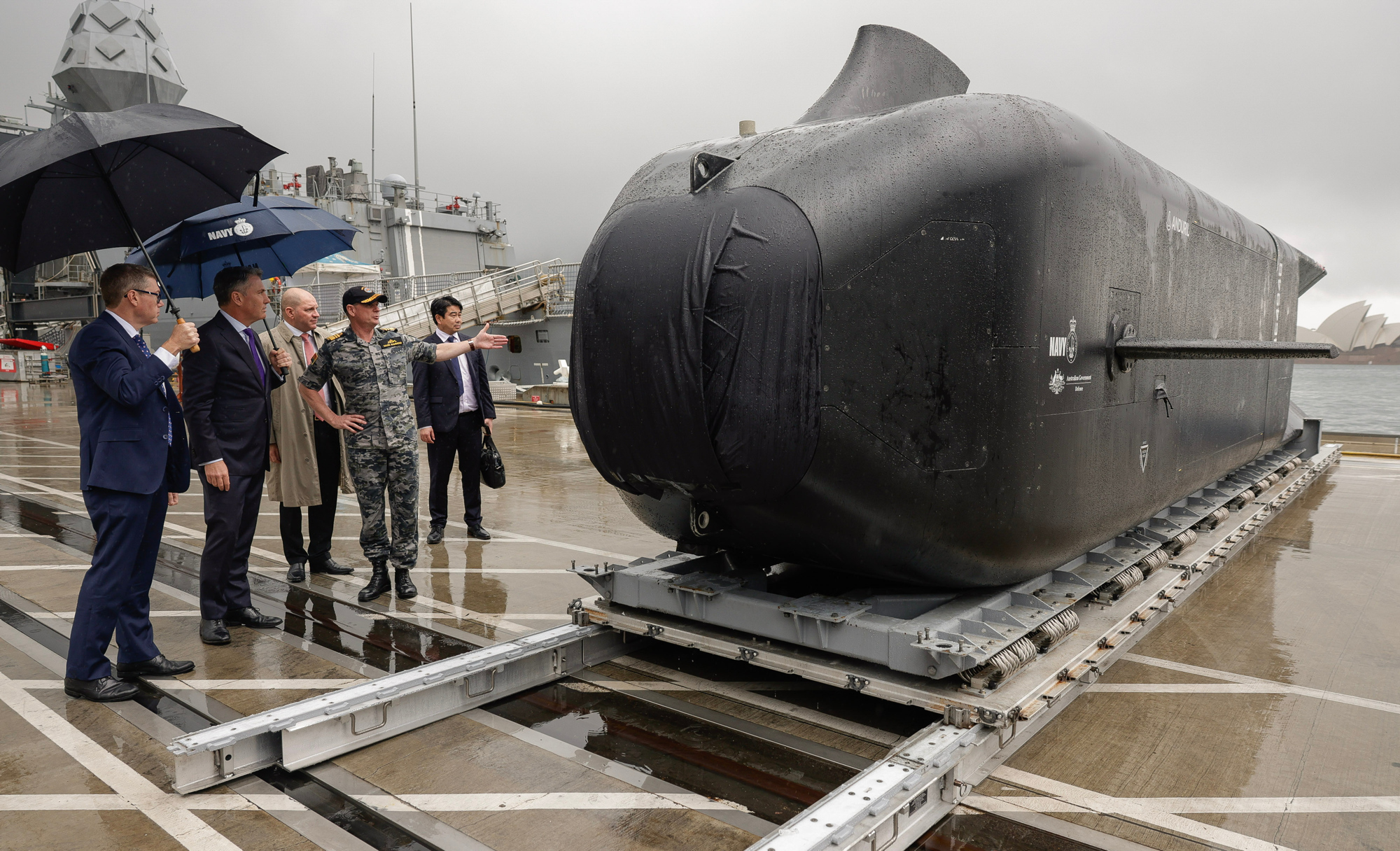
Australia has disclosed new payloads for its uncrewed underwater systems. The systems extend planned maritime missions and will undergo further allied testing.
-
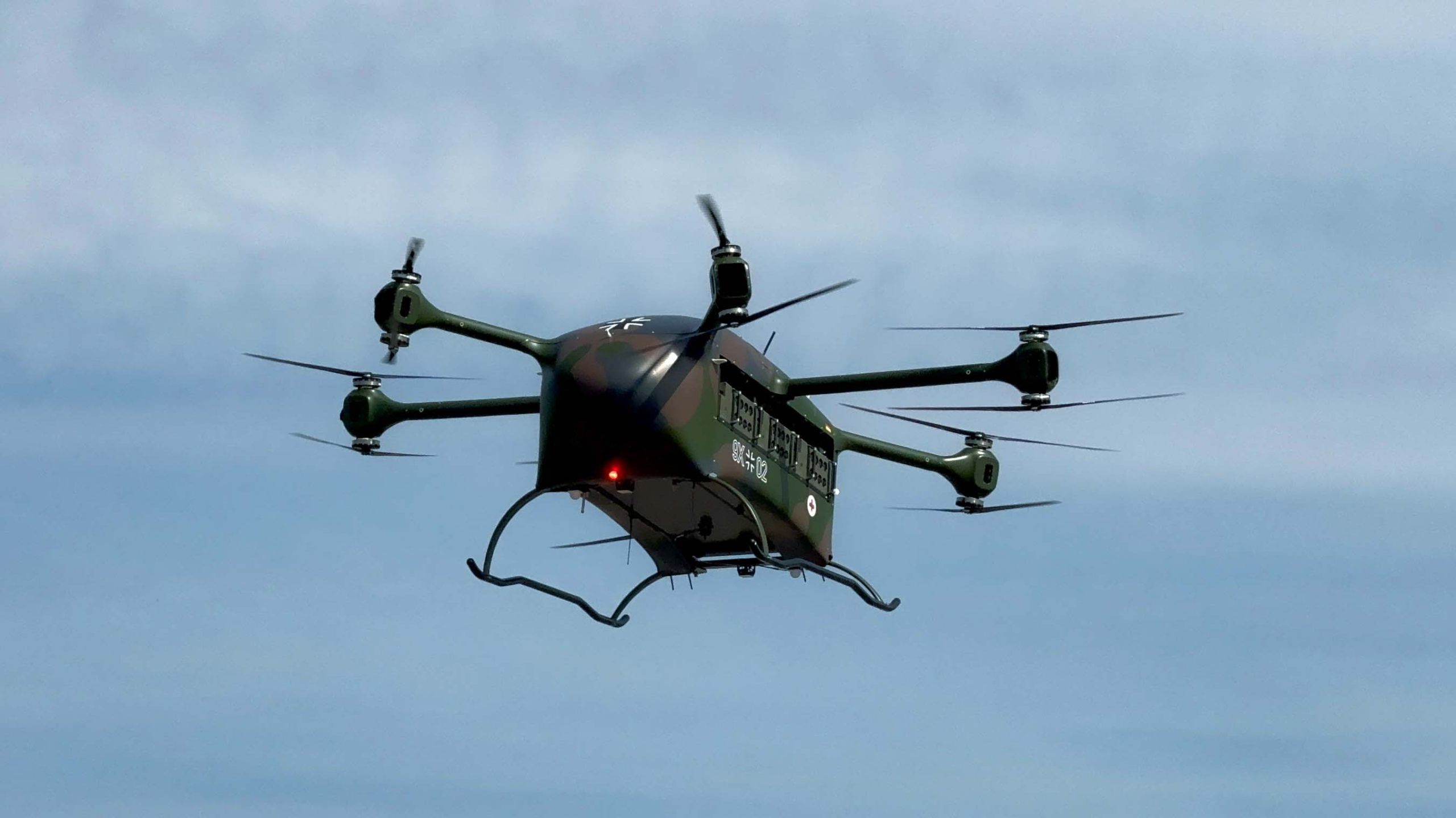
Steyr and Avilus are integrating ground power for Grille flights. The M12 Power Unit charges spare batteries during flight; the companies report prior military exercise testing but no procurement award or operational service.
-
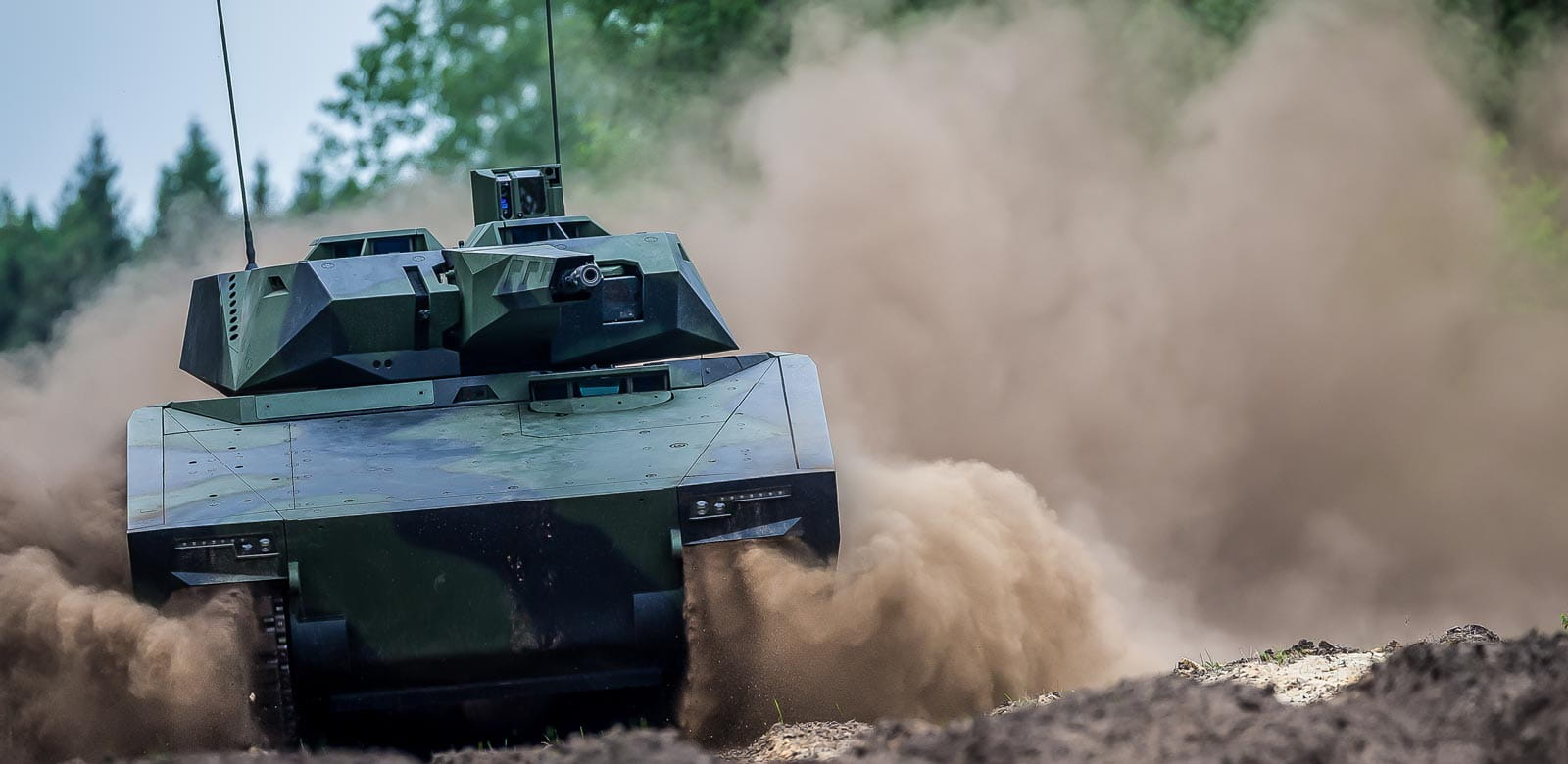
The US Army will evaluate open systems architecture for XM30. Rheinmetall and General Dynamics each have prototype vehicles under test, but neither has been awarded the production contract.
-

Zone 5 has displayed its proposed reusable Eclipse interceptor concept. Company figures describe speed, range, payload alternatives and manufacturing ambitions, but the aircraft remains in development without confirmed operational performance.