
News
-
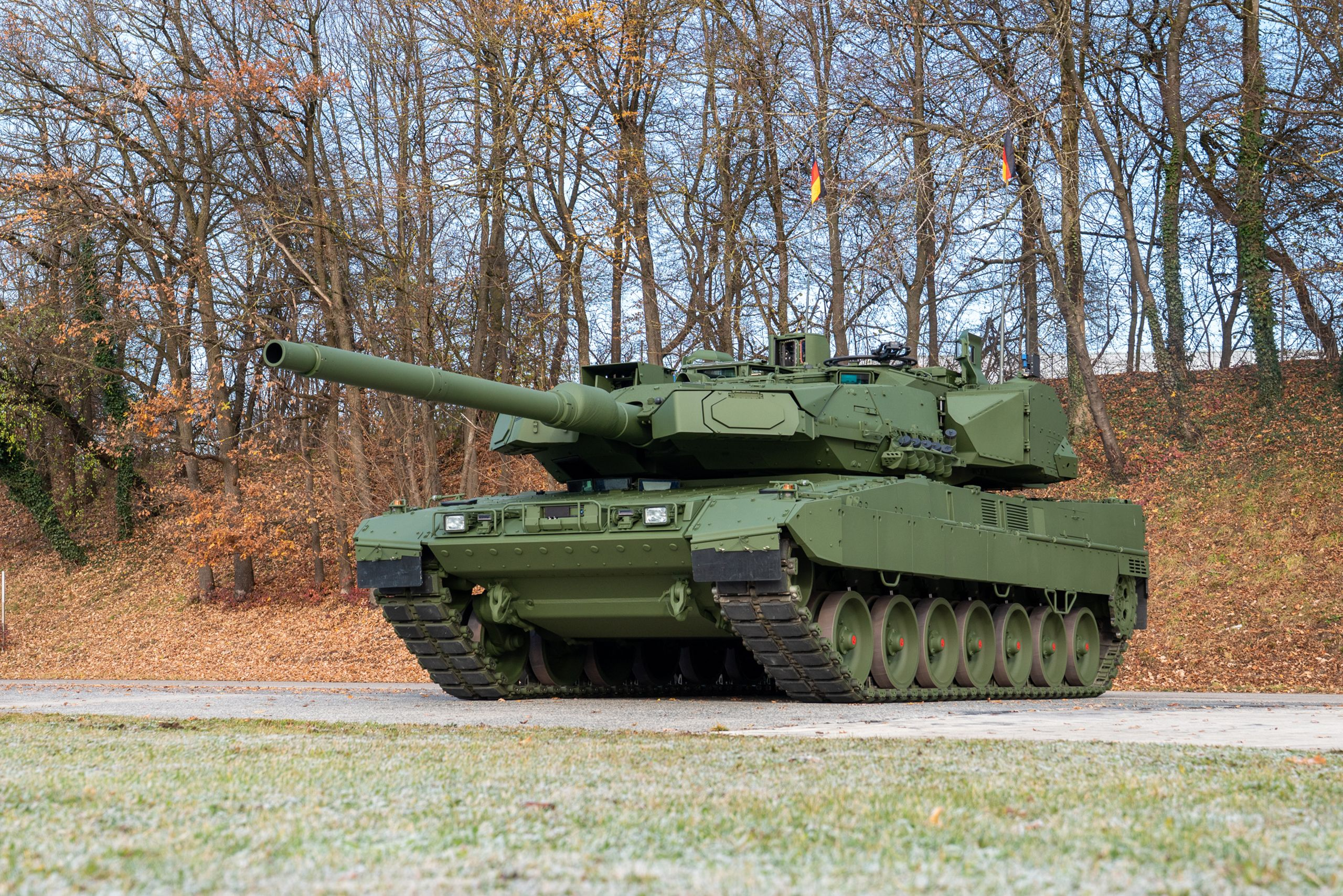
Lithuania has started construction of its Leopard 2A8 assembly plant. The €50 million Kaunas project will add domestic tank manufacture, repair, and sustainment capacity from late 2028.
-
BeeX has won a US Navy mine countermeasures modernisation challenge. Its autonomous underwater systems now move towards integration after demonstrating untethered mine reacquisition and neutralisation.
-
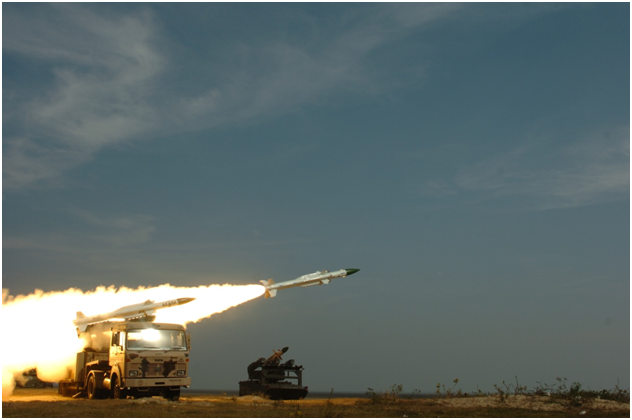
India says Akash missile production has now reached stability domestically. Export customers are adding demand alongside continuing Indian orders across the established manufacturing and support network.
-
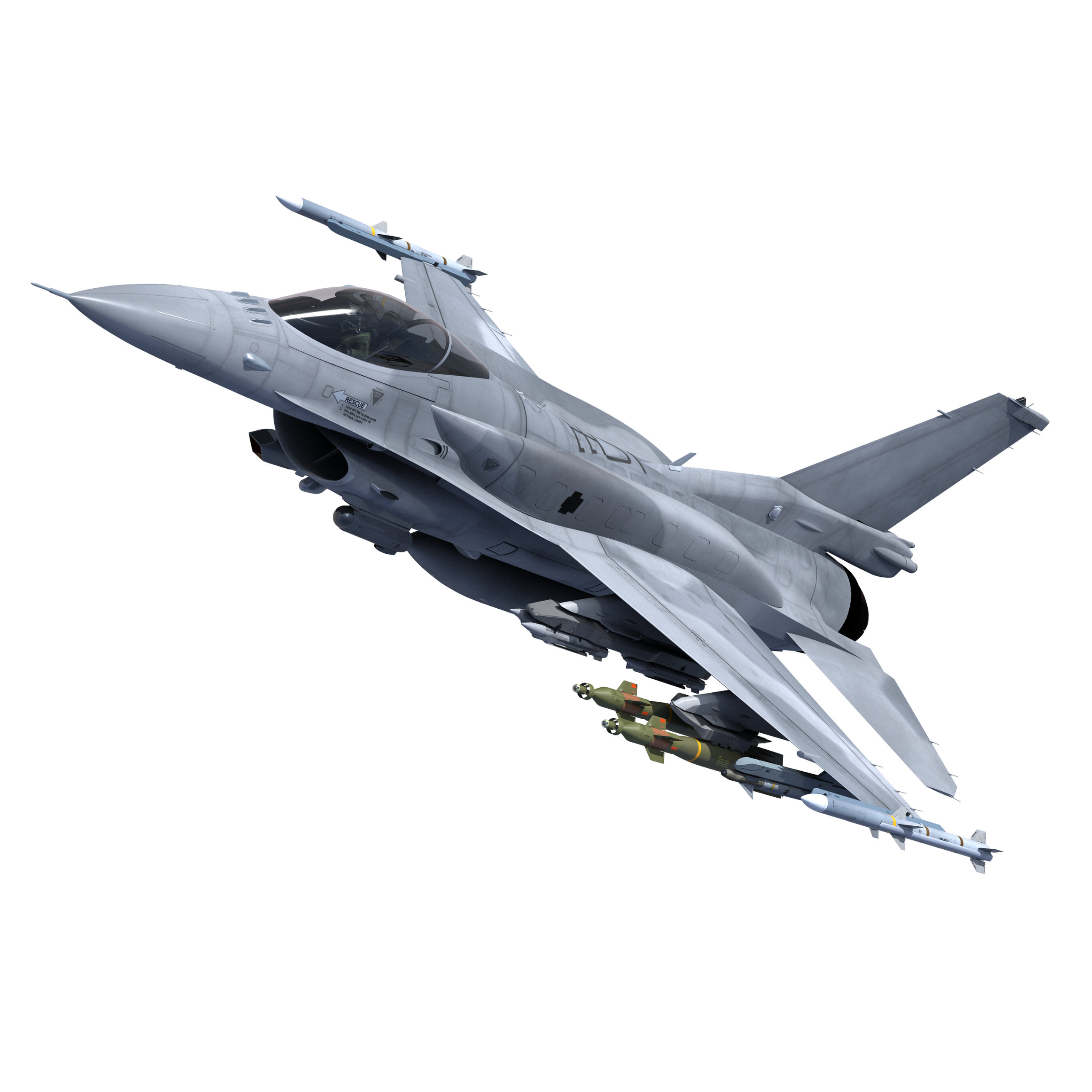
Taiwan has received its first two new-build F-16 Block 70s. Their arrival moves the delayed production programme into sustained acceptance, delivery, training and fleet introduction.
-
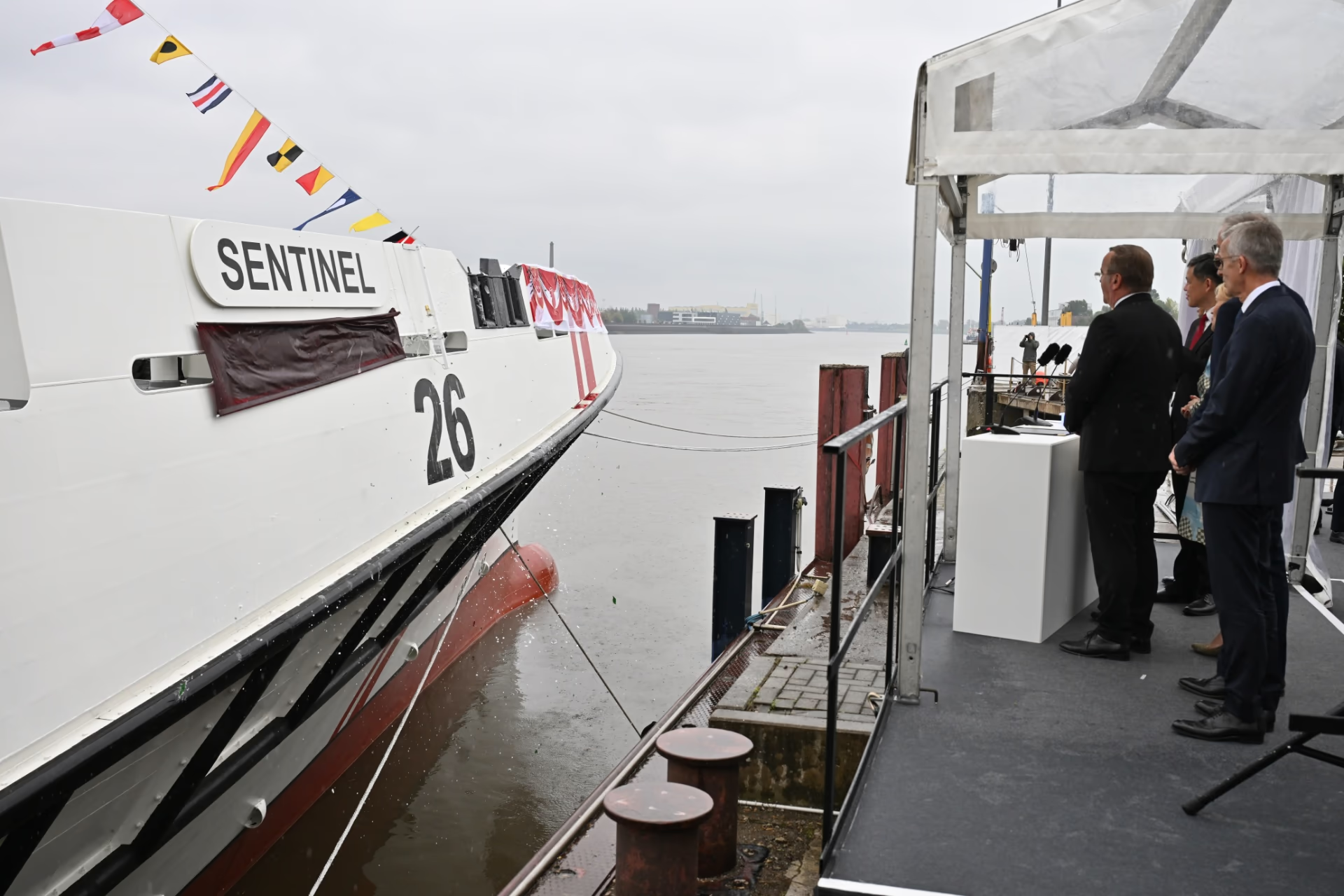
Singapore has launched its first Sentinel-class offshore patrol vessel abroad. Three sister ships remain under construction at Fassmer, with deliveries scheduled progressively from 2028.
-
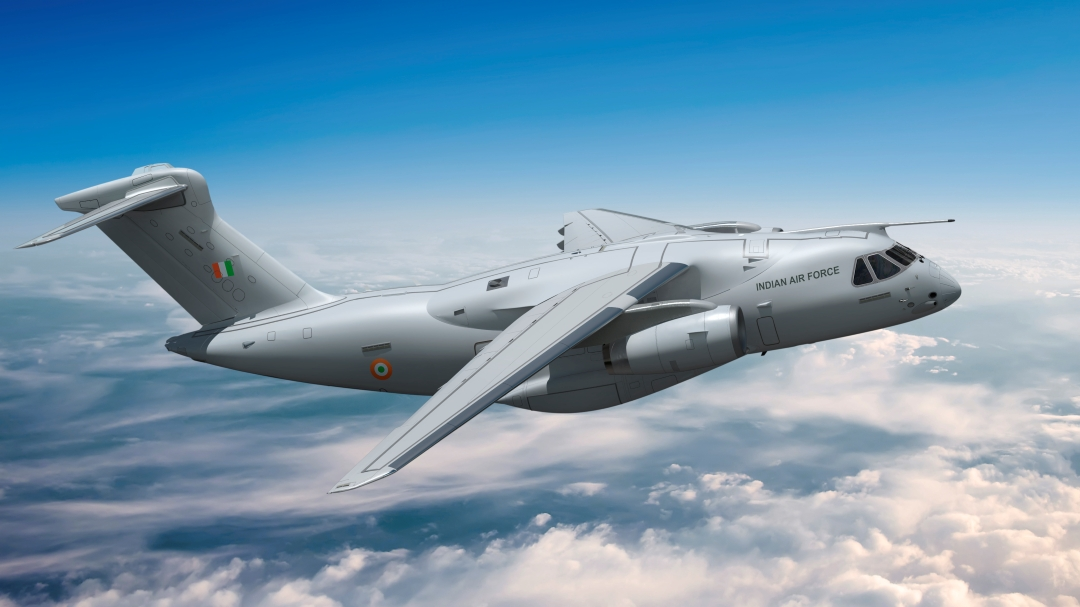
Embraer and Mahindra have selected Nagpur for potential C-390 assembly. The proposed operation would combine aircraft manufacture with systems integration, supplier development, engineering, training and lifecycle support if India selects the aircraft.
-
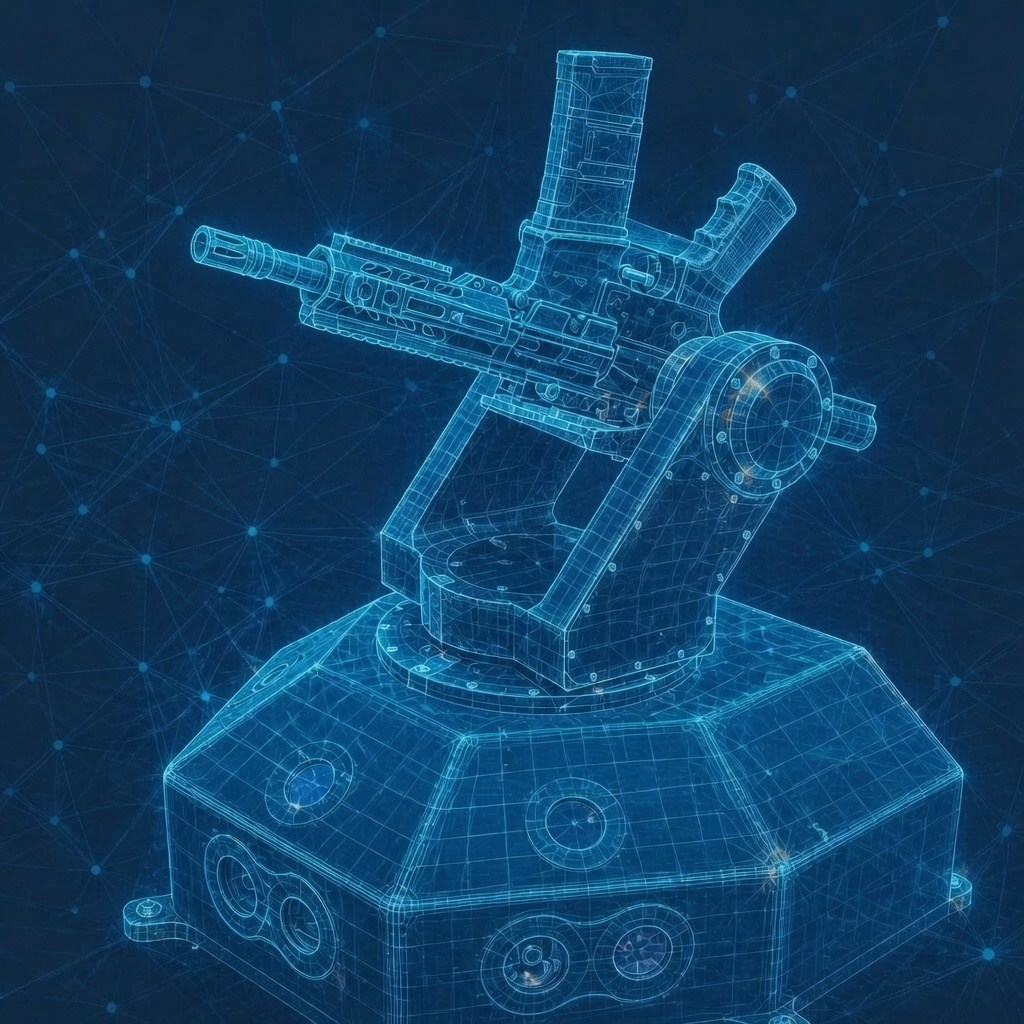
Axon Vision has completed ForceField counter UAS live fire trials. The Israeli demonstration combined passive detection, Edge AI classification and kinetic defeat against FPV drone targets for a US defence contractor.
-
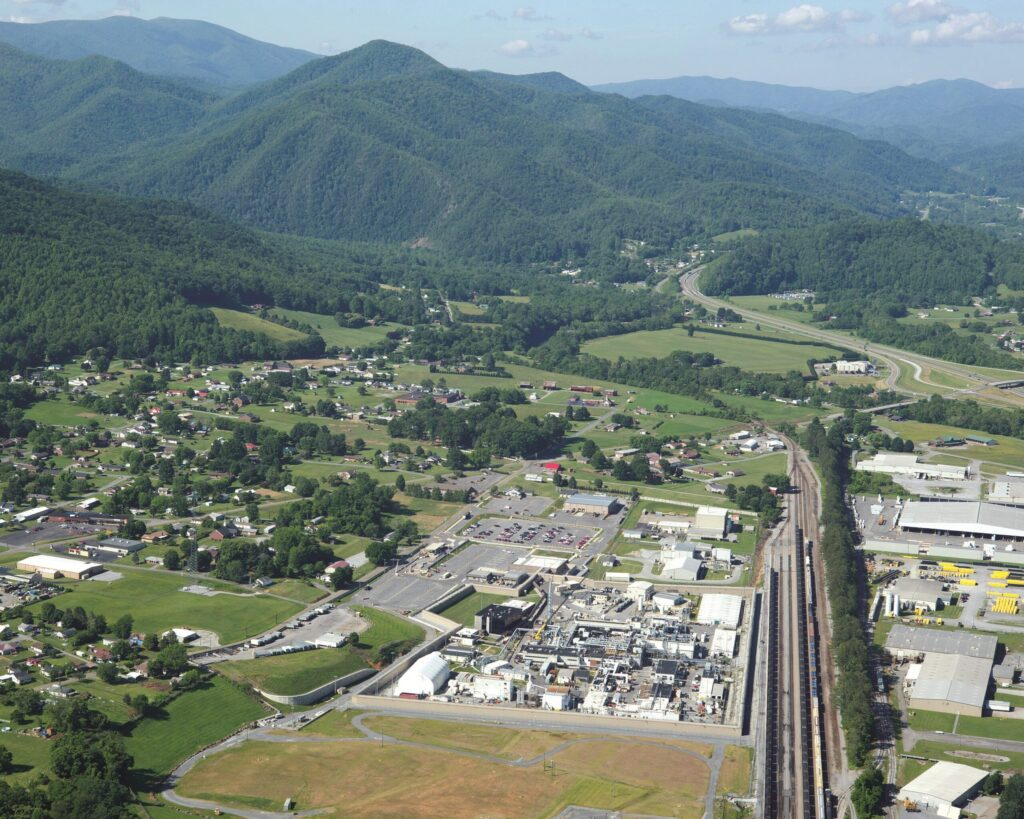
BWXT will manufacture nuclear fuel under a $189 million award. Nuclear Fuel Services will deliver reactor fuel for the US Naval Nuclear Propulsion Program through August 2027.
-
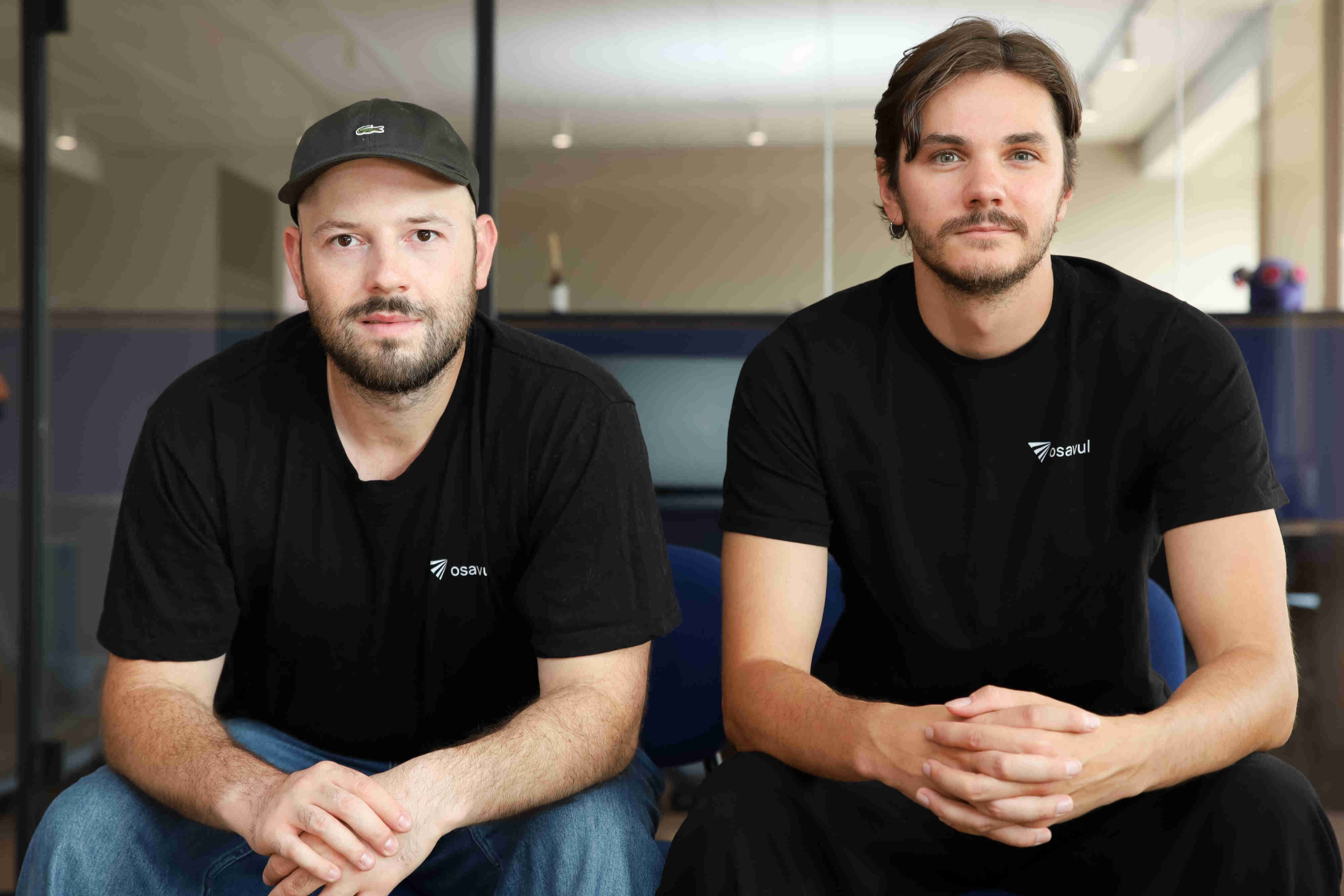
Osavul has raised €8.5 million to expand hybrid threat intelligence. The Series A will fund AI development, commercial growth and wider deployment while the company continues government, defence and NATO related work.
-
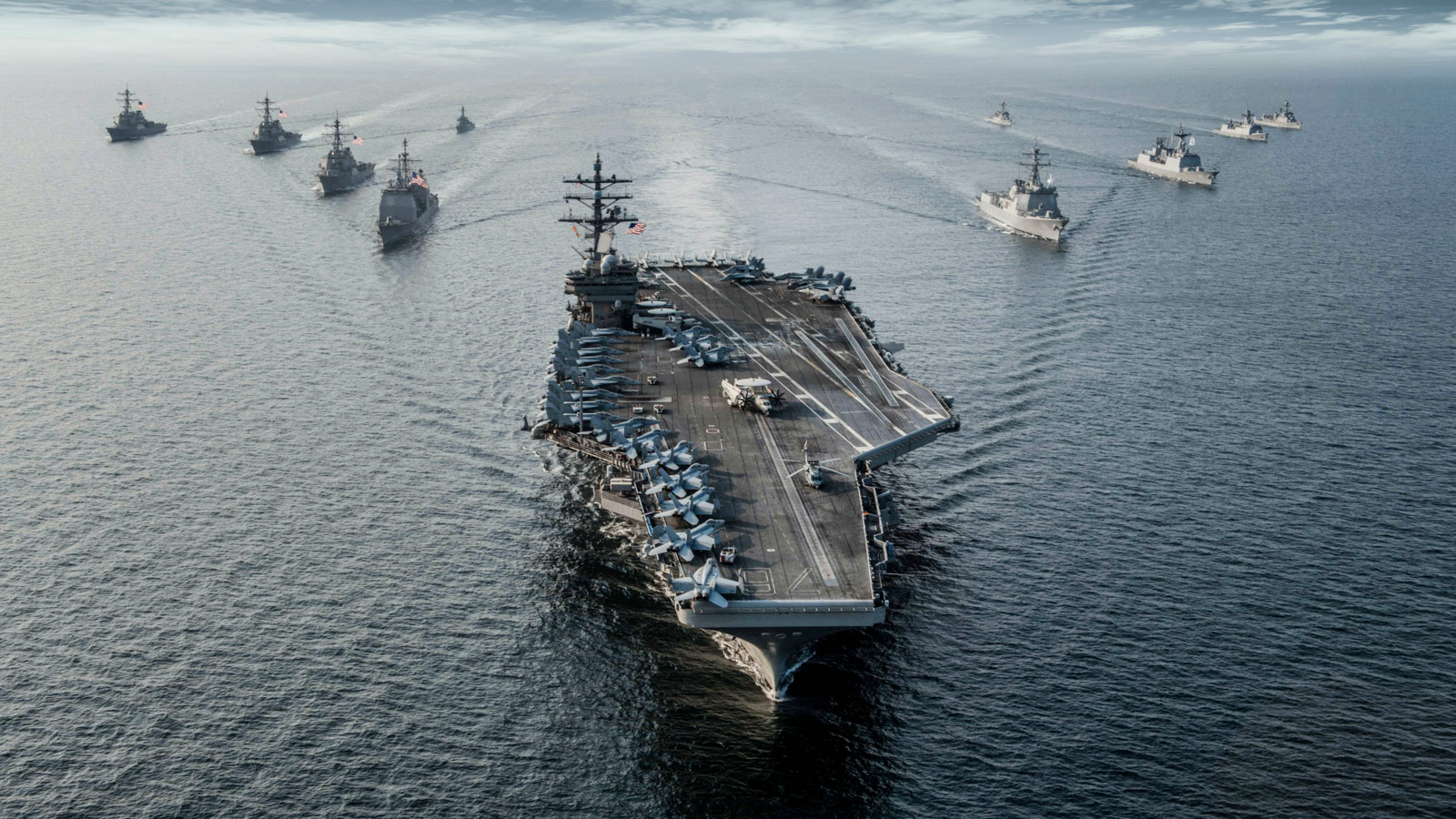
BAE Systems will develop M-Code GPS upgrades for Navy JPALS. The $16 million Collins Aerospace award will integrate DIGAR-500M anti jam protection into the US Navy precision landing system.