
News
-

Babcock has extended its submarine support bridge by two months. The interim deal maintains naval base and nuclear fleet services while the Ministry of Defence and Babcock finalise the long-term Gateway Agreement.
-
BAE Systems has opened Govan’s dedicated Type 26 paint facility. The £3.3 million hall moves blasting and coating of consolidated frigate blocks into a purpose-built production area.
-
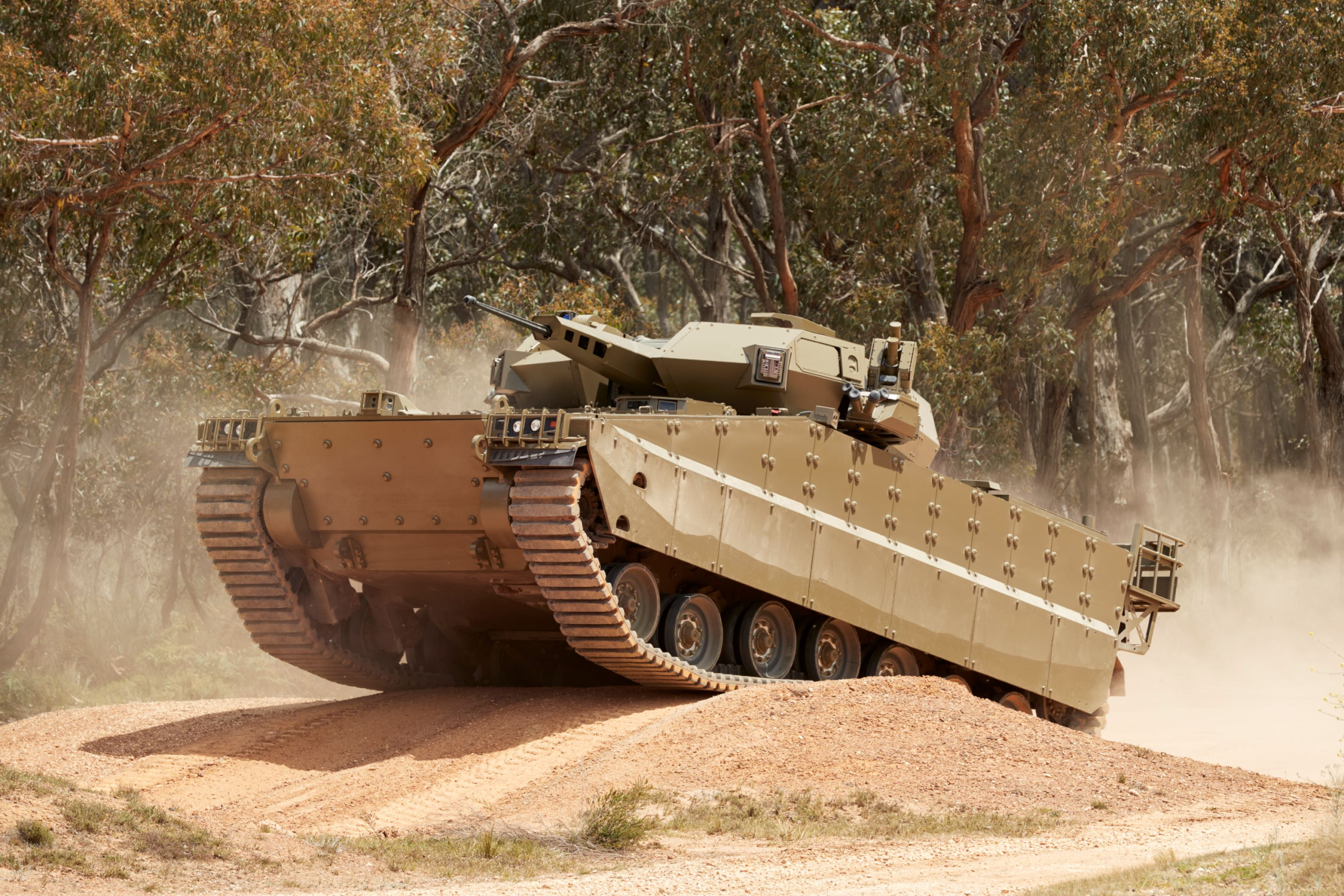
Visionary Machines and Hanwha are developing Redback counter-drone sensing capability. Pandion Sentinel brings passive multispectral detection to the infantry fighting vehicle as the companies assess integration, force protection, and situational awareness applications.
-
Australia is seeking close-range counter-drone protection for future Hunter frigates. The requirement covers uncrewed aircraft and surface vessels, with detection expected at around five kilometres, but no supplier or effector has been selected.
-
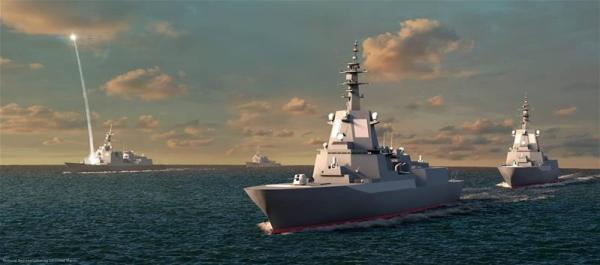
Lockheed Martin has secured a $724 million Japanese ASEV modification. The award raises the underlying Missile Defense Agency contract to about $2.36 billion and extends work on two shipsets through March 2030.
-
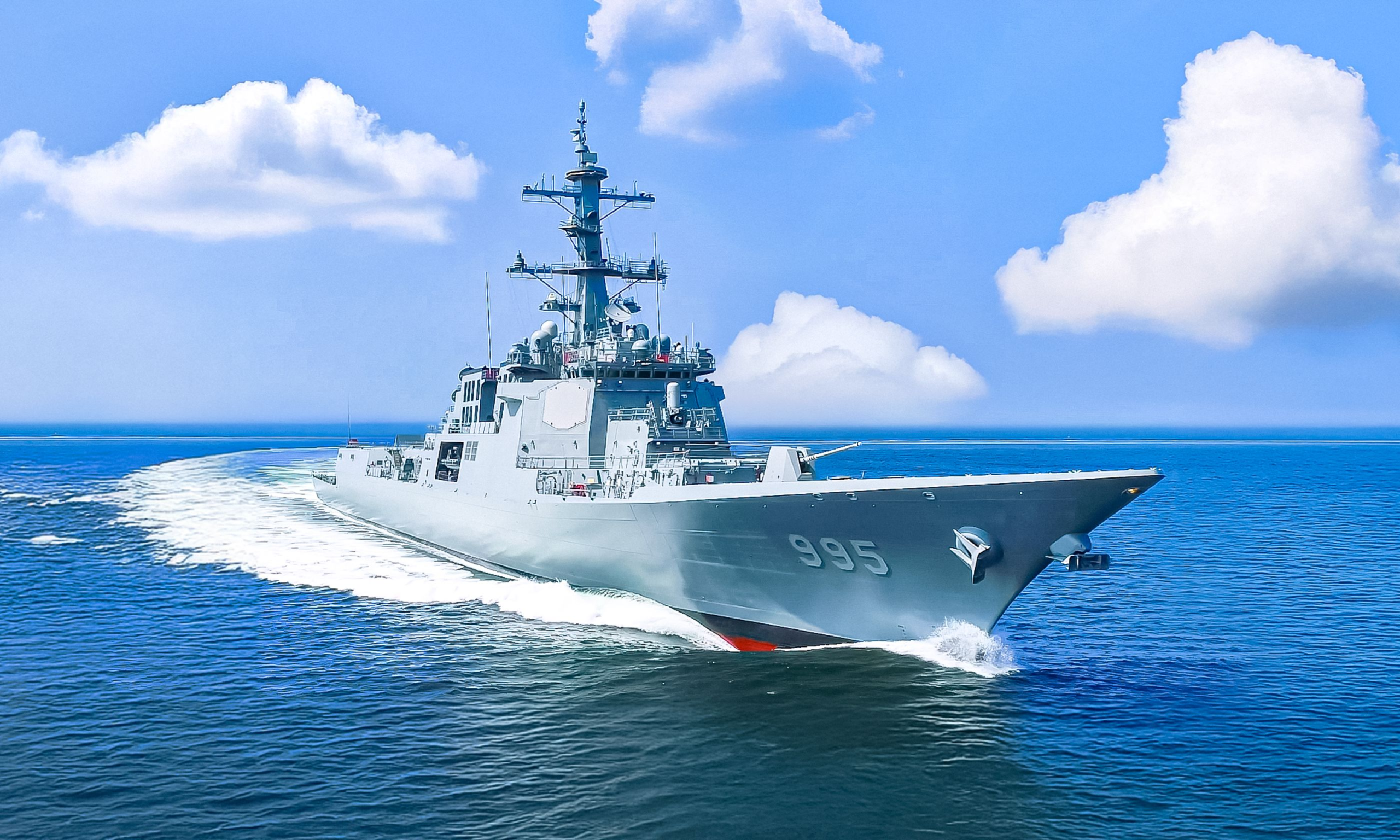
South Korea has launched the final Batch II Aegis destroyer. ROKS Daeho Kim Jong Seo completes a six-ship indigenous Aegis fleet and is scheduled for delivery in December 2027.
-
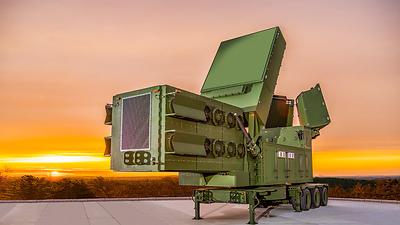
Lyntris secures LTAMDS radar production orders covering demand through 2028. The company will manufacture precision thermal management assemblies as Raytheon increases output of the US Army’s next-generation radar.
-

BAE Systems certifies its latest F-16 identification friend-or-foe system upgrade. The AN/APX-127(V)1 combines secure identification functions with updated processing, cryptography and passive receive capability.
-

Anduril and Voyager formalise a strategic weapons propulsion manufacturing partnership. Existing work exceeds $60 million as both companies develop additional US weapons and missile defence programmes.
-
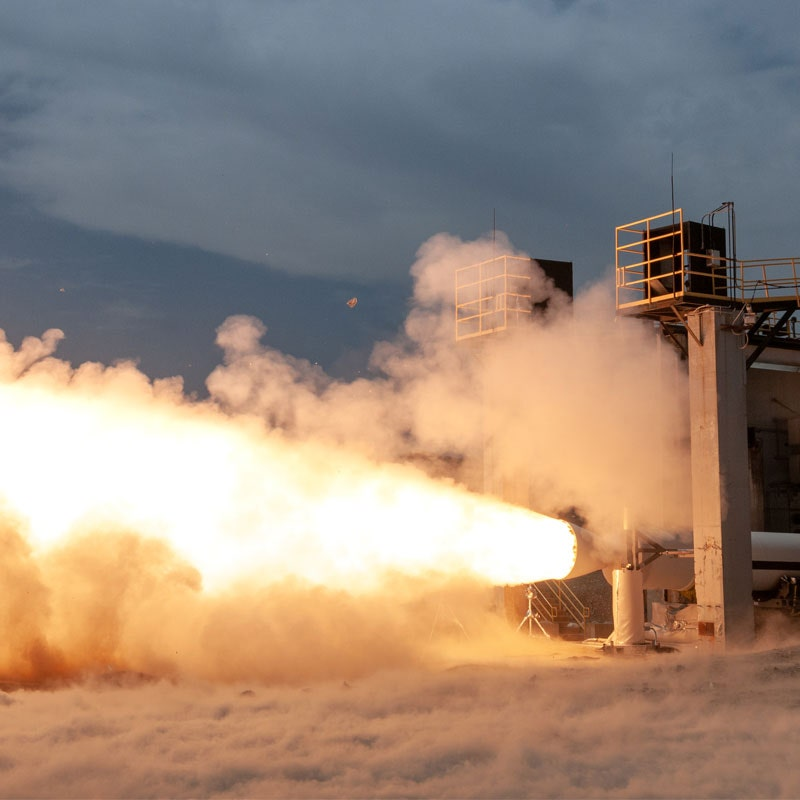
Northrop Grumman will develop extended-range counter-drone missile propulsion for Army. The $18.8 million XRC programme will integrate a solid fuel ramjet into prototypes for ground and flight testing.