
News
-
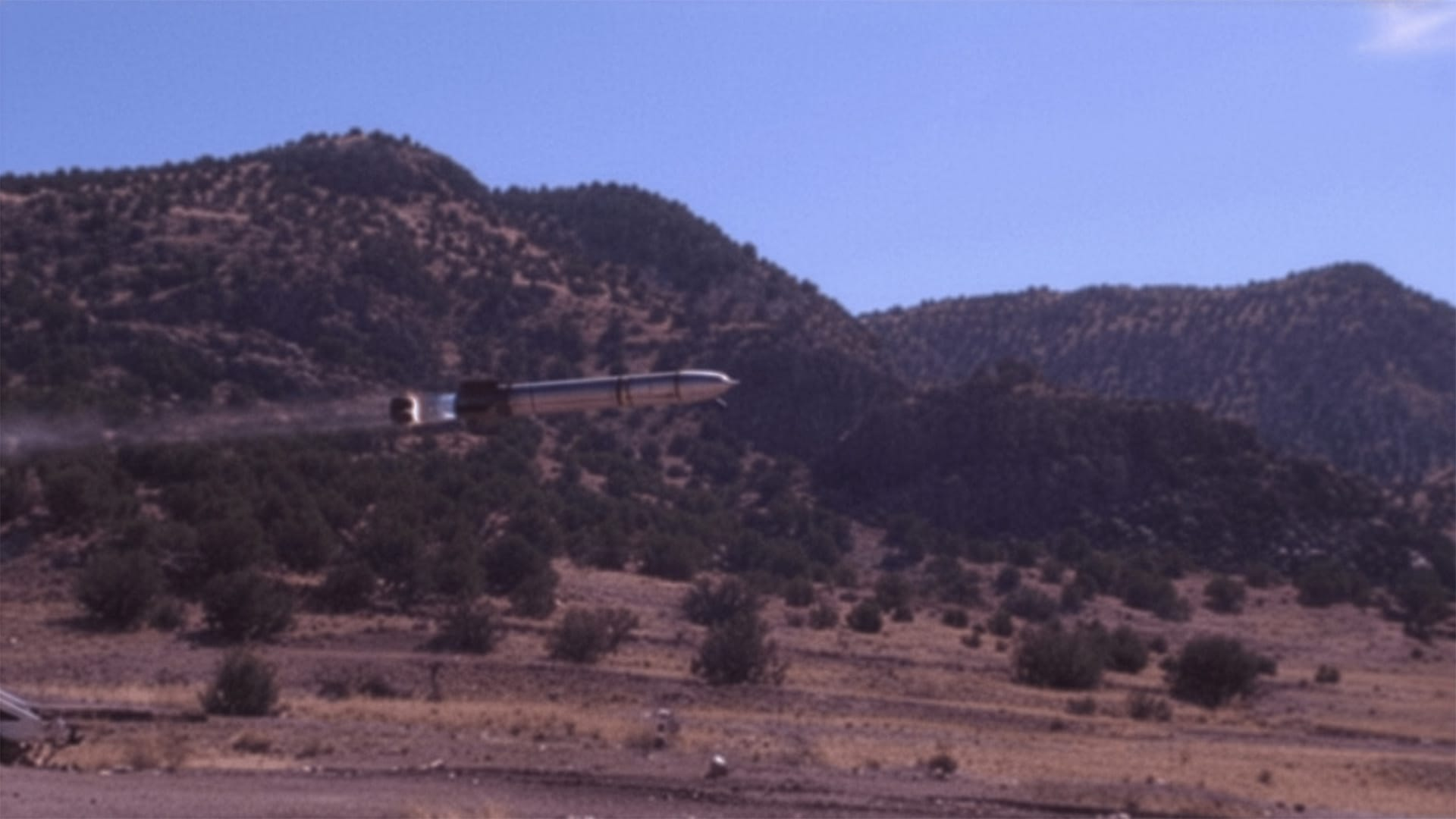
Tiberius Aerospace has announced a $500 million Sceptre collaboration contract. The agreement covers manufacture, licensing and distribution of the ramjet powered 155mm precision munition through a US UK industrial model.
-
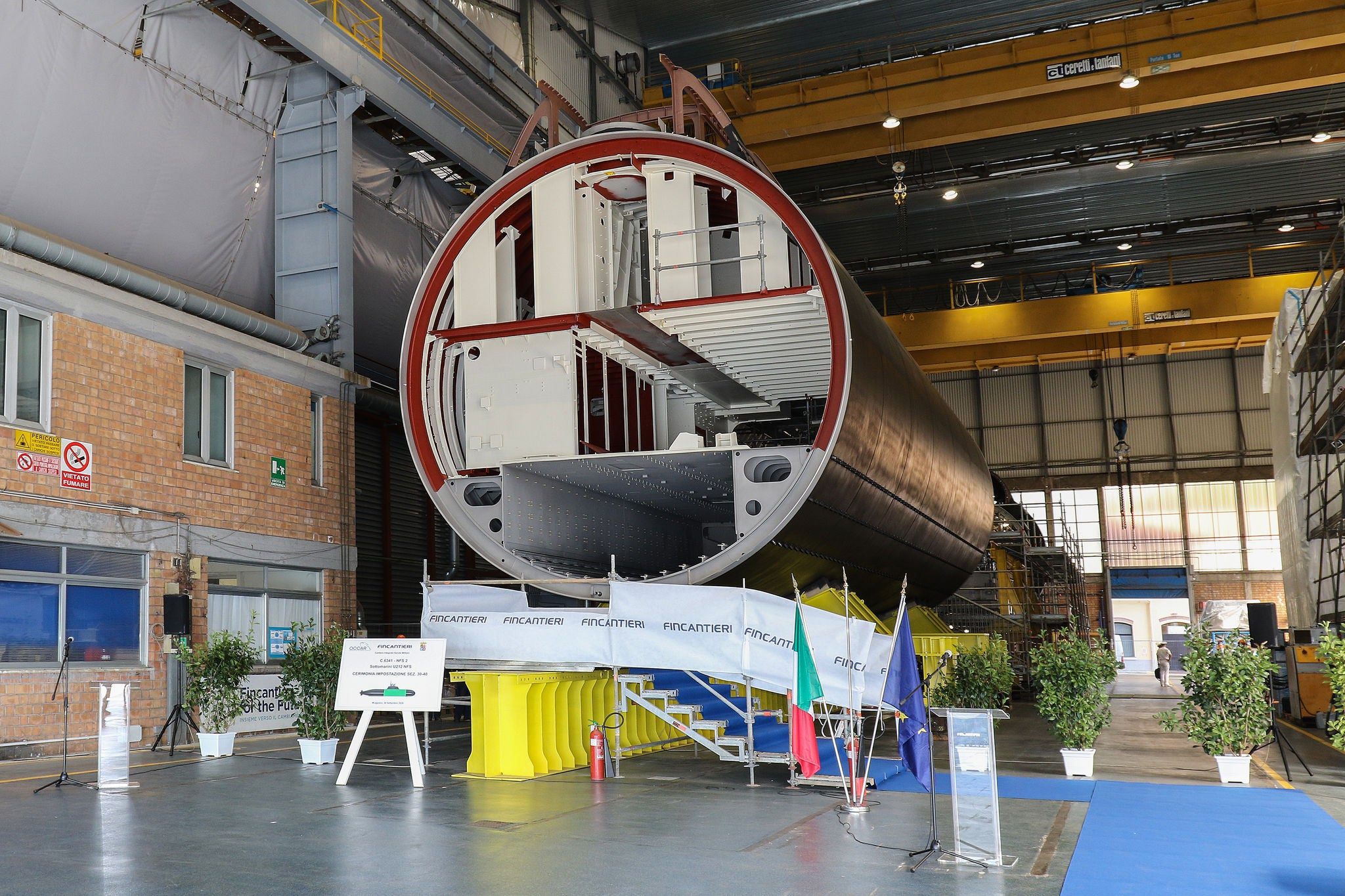
Fincantieri has laid the second U212NFS submarine keel at Muggiano. The Italian Navy boat is due in 2030 within a four-submarine production programme.
-
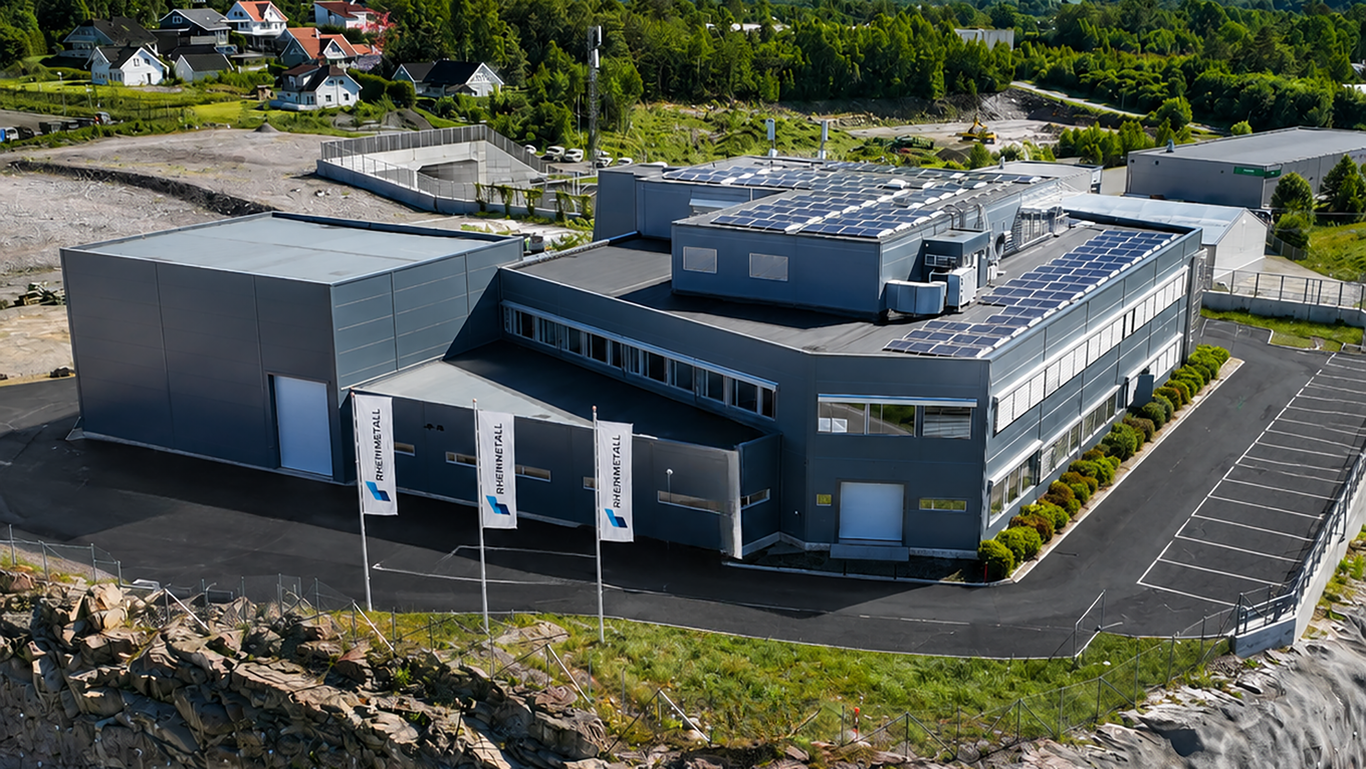
Rheinmetall has opened expanded defence production capacity at Skoppum, Norway. The 4,579m² facility combines development, manufacturing, integration, logistics and lifecycle support.
-
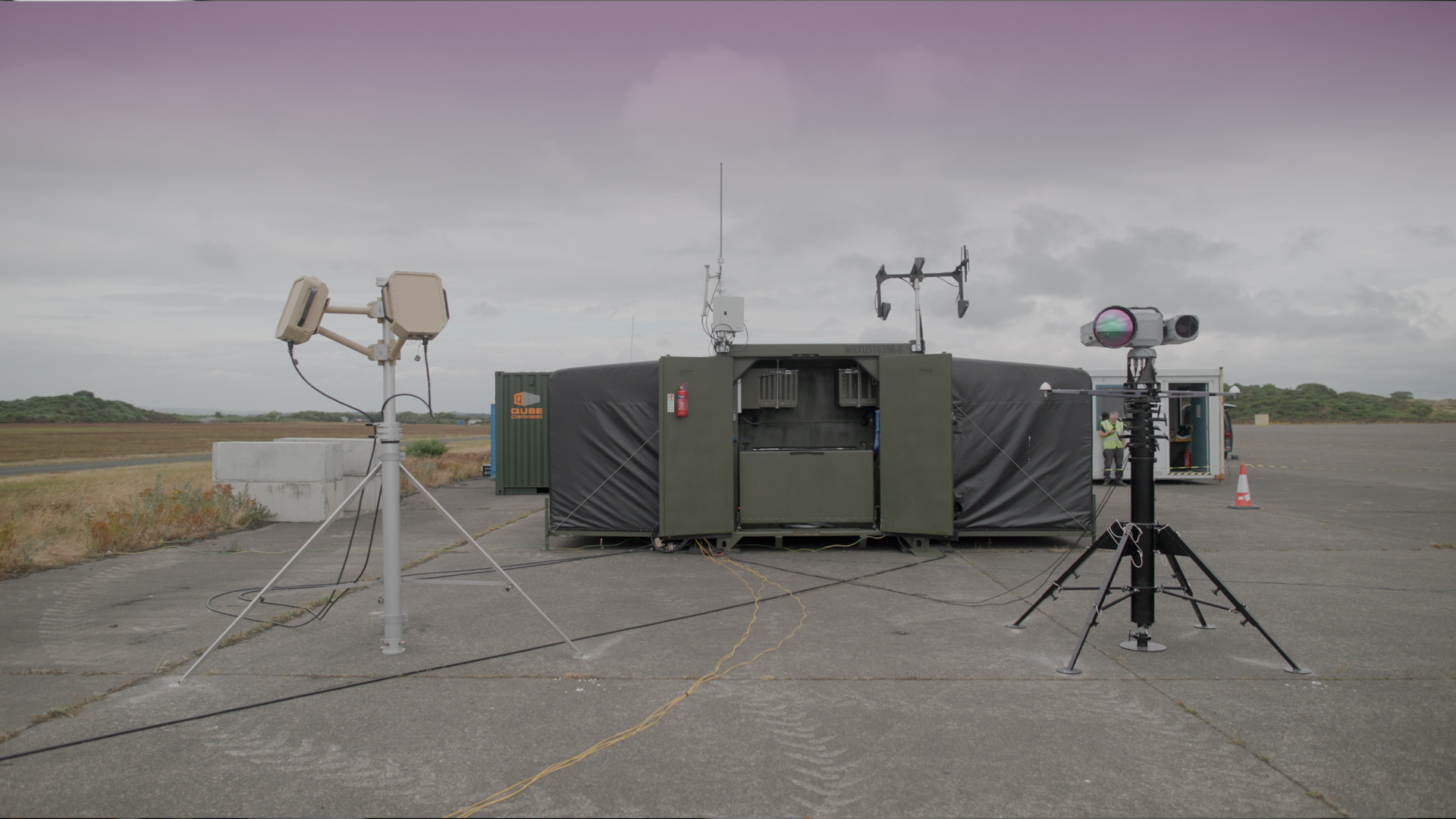
BAE Systems completed integrated BATS counter UAS trials in Scotland. The two-week programme combined sensing, command, electronic warfare and kinetic effects through one architecture.
-
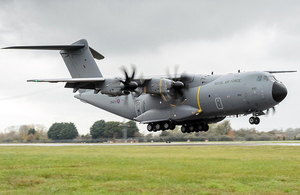
Airbus will extend UK A400M support under a £190m agreement. The 31-month extension targets 13 fully mission capable aircraft each day by the end of 2027.
-
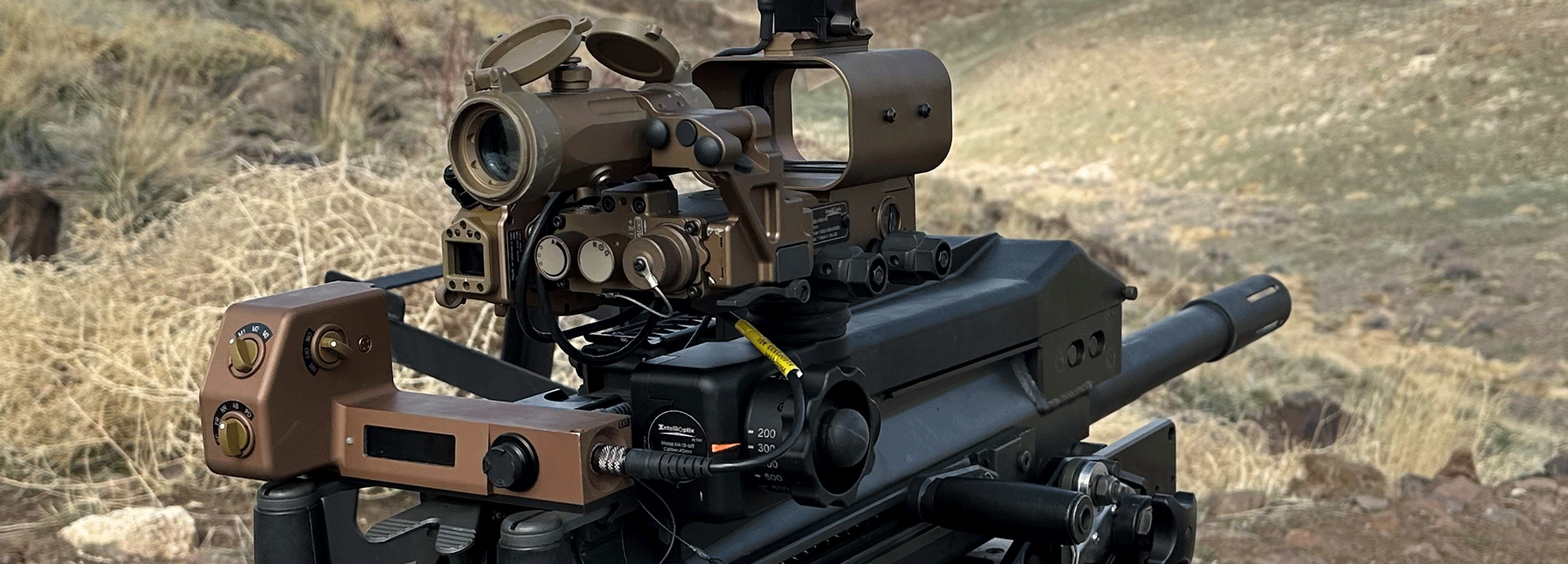
American Rheinmetall will build thousands of upgraded MK93 weapon mounts. The $20.7 million order covers 3,104 new systems and 245 upgrades from the company’s Biddeford, Maine, production facility.
-
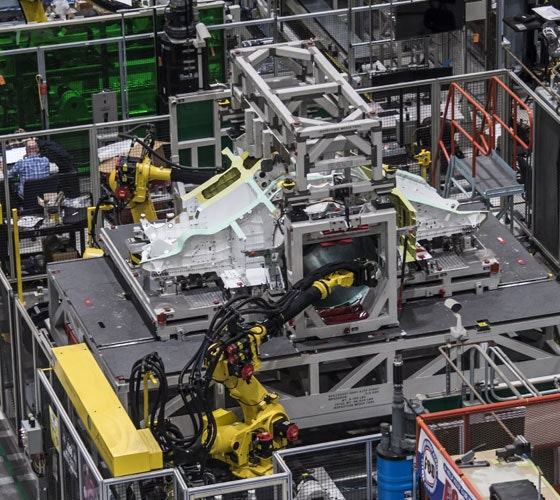
Northrop Grumman is automating F-35 avionics production with collaborative robotics. A co-bot now cuts one CNI assembly task from hours to minutes while AI inspection tools expand quality control.
-
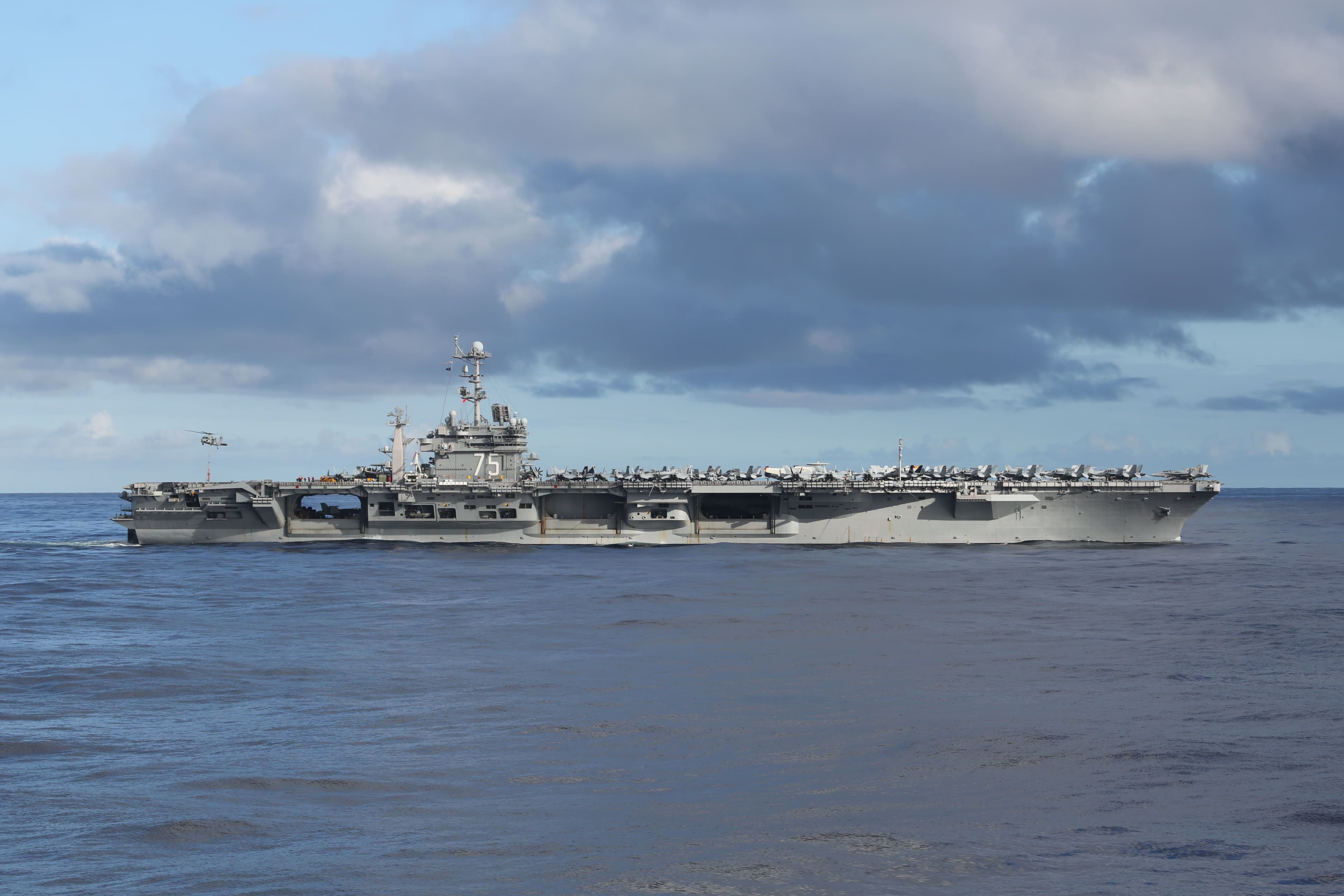
HII will build ten ROMULUS vessels for the US Navy. The order moves its MUSV work into production alongside two other suppliers selected after at-sea testing.
-
HII has secured a $5.1 billion Truman carrier overhaul contract. Newport News Shipbuilding will refuel the reactors and modernise propulsion, combat systems, and thousands of compartments for the carrier’s second service-life phase.
-
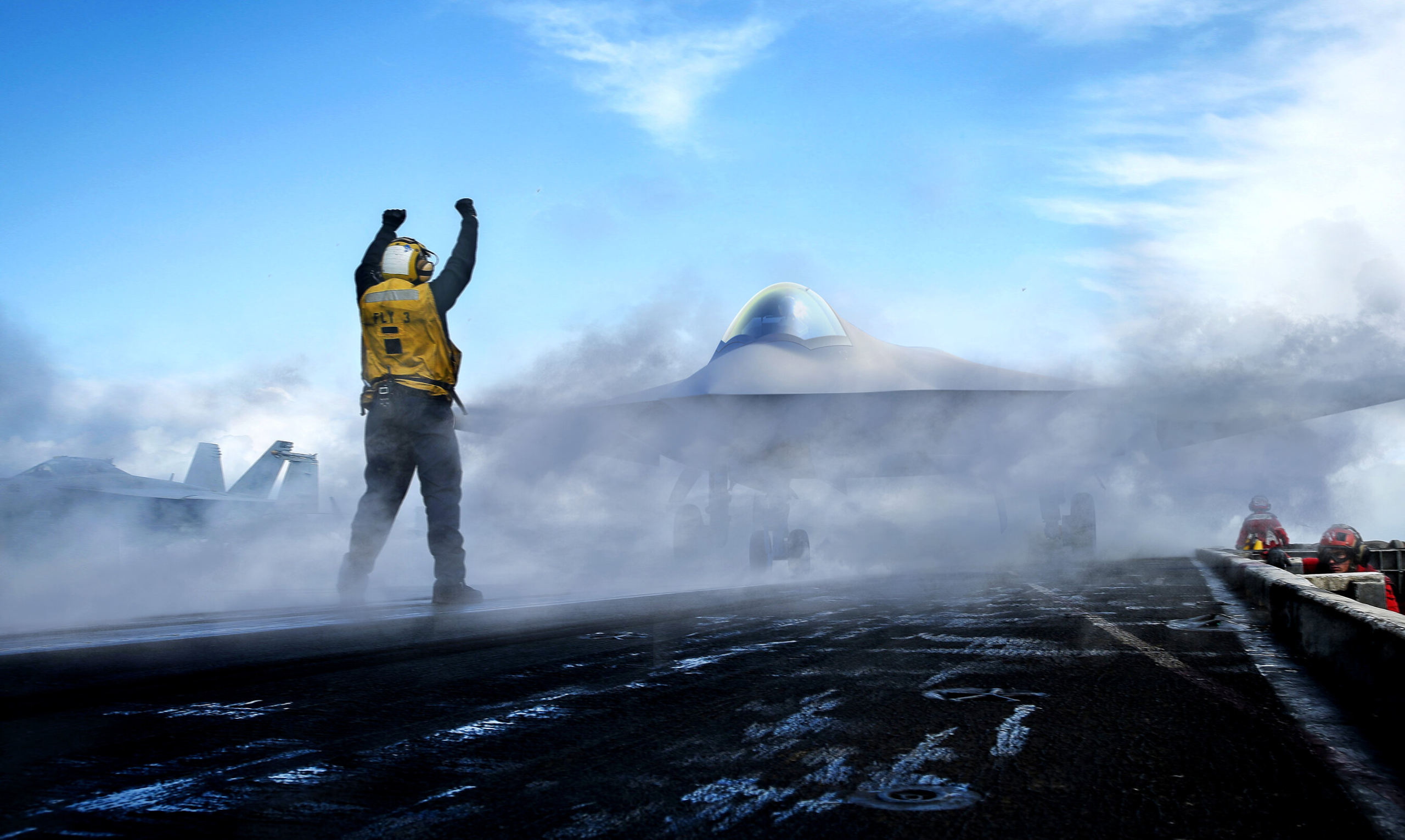
Boeing will build the US Navy’s next generation F/A-XX fighter. The classified programme replaces Super Hornet and adds a second sixth generation fighter development line to Boeing’s growing St Louis advanced aircraft workload.