
News
-

Draganfly has secured a US$10 million strategic defence investment package. The funding follows new Canadian procurement activity as the drone manufacturer prepares for potentially larger production requirements.
-

DTC has added three BluSDR radios to America’s Blue List. The listing covers short, medium, and long-range MANET communications hardware intended for compliant uncrewed system integration.
-
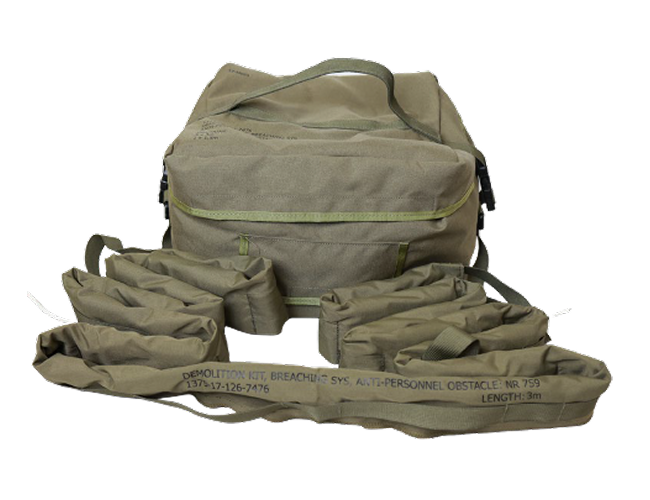
AirBoss has secured a five-year framework for Bandolier energetic systems. An initial order worth up to US$12.5 million accompanies the agreement, with first deliveries expected during late 2026.
-
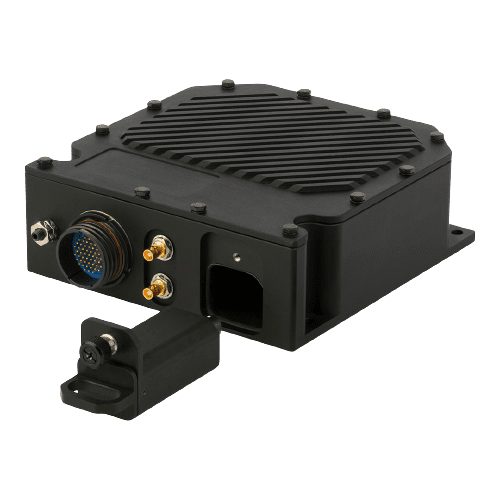
Maris-Tech has secured its largest airborne video systems contract yet. The US$10 million programme covers development and supply work across several next-generation manned defence aircraft.
-

Automakers are pursuing military vehicle contracts as car demand weakens. Ford, GM, and JLR are among bidders for Britain’s £900 million light mobility programme as defence demand opens new uses for existing industrial capacity.
-
NP Aerospace has secured extended support work for EOD suits. The £16.7 million contract covers service life extension and through life support, with options potentially continuing until 2035.
-

Türkiye has inducted its first two HÜRKUŞ-II basic trainer aircraft. The 55-aircraft programme now moves from certification into serial deliveries planned through 2028.
-
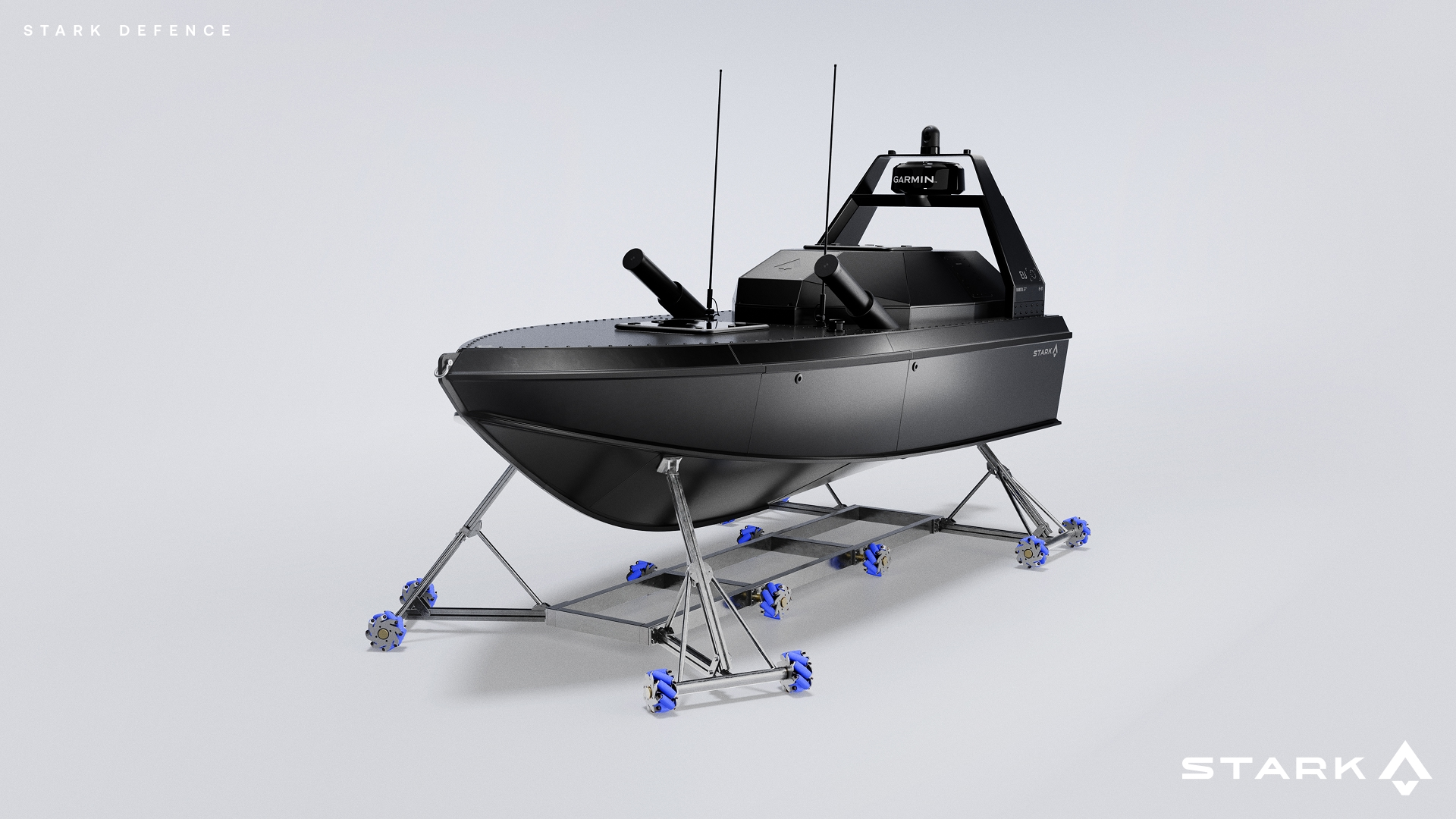
STARK has launched Vanta 12, an armed unmanned surface vessel. The Plymouth-built platform combines maritime surveillance with modular strike and electronic warfare payloads.
-

EU ministers approved five common defence industrial projects across Europe. The programmes span drones, maritime systems, space, integrated air defence, and eastern flank protection.
-
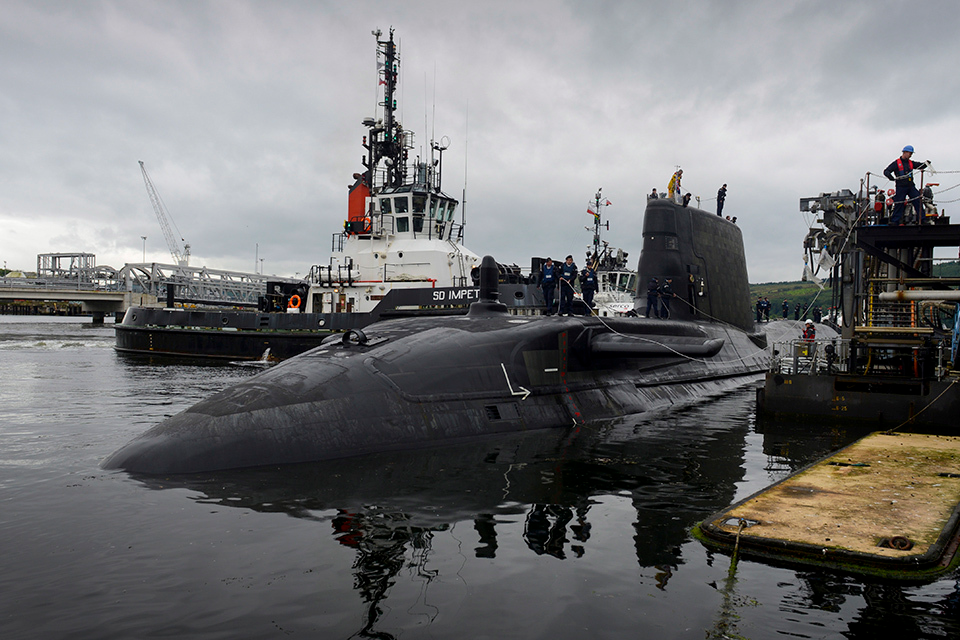
Britain will reserve Faslane floating dock construction for domestic shipyards. The three-dock programme will add submarine maintenance capacity at HM Naval Base Clyde.